1.8T Engine Oil Sludge Buildup
high- Typically appears
- 60–120k mi
- Estimated repair
- $800 – $3,000
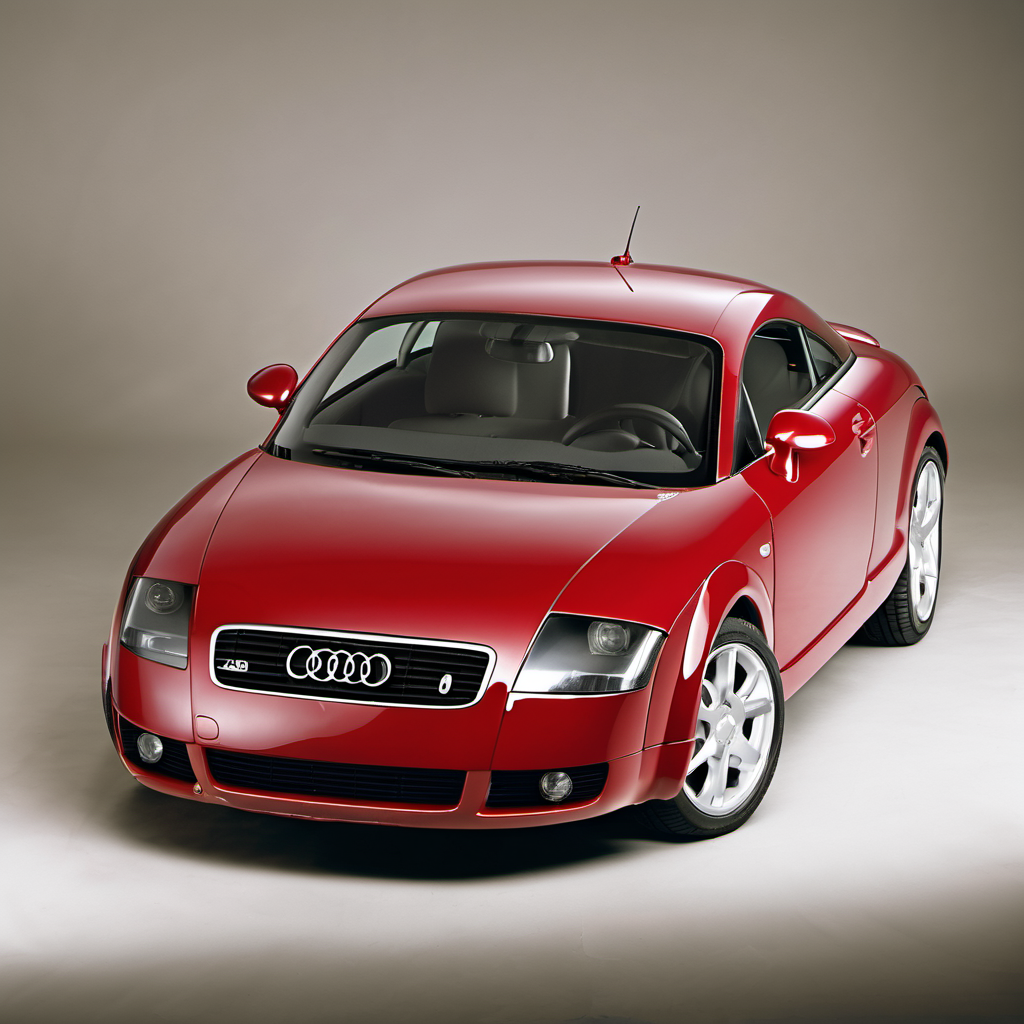
2003 Audi
1.8L I4 Turbocharged · Coupe
The 2003 Audi TT Coupe is the first-generation (8N) TT, a compact sports coupe built on Volkswagen's A4 platform and assembled in Győr, Hungary. It arrived in the U.S. with either a 1.8T turbocharged four-cylinder or a 3.2L VR6, paired with front-wheel or Quattro all-wheel drive depending on trim. The TT made a strong impression with its rounded Bauhaus styling — virtually unchanged from the 1995 concept car — and an interior that looked more like a showroom piece than a practical daily driver. On the road, the 1.8T version is energetic and fun, especially in Quattro form. The 3.2 VR6 adds a distinctive exhaust note and effortless mid-range pull. Steering feel is sharp and the chassis is well-sorted, but this is a genuine sports car: limited rear visibility, a tight rear seat that's more of a shelf, and a firm ride over rough Wisconsin roads. By 2003, Audi had resolved the early stability issues that led to a rear-spoiler recall on the original 1999–2000 cars, so this model year is cleaner from a safety standpoint. That said, the 1.8T engine carries well-documented reliability concerns, and ownership costs are firmly in European-luxury territory. Budget accordingly.
The 2003 Audi TT Coupe is the first-generation (8N) TT, a compact sports coupe built on Volkswagen's A4 platform and assembled in Győr, Hungary. It arrived in the U.S. with either a 1.8T turbocharged four-cylinder or a 3.2L VR6, paired with front-wheel or Quattro all-wheel drive depending on trim. The TT made a strong impression with its rounded Bauhaus styling — virtually unchanged from the 1995 concept car — and an interior that looked more like a showroom piece than a practical daily driver. On the road, the 1.8T version is energetic and fun, especially in Quattro form. The 3.2 VR6 adds a distinctive exhaust note and effortless mid-range pull. Steering feel is sharp and the chassis is well-sorted, but this is a genuine sports car: limited rear visibility, a tight rear seat that's more of a shelf, and a firm ride over rough Wisconsin roads. By 2003, Audi had resolved the early stability issues that led to a rear-spoiler recall on the original 1999–2000 cars, so this model year is cleaner from a safety standpoint. That said, the 1.8T engine carries well-documented reliability concerns, and ownership costs are firmly in European-luxury territory. Budget accordingly.
The 1.8T is extremely sensitive to oil quality and change intervals. Stretching oil changes is the single biggest cause of sludge buildup and premature engine failure on this engine. Do not follow the in-car service reminder; stick to 5,000-mile intervals.
Worn plugs on the 1.8T accelerate ignition coil failure, which is already a common issue. Staying ahead of plugs keeps the coil packs alive longer.
Coil packs on the 1.8T fail frequently. Replacing all four at once when one fails is cost-effective and prevents being stranded.
Plastic coolant flanges and the thermostat housing are known to crack and leak. Catching low coolant before it causes overheating prevents a far more expensive repair.
The 1.8T is an interference engine. A broken timing belt will destroy the engine. The water pump is driven by the same belt; replace both together every time.
Audi specifies this interval because brake fluid absorbs moisture over time, lowering boiling point and risking brake fade — especially important with the TT's sporty driving character.
The 6-speed DSG found on some TT trims requires periodic fluid and mechatronic service. Skipping this leads to harsh shifts and expensive transmission repairs.
Wisconsin road dust and debris clogs filters quickly. A clogged cabin filter strains the blower motor and degrades A/C and heat performance.
Always defer to the manufacturer's service manual for warranty-mandated intervals.
The TT is cheap to buy used but not cheap to own. Routine maintenance runs higher than a comparable domestic sports car because VAG-spec fluids, filters, and parts cost more. The real risk is deferred maintenance — an engine that needs a timing belt or has sludge damage can easily cost $3,000–$6,000+ to sort out. Budget a repair reserve on top of normal maintenance, especially if the service history is incomplete.
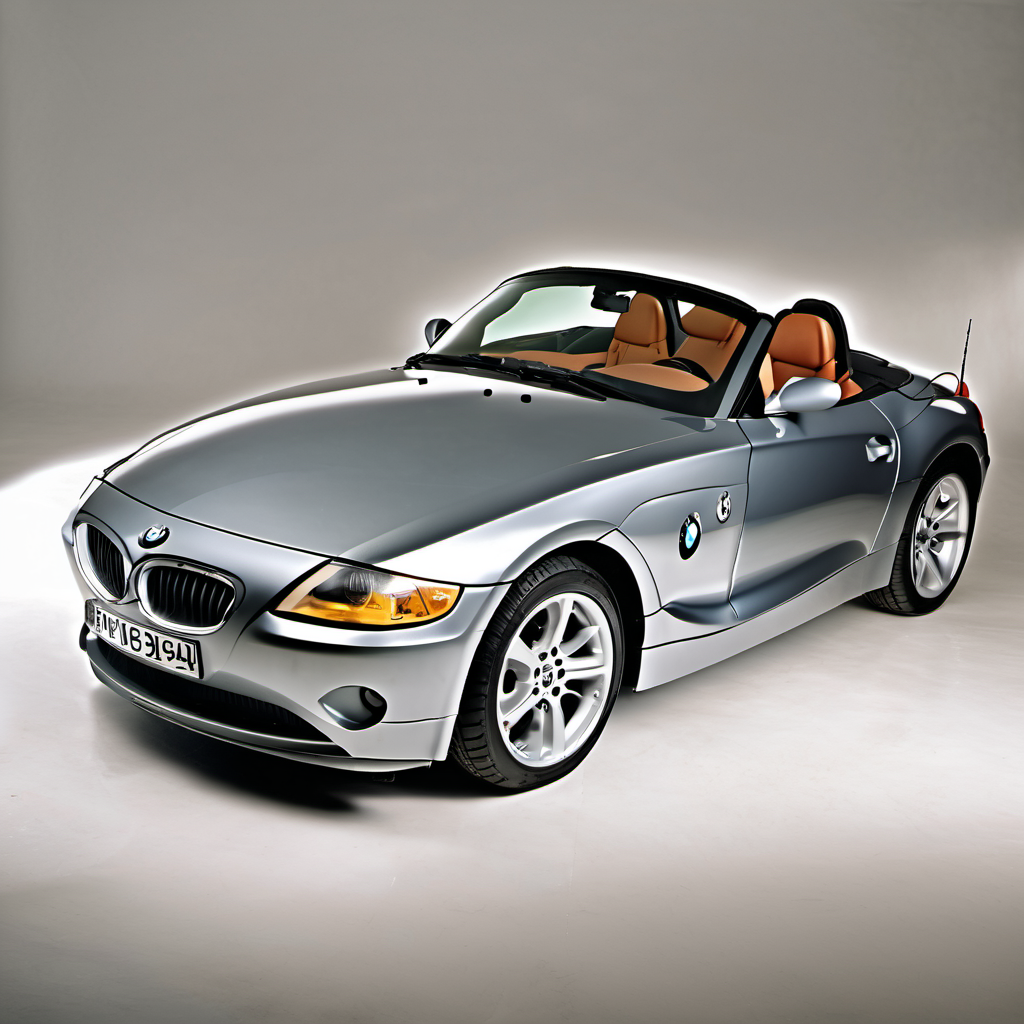
BMW's contemporary two-seat roadster/coupe in the same price bracket. More driver-focused with a longitudinal inline-six option; similar European maintenance costs.
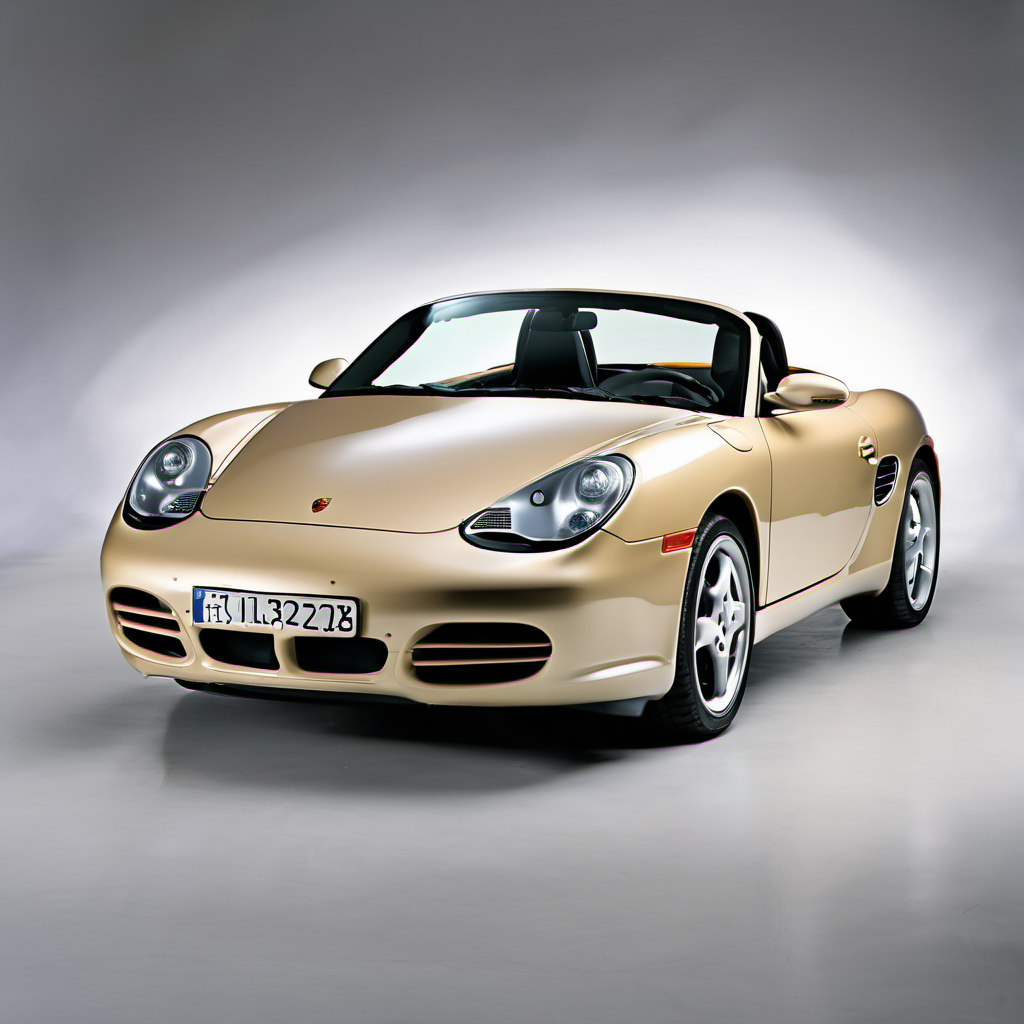
More expensive to maintain but stronger resale and a more polished sports car experience. Same era, same European-ownership-cost reality.
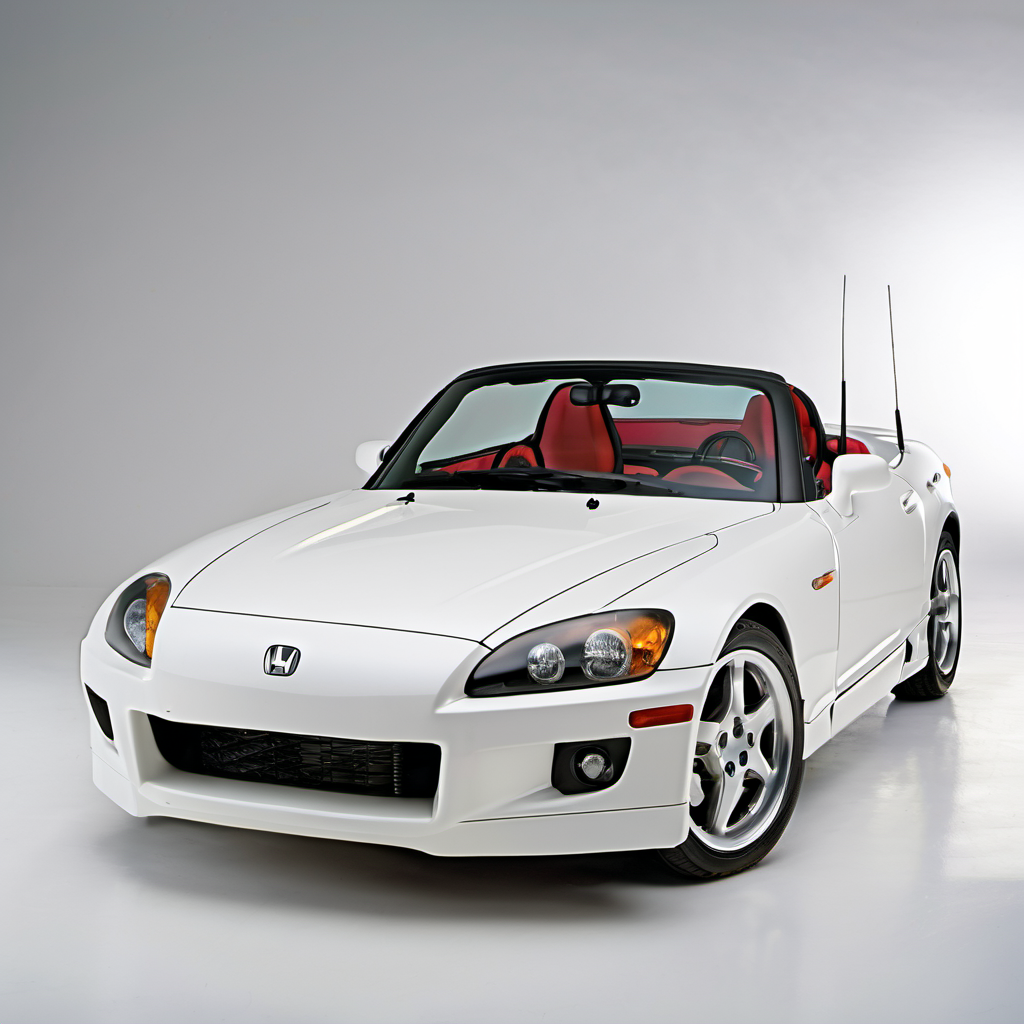
A Japanese alternative with far better reliability, similar power, and razor-sharp handling — none of the VAG electrical gremlins. Harder to find clean examples now.
Unique rotary-powered coupe with a genuine rear seat and similarly sporty character. Lower entry cost but its own maintenance complexity — rotary engines need careful attention.
No catalog match