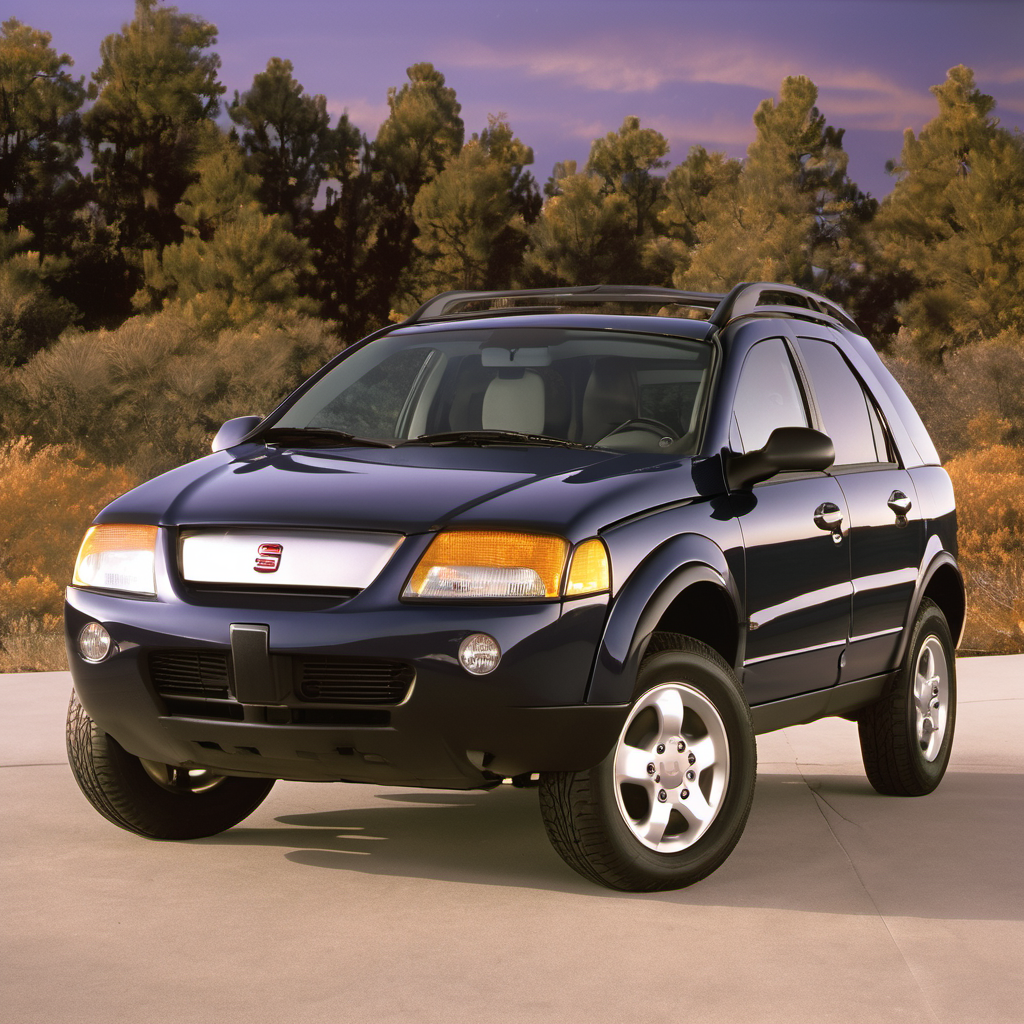
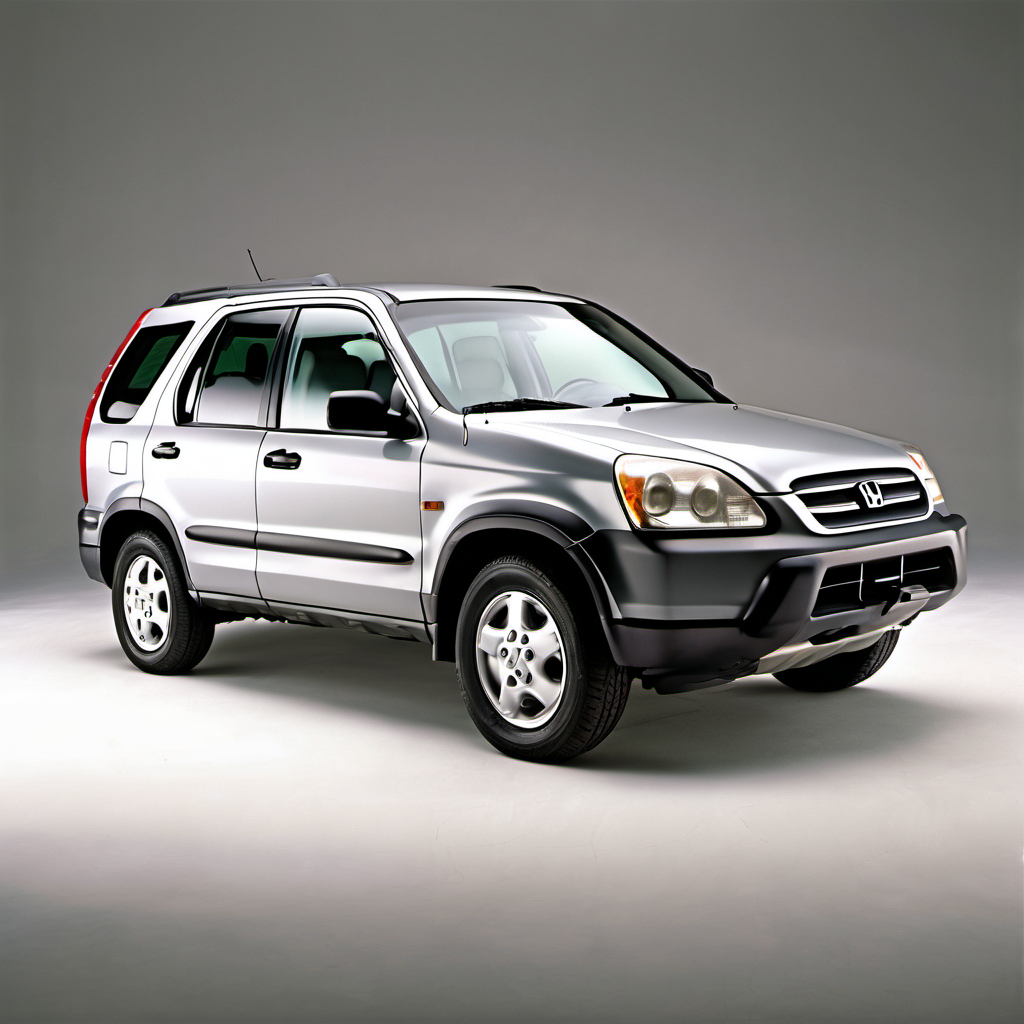
2002 Saturn VUE SUV

2002 Saturn

VUESUV

SUV

The 2002 Saturn VUE was Saturn's first SUV, built on a car-based unibody platform shared with the Ion. It entered the market as an affordable, fuel-efficient alternative to truck-based SUVs, targeting budget-conscious buyers who wanted more utility than a sedan. The base powertrain is a 2.2L Ecotec four-cylinder paired to a continuously variable transmission (CVT) — an unusual choice for the segment at the time and the source of many headaches for owners. The VUE's strengths are its relatively nimble handling, decent fuel economy for the era, and a practical interior for its footprint. However, the 2002 model year is the very first year of production, which means early-build quality issues are a real concern. The CVT transmission in particular earned a poor reputation and is the single biggest reliability liability on these trucks. At over 20 years old, any surviving 2002 VUE is a high-mileage, aging vehicle. Budget accordingly for deferred maintenance, rust from Wisconsin winters, and the real possibility of a transmission that is either failing or has already been replaced.

Reliability
2/5
Verified data
Specs shown for Vue FWD — the most common configuration. Other trims may vary in engine, drivetrain, or fuel economy. Sign in to see your vehicle's exact specs.
Engine
[object Object]
Drivetrain
FWD
Fuel
Gasoline
MPG
19 city / 26 hwy / 22 combined
Seats
Doors
Body
Sport Utility Vehicle - 2WD

Overview

AI-curated

The 2002 Saturn VUE was Saturn's first SUV, built on a car-based unibody platform shared with the Ion. It entered the market as an affordable, fuel-efficient alternative to truck-based SUVs, targeting budget-conscious buyers who wanted more utility than a sedan. The base powertrain is a 2.2L Ecotec four-cylinder paired to a continuously variable transmission (CVT) — an unusual choice for the segment at the time and the source of many headaches for owners. The VUE's strengths are its relatively nimble handling, decent fuel economy for the era, and a practical interior for its footprint. However, the 2002 model year is the very first year of production, which means early-build quality issues are a real concern. The CVT transmission in particular earned a poor reputation and is the single biggest reliability liability on these trucks. At over 20 years old, any surviving 2002 VUE is a high-mileage, aging vehicle. Budget accordingly for deferred maintenance, rust from Wisconsin winters, and the real possibility of a transmission that is either failing or has already been replaced.

Known for
  • First-year Saturn SUV with unibody car-based construction
  • Problematic CVT automatic transmission
  • Affordable entry price when new
  • Decent fuel economy for an early-2000s SUV
  • Simple, no-frills interior
Best for
  • Budget buyers who need a compact SUV with low purchase price
  • City and suburban driving where highway miles are limited
  • DIY mechanics comfortable with older GM platforms
  • Buyers who can verify the transmission has already been replaced
Watch for
  • CVT transmission failure — very common and expensive to address
  • Extensive underbody rust from road salt exposure on older Wisconsin examples
  • First-year production quality issues across electrical and trim components
  • Aging rubber: seals, hoses, belts are all over 20 years old
  • Parts availability shrinking as the Saturn brand has been discontinued

Common issues by mileage

6 known

CVT Transmission Failure

high
Typically appears
60–120k mi
Estimated repair
$1,800 – $4,500

Oxygen Sensor / O2 Heater Circuit Failure

medium
Typically appears
80–130k mi
Estimated repair
$150 – $350

Underbody and Frame Rail Rust

high
Typically appears
All mileages on salt-road vehicles
Estimated repair
$300 – $2,500

Intake Manifold Gasket Seepage

medium
Typically appears
90–140k mi
Estimated repair
$250 – $500

Maintenance schedule

  1. 1
    Every 30,000 miles or sooner on a used example CVT fluid change

    Saturn's CVT is extremely sensitive to fluid condition. If service history is unknown, change it immediately — but use only the correct CVT-spec fluid. Using standard ATF will accelerate belt wear.

  2. 2
    Every 5,000 miles with conventional oil; 7,500 with full synthetic Engine oil and filter change

    The 2.2L Ecotec has small oil passages that clog with sludge from extended drain intervals. On a 20-year-old engine, don't push intervals.

  3. 3
    Every 5 years or 50,000 miles Coolant flush

    Degraded coolant corrodes the aluminum Ecotec block and water pump. At this age, assume it needs a flush unless documented otherwise.

  4. 4
    Every 30,000 miles (platinum/iridium) or inspect now if unknown Spark plug replacement

    Worn plugs on this engine cause misfires and put extra stress on the catalytic converter.

  5. 5
    Inspect now; replace if cracked, glazed, or over 60k miles Serpentine belt and tensioner inspection

    At 20+ years old, original belts and tensioners are well past service life regardless of mileage.

  6. 6
    Every 2–3 years Brake fluid flush

    Brake fluid absorbs moisture over time, lowering boiling point and corroding brake components — especially important before Wisconsin winter driving.

  7. 7
    Every fall before winter season Underbody rust inspection and treatment

    Lake Geneva area road salt is brutal on unibody vehicles. Inspect subframe mounting points, brake lines, and fuel lines annually. Treat bare metal with a rust inhibitor spray.

  8. 8
    Every fall, or if battery is 3+ years old Battery load test

    Sub-zero Wisconsin starts are hard on batteries. A battery that tests fine in summer can leave you stranded when temps drop below 0°F.

Always defer to the manufacturer's service manual for warranty-mandated intervals.

Cost of ownership

Annual maintenance
$800 – $2,200
Fuel
At 22 MPG combined and typical upper Midwest driving, expect roughly $2,000–$2,500/year in fuel at current gas prices. Not bad for an older SUV.
Insurance
Generally low — older, low-value vehicle. Expect $600–$1,100/year for full coverage depending on driving history, though dropping to liability-only may make financial sense given the vehicle's market value.

Day-to-day running costs are modest, but the big wildcard is the CVT. If it hasn't been replaced or recently serviced, budget $2,000–$4,500 for that repair alone. Routine maintenance is inexpensive since it's a simple 4-cylinder, but parts sourcing is increasingly difficult as Saturn has been out of production since 2010. Factor in a higher-than-average surprise-repair budget on any first-generation VUE.
Seasonal care

Lake Geneva, WI
Winter
  • Load-test the battery every October — cold cranking amps drop sharply below 0°F and this era's electrical system doesn't tolerate a weak battery well.
  • Switch to a full synthetic 5W-30 oil if you haven't already; it flows better at sub-zero temperatures and eases cold starts on the aging Ecotec.
  • Inspect and flush brake lines for rust — brake line rot is extremely common on salt-belt VUEs of this age. A rusted line can fail without warning.
  • Top off washer fluid with a -20°F or colder rated fluid; the standard reservoir cap seals on these age and can crack, so inspect it while you're at it.
  • Check tire pressure weekly in winter — pressure drops roughly 1 PSI for every 10°F drop in temperature, and underinflated tires hurt fuel economy and handling on snow.
  • Inspect the underbody each spring for new rust after the winter salt season; treat any bare spots before they progress.
Summer
  • Check A/C refrigerant charge — the system is over 20 years old and seals leak slowly. Recharge if cooling is weak before a heat wave hits.
  • Inspect the serpentine belt for heat cracking; high summer temps accelerate rubber degradation on aged belts.
  • Monitor coolant temperature closely — a failing 20-year-old thermostat or water pump can cause overheating that damages the aluminum Ecotec head.
  • Check tire pressure in summer too — heat increases pressure and overinflated tires wear unevenly and reduce wet-road traction.

Comparable vehicles

If you're shopping for one

Red flags
  • Any CVT shudder, slipping, or hesitation during the test drive — walk away unless the price reflects a full CVT replacement.
  • Visible rust holes or severe scaling on the subframe, brake lines, or floor pan — structural rust on a unibody SUV is a safety issue, not just cosmetic.
  • No maintenance records whatsoever — on a 20+ year old vehicle with a finicky CVT, unknown service history is a significant financial risk.
  • Oil that looks dark brown-black and gritty, or coolant that looks rusty or oily — both suggest long-neglected maintenance.
  • Check engine light on at purchase — on this vehicle it's rarely a simple fix and may indicate the CVT or O2/sensor issues that are already expensive.
  • Asking price at or above $3,000 — the market value on a 2002 VUE in average condition is low; overpaying leaves no room for the inevitable repairs.
What to inspect
  • Get a full CVT inspection and fluid condition check before buying — ask for documentation of any prior CVT service or replacement.
  • Put the vehicle on a lift and inspect the unibody subframe mounting points, brake lines, and fuel lines for rust-through; these are known failure areas on salt-belt examples.
  • Scan for stored DTCs even if no warning lights are on — aging sensors and wiring on these vehicles often store codes without triggering the MIL.
  • Check for coolant in the oil (milky dipstick) or oil in the coolant (oily reservoir) — signs of a failing intake or head gasket on the Ecotec.
  • Test all electrical features: windows, locks, instruments — early VUE electrical gremlins are common and wiring repairs on a 20-year-old car are time-consuming.
  • Verify the spare tire is present and serviceable — it's easy to overlook on an older vehicle.
AI profile generated 11 days ago · claude-sonnet-4-6 · v2.