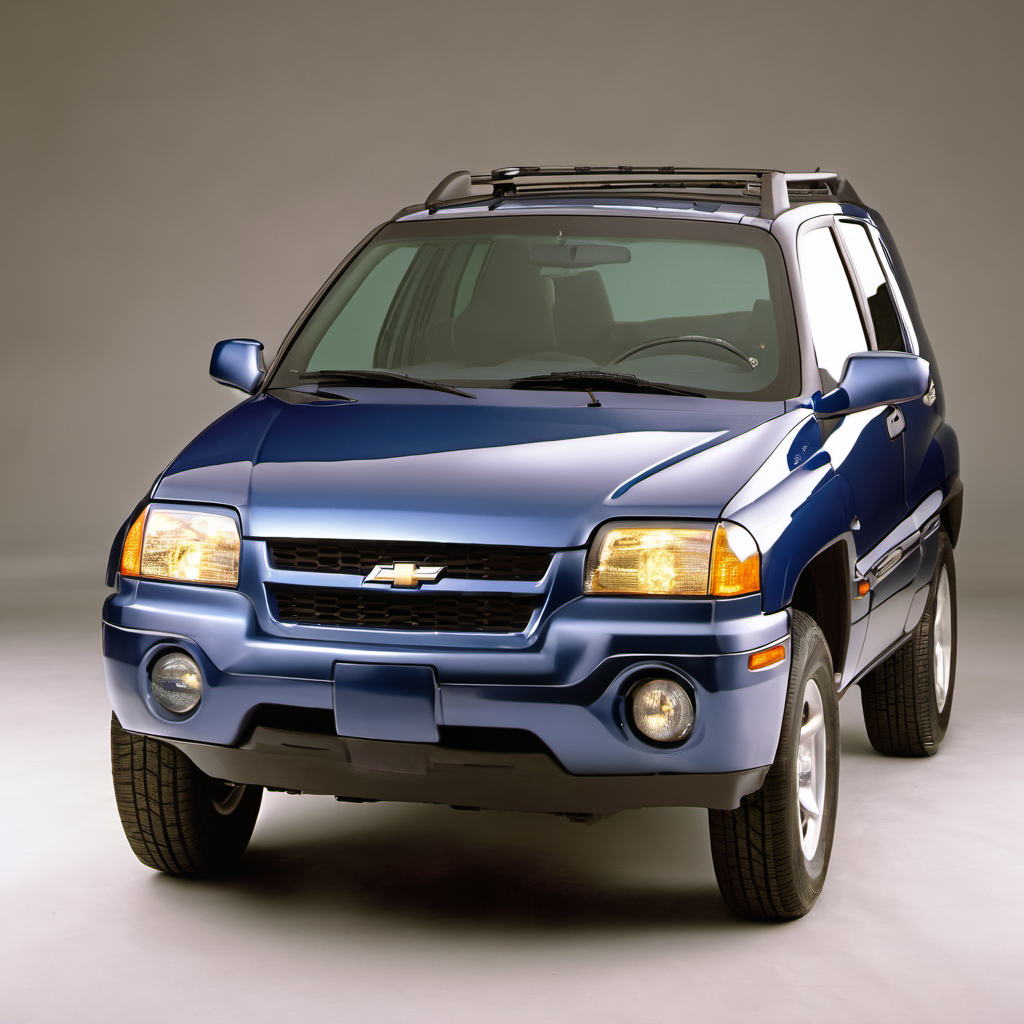
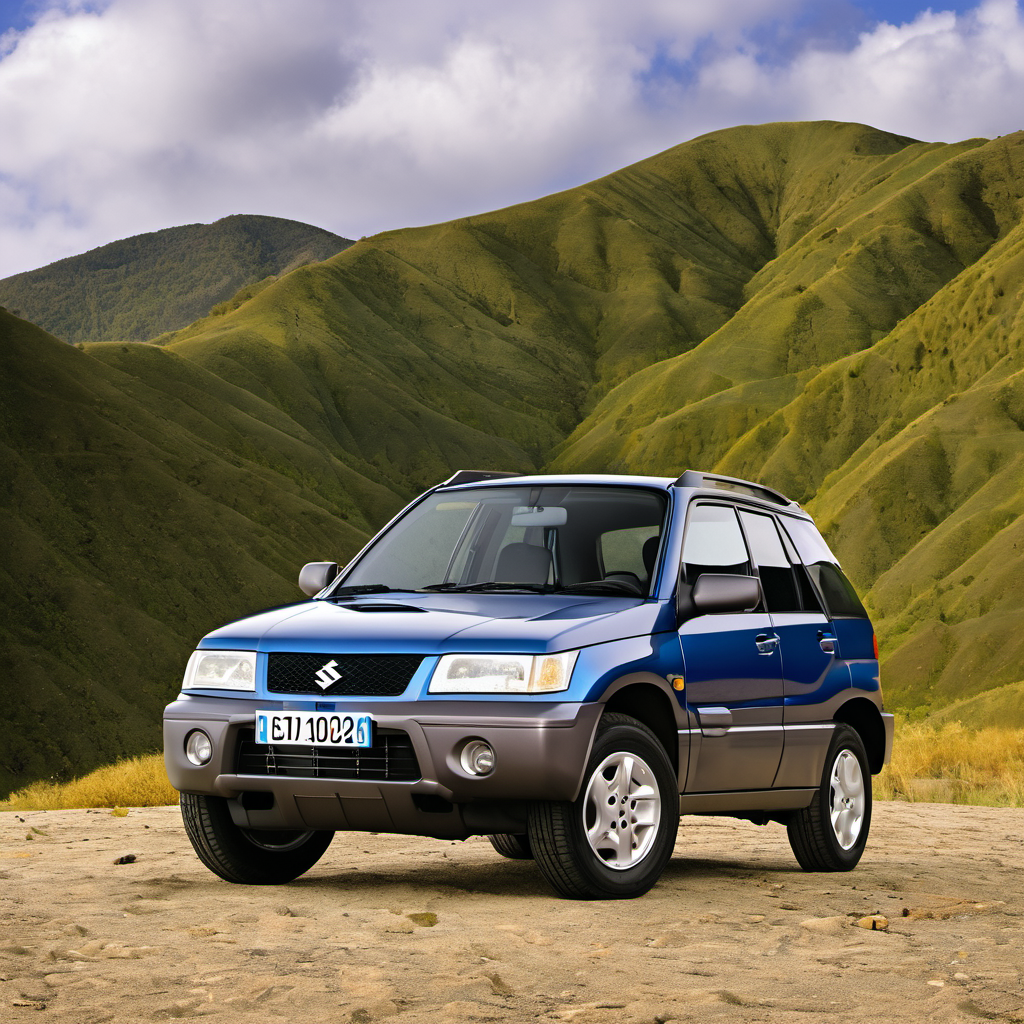
2002 Chevrolet Tracker SUV

2002 Chevrolet

TrackerSUV

SUV

The 2002 Chevrolet Tracker is a compact SUV built on a body-on-frame platform shared with the Suzuki Vitara — a partnership between GM and Suzuki that ran through the mid-2000s. It's a small, relatively lightweight rig that prioritized simplicity and affordability over capability or refinement. By 2002 the Tracker had grown into a more conventional shape with a standard 2.0L four-cylinder and available 4WD, but it never shed its economy-car roots. At 20+ years old, surviving Trackers are solidly in budget-buy territory. Parts availability is adequate but thinning, and a lot of repair knowledge comes from the Suzuki Vitara side of the house — they share most mechanical components. The Tracker was never a powerhouse, but owners who keep up with basic maintenance typically find it dependable for light-duty daily driving and occasional trail work. In Wisconsin, the Tracker's lightweight body and relatively modest ground clearance mean winter driving requires some attention. Rust is the #1 killer of these trucks in the upper Midwest — frame rails, rockers, and floor pans are all known problem spots on 20-year-old examples.

Reliability
3/5
Verified data
Specs shown for Tracker 2WD Convertible — the most common configuration. Other trims may vary in engine, drivetrain, or fuel economy. Sign in to see your vehicle's exact specs.
Engine
[object Object]
Drivetrain
RWD
Fuel
Gasoline
MPG
20 city / 24 hwy / 22 combined
Seats
Doors
Body
Sport Utility Vehicle - 2WD

Overview

AI-curated

The 2002 Chevrolet Tracker is a compact SUV built on a body-on-frame platform shared with the Suzuki Vitara — a partnership between GM and Suzuki that ran through the mid-2000s. It's a small, relatively lightweight rig that prioritized simplicity and affordability over capability or refinement. By 2002 the Tracker had grown into a more conventional shape with a standard 2.0L four-cylinder and available 4WD, but it never shed its economy-car roots. At 20+ years old, surviving Trackers are solidly in budget-buy territory. Parts availability is adequate but thinning, and a lot of repair knowledge comes from the Suzuki Vitara side of the house — they share most mechanical components. The Tracker was never a powerhouse, but owners who keep up with basic maintenance typically find it dependable for light-duty daily driving and occasional trail work. In Wisconsin, the Tracker's lightweight body and relatively modest ground clearance mean winter driving requires some attention. Rust is the #1 killer of these trucks in the upper Midwest — frame rails, rockers, and floor pans are all known problem spots on 20-year-old examples.

Known for
  • Suzuki-derived mechanicals that are straightforward to work on
  • Compact, maneuverable footprint
  • Simple, no-frills interior that's easy to clean and repair
  • Low purchase price and modest insurance costs
  • Available part-time 4WD on most trims
Best for
  • Budget-conscious buyers who need a small SUV for light daily use
  • Owners comfortable doing their own basic maintenance
  • Light trail or gravel road use — not serious off-road
  • Urban/suburban drivers who want something easy to park
Watch for
  • Heavy rust on frame, rockers, and floor pans — especially on Wisconsin/salt-belt examples
  • Aging 4WD transfer case and front axle components that may have been neglected
  • Thin parts availability for some Tracker-specific trim and body pieces
  • Suspension and steering wear common at higher mileage
  • Soft-top models (if applicable) with deteriorated seals and zippers

Common issues by mileage

6 known

Rust — frame rails, rocker panels, and floor pans

high
Typically appears
Any mileage on salt-belt vehicles
Estimated repair
$500 – $4,000

Oxygen sensor failure (upstream/downstream)

high
Typically appears
80–150k mi
Estimated repair
$150 – $350

4WD transfer case actuator or engagement issues

medium
Typically appears
60–120k mi
Estimated repair
$200 – $700

Cooling system deterioration (thermostat, hoses, water pump)

medium
Typically appears
80–140k mi
Estimated repair
$150 – $550

Suspension ball joints and bushings worn

high
Typically appears
70–130k mi
Estimated repair
$200 – $600

Timing belt service overdue (interference engine — failure causes engine damage)

medium
Typically appears
60–100k mi
Estimated repair
$300 – $700

Maintenance schedule

  1. 1
    Every 60,000 miles or 5 years — do not skip Timing belt replacement

    The 2.0L is an interference engine. A snapped timing belt will bend valves and cause major engine damage. On a 20-year-old Tracker, confirm this has been done and replace water pump at the same time.

  2. 2
    Every 5,000 miles or 6 months Engine oil and filter change

    Older engines with unknown service histories benefit from more frequent changes. Use the manufacturer-specified viscosity; in Wisconsin winters, ensure the oil is rated for cold-start temps.

  3. 3
    Every 2 years or 30,000 miles Coolant flush

    Original coolant on a 2002 model is long past service life. Degraded coolant accelerates corrosion inside the cooling system and leads to thermostat and water pump failure.

  4. 4
    Every 2–3 years Brake fluid flush

    Brake fluid absorbs moisture over time, lowering boiling point and causing internal corrosion in calipers and wheel cylinders — especially important before Wisconsin winters.

  5. 5
    Every 30,000 miles or if 4WD engagement is rough/delayed 4WD system inspection and fluid service (transfer case and front differential)

    Neglected transfer case fluid turns to sludge and accelerates wear on the chain and gears. On a vehicle this age, assume it needs attention if history is unknown.

  6. 6
    Every fall before winter season Undercarriage rust inspection and treatment

    Salt-belt vehicles rust from the bottom up. Annual inspection of frame rails, rockers, and brake lines can catch problems before they become structural or safety issues.

  7. 7
    Every 30,000 miles Spark plugs and ignition wires

    Worn plugs and cracked wires cause misfires, poor fuel economy, and hard cold starts — the last thing you want on a -10°F Wisconsin morning.

  8. 8
    Annually Brake line inspection

    Steel brake lines on 20+ year-old upper Midwest vehicles are prime candidates for rust-through. A failed brake line is a serious safety hazard. Inspect for external corrosion and soft spots every year.

Always defer to the manufacturer's service manual for warranty-mandated intervals.

Cost of ownership

Annual maintenance
$600 – $1,500
Fuel
At 22 mpg combined and typical driving of ~12,000 miles/year, expect to spend roughly $1,400–$1,700/year on fuel at current Wisconsin pump prices.
Insurance
Insurance is typically low — compact SUVs of this age and value average $700–$1,100/year for full coverage in Wisconsin, less for liability only.

The Tracker is cheap to buy and modest to insure, but a 20+ year-old example in the salt belt can surprise you with rust and deferred maintenance bills. Budget an extra $500–$1,500 upfront for a thorough inspection and any catch-up maintenance. If the big-ticket items (timing belt, coolant, 4WD fluids) are current, ongoing annual costs are reasonable for the class.
Seasonal care

Lake Geneva, WI
Winter
  • Undercarriage wash every 1–2 weeks when roads are salted — the Tracker's body-on-frame design has many rust traps that salt brine accumulates in
  • Switch to a cold-weather washer fluid rated to at least -20°F; the reservoir on these is small so top it off frequently
  • Test the battery before November — cold-cranking demand on a 2.0L four-cylinder is real, and a marginal battery will fail at the worst time
  • Inspect and replace wiper blades with winter-rated blades before first snowfall; the Tracker's windshield rake makes icing a nuisance
  • Confirm 4WD engages and disengages cleanly before you need it — don't discover a stuck actuator during the first ice storm
  • Check brake lines and hoses for rust and cracking before winter; these are safety-critical and suffer most from freeze-thaw cycles
Summer
  • Check tire pressure monthly — summer heat causes pressure to rise, and the Tracker's small tires are sensitive to over-inflation affecting handling
  • Inspect the A/C system — refrigerant leaks are common on vehicles this age; a recharge without fixing the leak is a short-term fix only
  • Watch the temperature gauge closely on hot days; a 20-year-old cooling system under load can overheat quickly if the thermostat or coolant is marginal
  • Inspect rubber CV boots and suspension bushings after winter — summer is the right time to address anything the cold season revealed

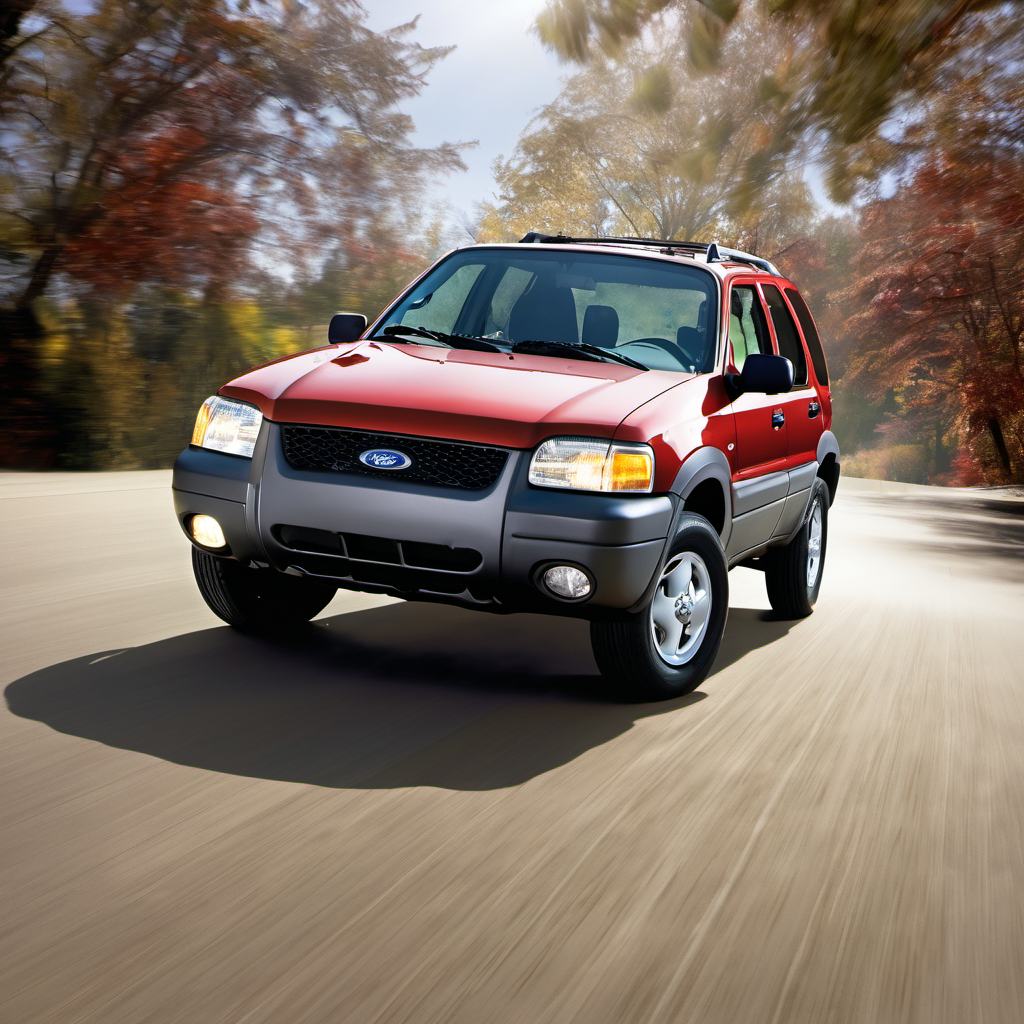
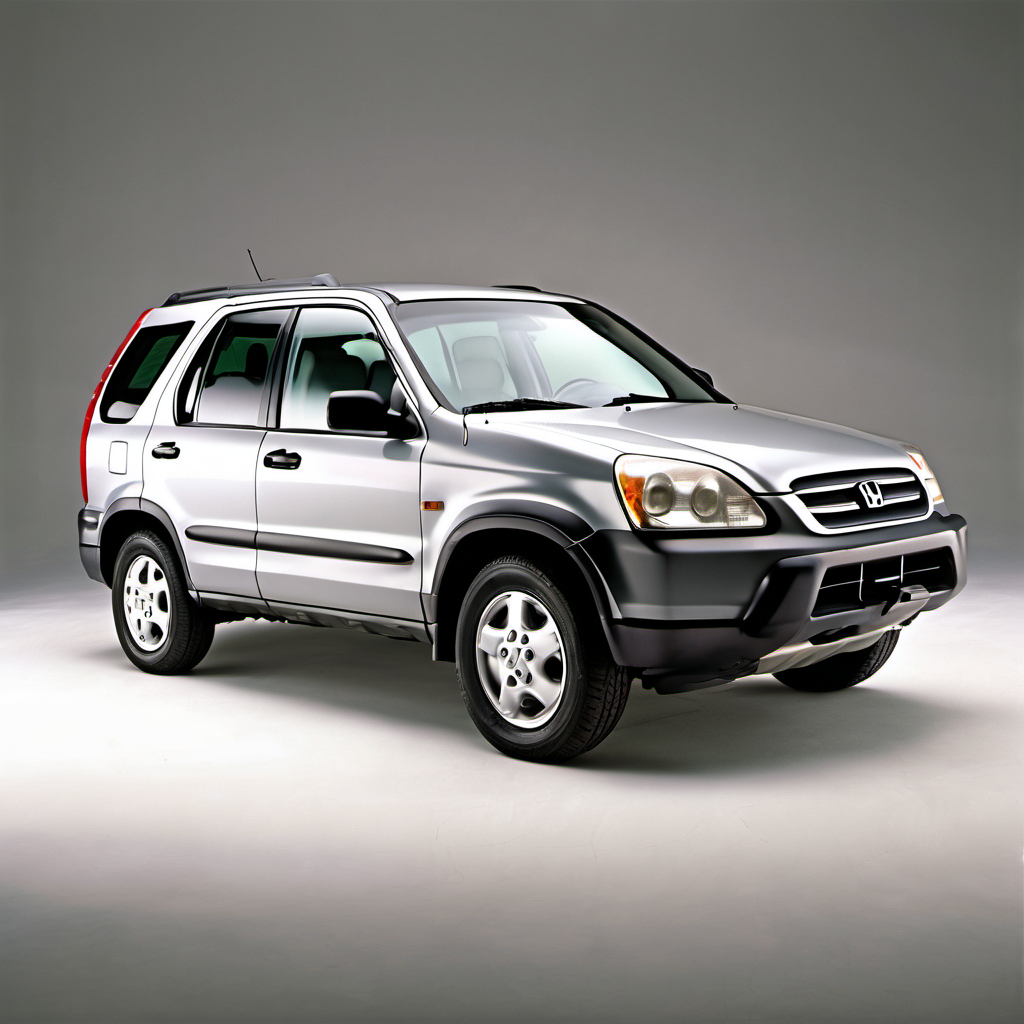
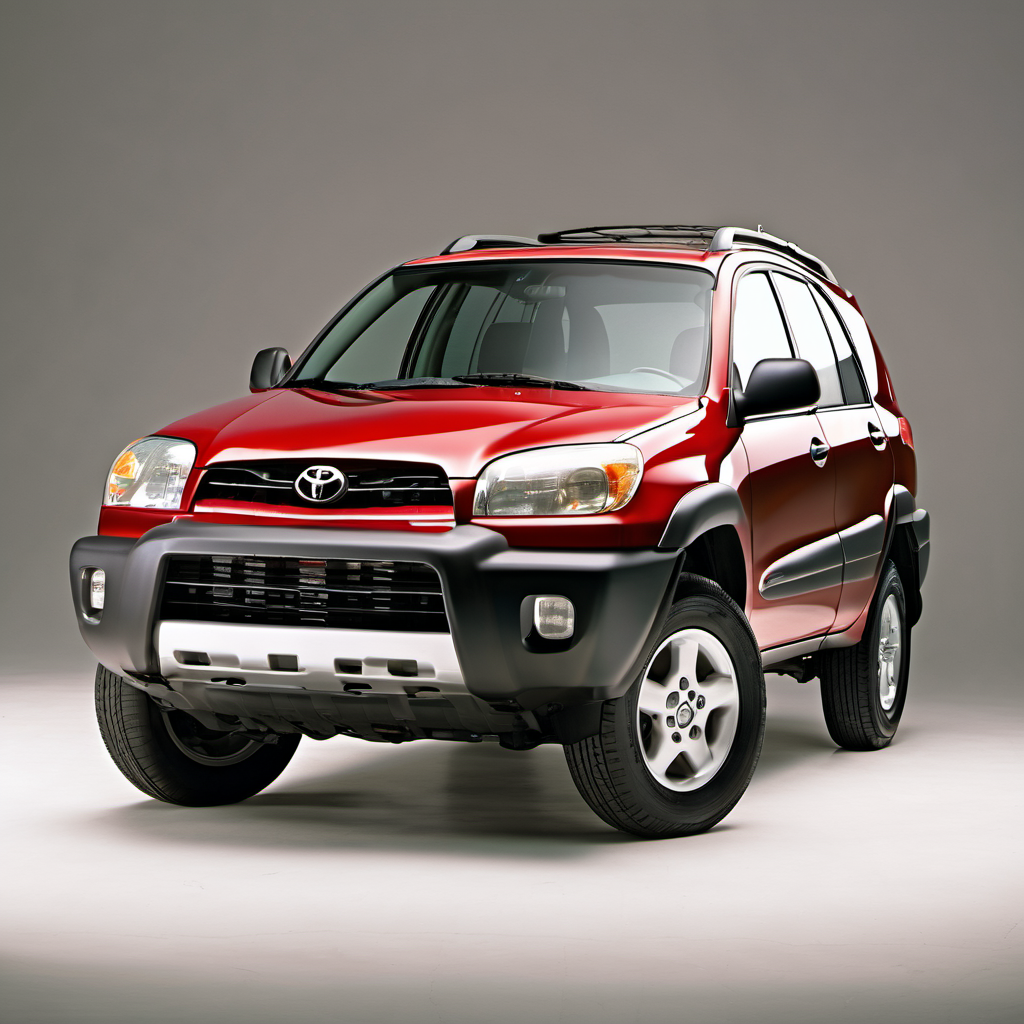
Comparable vehicles

If you're shopping for one

Red flags
  • Any soft or spongy spots in the floor — poke at the carpet and feel for rust-through in the floor pans
  • Frame rails that are flaking, pitting, or have visible holes — walk away from any example with structurally compromised frame rails
  • No record of timing belt replacement — if the seller can't prove it was done, assume it wasn't and price that $300–$700 job into your offer
  • 4WD that won't engage, slips, or makes grinding noises — transfer case and front axle repairs on a low-value vehicle can exceed the truck's worth
  • Overheating or coolant in the oil (creamy residue on dipstick) — sign of a blown head gasket on a vehicle not worth a major engine repair
  • Rust bubbling around the rocker panels or wheel arches — what's visible on the surface is usually worse underneath
What to inspect
  • Crawl underneath and inspect the full length of the frame rails and crossmembers for rust depth
  • Check all four brake lines from the master cylinder to each corner — look for external corrosion and soft rubber sections
  • Operate 4WD in 2H, 4H, and 4L — confirm smooth engagement and no warning lights or binding
  • Pull the dipstick and radiator cap (cold engine) and look for milky oil or oily coolant — head gasket check
  • Inspect timing belt cover area for oil leaks and ask for service records proving belt replacement
  • Check all four tire sidewalls and tread for cracking, cupping, or uneven wear — signs of suspension or alignment problems
  • Operate the A/C and heater fully — these are often deferred maintenance items on budget vehicles
AI profile generated 16 days ago · claude-sonnet-4-6 · v2.