IMS (Intermediate Shaft) Bearing Failure
medium- Typically appears
- 60–120k mi
- Estimated repair
- $2,500 – $12,000
2001 Porsche
Coupe
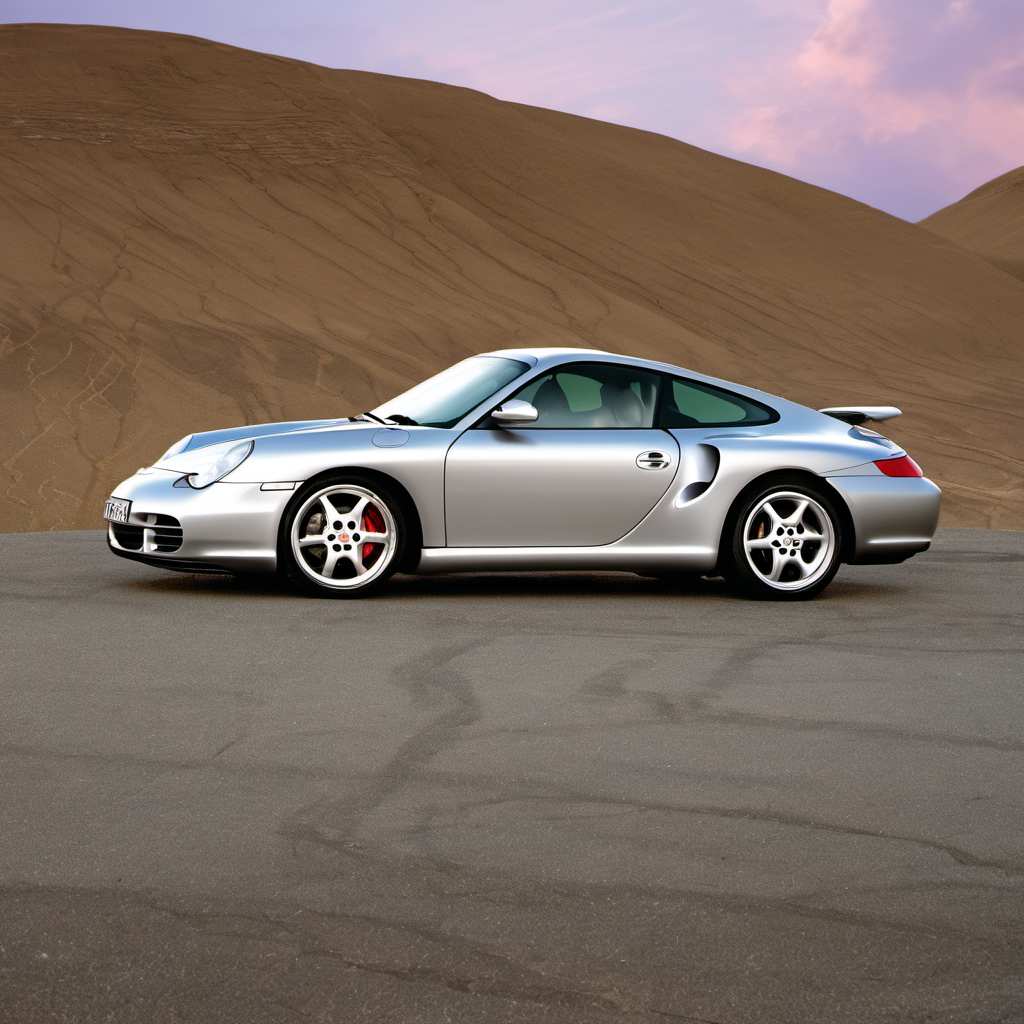
The 2001 Porsche 911 (996 generation, internal code 996.2) is the water-cooled successor to the legendary air-cooled 911 lineage. Powered by a 3.4L flat-six producing 300 hp in Carrera trim, it delivers genuine sports-car performance with a rear-engine, rear-wheel-drive layout that rewards skilled drivers. The 996 was a controversial departure when new — purists objected to water cooling and the shared headlight design with the Boxster — but time has softened those opinions and the market has recognized its value as an accessible entry point into 911 ownership. The 996 generation (1999–2004) is the most affordable path into a 'real' 911, but that affordability comes with significant caveats. The engine carries well-documented weak points — most critically the intermediate shaft (IMS) bearing and the tendency for rear main seals to weep oil. Buyers who ignore these issues can face catastrophic engine failures; buyers who address them proactively own reliable, exciting machines. The 2001 model year received minor refinements over the initial 1999–2000 cars and is generally considered a slightly better bet than the first-year 996s. As a daily driver in a Wisconsin winter, the 911 Coupe is a challenging proposition. RWD, low ground clearance, and wide performance tires make it genuinely treacherous on snow and ice. Most owners in this climate store the car from November through April and budget accordingly. If you're looking for year-round transportation, this is not the car — but if you want a weekend/summer driver with world-class handling and an iconic nameplate, the 996 Carrera punches well above its used market price.
The 2001 Porsche 911 (996 generation, internal code 996.2) is the water-cooled successor to the legendary air-cooled 911 lineage. Powered by a 3.4L flat-six producing 300 hp in Carrera trim, it delivers genuine sports-car performance with a rear-engine, rear-wheel-drive layout that rewards skilled drivers. The 996 was a controversial departure when new — purists objected to water cooling and the shared headlight design with the Boxster — but time has softened those opinions and the market has recognized its value as an accessible entry point into 911 ownership. The 996 generation (1999–2004) is the most affordable path into a 'real' 911, but that affordability comes with significant caveats. The engine carries well-documented weak points — most critically the intermediate shaft (IMS) bearing and the tendency for rear main seals to weep oil. Buyers who ignore these issues can face catastrophic engine failures; buyers who address them proactively own reliable, exciting machines. The 2001 model year received minor refinements over the initial 1999–2000 cars and is generally considered a slightly better bet than the first-year 996s. As a daily driver in a Wisconsin winter, the 911 Coupe is a challenging proposition. RWD, low ground clearance, and wide performance tires make it genuinely treacherous on snow and ice. Most owners in this climate store the car from November through April and budget accordingly. If you're looking for year-round transportation, this is not the car — but if you want a weekend/summer driver with world-class handling and an iconic nameplate, the 996 Carrera punches well above its used market price.
Clean oil is the single most important factor in IMS bearing longevity. The 996 flat-six runs hot and degrades oil faster than many cars. Do not stretch intervals.
The OEM IMS bearing is a known failure point. Replacement with an upgraded unit is best done when the transmission is already out, sharing labor cost. Confirm with service records before purchasing.
Original plastic coolant fittings and pipes become brittle with age. A sudden coolant loss can cause overheating severe enough to damage the engine. Replace any original plastic fittings with aluminum equivalents when coolant is serviced.
Water pump failure is common on 996s and can cause rapid overheating. Do not defer if the pump is original and near or past 60k miles.
The 996 uses individual coil-on-plug units. Coil failures cause misfires and, if ignored, can foul the flat-six's tight cylinder tolerances. Inspect coils when plugs are changed.
Porsche specifies a 2-year brake fluid interval because the high-performance braking system is sensitive to moisture-absorbed fluid. Wisconsin driving with extreme temperature swings accelerates moisture intrusion.
The 911's rear-engine weight bias is managed in part by the recommended staggered tire setup. Under-inflation or uneven wear significantly affects handling balance and can make RWD oversteer unpredictable.
For Wisconsin owners who store the car seasonally: change oil before storage (acids in used oil corrode bearings over winter), use a battery tender, apply paint protection or a quality cover, and inspect brake rotors for surface rust corrosion in spring.
Always defer to the manufacturer's service manual for warranty-mandated intervals.
The 996 is deceptively affordable to buy but carries real ownership cost. Routine maintenance at an independent shop that knows air-cooled and water-cooled Porsches runs $1,800–$4,500/year in a normal year. A clutch job (which is the ideal time to do the IMS retrofit and RMS simultaneously) can run $3,000–$6,000 all-in at a good independent. Budget a $2,000–$3,000 'catch-up' fund at purchase if maintenance history is incomplete. Owners who stay on top of the known wear items can hold total costs reasonable; owners who defer find bills arriving in large lump sums.
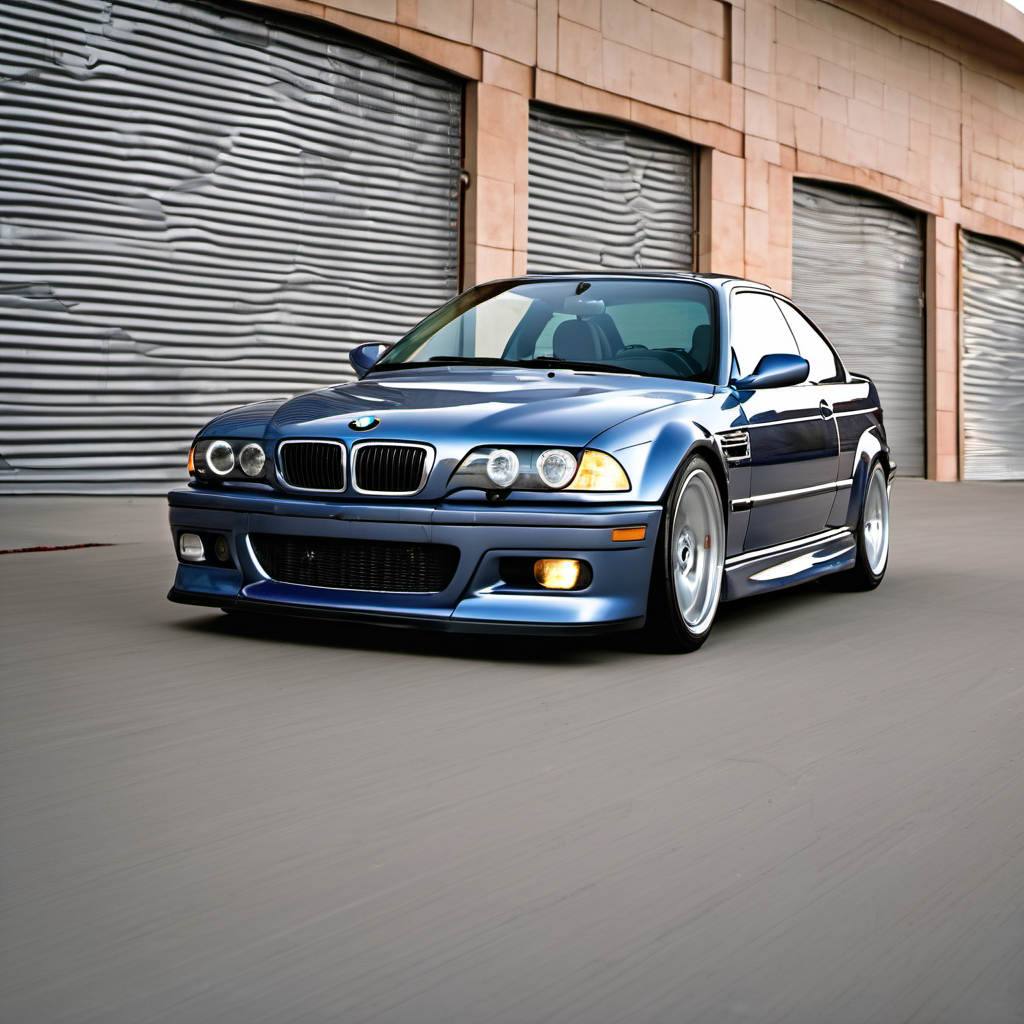
E46 M3 is the other benchmark sports coupe of this era — RWD, inline-six, similar used market price, comparable driving excitement. Arguably more practical as a year-round car but carries its own (rod bearing) failure modes.
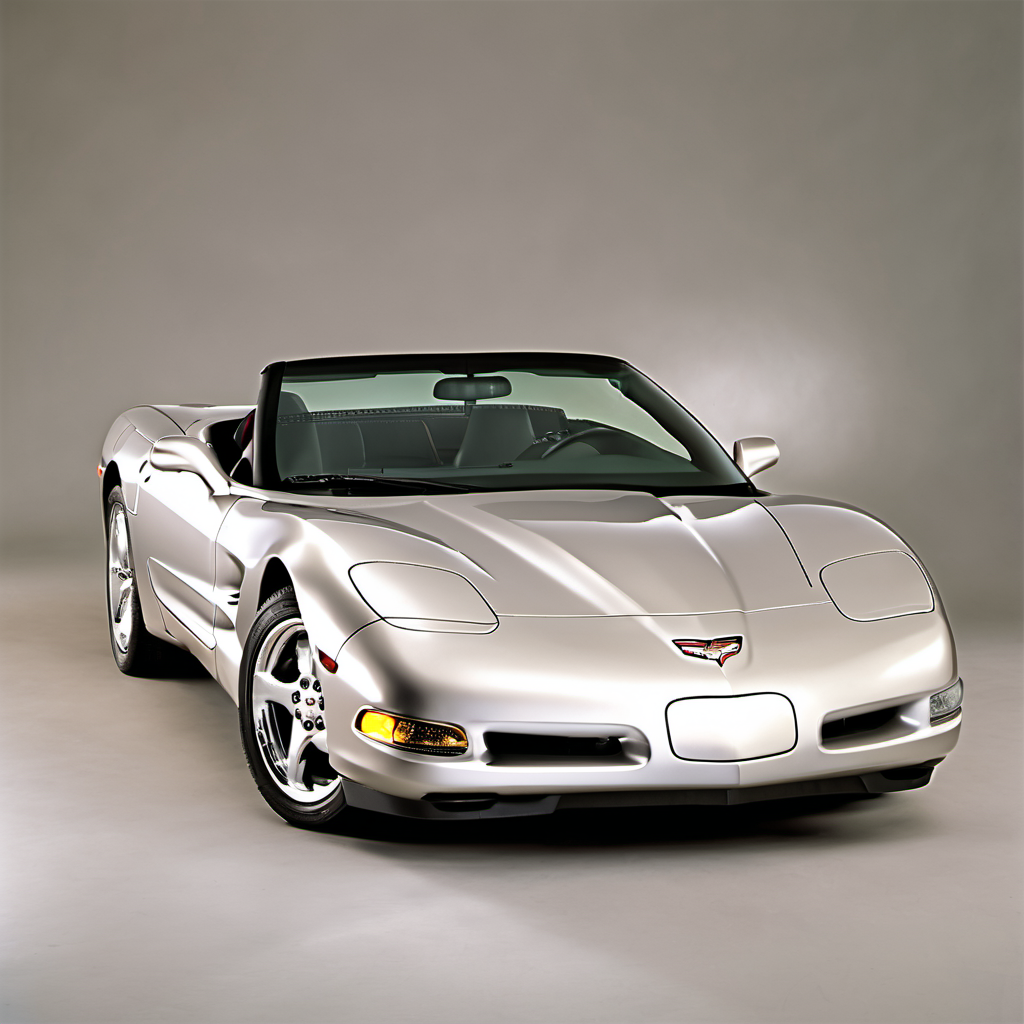
LS1-powered C5 Corvette offers comparable or superior performance at significantly lower ownership cost. More forgiving to maintain, better parts availability, less intimidating repair bills. A practical alternative for pure performance-per-dollar buyers.
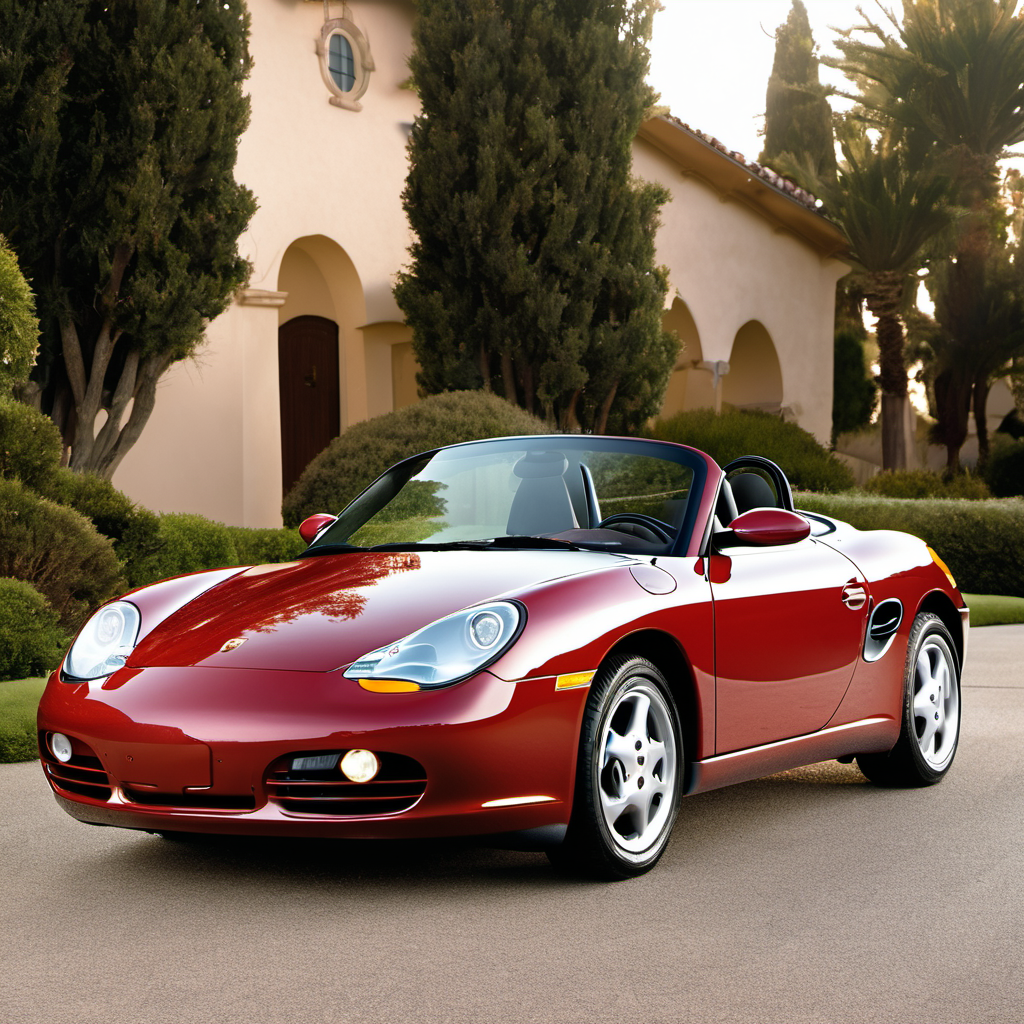
The 986 Boxster shares the 996's engine architecture (including IMS risk) but costs less to buy and insure. Mid-engine layout improves handling balance. Worth considering if the 911's premium over the Boxster isn't justified by your use case.
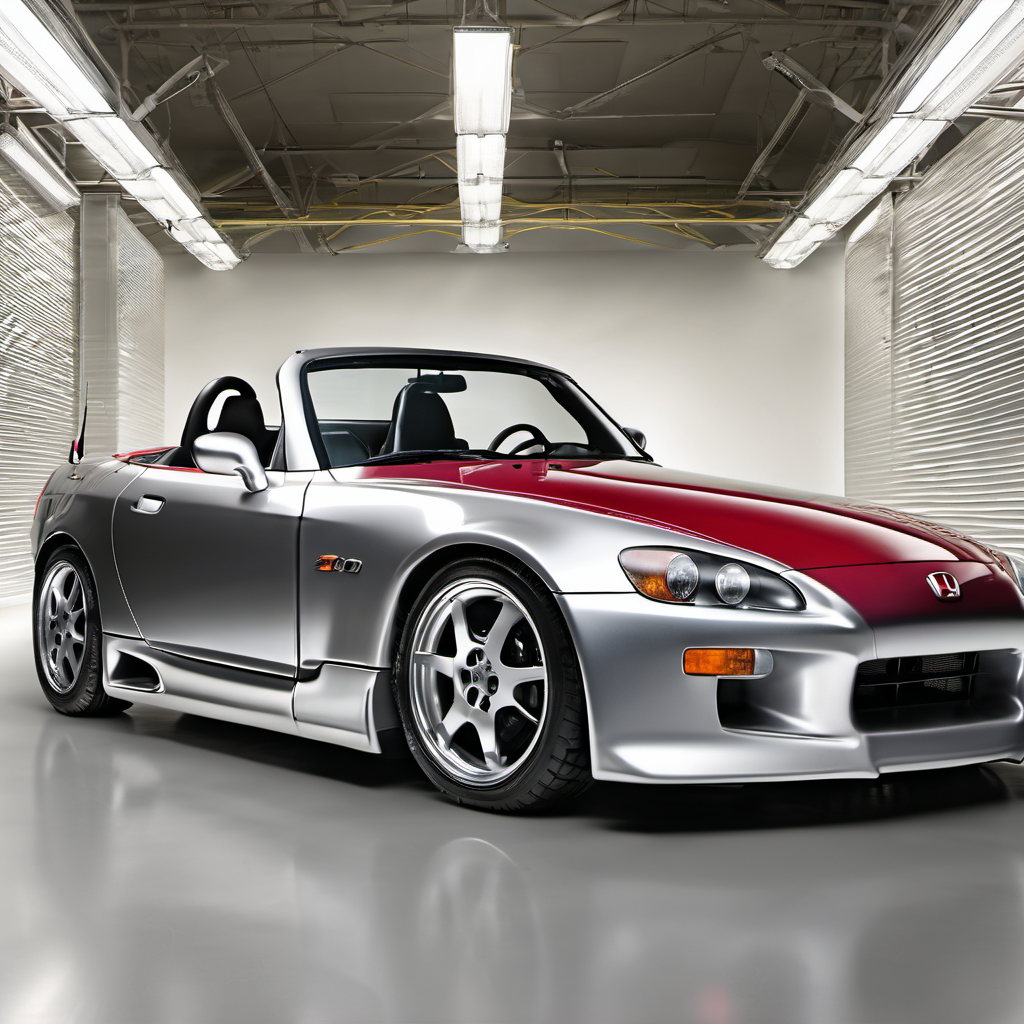
At a fraction of the price, the S2000 delivers a pure, high-revving roadster experience with Honda reliability and dramatically lower maintenance costs. Different character entirely, but a serious consideration for the budget-conscious enthusiast.