IMS Bearing Failure
medium- Typically appears
- 60–150k mi
- Estimated repair
- $2,500 – $6,000
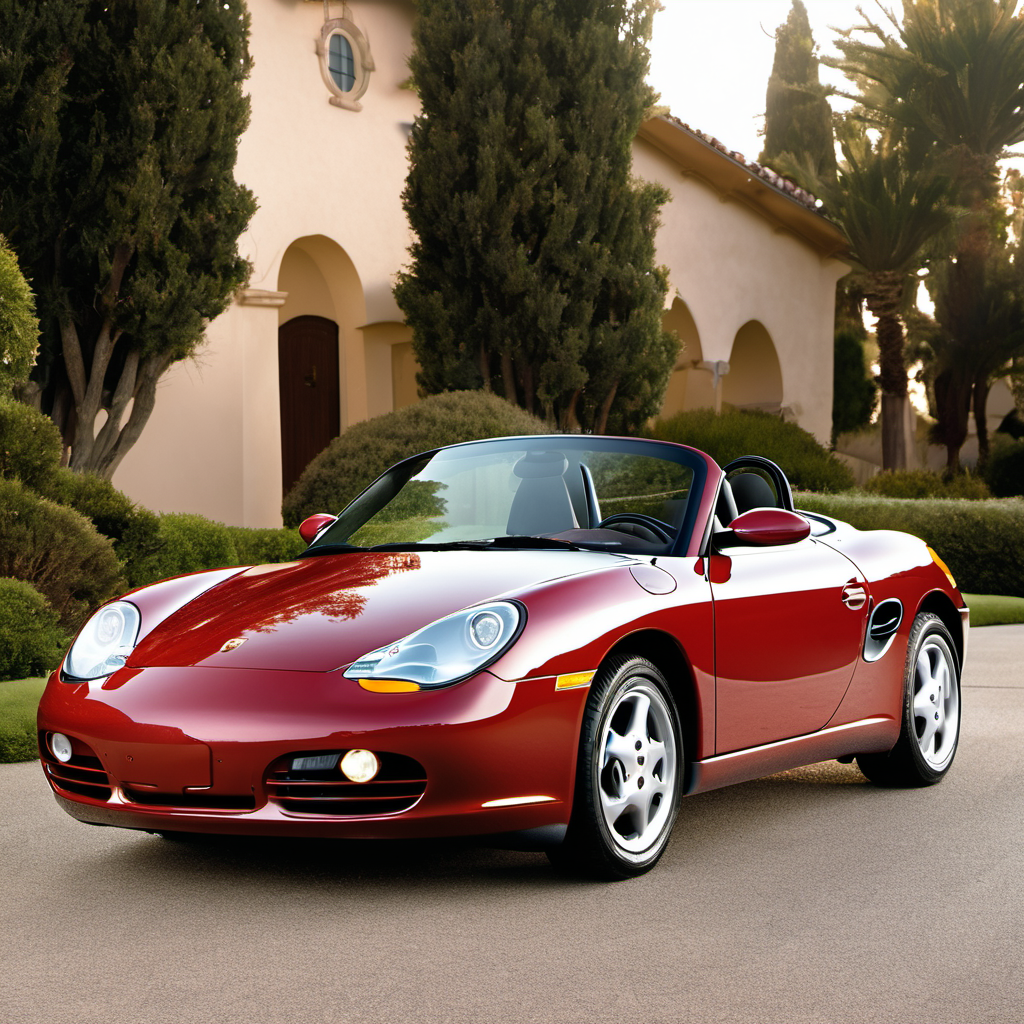
2001 Porsche
Convertible
The 2001 Porsche Boxster is a mid-engine, rear-wheel-drive two-seat roadster built on the 986-generation platform (1997–2004). It shares its basic architecture — and notably its engine — with the 996-series 911, which is both a compliment and a caution. The base model carries a 2.7L flat-six mounted just behind the cabin, delivering a near-perfect 50/50 weight balance and one of the most rewarding driving experiences available at its price point. By 2001, Porsche had addressed most of the early 986's teething problems, but the IMS (intermediate shaft) bearing concern inherited from the shared M96 engine remained. This is the single most important mechanical fact any prospective buyer needs to understand. With proper care, a well-maintained Boxster can be an extremely satisfying sports car — just not a low-cost one to run. In the Lake Geneva area, this car is best treated as a three-season driver. Salt and sub-zero temperatures are hard on the convertible top seals, underbody, and battery. Most owners store them over winter, which is the right call.
The 2001 Porsche Boxster is a mid-engine, rear-wheel-drive two-seat roadster built on the 986-generation platform (1997–2004). It shares its basic architecture — and notably its engine — with the 996-series 911, which is both a compliment and a caution. The base model carries a 2.7L flat-six mounted just behind the cabin, delivering a near-perfect 50/50 weight balance and one of the most rewarding driving experiences available at its price point. By 2001, Porsche had addressed most of the early 986's teething problems, but the IMS (intermediate shaft) bearing concern inherited from the shared M96 engine remained. This is the single most important mechanical fact any prospective buyer needs to understand. With proper care, a well-maintained Boxster can be an extremely satisfying sports car — just not a low-cost one to run. In the Lake Geneva area, this car is best treated as a three-season driver. Salt and sub-zero temperatures are hard on the convertible top seals, underbody, and battery. Most owners store them over winter, which is the right call.
The M96 engine's IMS bearing is lubricated by engine oil. Fresh, clean oil at short intervals is the single best thing you can do to extend bearing life. Do not stretch to Porsche's old 15k-mile factory interval on a used engine.
This is the most important preventive job on the car. Since the transmission must come out to access it, doing both at the same time saves significant labor cost. Single-row IMS bearings (pre-2000) are higher risk than the later dual-row design used in 2001.
The plastic coolant pipes and crossover tube beneath the engine become brittle with age. A sudden failure will overheat the engine quickly. Replace if any signs of seepage or cracking are found.
The flat-six is tucked tightly in the mid-engine bay; plug access is labor-intensive. Staying on schedule avoids misfires and coil stress.
Leaking top seals allow water intrusion into the cabin, which can damage the interior and corrode floor wiring. Inspect the hydraulic reservoir level and look for any weeping at the rams.
Porsche recommends this due to the hygroscopic nature of DOT fluid. On a performance car driven hard, degraded brake fluid raises the risk of vapor lock under repeated heavy stops.
The Boxster runs staggered front/rear tire sizes (205/55 front, 225/50 rear on base 2001); tires cannot be crossed side-to-side but should be checked for even wear. Low-profile tires are particularly susceptible to pothole damage on Wisconsin roads.
If the car sits over a Wisconsin winter, a battery tender is essential. A weak battery that sits discharged will sulfate and fail early, and Porsche's electrical system does not tolerate voltage drops well.
Always defer to the manufacturer's service manual for warranty-mandated intervals.
A well-maintained Boxster can be cost-effective compared to newer sports cars, but it is never cheap. Routine annual costs (oil, brakes, tires, fluids) run $1,200–$2,000 in normal years. Budget an additional $1,500–$3,500 in any year that a major preventive job (IMS bearing, RMS seal, coolant pipes) comes due. Deferring those jobs to save money is a false economy — the repair bill after an engine failure starts at $8,000.
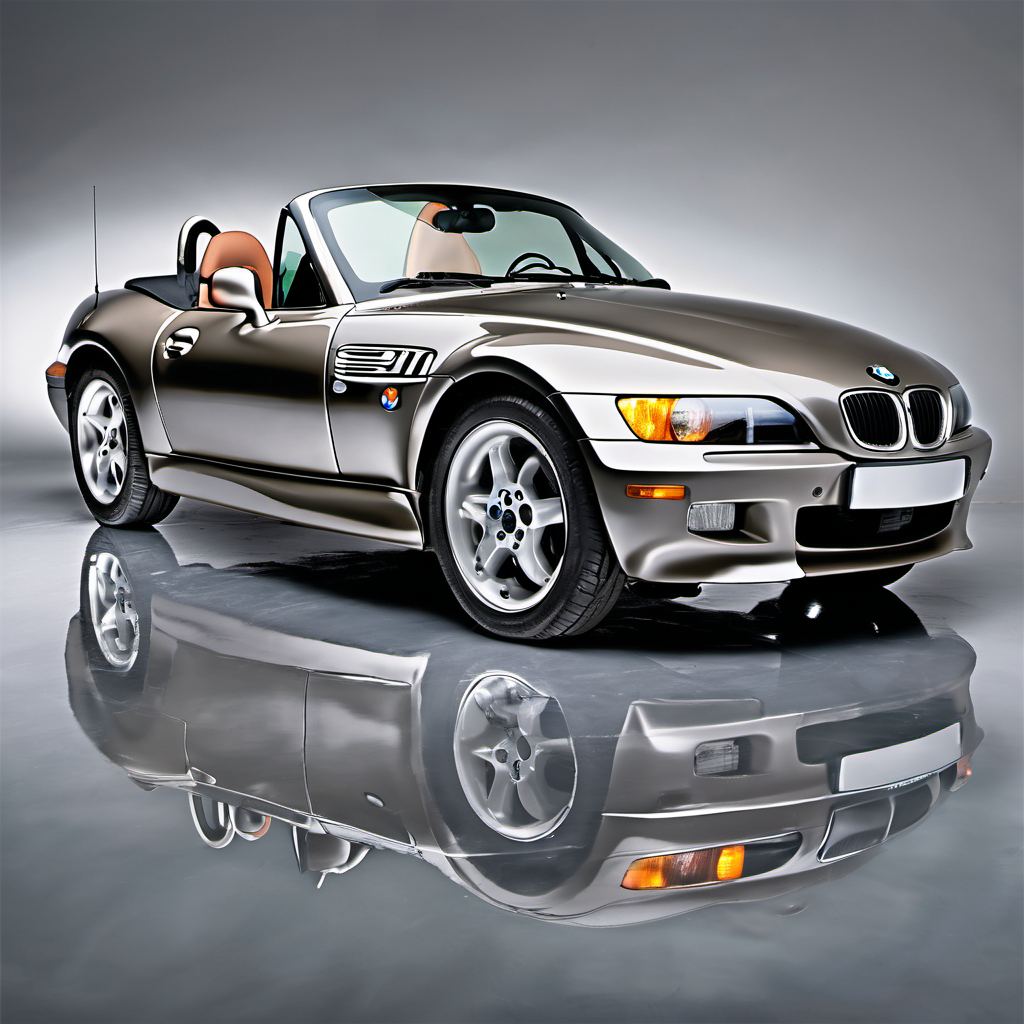
Two-seat RWD roadster in the same segment and price range. Less exotic, cheaper to maintain, but less engaging dynamically. Good alternative for buyers who want the roadster experience with lower ownership risk.
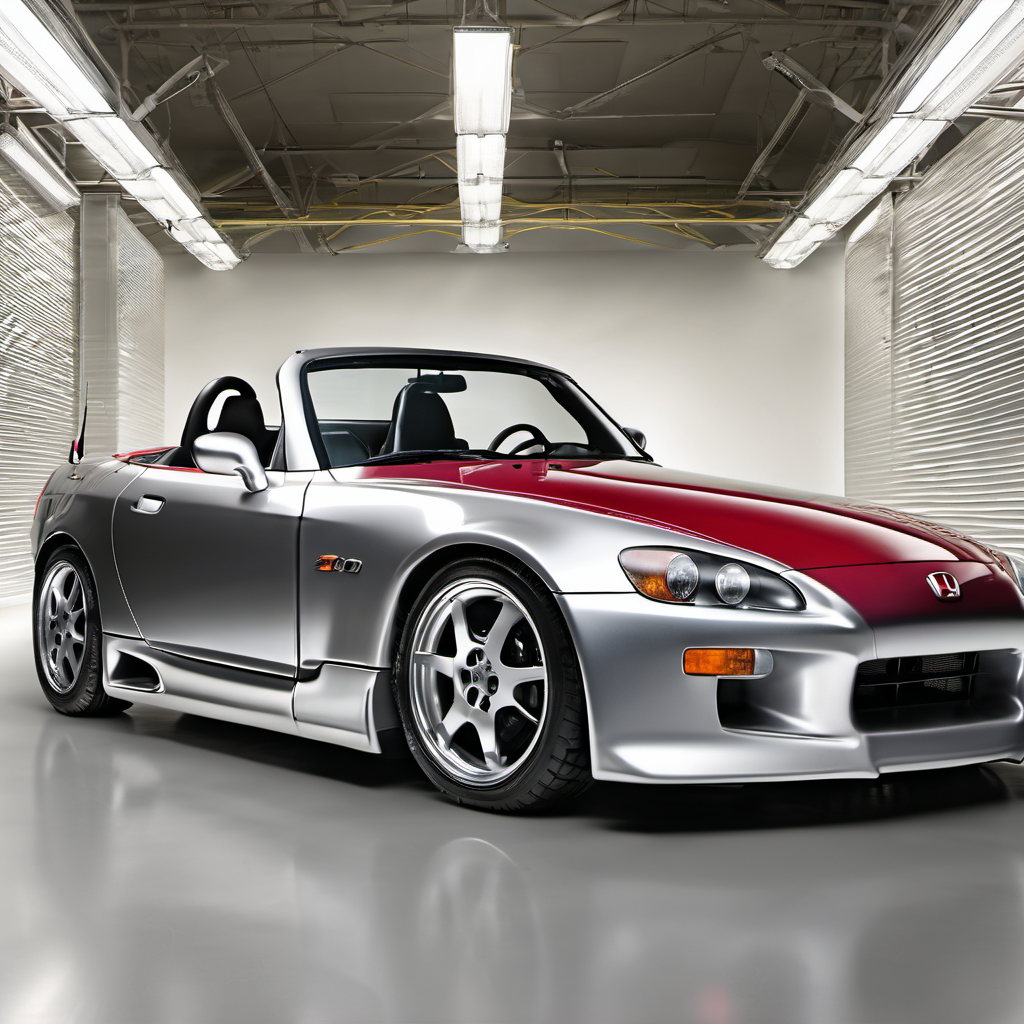
Two-seat RWD roadster with a high-revving naturally aspirated engine. Far more reliable and cheaper to maintain than the Boxster, with comparable driving excitement. Harder to find in clean condition.
Premium two-seat roadster with a folding hardtop instead of a soft top — a meaningful advantage in Wisconsin weather. More GT-oriented than sporty, with lower maintenance risk than the Boxster.
No catalog match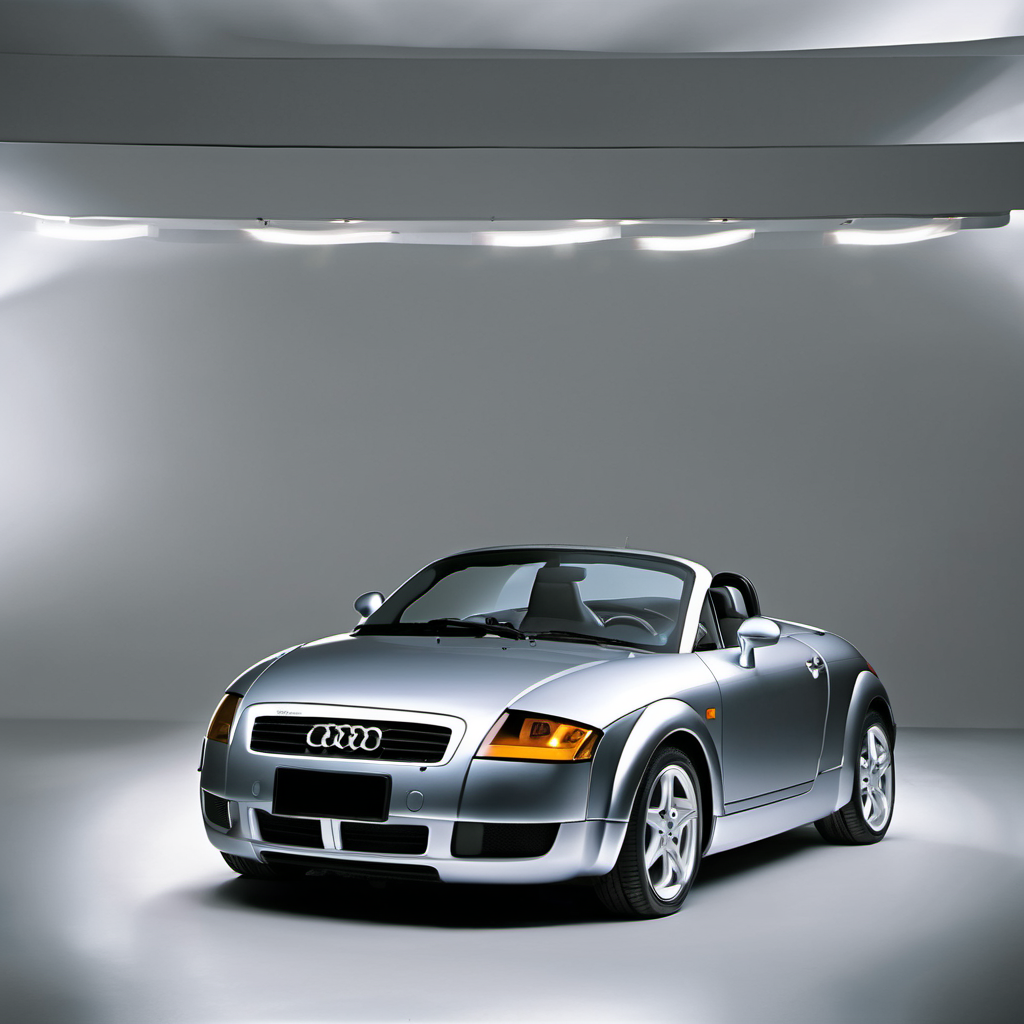
AWD available on the TT makes it a more practical choice for someone who won't store it in winter. Less rear-biased than the Boxster dynamically, but a well-sorted driver's car with stronger all-season capability.