Air Suspension Strut and Compressor Failure
high- Typically appears
- 80–150k mi
- Estimated repair
- $1,200 – $3,500
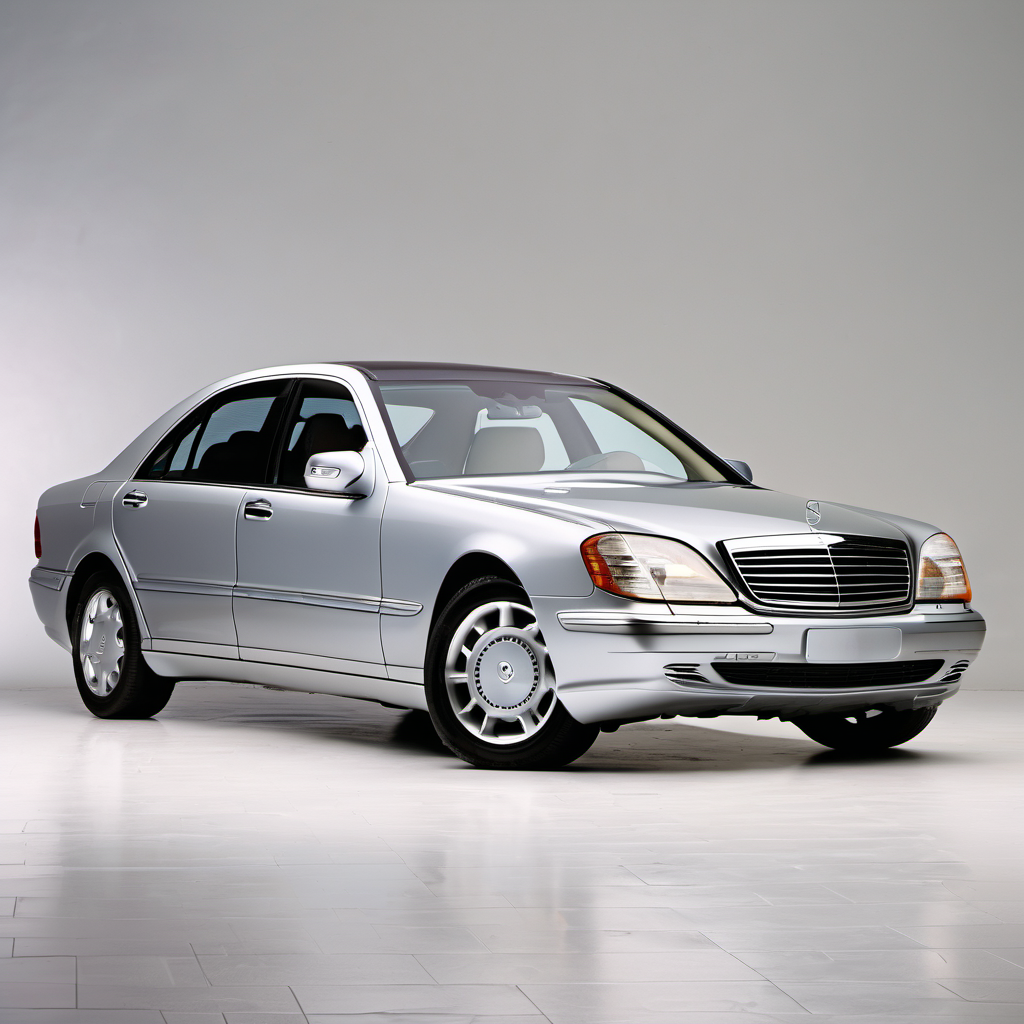
2001 Mercedes-Benz
Sedan
The 2001 Mercedes-Benz S-Class (W220 chassis) is the flagship luxury sedan of its era, offering a genuinely impressive ride quality, a long list of advanced electronics, and a powerful 4.3L V8. When it was new, it represented the pinnacle of German engineering — adaptive air suspension, active body control on some trims, and a cabin that felt a generation ahead of most competitors. Here's the honest part: the W220 S-Class has aged into one of the most maintenance-intensive used cars you can buy. The sophisticated systems that made it special in 2001 — air suspension, ABC hydraulics, complex electronics — are now old, expensive to repair, and frequently failing. This is not a car you buy cheap and maintain cheaply. For someone who genuinely enjoys the car, budgets for proper upkeep, and uses a knowledgeable independent shop, the W220 can still be a rewarding driver. But it demands respect and money in equal measure. Go in with open eyes.
The 2001 Mercedes-Benz S-Class (W220 chassis) is the flagship luxury sedan of its era, offering a genuinely impressive ride quality, a long list of advanced electronics, and a powerful 4.3L V8. When it was new, it represented the pinnacle of German engineering — adaptive air suspension, active body control on some trims, and a cabin that felt a generation ahead of most competitors. Here's the honest part: the W220 S-Class has aged into one of the most maintenance-intensive used cars you can buy. The sophisticated systems that made it special in 2001 — air suspension, ABC hydraulics, complex electronics — are now old, expensive to repair, and frequently failing. This is not a car you buy cheap and maintain cheaply. For someone who genuinely enjoys the car, budgets for proper upkeep, and uses a knowledgeable independent shop, the W220 can still be a rewarding driver. But it demands respect and money in equal measure. Go in with open eyes.
The M113 V8 is tolerant of extended intervals when new; at 20+ years old, more frequent changes reduce sludge risk and catch early wear metal in the oil.
Strut bladders and compressor diaphragms degrade with age regardless of mileage. Catching a slow leak early saves the compressor (a $400–$800 part) from burning out.
The 5G-Tronic is durable but suffers valve body wear when fluid breaks down. An independent shop service at this interval significantly extends gearbox life.
The M113 runs a plastic-heavy cooling system. Old coolant turns acidic and accelerates plastic nipple and water pump seal failure — a common and avoidable repair.
Mercedes specifies this interval for good reason. On a car this old, moisture-saturated brake fluid raises corrosion risk in brake lines — already a concern on Wisconsin salt roads.
Lake Geneva road salt is hard on the W220's steel brake lines and suspension hardware. Catching rust early means a $300 brake line repair instead of a $1,500+ subframe surprise.
The M113 uses twin spark plugs per cylinder. Neglected plugs cause misfires that can set timing-related codes. Labor access is tight — factor in shop time accordingly.
The W220's electronics are extremely sensitive to low voltage. A weak battery causes a cascade of false module faults and communication errors that are expensive to diagnose without addressing the root cause first.
Always defer to the manufacturer's service manual for warranty-mandated intervals.
This car is cheap to buy and expensive to own. A clean W220 S430 might sell for $4,000–$8,000 on the used market, which makes the purchase price deceiving. Annual maintenance on a well-kept, high-mileage example routinely runs $2,000–$3,500 at a good independent shop. One air suspension failure or a module replacement can push that to $5,000+ in a single year. Parts availability is reasonable through European specialty suppliers, but labor hours on this car add up fast. It is not a budget car dressed in an old tuxedo — treat it like the flagship it was.
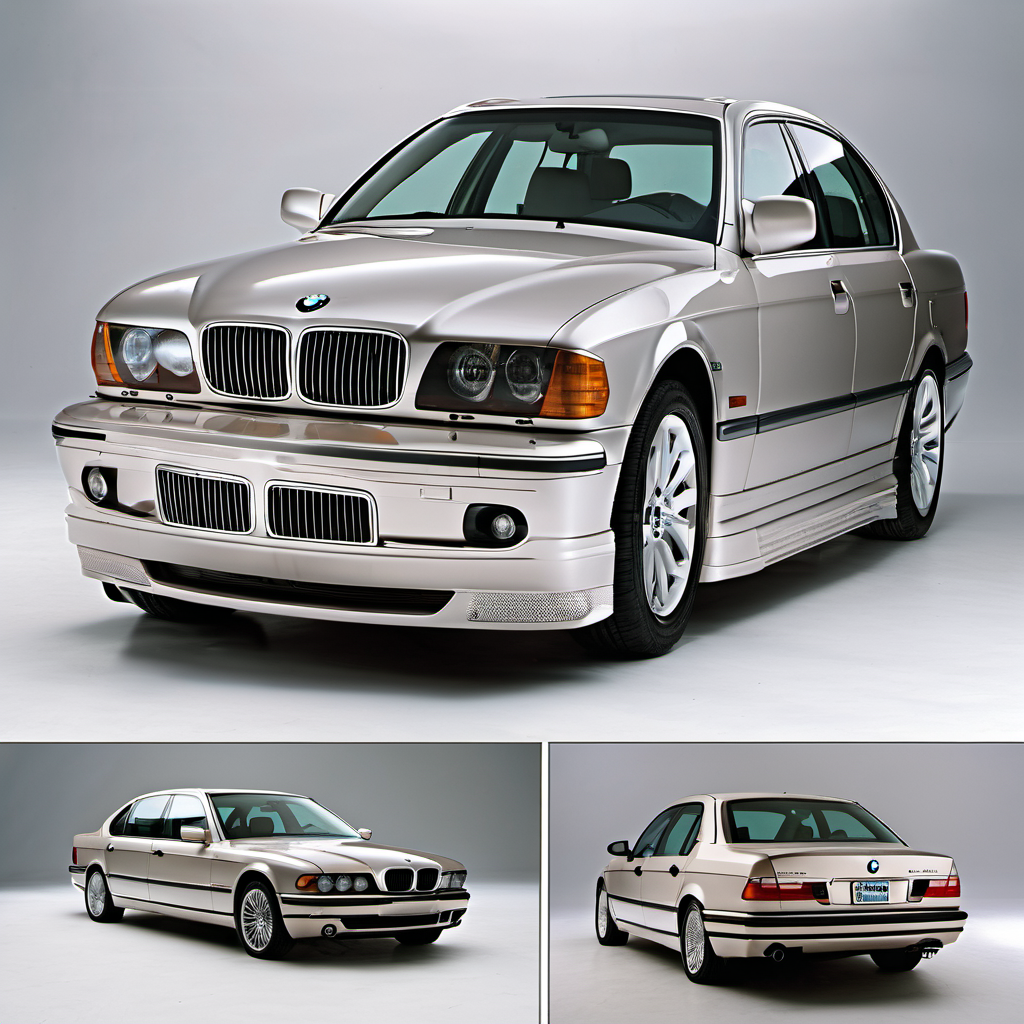
The E38/E65 7 Series is the direct German rival — similar flagship luxury, similar complexity, similar cost-to-own profile. Many buyers cross-shop these two; the BMW is slightly more driver-focused, the S-Class more comfort-oriented.
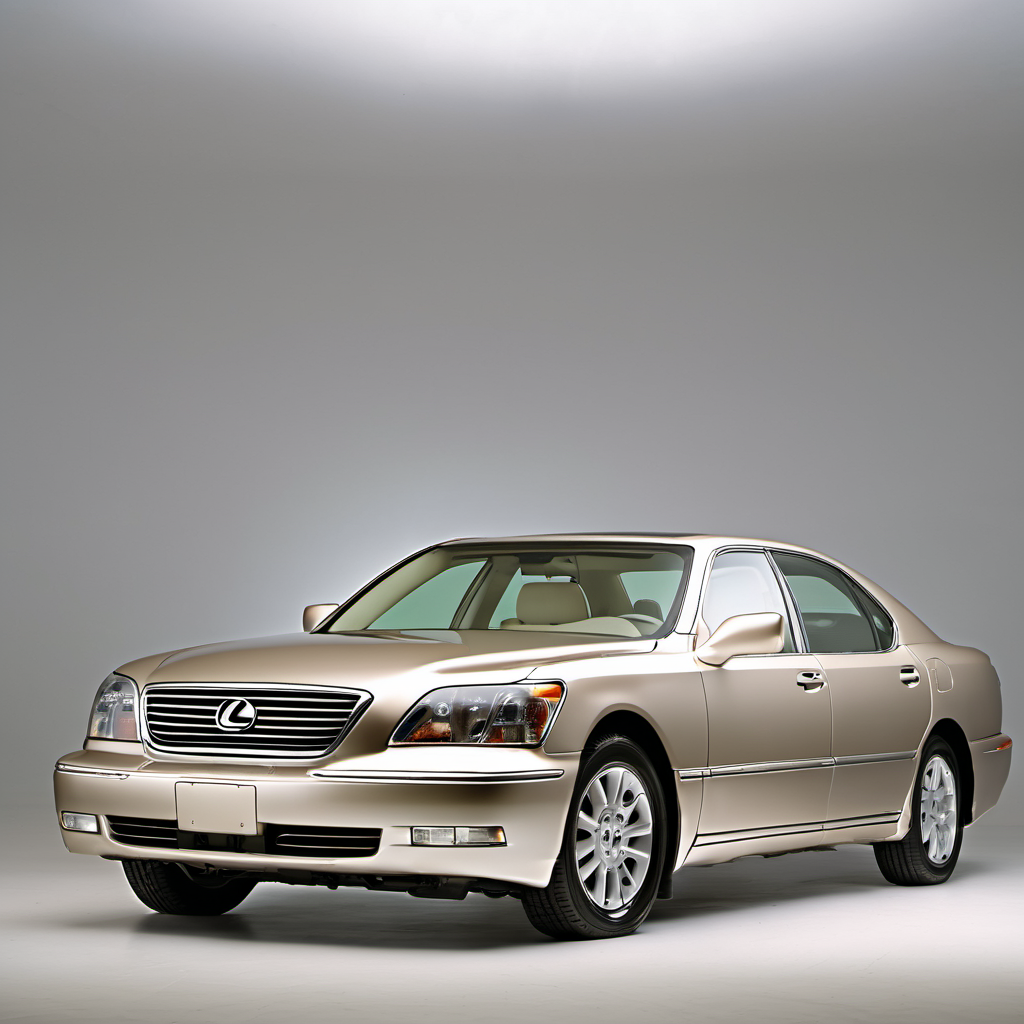
The LS430 delivers comparable luxury and a similar long-wheelbase feel at dramatically lower maintenance cost. If the goal is comfort and reliability, not German prestige, the LS430 is the honest recommendation.
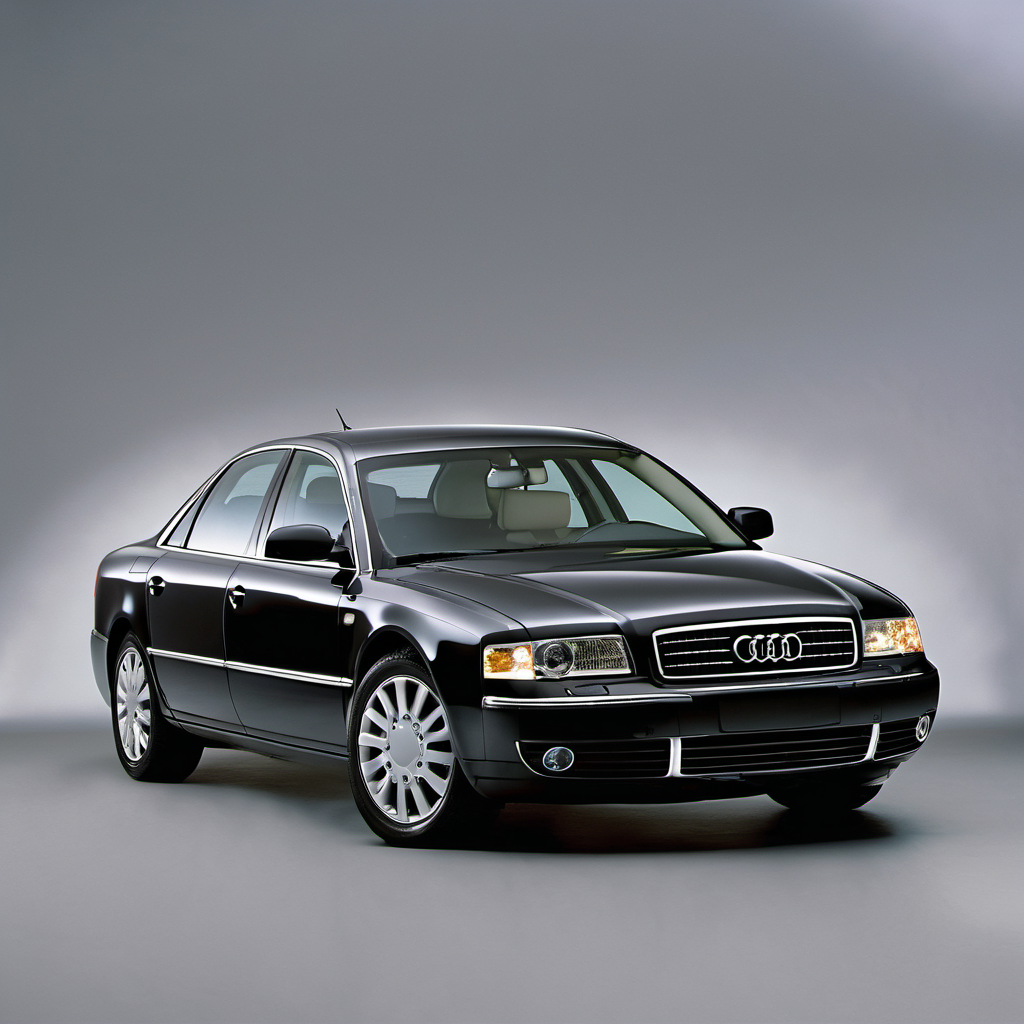
The D2 A8 shares the same flagship-era positioning with an aluminum space frame body. Similarly expensive to maintain, but offers AWD — a real advantage on Wisconsin winter roads.
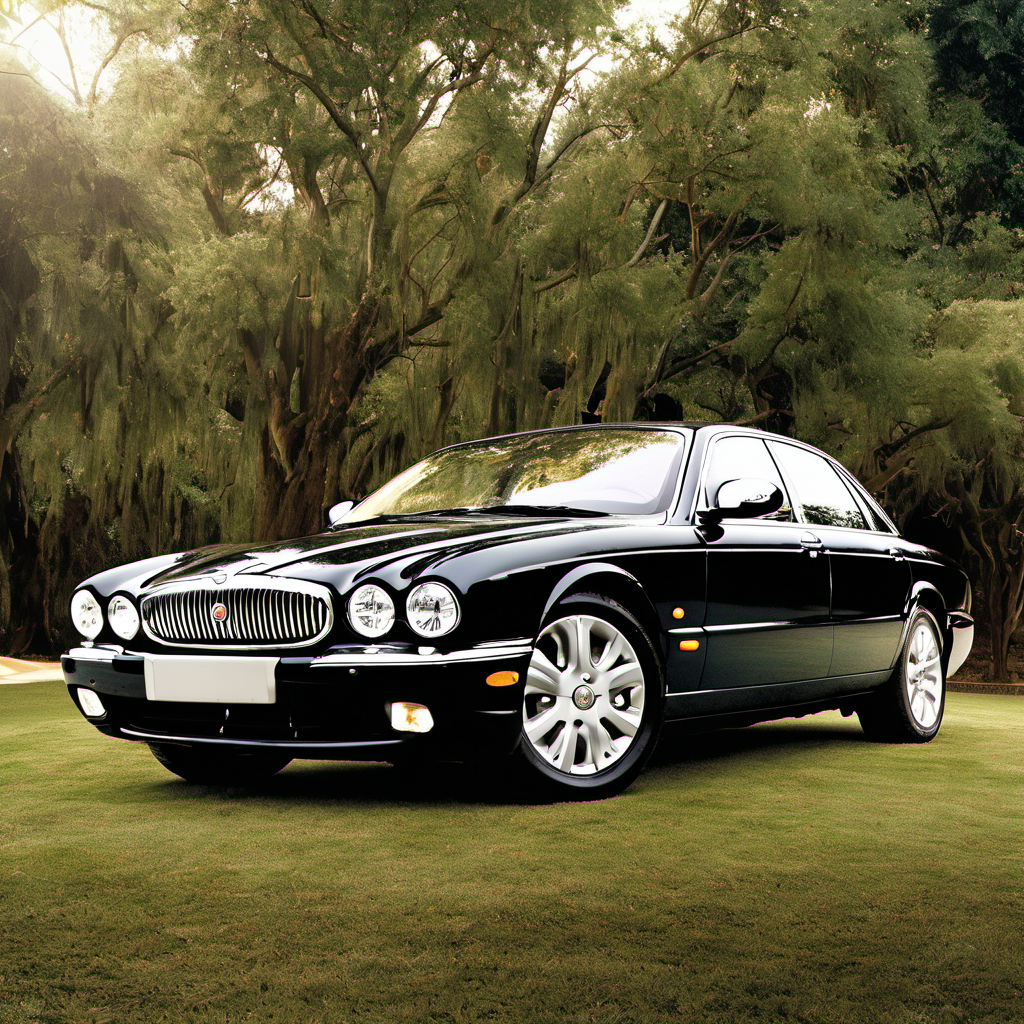
The X308 XJ8 offers comparable V8 power, similar era luxury, and a lower purchase price. Maintenance costs are high in a different way — electrical issues are common — but it's a credible alternative for the luxury buyer on a tighter budget.