Cooling System Failure (Water Pump, Expansion Tank, Thermostat, Hoses)
high- Typically appears
- 60–120k mi
- Estimated repair
- $600 – $1,400
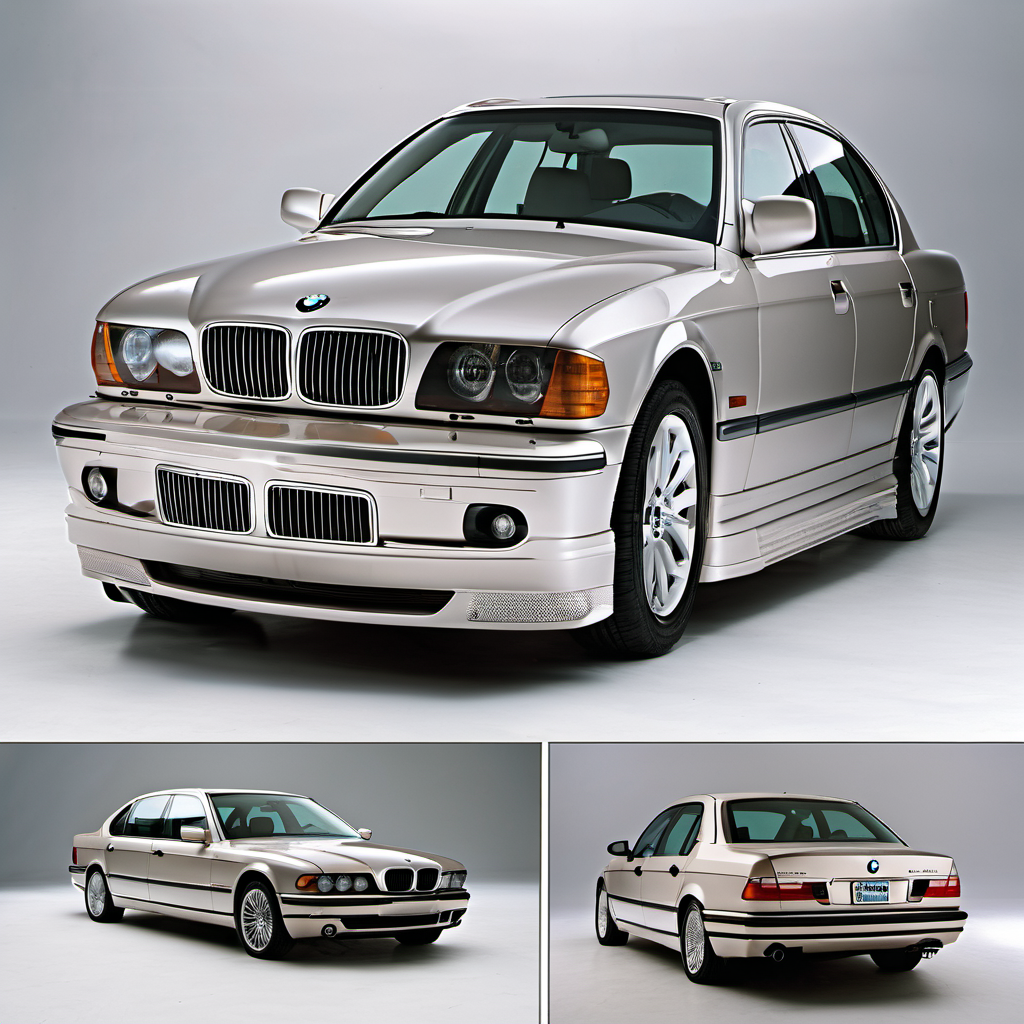
2001 BMW
Sedan
The 2001 BMW 7 Series (E38 generation) is the last model year of one of BMW's most respected flagship sedans. Powered by a 4.4L V8 in the 740i/740iL trims, it delivers a blend of executive comfort and genuine driver engagement that few vehicles of its era could match. The E38 is widely regarded as the last 7 Series before BMW's styling and engineering took a more polarizing direction with the E65. For a 20+ year-old luxury sedan, the E38 has aged well mechanically when maintained properly. It rewards owners who follow the service schedule faithfully and use quality fluids — neglect it and repair bills climb quickly. Parts availability is reasonable thanks to a devoted enthusiast community, and independent BMW specialists can service these cars far more affordably than the dealer. Buying one in 2024 means accepting that you're purchasing a high-maintenance vehicle at a low purchase price. The gap between asking price and true cost of ownership is wide. Budget accordingly, find a clean service history, and have a pre-purchase inspection done by a BMW-knowledgeable shop before committing.
The 2001 BMW 7 Series (E38 generation) is the last model year of one of BMW's most respected flagship sedans. Powered by a 4.4L V8 in the 740i/740iL trims, it delivers a blend of executive comfort and genuine driver engagement that few vehicles of its era could match. The E38 is widely regarded as the last 7 Series before BMW's styling and engineering took a more polarizing direction with the E65. For a 20+ year-old luxury sedan, the E38 has aged well mechanically when maintained properly. It rewards owners who follow the service schedule faithfully and use quality fluids — neglect it and repair bills climb quickly. Parts availability is reasonable thanks to a devoted enthusiast community, and independent BMW specialists can service these cars far more affordably than the dealer. Buying one in 2024 means accepting that you're purchasing a high-maintenance vehicle at a low purchase price. The gap between asking price and true cost of ownership is wide. Budget accordingly, find a clean service history, and have a pre-purchase inspection done by a BMW-knowledgeable shop before committing.
The M62TU VANOS system is oil-pressure dependent. Dirty or low oil accelerates solenoid wear and causes camshaft timing codes. Do not stretch to BMW's OBC-calculated 15k intervals on a car this age.
Plastic expansion tanks, water pump impellers, and radiator end caps are known failure points. On a 20+ year-old car, proactive replacement of the full cooling system is far cheaper than an overheating event.
BMW called this a 'lifetime' fluid — it isn't. Fresh ATF noticeably improves shift quality and protects the ZF transmission, which is expensive to rebuild.
The M62TU V8 requires pulling the intake manifold plenum for rear bank access. Labor is significant; use quality plugs and do all 8 at once.
Glycol-based brake fluid absorbs moisture over time, lowering boiling point and accelerating caliper corrosion. Wisconsin's wet winters accelerate this.
Rear subframe bushings deteriorate with age and salt exposure. Failed bushings cause handling vagueness and can allow subframe movement that damages the body.
Air struts and lines crack with age, especially after Wisconsin winters. A compressor running constantly to maintain ride height signals a leak — catch it before the compressor burns out.
The E38 requires the replacement battery to be 'registered' to the DME so the charging system adjusts correctly. Skipping registration can overcharge the new battery. This must be done with a BMW-capable scan tool.
Always defer to the manufacturer's service manual for warranty-mandated intervals.
The 2001 740i is one of the cheapest ways to buy into this level of luxury, but the running costs are not budget-car territory. A healthy, well-maintained example will run $1,500–$2,500/year in routine maintenance. Add a significant repair (air suspension, cooling system, VANOS) and that year's tab can hit $3,500–$5,000. Budget for it and the car is genuinely rewarding. Go in expecting Honda Civic costs and you will be disappointed.
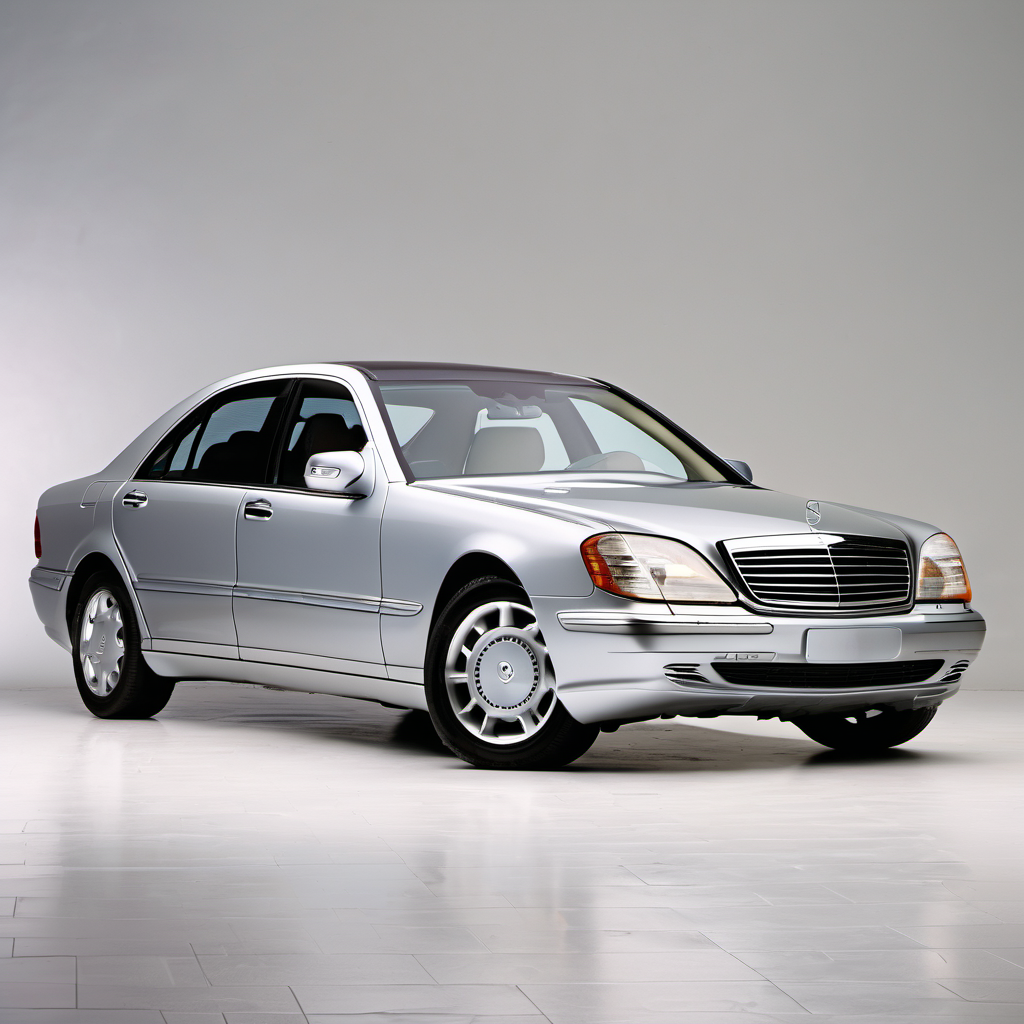
Direct segment rival — W220 S430/S500 offers similar V8 luxury at comparable used prices, with its own set of air suspension and electronics costs. Choose based on brand preference and shop access.
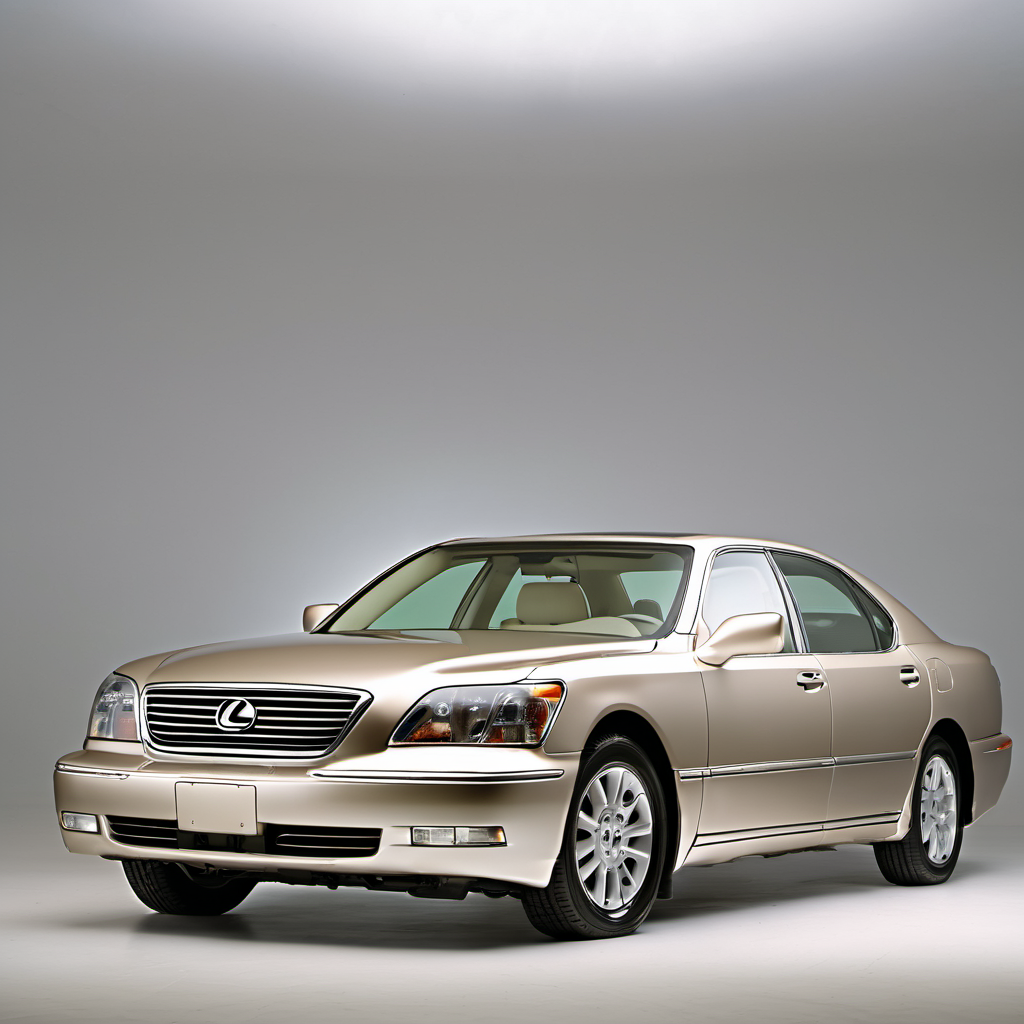
The reliability benchmark of the full-size luxury segment. Less engaging to drive than the 740i but dramatically lower maintenance costs and famously durable drivetrain — a strong alternative if ownership cost is the priority.
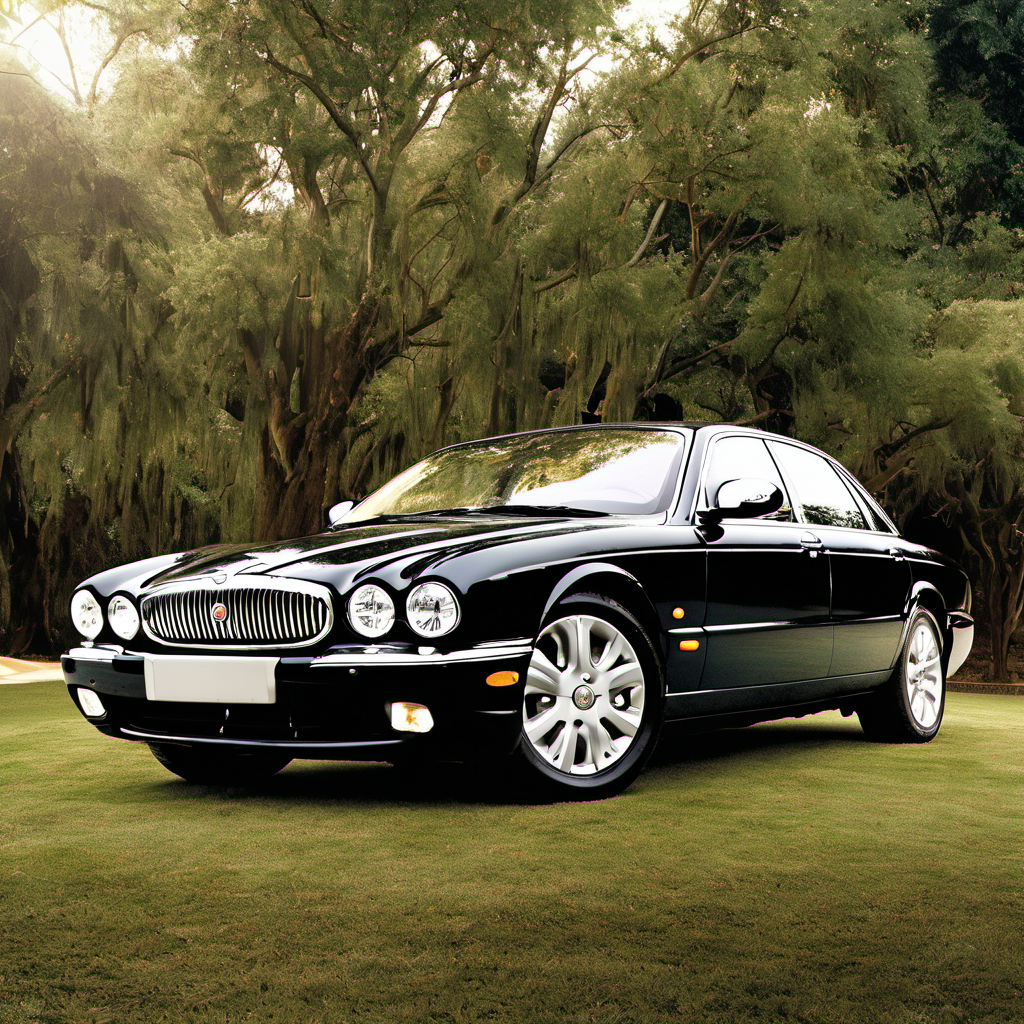
Similarly priced, similarly complex. The XJ8's V8 is smooth and the ride exceptional, but parts and specialist access in the upper Midwest is narrower than for BMW. Higher risk purchase.
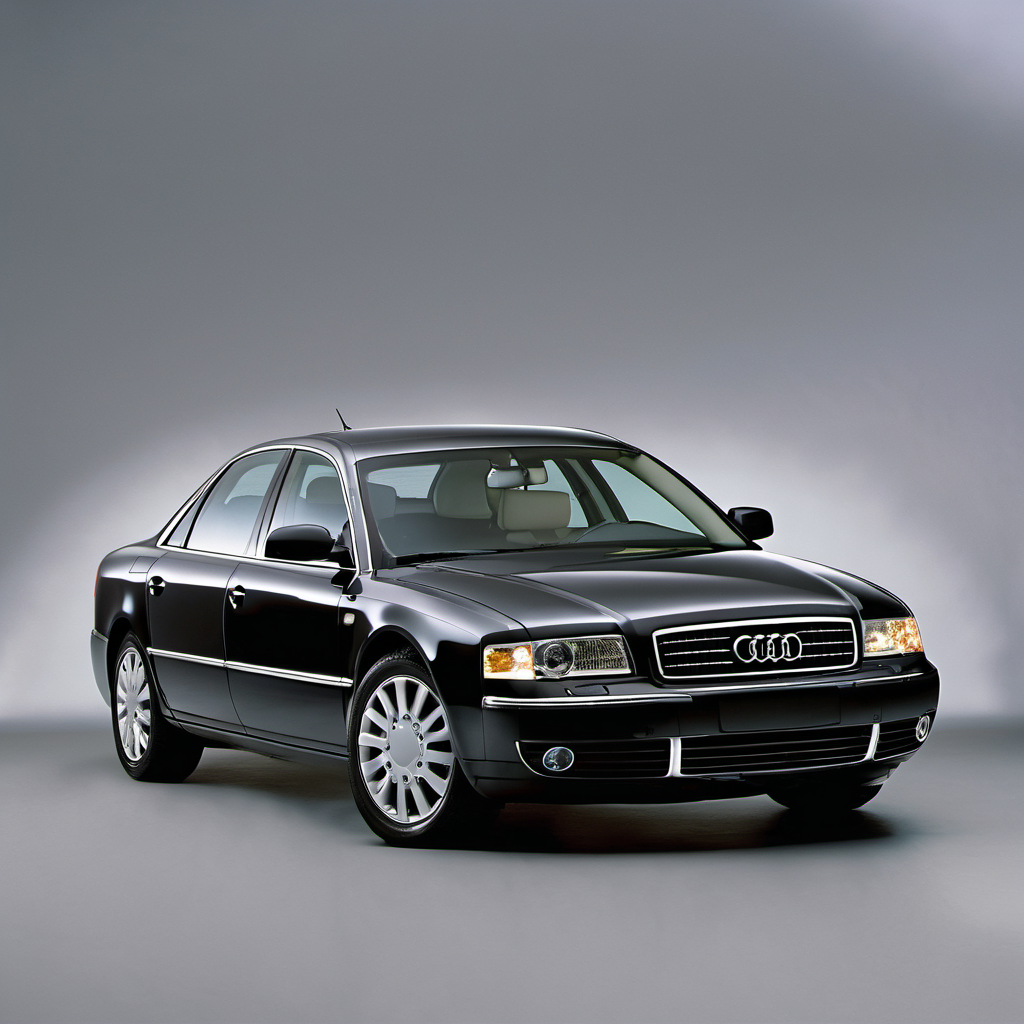
All-aluminum body with Quattro AWD — a practical advantage for Wisconsin winters. Comparable luxury level and similar maintenance demands, with aluminum corrosion and Tiptronic service as trade-off considerations.