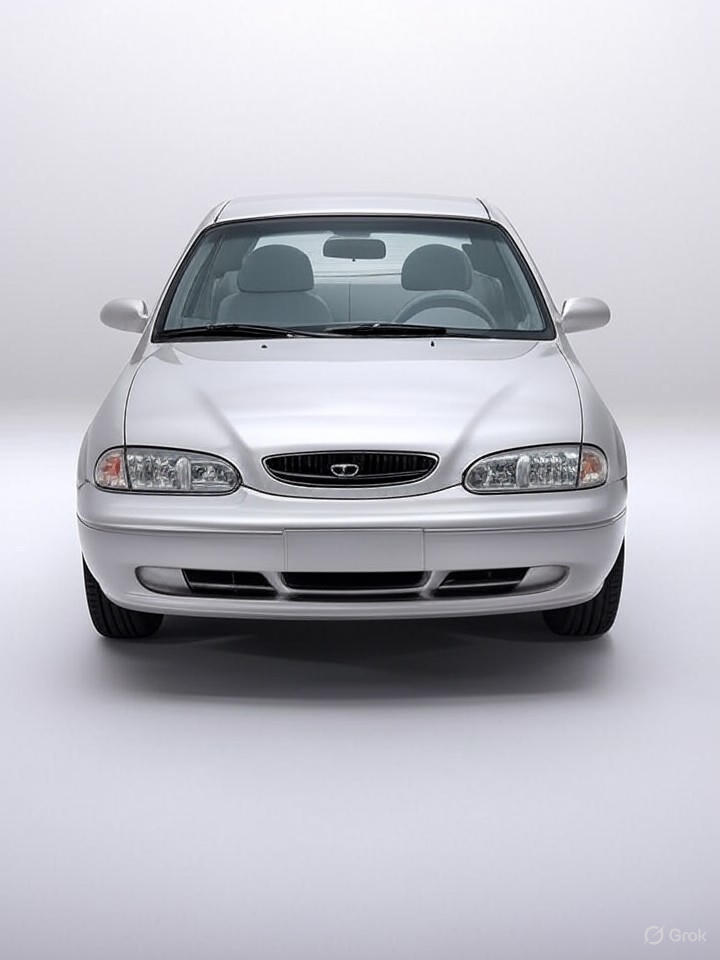
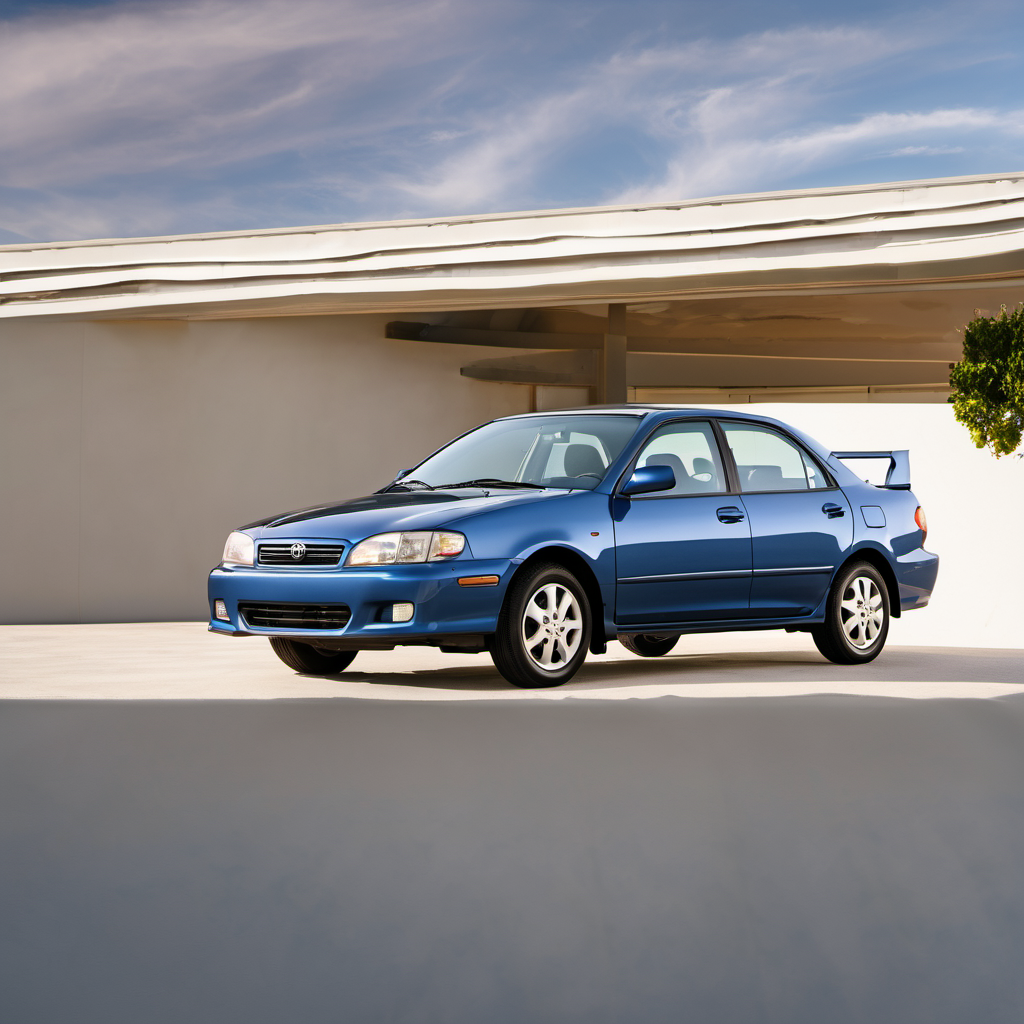
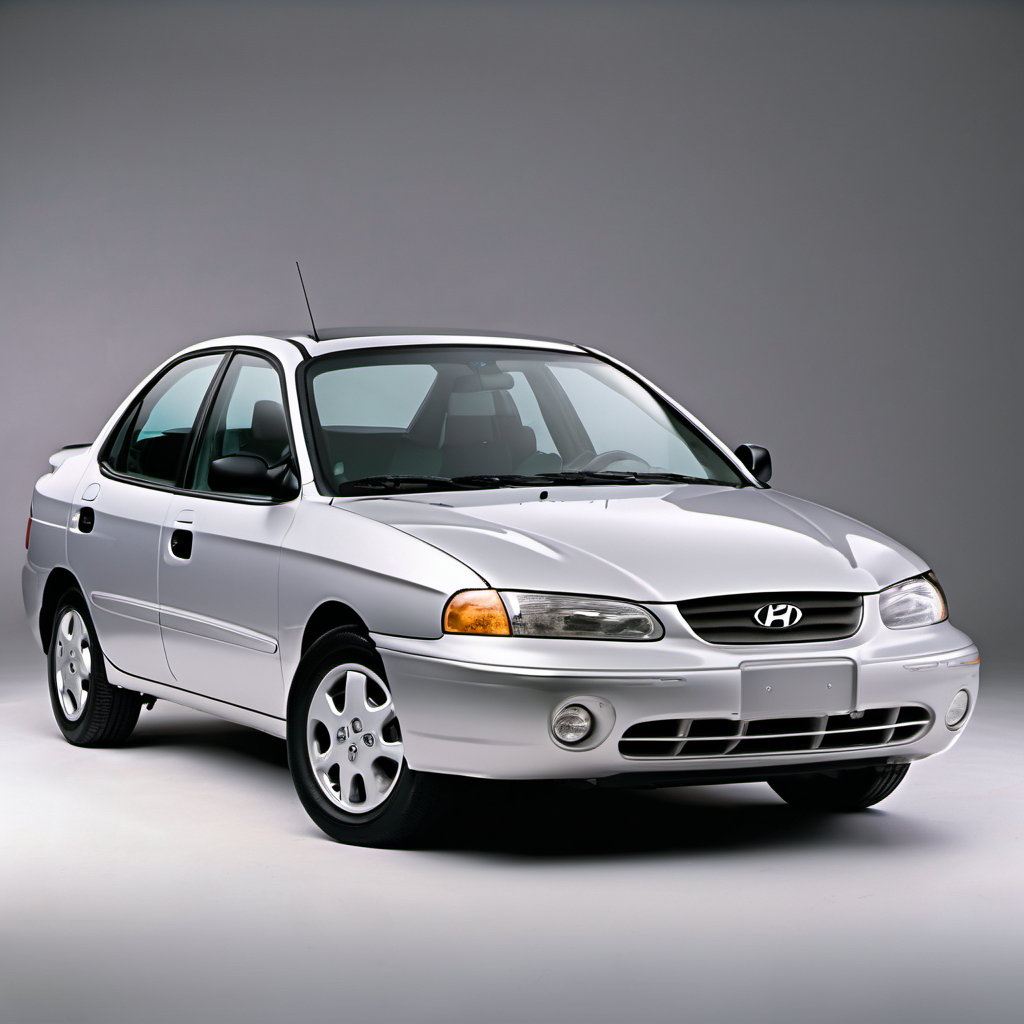
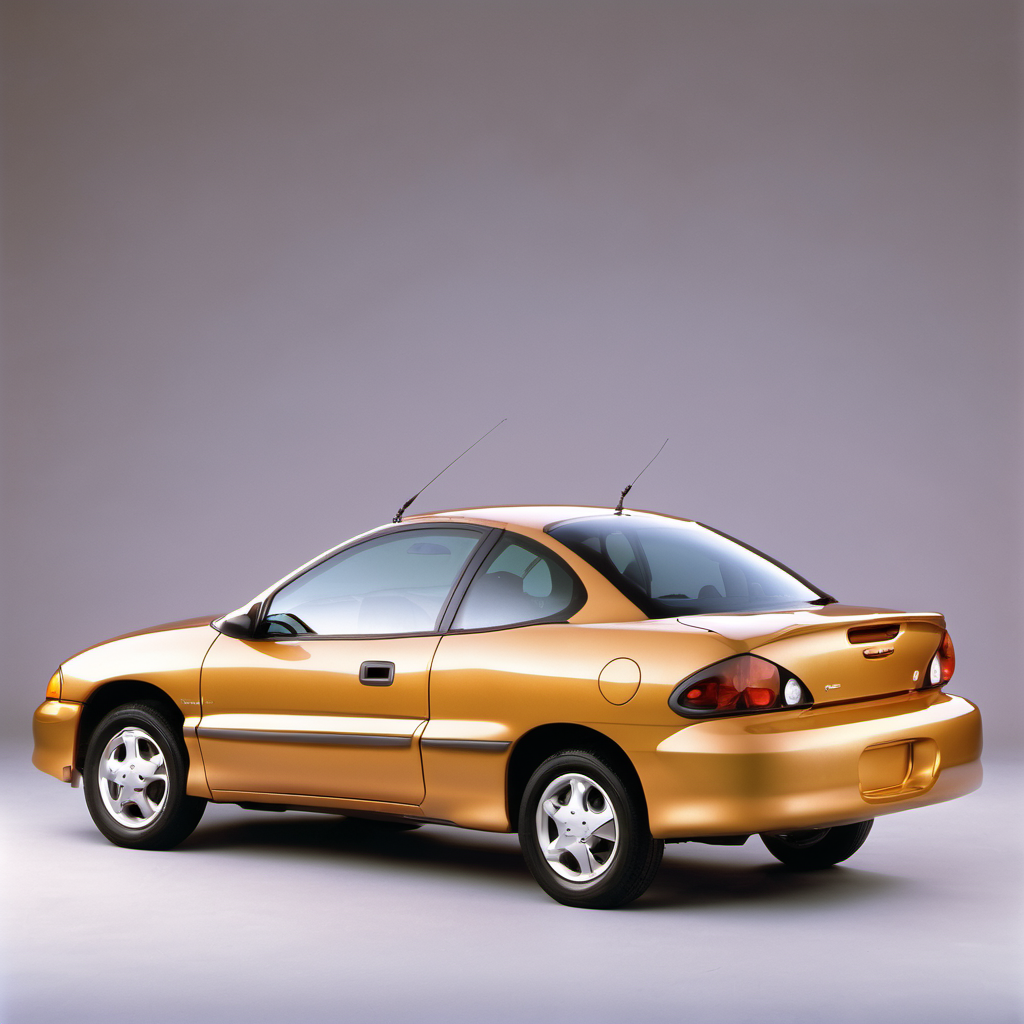
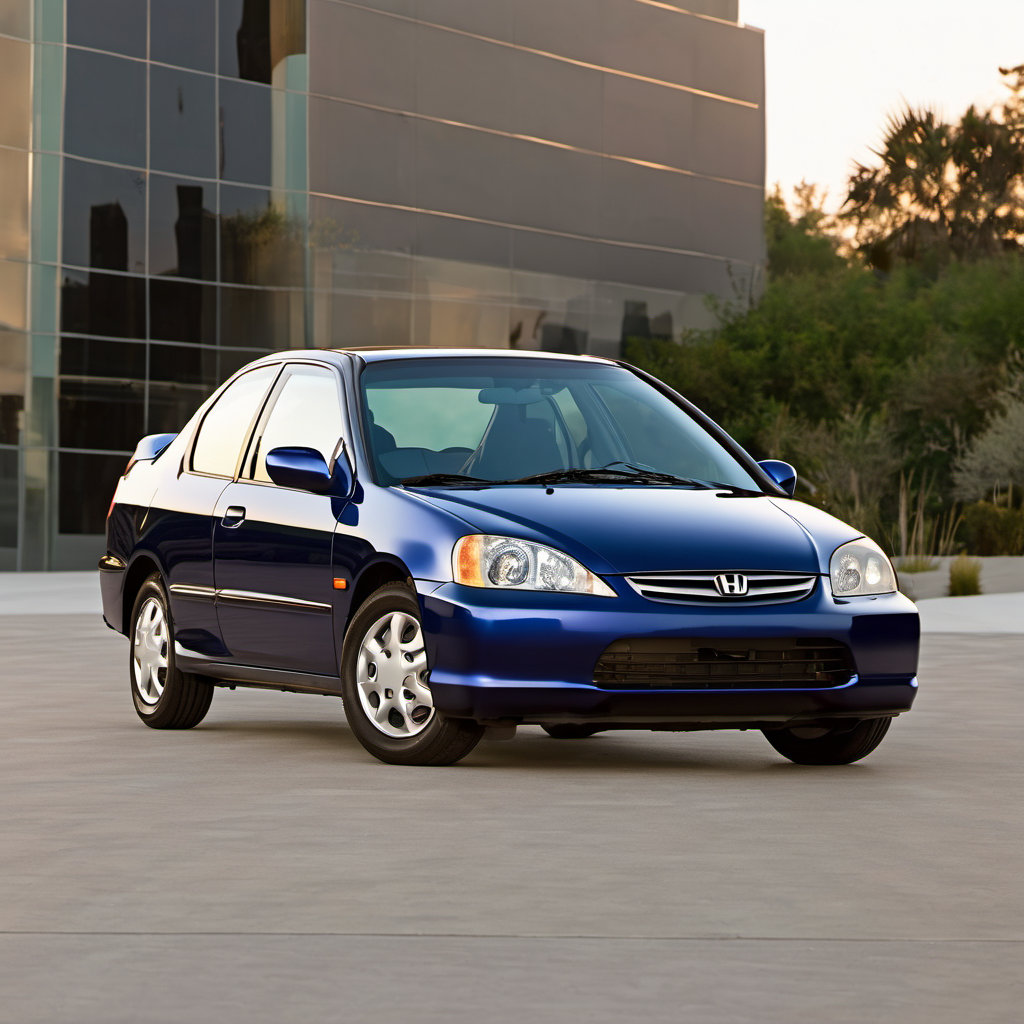
2001 Daewoo Nubira Sedan

2001 Daewoo

NubiraSedan

Sedan

The 2001 Daewoo Nubira is a compact Korean-built sedan that was sold in the U.S. during Daewoo's brief North American push in the late 1990s and early 2000s. It was positioned as a budget-friendly alternative to the Honda Civic and Toyota Corolla, offering more interior space for the price. Daewoo exited the U.S. market in 2002 following the parent company's bankruptcy, which is the single biggest factor affecting ownership today — parts availability and qualified service technicians are extremely limited. The Nubira used a 2.0L DOHC four-cylinder engine shared with some GM/Opel platforms, which helps slightly with mechanical parts, but body panels, trim, and electrical components are genuinely difficult to source. At 20+ years old, virtually every Nubira still on the road is a low-value, high-risk proposition unless it has impeccable documented service history. For a Lake Geneva-area owner, the reality is stark: finding a shop experienced with Daewoo diagnostics is a challenge, and Wisconsin road salt will have had two decades to work on the undercarriage. Buy or keep one only if you have a strong reason and can absorb the cost of sourcing hard-to-find parts.

Reliability
2/5
Verified data
Specs shown for Nubira — the most common configuration. Other trims may vary in engine, drivetrain, or fuel economy. Sign in to see your vehicle's exact specs.
Engine
[object Object]
Drivetrain
FWD
Fuel
Gasoline
MPG
19 city / 28 hwy / 22 combined
Seats
Doors
Body
Compact Cars

Overview

AI-curated

The 2001 Daewoo Nubira is a compact Korean-built sedan that was sold in the U.S. during Daewoo's brief North American push in the late 1990s and early 2000s. It was positioned as a budget-friendly alternative to the Honda Civic and Toyota Corolla, offering more interior space for the price. Daewoo exited the U.S. market in 2002 following the parent company's bankruptcy, which is the single biggest factor affecting ownership today — parts availability and qualified service technicians are extremely limited. The Nubira used a 2.0L DOHC four-cylinder engine shared with some GM/Opel platforms, which helps slightly with mechanical parts, but body panels, trim, and electrical components are genuinely difficult to source. At 20+ years old, virtually every Nubira still on the road is a low-value, high-risk proposition unless it has impeccable documented service history. For a Lake Geneva-area owner, the reality is stark: finding a shop experienced with Daewoo diagnostics is a challenge, and Wisconsin road salt will have had two decades to work on the undercarriage. Buy or keep one only if you have a strong reason and can absorb the cost of sourcing hard-to-find parts.

Known for
  • Surprisingly roomy interior for its class
  • Budget pricing when new
  • 2.0L DOHC engine with some GM/Opel parts overlap
  • Daewoo's U.S. market exit leaving parts and support scarce
Best for
  • Hobbyists or collectors comfortable sourcing rare parts
  • Drivers with access to a knowledgeable independent mechanic
  • Very short-distance, low-stakes transportation on a minimal budget
Watch for
  • Severe parts scarcity — body panels, trim, and electrical components are nearly unobtainable
  • No U.S. dealer network since 2002; manufacturer support is zero
  • Heavy rust risk on any Wisconsin example not meticulously maintained
  • Electrical gremlins that can be nearly impossible to diagnose without Daewoo-specific documentation
  • Resale value is effectively zero — repair costs can easily exceed the car's worth

Common issues by mileage

6 known

Cooling system failure (thermostat, water pump, radiator hose)

high
Typically appears
80–150k mi
Estimated repair
$200 – $700

Timing belt wear or failure

high
Typically appears
60–100k mi
Estimated repair
$300 – $650

Undercarriage and frame rust (Wisconsin salt exposure)

high
Typically appears
Any — age-related, not mileage-related
Estimated repair
$500 – $3,000

Maintenance schedule

  1. 1
    Every 60,000 miles or 5 years — do not skip Timing belt replacement

    The 2.0L DOHC is an interference engine. A snapped timing belt destroys valves and pistons. At 20+ years, replace it immediately if history is unknown.

  2. 2
    Every 2 years or 30,000 miles Engine coolant flush and cooling system inspection

    Aging hoses, a weak water pump, and a plastic-tanked radiator are all failure-prone. Coolant degradation accelerates corrosion inside the system.

  3. 3
    Every 3,000–5,000 miles given vehicle age Oil change with quality conventional or synthetic oil

    Older engine seals and gaskets benefit from regular oil changes. Sludge buildup is a real risk on neglected Nubiras.

  4. 4
    Every 2 years Brake fluid flush

    Brake fluid absorbs moisture over time, lowering boiling point and accelerating internal corrosion in calipers and wheel cylinders — especially important in a wet Wisconsin climate.

  5. 5
    Every fall before winter salt season Undercarriage rust inspection and treatment

    This car is 20+ years old and has likely seen decades of Wisconsin road salt. Inspect brake lines, fuel lines, frame rails, and subframe mounts for active rust.

  6. 6
    Every fall Battery load test

    Sub-zero Wisconsin starts demand a healthy battery. Batteries over 3–4 years old should be load-tested, not just voltage-checked.

  7. 7
    Every 30,000 miles or if misfires appear Spark plugs and ignition wires

    Original or long-neglected plugs and wires cause hard starts, poor fuel economy, and can mask more serious issues on aging ignition systems.

  8. 8
    Annually or every 15,000 miles Cabin air and engine air filter replacement

    Clogged air filters hurt fuel economy and engine performance — easy and cheap on this platform.

Always defer to the manufacturer's service manual for warranty-mandated intervals.

Cost of ownership

Annual maintenance
$600 – $2,500
Fuel
At 22 MPG combined and typical Lake Geneva-area driving, expect $1,500–$2,200/year in fuel at current prices.
Insurance
Liability-only coverage is typical for a vehicle of this age and value; expect $400–$800/year depending on your driving record.

The Nubira is cheap to insure and reasonable on fuel, but maintenance costs are unpredictable and skew high because of parts scarcity. A single hard-to-find electrical or body component can exceed the car's market value. Budget generously for surprises, and always get a repair estimate before authorizing work — the part cost alone may make the repair uneconomical.
Seasonal care

Lake Geneva, WI
Winter
  • Load-test the battery every October — cold cranking amps drop sharply below 20°F and this car's electrical system is already age-stressed.
  • Switch to a full-synthetic 5W-30 oil if not already used; it flows better on sub-zero cold starts and reduces wear during the critical first seconds of engine operation.
  • Inspect all brake lines and fuel lines on the undercarriage before winter — two decades of Wisconsin salt may have thinned the metal to a dangerous point.
  • Use a winter-rated washer fluid rated to at least -20°F; the Nubira's hood line and wiper placement make icing a visibility hazard.
  • Check antifreeze concentration — it should be good to at least -34°F for Wisconsin winters. Flush and refill if the coolant history is unknown.
  • Keep the fuel tank at least half full during cold snaps to reduce moisture condensation in the fuel system and prevent fuel line freeze.
Summer
  • Inspect the cooling system thoroughly before summer — hoses, clamps, thermostat, and water pump. Heat soak on a 20-year-old cooling system is a real breakdown risk.
  • Check A/C refrigerant charge and inspect the condenser for debris. The A/C system on these cars is old enough that seals and o-rings may be leaking.
  • Check tire pressure monthly — heat causes pressure to rise roughly 1 PSI per 10°F increase in ambient temperature, leading to uneven wear and blowout risk.
  • Inspect the serpentine/accessory belt for cracking and glazing before summer heat accelerates belt wear.

Comparable vehicles

If you're shopping for one

Red flags
  • No service records — walk away. An unserviced Nubira of this age is a money pit.
  • Any rust visible on the rocker panels, frame rails, or brake/fuel lines is a likely deal-breaker given repair costs and parts unavailability.
  • Check engine light on — diagnosing Daewoo-specific codes requires factory documentation many shops no longer have.
  • Soft or spongy brake pedal — could indicate corroded brake lines that are difficult to source OEM replacements for.
  • Any evidence of prior overheating (white residue at coolant cap, oil that looks milky) — a warped head on this engine is likely not worth fixing.
What to inspect
  • Full undercarriage rust inspection by a lift — brake lines, fuel lines, subframe mounts, and floor pans are critical on any Wisconsin-titled car.
  • Timing belt service history — this is an interference engine and a replacement is non-negotiable if unknown.
  • All four brake calipers for seizure — seized calipers are common on older cars that sit or see salt.
  • Electrical connections throughout the engine bay for corrosion, melted insulation, and amateur wiring repairs.
  • Coolant condition and all hose connections for softness, cracking, or weeping.
  • Tire age (check the DOT date code on the sidewall) — tires over 6–7 years old should be replaced regardless of tread depth.
AI profile generated 12 days ago · claude-sonnet-4-6 · v2.