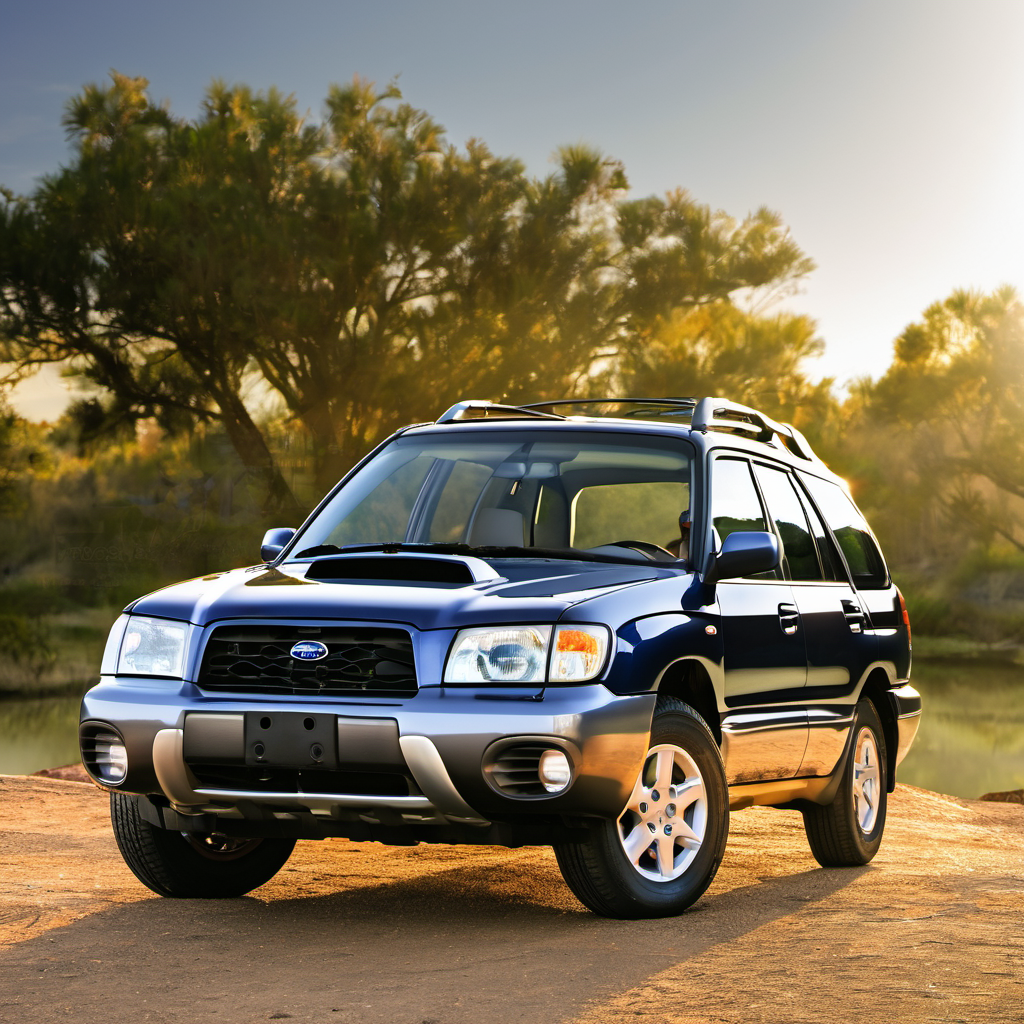
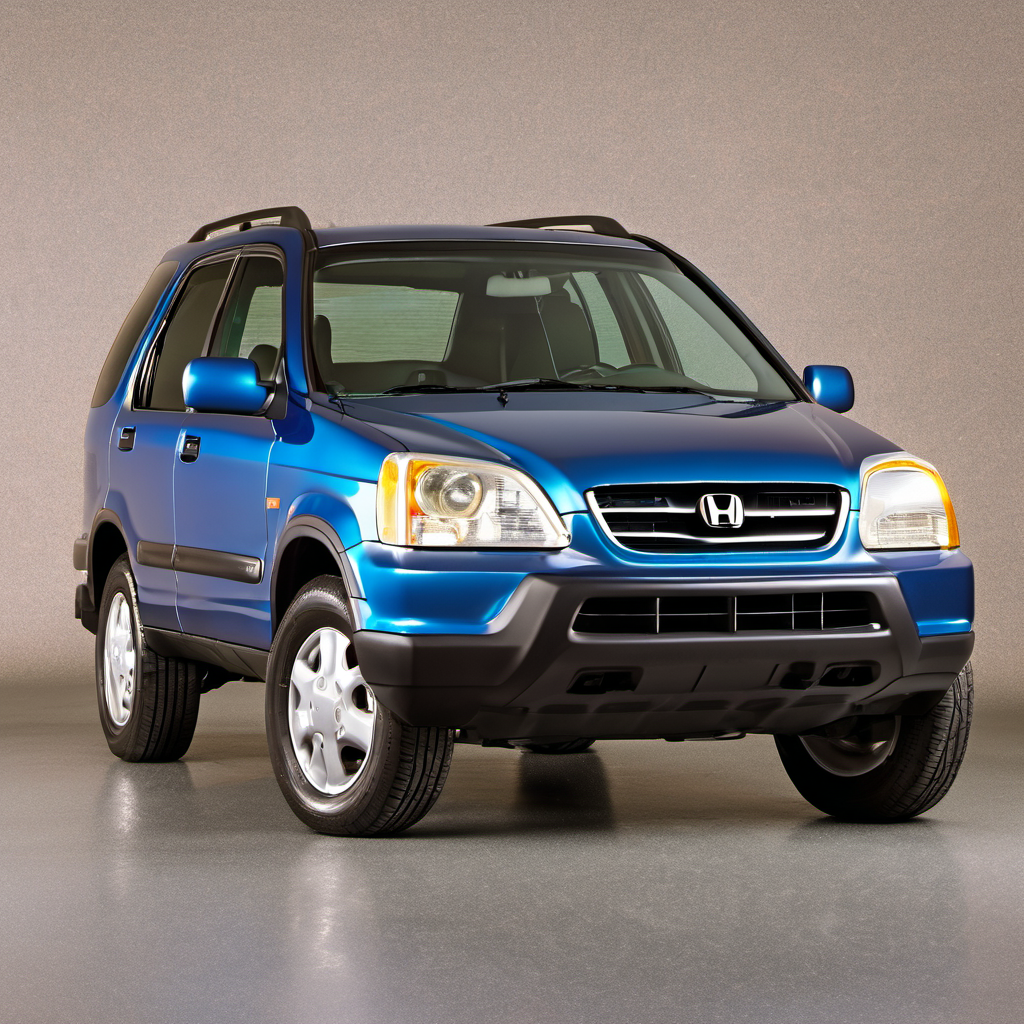
2000 Subaru Forester SUV

2000 Subaru

ForesterSUV

SUV

The 2000 Subaru Forester is a compact crossover SUV built on Subaru's Legacy platform, blending car-like ride comfort with genuine all-wheel-drive capability. It sits in a sweet spot between a wagon and a small SUV — roomier than a sedan, easier to park than a full SUV, and surprisingly capable on snowy Wisconsin roads thanks to its standard symmetrical AWD system. This first-generation Forester (1998–2002) earned a loyal following for its practical interior, tall greenhouse visibility, and reliability relative to its price point. The 2.5L EJ25 flat-four engine provides adequate power for daily driving, though it does carry the well-documented head gasket vulnerability that affects this engine family. At 20+ years old, a 2000 Forester is now a high-mileage used vehicle. Its value lies in its drivetrain durability and parts availability — but any example you buy today needs a thorough pre-purchase inspection, with head gaskets at the top of the checklist.

Reliability
3/5
Verified data
Specs shown for Forester AWD — the most common configuration. Other trims may vary in engine, drivetrain, or fuel economy. Sign in to see your vehicle's exact specs.
Engine
[object Object]
Drivetrain
AWD
Fuel
Gasoline
MPG
19 city / 25 hwy / 21 combined
Seats
Doors
Body
Sport Utility Vehicle - 4WD

Overview

AI-curated

The 2000 Subaru Forester is a compact crossover SUV built on Subaru's Legacy platform, blending car-like ride comfort with genuine all-wheel-drive capability. It sits in a sweet spot between a wagon and a small SUV — roomier than a sedan, easier to park than a full SUV, and surprisingly capable on snowy Wisconsin roads thanks to its standard symmetrical AWD system. This first-generation Forester (1998–2002) earned a loyal following for its practical interior, tall greenhouse visibility, and reliability relative to its price point. The 2.5L EJ25 flat-four engine provides adequate power for daily driving, though it does carry the well-documented head gasket vulnerability that affects this engine family. At 20+ years old, a 2000 Forester is now a high-mileage used vehicle. Its value lies in its drivetrain durability and parts availability — but any example you buy today needs a thorough pre-purchase inspection, with head gaskets at the top of the checklist.

Known for
  • Standard symmetrical AWD on every trim
  • Tall, boxy greenhouse with excellent all-around visibility
  • Practical cargo area and fold-flat rear seats
  • Subaru EJ25 boxer engine — smooth, low center of gravity
  • Strong owner loyalty and active DIY community
Best for
  • Wisconsin winters and snowy back roads
  • Budget-conscious buyers who need AWD
  • Outdoors and active lifestyle use
  • Mechanically inclined owners comfortable with aging Japanese vehicles
Watch for
  • Head gasket failure on the EJ25 — extremely common on this generation
  • Rust on frame rails, rocker panels, and wheel arches from road salt
  • Automatic transmission wear on high-mileage examples
  • Timing belt service history — belt-driven engine, not chain
  • Oxygen sensor failures leading to poor fuel economy and rough idle

Common issues by mileage

6 known

Head Gasket Failure (EJ25 External/Internal Coolant Leak)

high
Typically appears
80–150k mi
Estimated repair
$1,400 – $2,200

Timing Belt & Water Pump Service Overdue

high
Typically appears
60–105k mi (every 60k after)
Estimated repair
$400 – $700

Oxygen Sensor Failure (Bank 1 Sensor 1 / Sensor 2)

medium
Typically appears
100–160k mi
Estimated repair
$150 – $350

Rust — Rocker Panels, Frame Rails, Subframe

high
Typically appears
Any — accelerates after 10+ years in salt states
Estimated repair
$500 – $3,000

Automatic Transmission Wear / Slipping

medium
Typically appears
120–180k mi
Estimated repair
$1,800 – $3,500

Wheel Bearing Failure (Front or Rear)

medium
Typically appears
100–160k mi
Estimated repair
$200 – $450

Maintenance schedule

  1. 1
    Every 60,000 miles or 5 years — verify service history at purchase Timing Belt & Water Pump Replacement

    The EJ25 is an interference engine. A snapped timing belt causes catastrophic valve-to-piston contact and engine destruction. At 20+ years old, assume it's due unless you have the receipt.

  2. 2
    Immediately on any used purchase; monitor coolant level every oil change Head Gasket Inspection / Coolant System Pressure Test

    First-gen EJ25 head gaskets fail externally (coolant seep) before internal failure. Catching it early saves the engine. Look for white residue near the cylinder head seam and check for milky oil or bubbles in the coolant reservoir.

  3. 3
    Every 3,000–5,000 miles with conventional oil; 5,000 with full synthetic Engine Oil & Filter Change

    The boxer engine's horizontal cylinder orientation makes clean oil critical for piston ring seal and consistent lubrication. Don't stretch intervals on a high-mileage EJ25.

  4. 4
    Every 30,000 miles on a used example with unknown history Transmission Fluid Change (Auto or Manual)

    Subaru ATF degrades and the 4EAT automatic is sensitive to fluid condition. Fresh fluid is cheap insurance against a $2,500+ rebuild.

  5. 5
    Every 30,000 miles Differential & Transfer Case Fluid

    AWD center differential and rear diff need clean fluid. Neglect here causes binding, wear, and expensive drivetrain repairs — especially if the vehicle has been used off-road.

  6. 6
    Every 30,000 miles Spark Plugs & Ignition Wires

    Boxer engines are harder to access on plugs 2 and 4 (rear bank). Worn plugs cause misfires and can be mistaken for head gasket symptoms. Use OEM-spec plugs.

  7. 7
    Every spring after winter season Undercarriage Rust Inspection & Treatment

    Lake Geneva road salt is brutal on this era of Subaru. Frame rails and subframe are structural. Catching surface rust early is far cheaper than finding a compromised frame at 200k miles.

  8. 8
    Every 2 years Brake Fluid Flush

    Brake fluid is hygroscopic and absorbs moisture over time, lowering boiling point. On a 20-year-old vehicle, this is almost certainly overdue.

Always defer to the manufacturer's service manual for warranty-mandated intervals.

Cost of ownership

Annual maintenance
$700 – $1,800
Fuel
At 21 MPG combined and ~12,000 miles/year, expect roughly $1,400–$1,700/year at current Midwest gas prices. Premium fuel not required — regular 87 octane is correct.
Insurance
Typically $900–$1,400/year for a 2000 Forester in Wisconsin depending on driver profile. Low book value keeps collision premiums modest.

A 2000 Forester is cheap to insure and fuel, but its age means you should budget for deferred maintenance at purchase. If head gaskets and timing belt are already done, annual costs settle into a reasonable range. If they're not done, plan for $2,000–$3,000 in catch-up work in year one. Parts are widely available and independent-shop labor is straightforward.
Seasonal care

Lake Geneva, WI
Winter
  • Install a dedicated set of winter tires — AWD helps you go, not stop. Winter tires dramatically improve braking and cornering on Lake Geneva ice.
  • Test the battery before November. Cold-crank amps drop sharply below 20°F and this era's electrical system is already 20+ years old.
  • Switch to full synthetic 5W-30 or 0W-30 if using conventional oil — thinner cold-start viscosity protects the EJ25 boxer on sub-zero mornings.
  • Keep the gas tank above half to prevent fuel line moisture and add weight over the rear axle.
  • Use a -40°F rated washer fluid and replace wiper blades with winter-spec blades to handle heavy Wisconsin snow.
  • Rinse the undercarriage at a touchless car wash every 2–3 weeks during salt season — rust is this vehicle's biggest long-term enemy.
Summer
  • Check tire pressure after the first hot spell — pressure rises ~1 PSI per 10°F increase and can cause uneven wear on an AWD system that requires matched tire circumferences.
  • Inspect the cooling system hoses and radiator cap before summer — a head-gasket-stressed cooling system is more prone to overheating in July traffic.
  • Verify A/C refrigerant charge and cabin filter condition. The evaporator on this generation can develop odors from moisture buildup.
  • Check differential and transfer case fluids — heat cycles accelerate fluid breakdown.

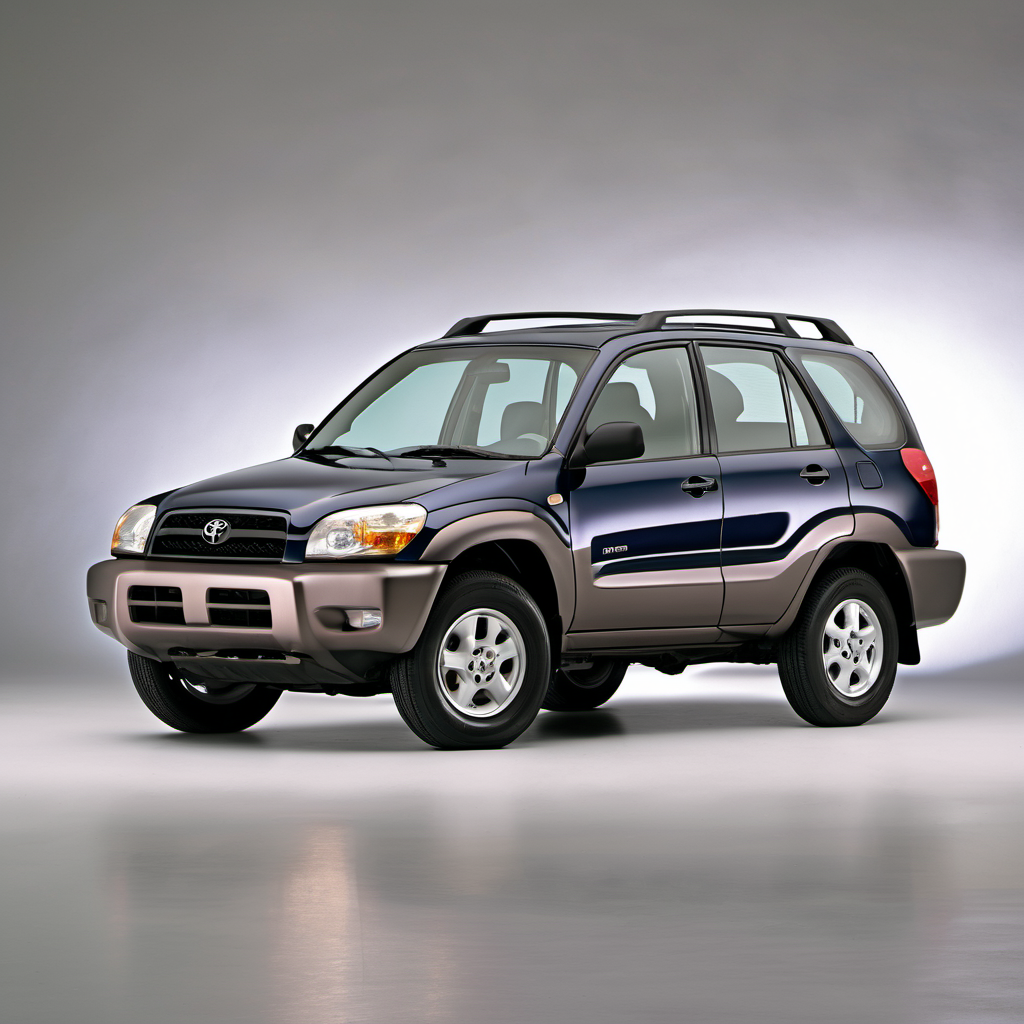
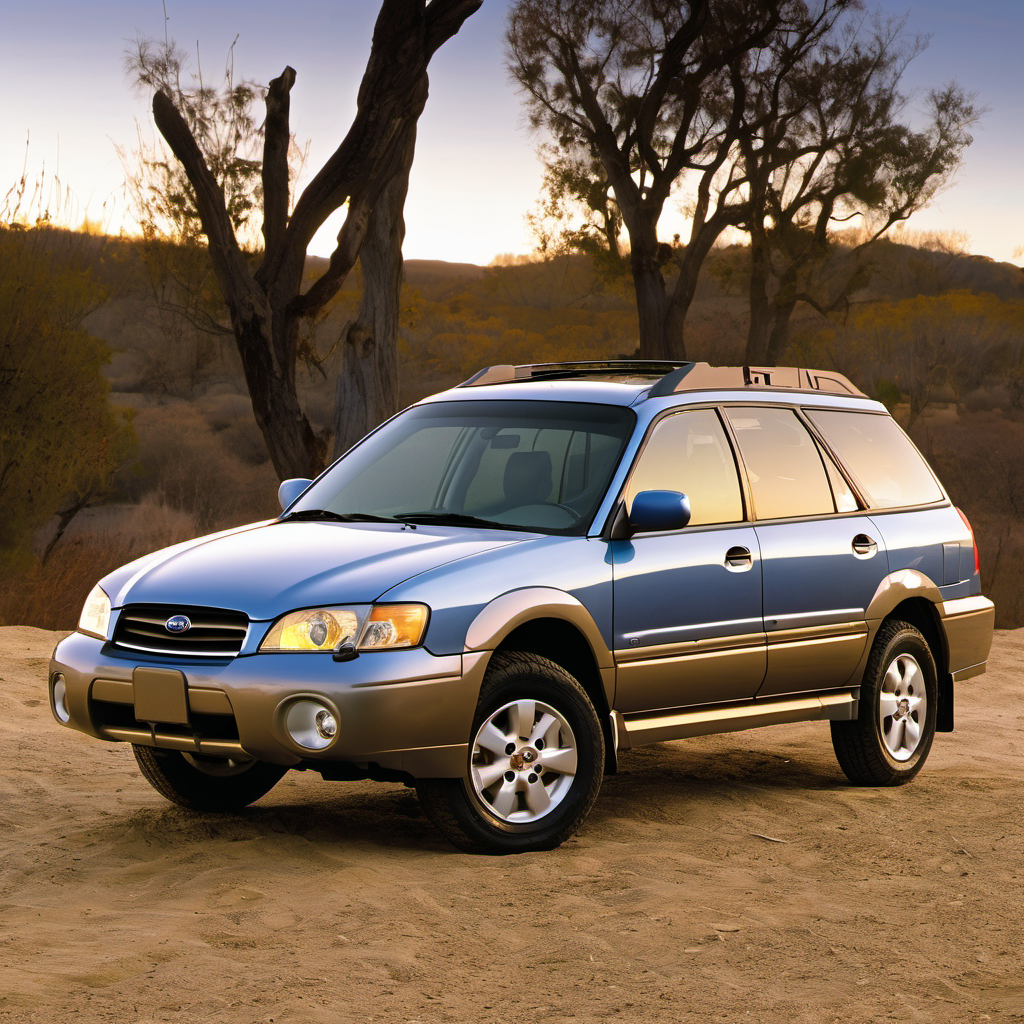
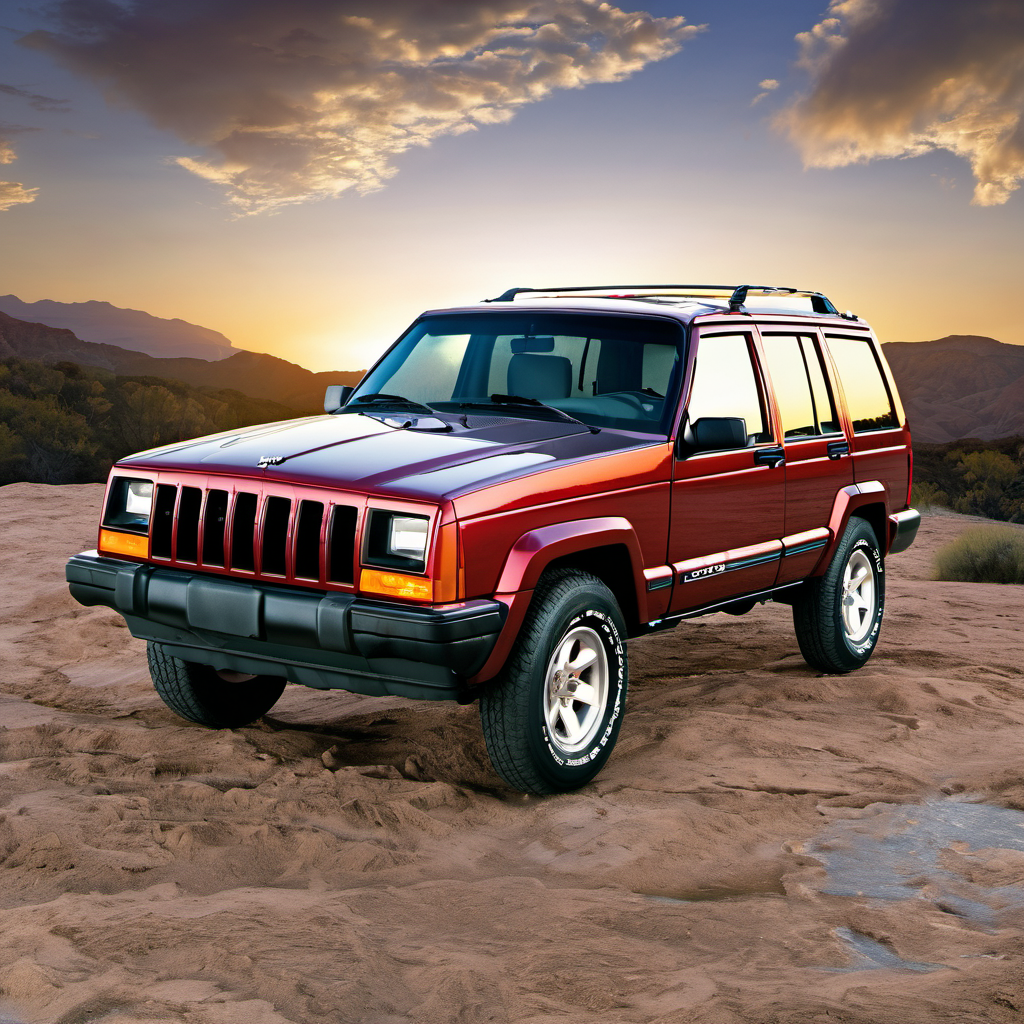
Comparable vehicles

If you're shopping for one

Red flags
  • No documentation of head gasket replacement — walk away or negotiate the cost in
  • No timing belt service records — assume it's due and price accordingly
  • Milky or foamy oil on the dipstick — coolant in the oil means internal head gasket failure
  • Sweet smell from the engine bay or white residue around cylinder head seams
  • Visible rust on rocker panels, frame rails, or subframe — probe with a screwdriver; soft metal is a dealbreaker
  • Mismatched tire brands or significantly different tread depths — running unmatched tires damages the AWD center differential
What to inspect
  • Coolant reservoir level and color — should be clean, not brown or oily
  • All four tire brands and tread depth — must be within 2/32" of each other for AWD health
  • Undercarriage: frame rails, rear subframe mounting points, exhaust hangers
  • Timing belt condition if visible, or confirm replacement date from records
  • Oxygen sensor codes with an OBD-II scanner before purchase
  • Front and rear differential for leaks at the seals
  • Transmission fluid condition on the dipstick — dark brown or burnt-smelling fluid signals neglect
AI profile generated 56 min ago · claude-sonnet-4-6 · v2.