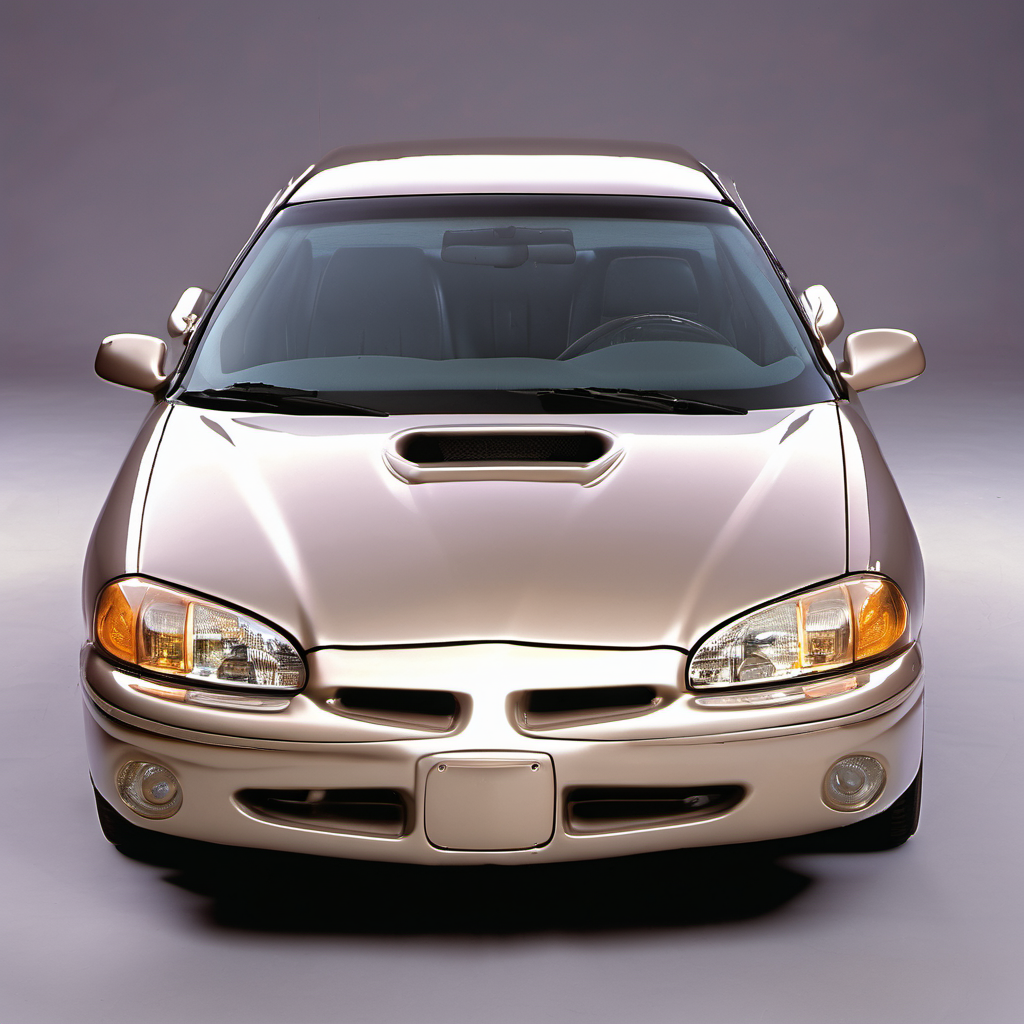
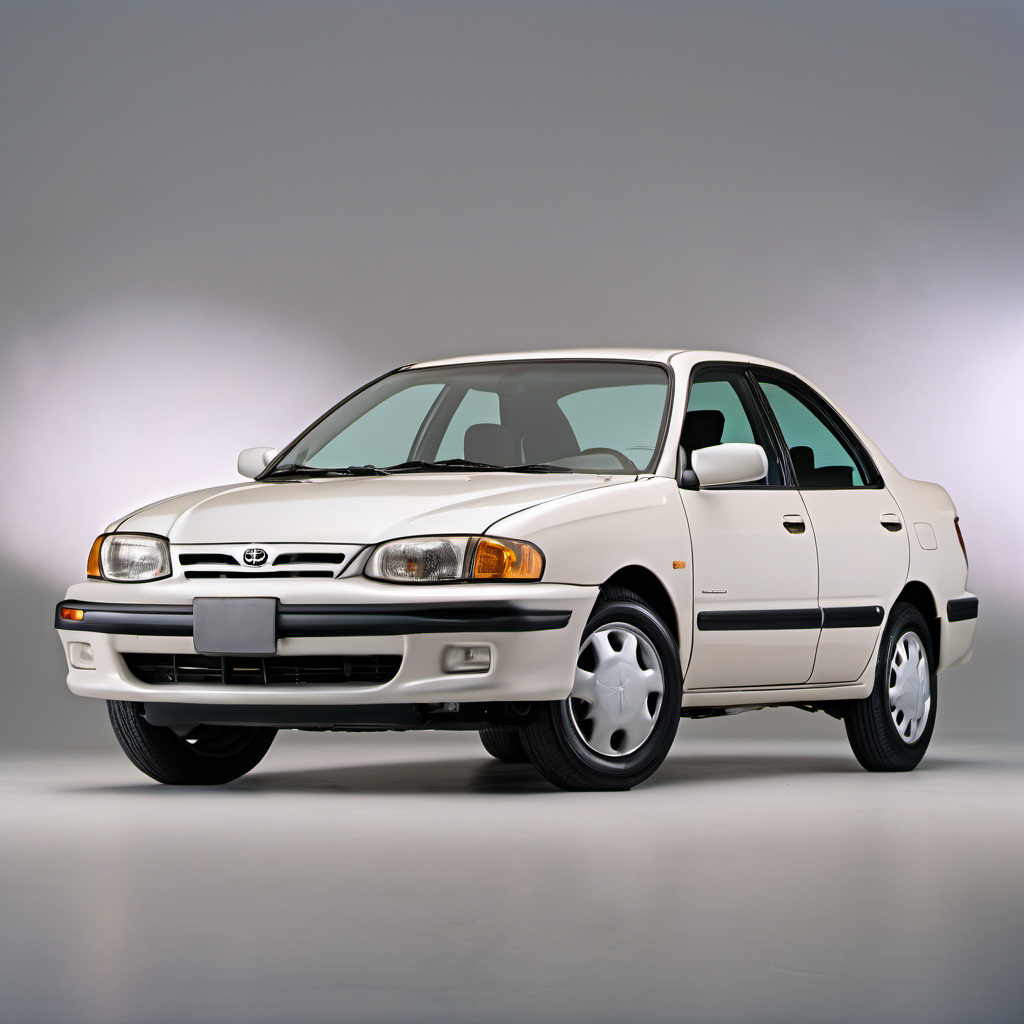
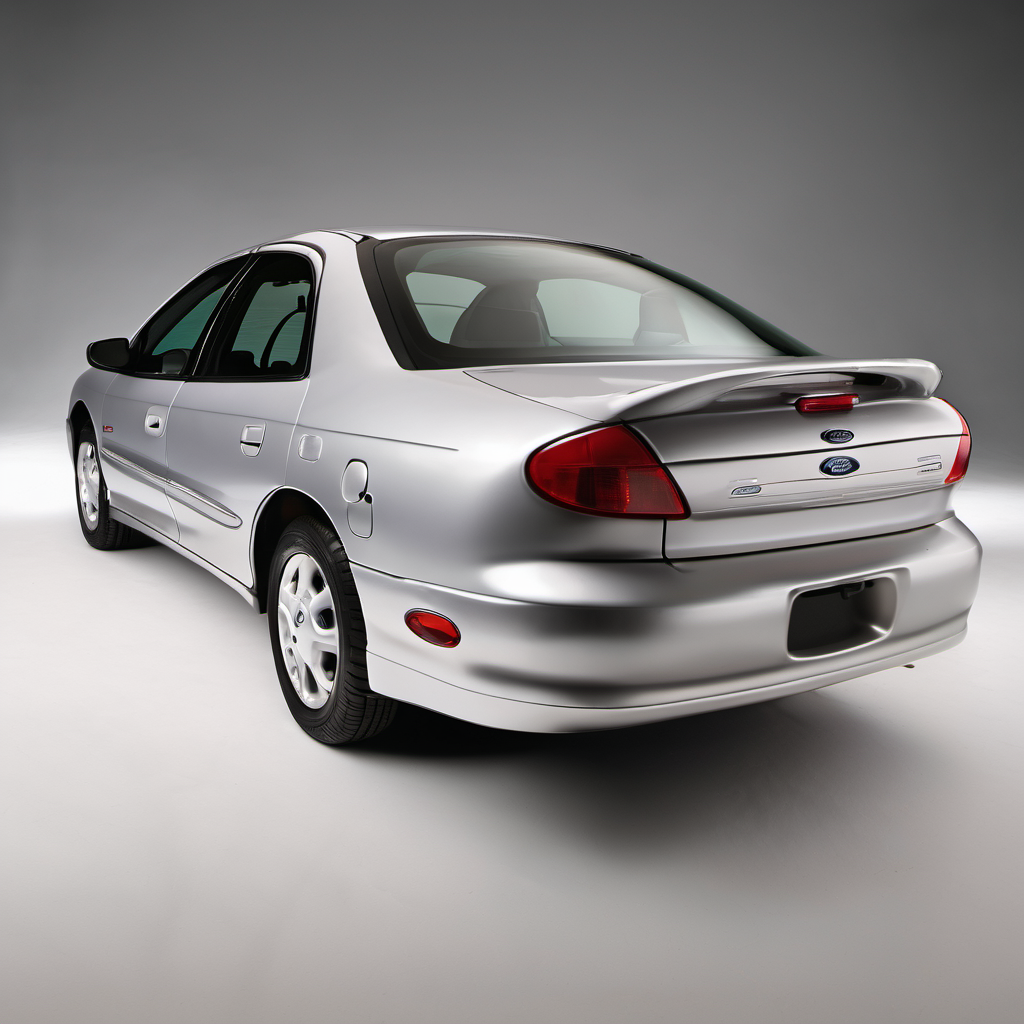
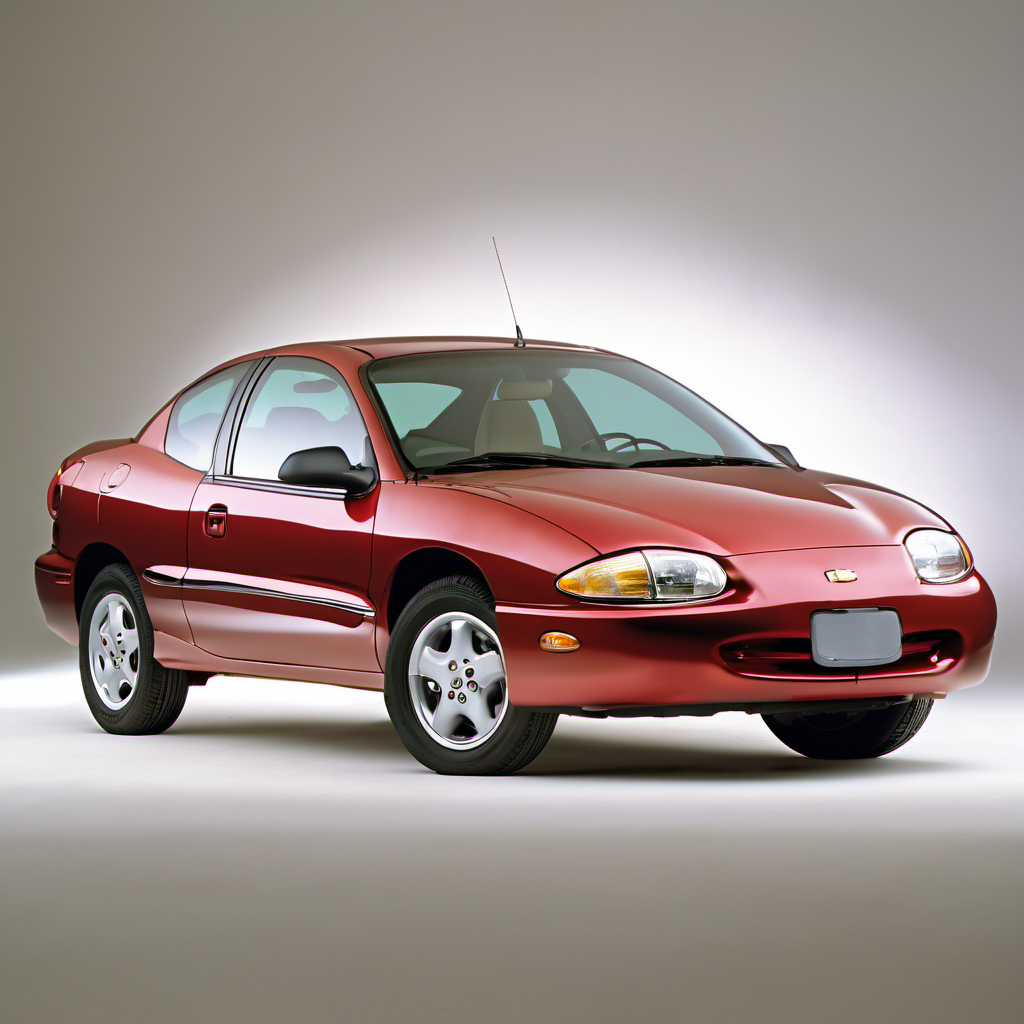
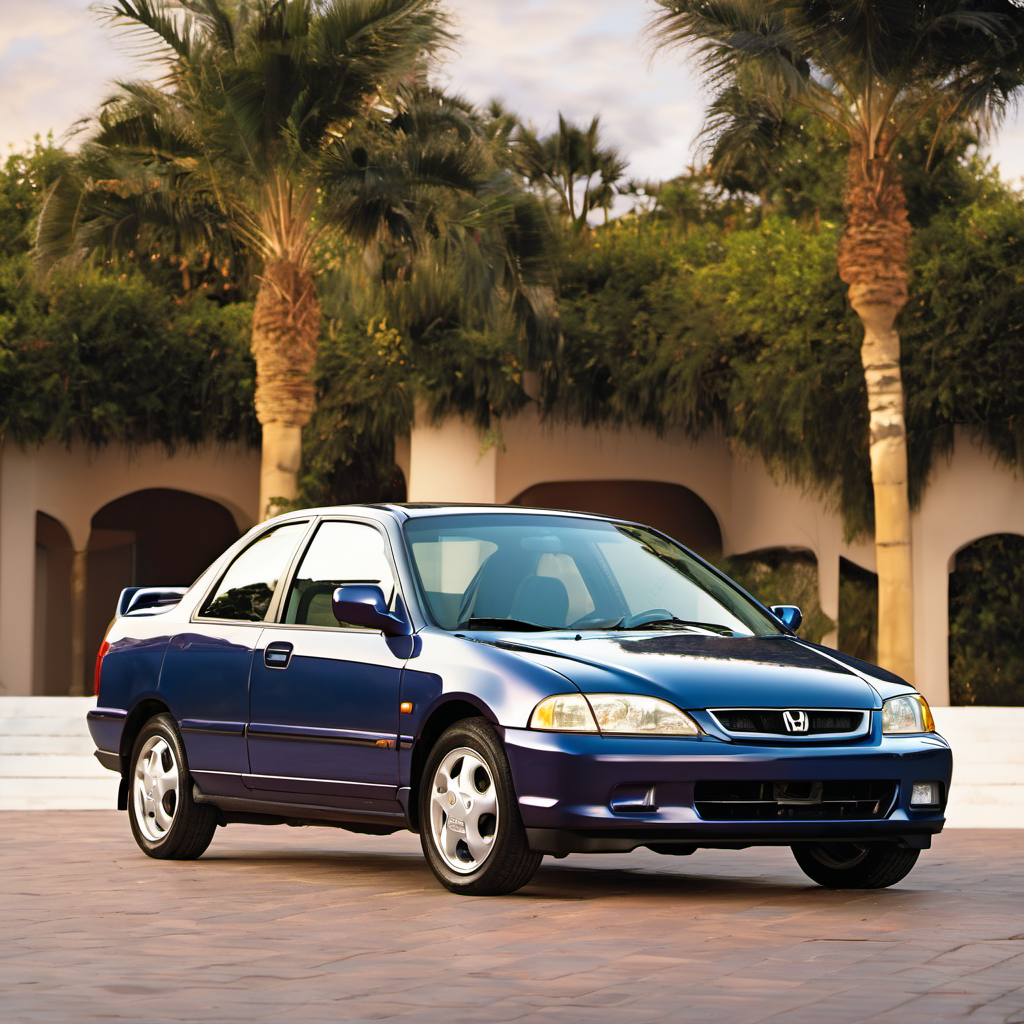
1998 Pontiac Grand Am Sedan

1998 Pontiac

Grand AmSedan

Sedan

The 1998 Pontiac Grand Am is a front-wheel-drive compact sedan built on GM's N-body platform, sharing its bones with the Oldsmobile Achieva and Buick Skylark. It was one of Pontiac's best-selling models through the late '90s, aimed at buyers who wanted sporty styling at an affordable price. The second-gen Grand Am of this era offered a reasonable balance of fuel economy and everyday practicality, making it popular with commuters and young buyers. The 2.4L Twin Cam four-cylinder was the uplevel engine choice for this generation, offering noticeably more power than the base 2.3L. It's a decent performer for a car this size, but the engine family has a documented history of coolant and intake manifold issues that any buyer or owner needs to know about. Mechanical costs can add up quickly on a 26-year-old car. At this age, the Grand Am is a budget-market vehicle. Parts availability from aftermarket suppliers is still reasonable, but the pool of well-maintained examples has shrunk considerably. Any purchase should be preceded by a thorough pre-purchase inspection.

Reliability
2/5
Verified data
Specs shown for Grand Am — the most common configuration. Other trims may vary in engine, drivetrain, or fuel economy. Sign in to see your vehicle's exact specs.
Engine
[object Object]
Drivetrain
FWD
Fuel
Gasoline
MPG
19 city / 30 hwy / 23 combined
Seats
Doors
Body
Compact Cars

Overview

AI-curated

The 1998 Pontiac Grand Am is a front-wheel-drive compact sedan built on GM's N-body platform, sharing its bones with the Oldsmobile Achieva and Buick Skylark. It was one of Pontiac's best-selling models through the late '90s, aimed at buyers who wanted sporty styling at an affordable price. The second-gen Grand Am of this era offered a reasonable balance of fuel economy and everyday practicality, making it popular with commuters and young buyers. The 2.4L Twin Cam four-cylinder was the uplevel engine choice for this generation, offering noticeably more power than the base 2.3L. It's a decent performer for a car this size, but the engine family has a documented history of coolant and intake manifold issues that any buyer or owner needs to know about. Mechanical costs can add up quickly on a 26-year-old car. At this age, the Grand Am is a budget-market vehicle. Parts availability from aftermarket suppliers is still reasonable, but the pool of well-maintained examples has shrunk considerably. Any purchase should be preceded by a thorough pre-purchase inspection.

Known for
  • Sporty styling that appealed to younger buyers
  • The troublesome 2.4L Twin Cam's intake manifold lower gasket failures
  • Affordable purchase price — both new and on the used market today
  • Wide availability of aftermarket mechanical parts
  • Comfortable front seats, cramped rear quarters
Best for
  • Budget-conscious commuters with mechanical aptitude or a trusted shop
  • Short-trip city driving where fuel costs matter
  • Owners who want an inexpensive daily driver and accept the maintenance realities of a late-'90s GM
Watch for
  • Intake manifold lower gasket failure causing coolant loss — very common on 2.4L engines
  • Rust in wheel wells, rocker panels, and subframe — especially severe on Wisconsin-market cars
  • Passlock security system faults causing no-start conditions
  • Cracked plastic coolant reservoir and degraded hoses at this age
  • Worn or failed lower ball joints and struts on high-mileage examples

Common issues by mileage

6 known

Intake Manifold Lower Gasket Failure (coolant leak / oil contamination)

high
Typically appears
60–130k mi
Estimated repair
$350 – $650

Passlock Anti-Theft System No-Start

high
Typically appears
Any mileage
Estimated repair
$100 – $300

Coolant Reservoir Cracking / Radiator Hose Deterioration

high
Typically appears
80k+ mi / age-related
Estimated repair
$80 – $200

Worn Front Struts and Lower Ball Joints

high
Typically appears
80–150k mi
Estimated repair
$350 – $750

Oxygen Sensor Heater Circuit Failure

medium
Typically appears
80–120k mi
Estimated repair
$120 – $280

Wheel Bearing Hub Assembly Wear

medium
Typically appears
90–150k mi
Estimated repair
$200 – $400

Maintenance schedule

  1. 1
    Every 2 years or 30k mi — immediately if history unknown Engine coolant flush and cooling system inspection

    The 2.4L Twin Cam is highly susceptible to internal coolant leaks from the lower intake manifold gasket. Fresh coolant and a pressure test can catch early failures before oil contamination causes engine damage.

  2. 2
    Every 3,000–5,000 mi Oil and filter change with inspection for coolant contamination

    If the intake gasket is weeping internally, coolant mixes with oil. Pull the dipstick and check for a milky, frothy appearance at every oil change. Catching this early saves the engine.

  3. 3
    Every 60k mi or at first sign of cracking/glazing Serpentine belt and tensioner inspection/replacement

    Belt failure at this age is a real risk. A broken serpentine belt kills power steering and charging immediately, and on this engine can lead to rapid overheating.

  4. 4
    Every 30k mi (copper plugs) or as-needed per condition Spark plug and spark plug wire replacement

    The 2.4L Twin Cam can be finicky about ignition. Worn plugs or cracked wires cause misfires and can set false engine management codes. Use OEM-spec plugs.

  5. 5
    Annually or every 15k mi Front strut, ball joint, and tie rod end inspection

    Wisconsin roads are hard on suspension. Ball joint failure on this platform can cause sudden loss of steering control. Do not defer if looseness or clunking is felt.

  6. 6
    Every 2–3 years Brake fluid flush

    Brake fluid absorbs moisture over time, lowering boiling point and corroding internal brake components. Especially important before winter when braking demands are high.

  7. 7
    Every 30k mi Fuel filter replacement

    The in-line fuel filter on this generation is serviceable and inexpensive. A clogged filter strains the fuel pump — and pump replacement is significantly more expensive.

  8. 8
    Every spring after winter season Undercarriage rust inspection

    Lake Geneva road salt accelerates subframe, rocker panel, and brake line corrosion. Catching surface rust early allows treatment before structural integrity is compromised.

Always defer to the manufacturer's service manual for warranty-mandated intervals.

Cost of ownership

Annual maintenance
$600 – $1,800
Fuel
At 23 MPG combined and typical Lake Geneva driving mix, expect roughly $1,600–$2,000/year at current mid-grade gas prices for an average 12,000 mi/yr driver.
Insurance
Liability-only coverage is typical for a vehicle of this value; expect $400–$800/year depending on driver profile. Full coverage rarely makes financial sense at this market value.

The Grand Am is cheap to buy but maintenance costs on a 26-year-old example can be unpredictable. If the big-ticket items (intake gasket, struts, cooling system) have already been addressed and documented, annual maintenance can stay in the low end of the range. An example with deferred maintenance or unknown history could easily require $2,000+ in the first year of ownership to get right. Budget accordingly and don't skip the pre-purchase inspection.
Seasonal care

Lake Geneva, WI
Winter
  • Switch to a full-synthetic 5W-30 oil before temperatures drop below 20°F — the 2.4L Twin Cam benefits from faster cold-start lubrication to protect the valvetrain.
  • Test the battery load capacity each fall. Cold cranking amps drop sharply below 0°F and a marginal battery that starts fine in October will fail in January.
  • Inspect all coolant hoses and the plastic reservoir before winter — freeze-thaw cycles crack already-brittle plastic on a car this age.
  • Use a winter-rated washer fluid rated to at least -20°F. Lake Geneva winters routinely hit those temps and summer fluid will freeze solid on the windshield.
  • Install winter wiper blades to prevent ice buildup on the wiper arm that causes streaking and missed clearing.
  • Inspect brake lines and rubber brake hoses underneath for salt corrosion and swelling — a compromised line can fail suddenly in winter braking conditions.
Summer
  • Monitor coolant temperature closely in stop-and-go traffic — the 2.4L's intake gasket issues are aggravated by overheating. If the temp gauge climbs above normal, pull over immediately.
  • Check tire pressure monthly — tire pressure drops roughly 1 PSI for every 10°F of temperature change. Tires inflated for Wisconsin winter will be under-inflated in summer heat.
  • Inspect the A/C system for refrigerant charge and compressor clutch operation. On a 26-year-old car, A/C seals and the condenser are likely degraded.
  • Verify the radiator cooling fans are operating at full speed — a lazy fan relay or failing motor will cause heat soak in traffic on hot days.

Comparable vehicles

If you're shopping for one

Red flags
  • Milky oil or visible coolant residue around the intake manifold — walk away unless priced to account for an immediate engine repair.
  • Any visible rust through the rocker panels, floor pan, or subframe — structural rust on a car this value is rarely worth repairing.
  • A security warning light that stays on or flashes during startup — Passlock repairs range from manageable to a recurring headache.
  • Overheating history or a replaced water pump with no intake gasket repair — suggests the root cause was never addressed.
  • No maintenance records whatsoever on a 26-year-old vehicle — too much unknown risk at any price.
What to inspect
  • Pull the oil dipstick and look for milky or frothy oil — a dead giveaway of internal coolant intrusion from the intake manifold gasket.
  • Pressure-test the cooling system before purchase; look for a drop in pressure indicating the intake gasket or head gasket is leaking.
  • Check all four rocker panels and the subframe underneath for rust — Wisconsin salt cars often show serious structural corrosion here.
  • Test the Passlock system: turn the key to 'on,' wait, and verify the security light does not stay illuminated after startup. A flashing or steady security light signals a pending no-start issue.
  • Listen for clunking or popping from the front suspension over bumps — worn struts and ball joints are extremely common at this age.
  • Verify the A/C blows cold and the cooling fans cycle properly.
  • Ask for any documentation of intake manifold gasket replacement — if it was done, confirm with a receipt or shop record.
AI profile generated 1 hr ago · claude-sonnet-4-6 · v2.