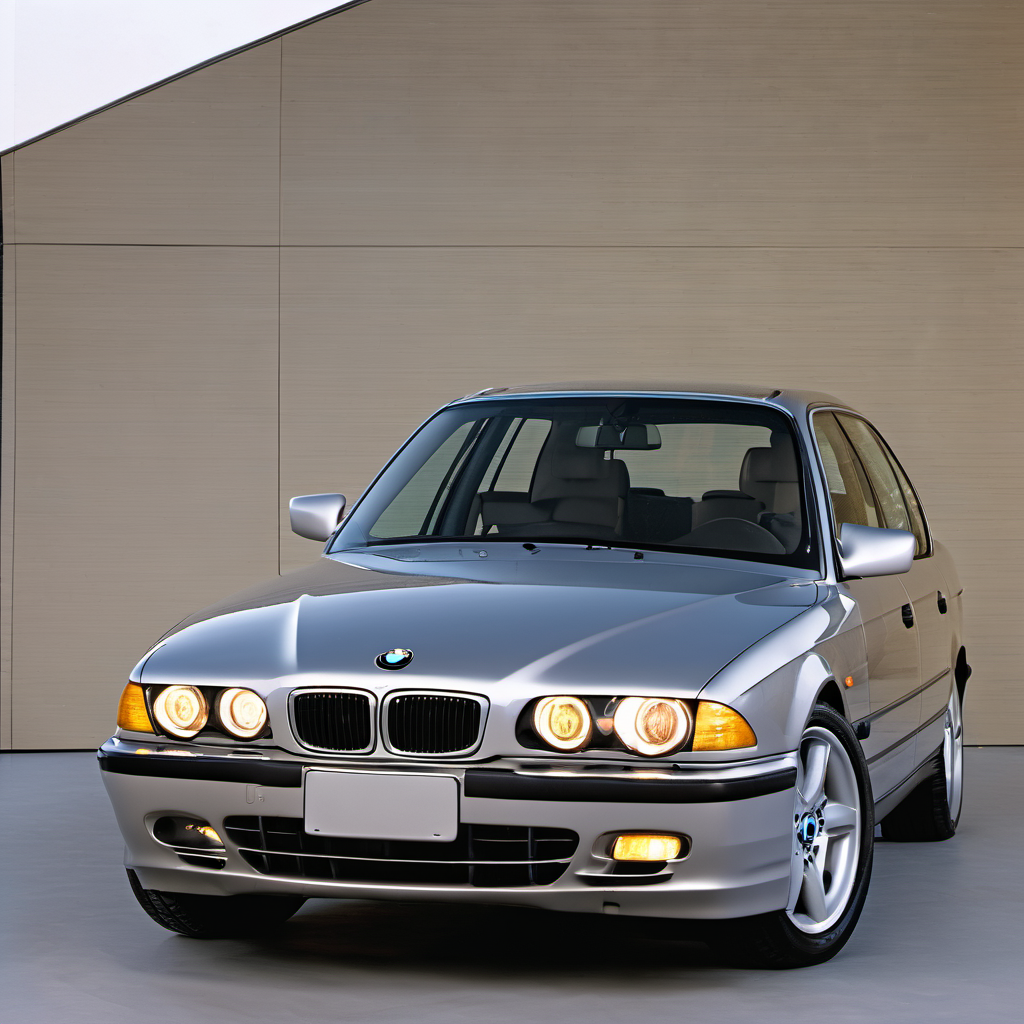
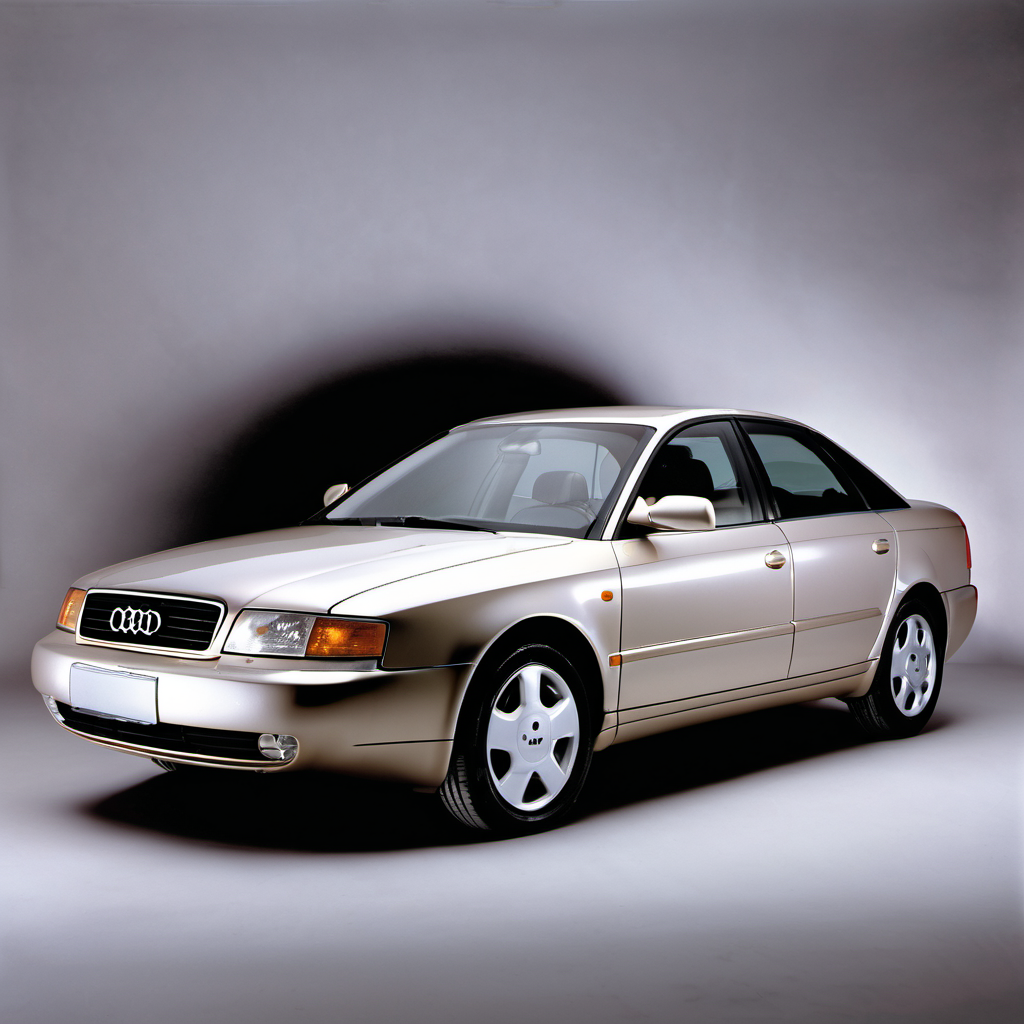
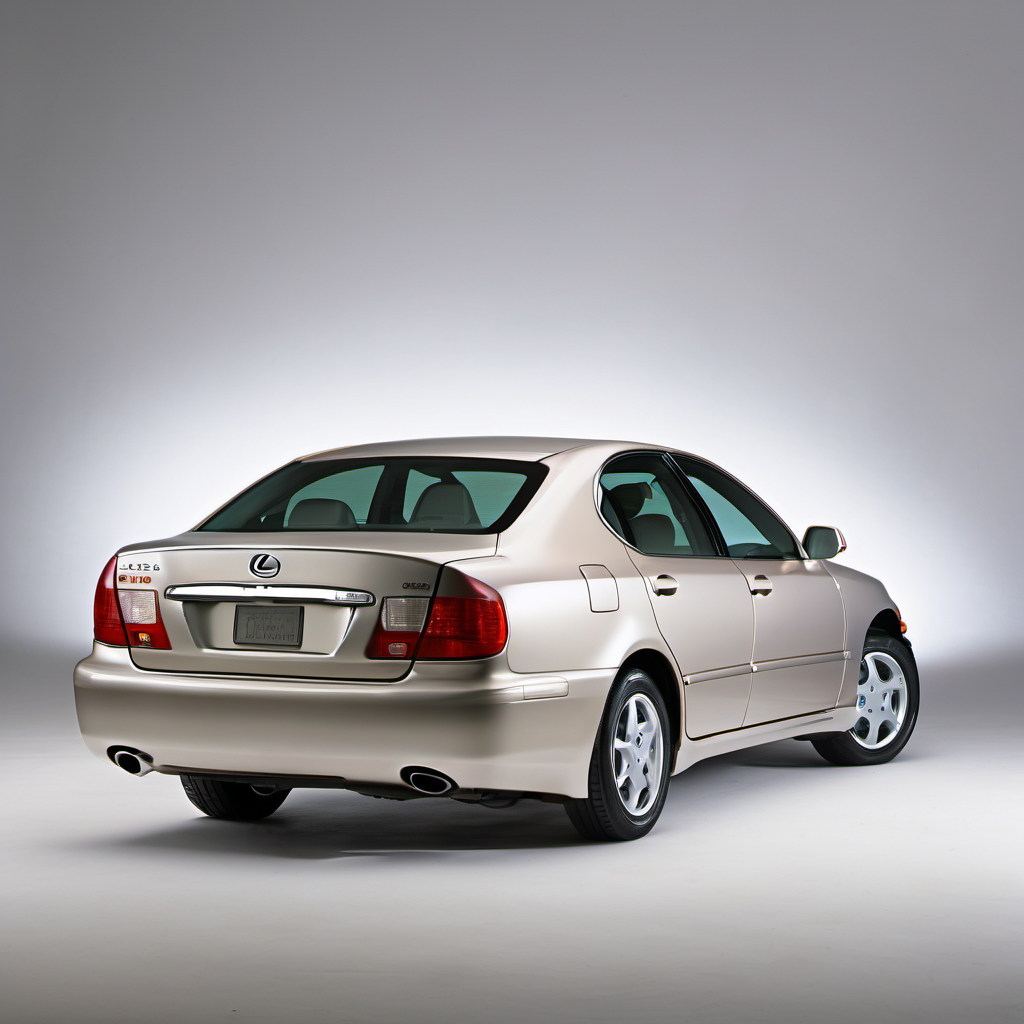
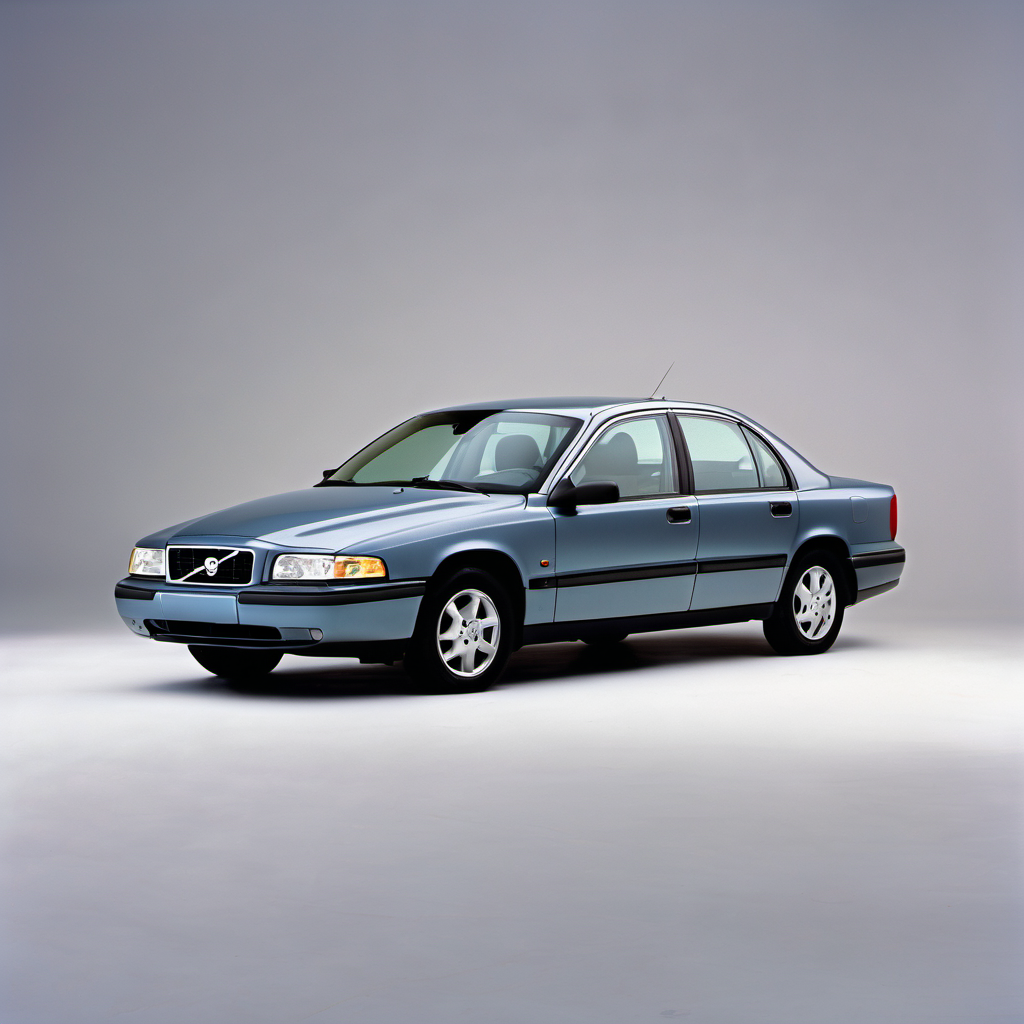
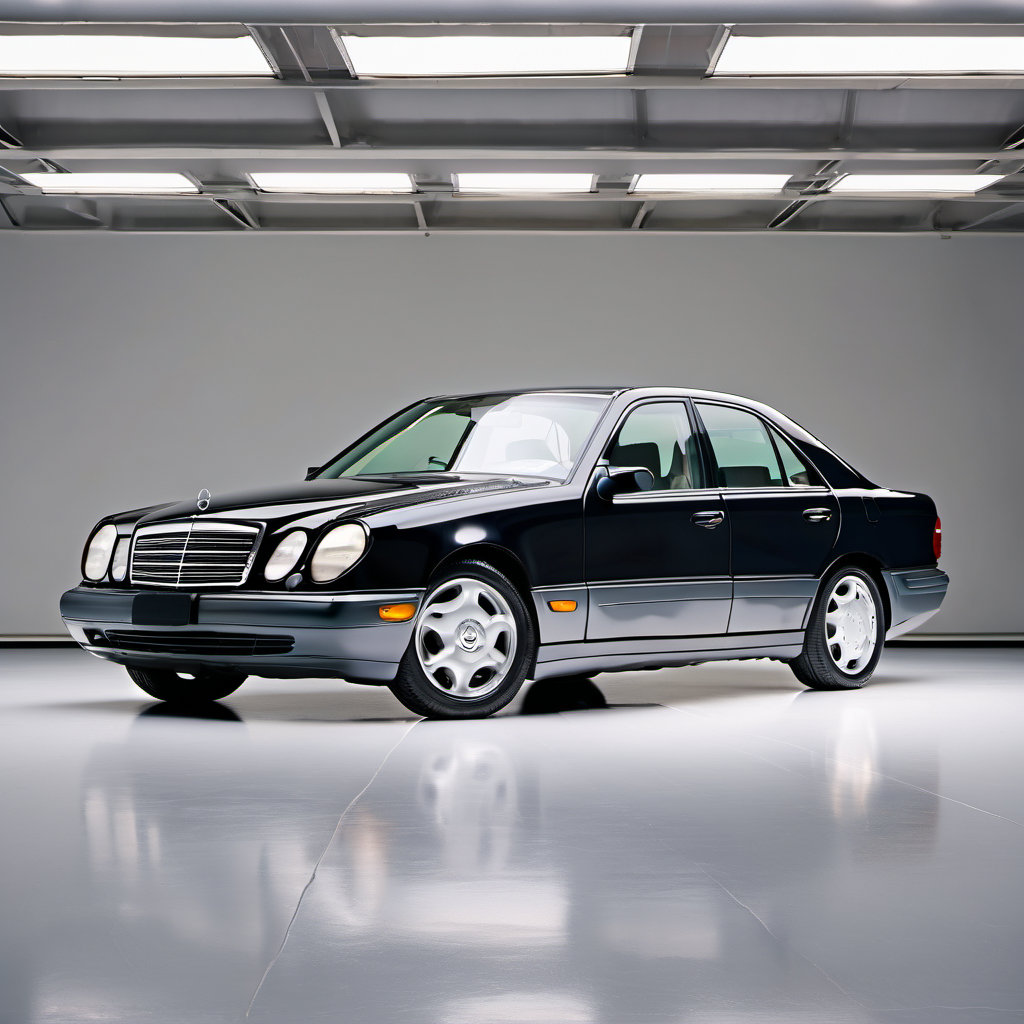
1998 BMW 5 Series Sedan
Popular pick

1998 BMW

5 SeriesSedan

Sedan

The 1998 BMW 5 Series (E39 generation) is widely regarded as one of BMW's finest achievements — a rear-wheel-drive executive sedan that balanced engaging driving dynamics with genuine long-distance comfort. The E39 replaced the older E34 in 1996 and brought a cleaner, more aerodynamic body along with significant chassis and suspension refinements. The 528i trim, powered by BMW's M52 2.8L inline-six, is the sweet spot of the lineup: smooth, willing, and capable of high mileage when properly maintained. This generation is a favorite among enthusiasts and practical BMW buyers alike, largely because the mechanicals are well-understood and parts are still reasonably available. The M52 engine is durable but not maintenance-free — cooling system components and the intake manifold gaskets are predictable wear items. Deferred maintenance will cost you far more than keeping up with the service schedule. Buying a used E39 in the Lake Geneva area requires extra attention to underbody corrosion from Wisconsin road salt, and the cooling system should be treated as a consumable at this age. Find a well-documented example and it can be a rewarding, characterful daily driver.

Reliability
3/5
Verified data
Specs shown for 528i — the most common configuration. Other trims may vary in engine, drivetrain, or fuel economy. Sign in to see your vehicle's exact specs.
Engine
[object Object]
Drivetrain
RWD
Fuel
Gasoline
MPG
16 city / 24 hwy / 19 combined
Seats
Doors
Body
Compact Cars

Overview

AI-curated

The 1998 BMW 5 Series (E39 generation) is widely regarded as one of BMW's finest achievements — a rear-wheel-drive executive sedan that balanced engaging driving dynamics with genuine long-distance comfort. The E39 replaced the older E34 in 1996 and brought a cleaner, more aerodynamic body along with significant chassis and suspension refinements. The 528i trim, powered by BMW's M52 2.8L inline-six, is the sweet spot of the lineup: smooth, willing, and capable of high mileage when properly maintained. This generation is a favorite among enthusiasts and practical BMW buyers alike, largely because the mechanicals are well-understood and parts are still reasonably available. The M52 engine is durable but not maintenance-free — cooling system components and the intake manifold gaskets are predictable wear items. Deferred maintenance will cost you far more than keeping up with the service schedule. Buying a used E39 in the Lake Geneva area requires extra attention to underbody corrosion from Wisconsin road salt, and the cooling system should be treated as a consumable at this age. Find a well-documented example and it can be a rewarding, characterful daily driver.

Known for
  • Exceptional driving dynamics and steering feel for an executive sedan
  • Silky, naturally-aspirated M52 2.8L inline-six
  • Refined long-distance highway comfort
  • Strong aftermarket and enthusiast support even at 25+ years old
  • Understated, timeless styling that ages well
Best for
  • Enthusiast who wants a driver's car with back-seat room
  • Highway commuters who enjoy the driving experience
  • Buyers comfortable with European car maintenance costs
  • Someone who wants a classic BMW before prices climb further
Watch for
  • Cooling system failures — thermostats, water pumps, and expansion tanks are age-critical at this point
  • VANOS (variable valve timing) wear, especially on high-mileage examples
  • Subframe mounting point rust — a known structural issue on E39s in salt-belt states
  • Deferred service history; many of these are now on third or fourth owners with spotty records
  • Expensive electrical gremlins from aging wiring harnesses and control modules

Common issues by mileage

6 known

Cooling system failure (thermostat, water pump, expansion tank)

high
Typically appears
80k–150k mi (or any age past 15 years)
Estimated repair
$400 – $900

VANOS unit seal wear — rough idle, low-end power loss

high
Typically appears
80k–160k mi
Estimated repair
$300 – $700

Oxygen sensor / heated O2 sensor circuit failure

medium
Typically appears
80k–130k mi
Estimated repair
$150 – $350

Rear subframe mounting point corrosion (structural — rust-through of body mount)

high
Typically appears
Any mileage on salt-belt cars
Estimated repair
$800 – $3,000

Window regulator failure (front and rear)

high
Typically appears
80k–150k mi
Estimated repair
$200 – $450

Intake manifold gasket / idle control valve — rough idle and vacuum leaks

medium
Typically appears
100k–180k mi
Estimated repair
$250 – $600

Maintenance schedule

  1. 1
    Every 60k miles OR immediately if not documented on a used purchase Cooling system full refresh — thermostat, water pump, expansion tank, all hoses and clamps

    The plastic components in this cooling system become brittle with age and heat cycling. On a 25-year-old car, this is not optional maintenance — it is overdue. An unexpected coolant loss at highway speed can destroy the engine quickly.

  2. 2
    Every 5,000 miles (do not rely on the BMW service interval indicator on a car this old) Engine oil and filter change with BMW-spec full synthetic

    The M52 engine's VANOS system depends on clean oil pressure. Sludge from extended intervals is a primary cause of VANOS failure and camshaft wear.

  3. 3
    Inspect at 80k miles; service if seals show oil weeping or if idle is rough VANOS seal inspection and service

    Worn VANOS seals reduce oil pressure to the variable valve timing unit, causing sluggish low-end response and eventual timing faults.

  4. 4
    Every 30k miles Spark plugs and ignition coil pack inspection

    The E39 528i uses individual coil-on-plug ignition. Coils can fail individually; replacing plugs on schedule reduces stress on the coils.

  5. 5
    Every 2 years regardless of mileage Brake fluid flush

    BMW specifies a 2-year brake fluid interval. Hygroscopic fluid in an aging system leads to corrosion in the ABS module and master cylinder — expensive repairs.

  6. 6
    Every fall, before Wisconsin winter Underbody inspection — subframe mounts, trailing arm mounts, fuel/brake lines

    The rear subframe mounting points are a known rust failure area on E39s driven in salt states. Catching early corrosion allows for reinforcement repair; catching it late means structural failure.

  7. 7
    Every 50k miles Differential and manual transmission fluid (if applicable) change

    Often overlooked on used cars. Fresh fluid protects the rear differential — a costly component to replace.

  8. 8
    Every 15k miles or annually Cabin air microfilter replacement

    A clogged filter reduces A/C and heat efficiency and puts added load on the blower motor, which is expensive to replace on the E39.

Always defer to the manufacturer's service manual for warranty-mandated intervals.

Cost of ownership

Annual maintenance
$800 – $2,500
Fuel
Premium 91+ octane required. At ~19 MPG combined, expect $2,200–$2,800/year at typical Wisconsin pump prices for an average driver.
Insurance
Moderate — typically $900–$1,400/year for a driver with a clean record in the Lake Geneva area. The car's age and low market value keep premiums reasonable, though comprehensive coverage may not pencil out.

The E39 528i is cheap to buy but not cheap to own. Routine maintenance costs are moderate, but this car is now old enough that you should budget for unexpected repairs every year. A well-maintained car with a full service history will sit near the low end of that maintenance range; a neglected one can easily exceed $4,000 in a single year catching up on deferred work. Budget for at least one unplanned repair annually — that is realistic ownership for any 25-year-old European sedan.
Seasonal care

Lake Geneva, WI
Winter
  • Inspect the battery before first hard freeze — cold cranking amps drop sharply below 20°F and this car's many electronics draw more than average at startup.
  • Switch to a full synthetic 0W-30 or 5W-30 if not already used; the VANOS system needs fast oil pressure at cold starts.
  • Flush and refill coolant if it hasn't been done recently — verify freeze protection to at least -34°F given Lake Geneva's sub-zero potential.
  • Inspect underbody brake lines and fuel lines for any existing rust before salt season; seal exposed metal where possible.
  • Use winter-rated washer fluid rated to -20°F or lower — the E39's windshield is large and jets can freeze mid-drive.
  • Check that door seals and trunk seals are supple; cracked rubber allows moisture intrusion that accelerates interior and electrical corrosion.
Summer
  • Inspect the cooling system before summer heat — the E39's all-plastic expansion tank and thermostat housing can crack without warning when under-hood temps peak.
  • Check tire pressure monthly; ambient temperature swings between Wisconsin spring and summer can shift pressure by 4–6 PSI.
  • Run the A/C system and verify it cools properly; the E39's HVAC blend door actuators are known to fail, and a summer recharge may be needed if the system has sat.
  • Inspect serpentine and accessory belts for cracking — heat accelerates rubber degradation on a car this age.

Comparable vehicles

If you're shopping for one

Red flags
  • No service records whatsoever — walk away or price in a full deferred-maintenance catch-up ($2,000+).
  • Any rust bubbling at the rear wheel arches or visible perforation at the subframe mounts.
  • Coolant that is brown, rusty, or has a sweet smell inside the cabin — indicates a long-ignored cooling system or possible head gasket issue.
  • Engine oil that is black and sludgy at the dipstick — suggests extended drain intervals that may have already damaged the VANOS.
  • Mismatched or recently painted body panels that weren't disclosed — indicates prior accident repair.
  • Any evidence of standing water in the trunk or interior carpet — BMW E39 sunroof drains and door seals fail with age and water intrusion destroys electronics.
What to inspect
  • Rear subframe mounting points — have a shop put it on a lift and probe the four body mounts for rust-through; this is a pass/fail item in Wisconsin.
  • Cooling system: check for milky residue on the oil cap, coolant color (should not be brown or rusty), and any seepage around the expansion tank or hoses.
  • VANOS function: start cold and listen for a rough idle or a metallic rattling from the front of the engine that clears once warm.
  • All four window regulators — test every window at least three full cycles before buying.
  • Check the sunroof drain operation — blocked drains pour water into the interior and floor electronics.
  • Review the service history specifically for cooling system work, oil change intervals, and brake fluid changes.
  • Scan for stored fault codes before purchase — particularly any network (U-code) faults that suggest module communication problems.
AI profile generated 4 days ago · claude-sonnet-4-6 · v2.