Electronic Throttle Module (ETM) Failure
high- Typically appears
- 60–150k mi
- Estimated repair
- $300 – $700
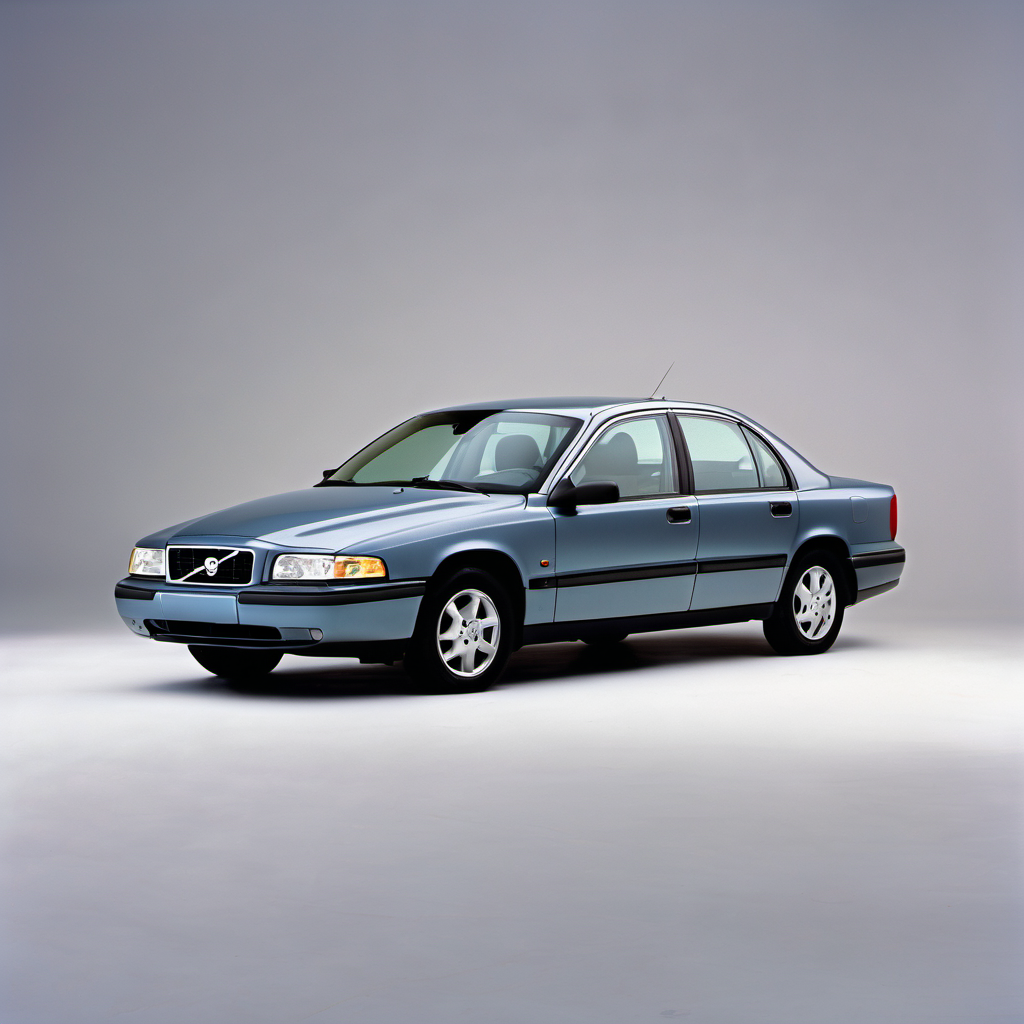
1998 Volvo
Sedan
The 1998 Volvo S70 is a front-wheel-drive European sedan built on Volvo's long-running 850 platform. It carried over the turbocharged 2.3L inline-5 engine that made the 850 T5 famous, wrapped in a slightly refreshed body with revised interior trim. It was marketed as a premium daily driver with a strong safety pedigree — a Volvo hallmark — and offered a genuine European driving feel at a price below German competitors. By the late 1990s, Volvo had refined the 850's mechanical package into something reasonably sorted, but the S70 still carries the characteristic quirks of late-'90s Swedish engineering: a turbocharged engine that rewards attentive maintenance and punishes neglect, FWD under meaningful boost, and electronics that age in ways that can be expensive. Parts availability has narrowed as the car has aged, making a well-documented service history especially important. Today the S70 occupies a niche as an affordable classic daily driver. Well-maintained examples are genuinely pleasant to own, but deferred maintenance on a 25-year-old turbocharged sedan can get costly fast. Buy the best-kept example you can find, not the cheapest.
The 1998 Volvo S70 is a front-wheel-drive European sedan built on Volvo's long-running 850 platform. It carried over the turbocharged 2.3L inline-5 engine that made the 850 T5 famous, wrapped in a slightly refreshed body with revised interior trim. It was marketed as a premium daily driver with a strong safety pedigree — a Volvo hallmark — and offered a genuine European driving feel at a price below German competitors. By the late 1990s, Volvo had refined the 850's mechanical package into something reasonably sorted, but the S70 still carries the characteristic quirks of late-'90s Swedish engineering: a turbocharged engine that rewards attentive maintenance and punishes neglect, FWD under meaningful boost, and electronics that age in ways that can be expensive. Parts availability has narrowed as the car has aged, making a well-documented service history especially important. Today the S70 occupies a niche as an affordable classic daily driver. Well-maintained examples are genuinely pleasant to own, but deferred maintenance on a 25-year-old turbocharged sedan can get costly fast. Buy the best-kept example you can find, not the cheapest.
The turbocharged I5 is highly susceptible to oil sludge. Tight intervals are the single most important thing you can do to keep this engine alive.
Thermostat housing, hoses, and reservoir are plastic and age poorly. Fresh coolant maintains correct pH and prevents internal corrosion.
Interference engine — a snapped timing belt causes catastrophic valve and piston damage. If you don't know when it was last done, do it now.
Worn plugs cause misfires that stress the catalytic converter and turbocharged engine. The inline-5 is sensitive to ignition health.
This is the most notorious S70 failure point. Early cleaning or proactive replacement prevents a no-start or limp-mode situation.
Brake fluid is hygroscopic. Wisconsin winters create moisture contamination faster than most climates. Fresh fluid protects ABS components.
Lake Geneva road salt is hard on the S70's underbody. Catching surface rust early — especially on subframe mounts and brake lines — is far cheaper than letting it progress.
Age-hardened belts crack and fail suddenly, taking out the alternator, A/C, or power steering in the process.
Always defer to the manufacturer's service manual for warranty-mandated intervals.
The S70 has a low purchase price today, but that's partly offset by the cost of keeping a 25-year-old turbocharged European sedan in good shape. Routine maintenance is manageable at an independent Volvo shop; the big costs come from deferred work — timing belt, ETM, cooling system, and turbo components can all arrive at once if the car hasn't been cared for. Budget for catch-up work at purchase. A well-maintained example with up-to-date service is genuinely affordable to run year to year.
Same era European sport sedan with a turbocharged inline engine character, similar premium positioning and ownership cost profile. The BMW is RWD and arguably more driver-focused; the Volvo is safer and more practical.
No catalog match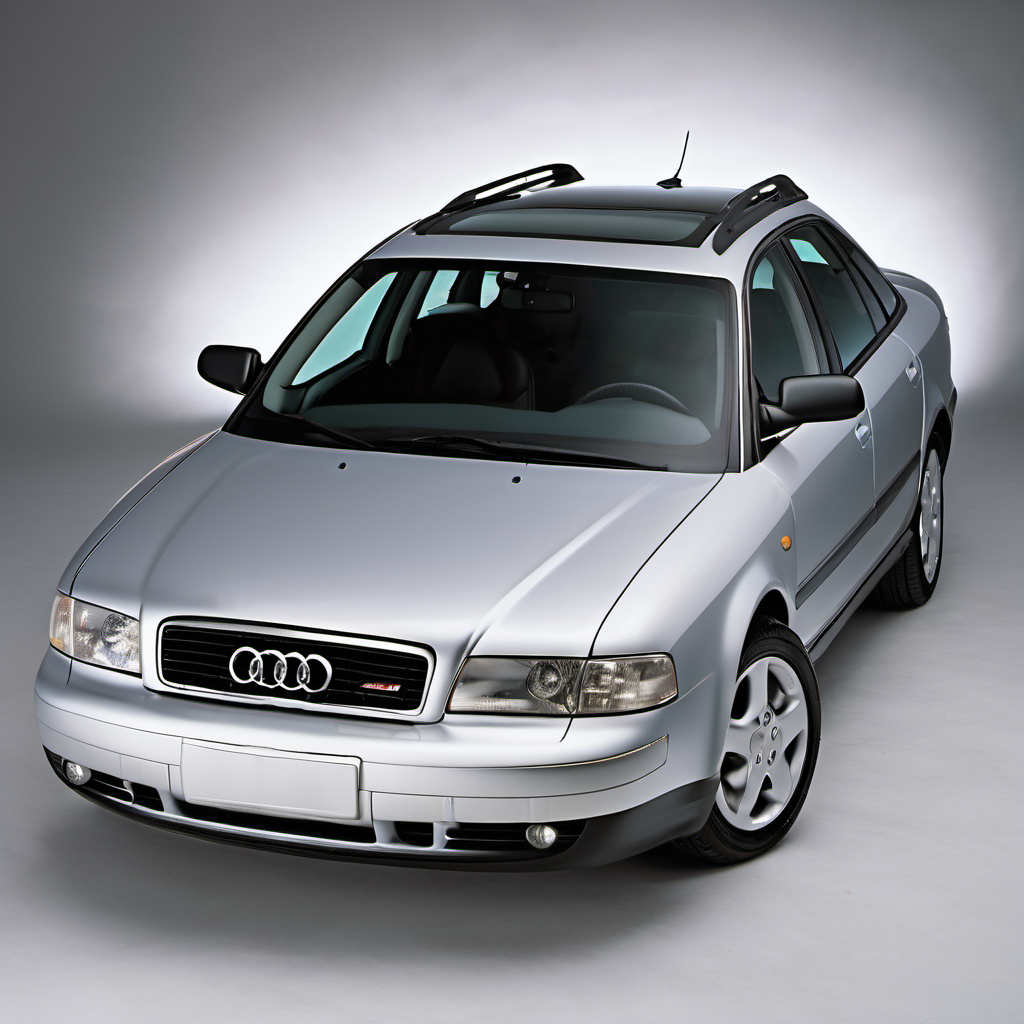
Direct European sedan competitor in the same price bracket. The A4 offers AWD (Quattro) which is a real advantage in Wisconsin winters, but adds drivetrain complexity and maintenance cost.
Swedish turbocharged sedan of the same era with a very similar ownership experience — European quirkiness, strong safety focus, turbo maintenance dependency. Parts are even harder to find today.
No catalog match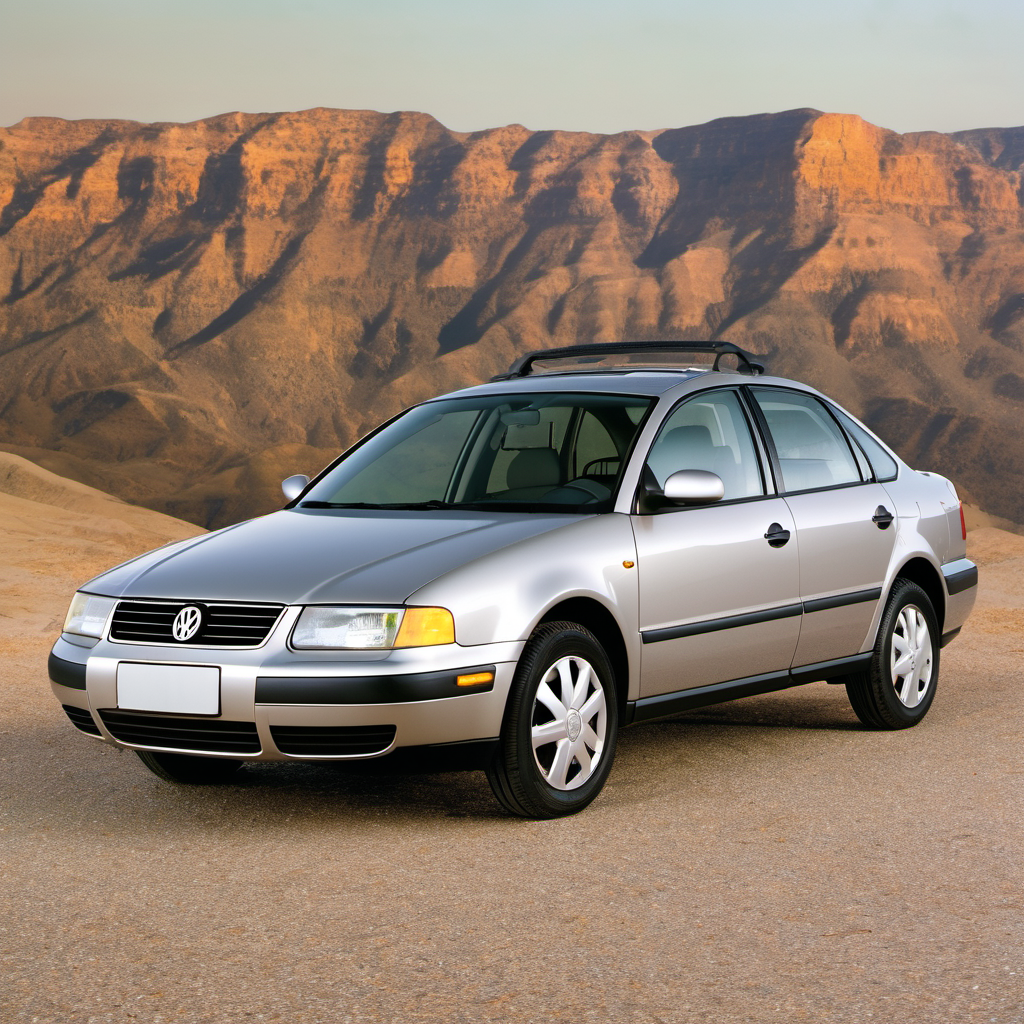
European sedan in the same segment with a lower entry price. The 1.8T Passat shares the turbo-maintenance-sensitivity profile but with broader parts availability and more mechanic familiarity in the U.S.