Underbody and subframe rust
high- Typically appears
- All mileages on Midwest/salt-belt cars
- Estimated repair
- $200 – $2,500
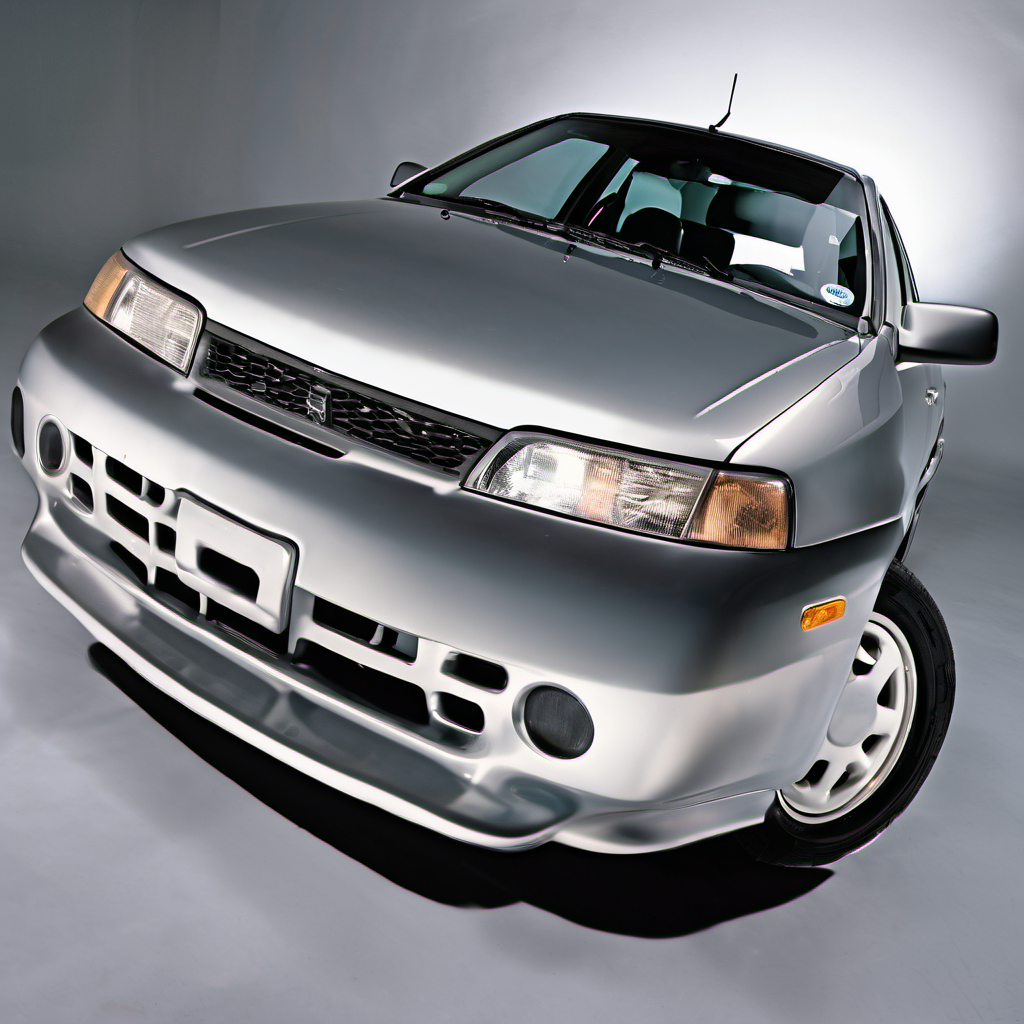
1997 Nissan
1.6L I4 (GA16DE) · Sedan
The 1997 Nissan Sentra is a compact front-wheel-drive sedan that represented Nissan's bread-and-butter economy car for the late 1990s. Powered by a 1.6L four-cylinder engine and available with either a 5-speed manual or 4-speed automatic, it was designed from the ground up for low cost of ownership — cheap to fuel, cheap to insure, and cheap to fix when something does go wrong. At nearly 30 years old, any surviving example is now a high-mileage used car. The mechanicals are simple and parts remain widely available, but rust, worn suspension components, and deferred maintenance are the real enemies on a car this age. The GA16DE engine in this generation is a known reliable unit, but it won't tolerate neglect — sludge from infrequent oil changes is the number-one killer. For a buyer in the Lake Geneva area, the biggest concern is underbody and frame rust from decades of Wisconsin road salt exposure. A clean example with documented maintenance history can still be a dependable daily driver. A neglected one will nickel-and-dime you into the ground.
The 1997 Nissan Sentra is a compact front-wheel-drive sedan that represented Nissan's bread-and-butter economy car for the late 1990s. Powered by a 1.6L four-cylinder engine and available with either a 5-speed manual or 4-speed automatic, it was designed from the ground up for low cost of ownership — cheap to fuel, cheap to insure, and cheap to fix when something does go wrong. At nearly 30 years old, any surviving example is now a high-mileage used car. The mechanicals are simple and parts remain widely available, but rust, worn suspension components, and deferred maintenance are the real enemies on a car this age. The GA16DE engine in this generation is a known reliable unit, but it won't tolerate neglect — sludge from infrequent oil changes is the number-one killer. For a buyer in the Lake Geneva area, the biggest concern is underbody and frame rust from decades of Wisconsin road salt exposure. A clean example with documented maintenance history can still be a dependable daily driver. A neglected one will nickel-and-dime you into the ground.
The GA16DE is prone to sludge buildup at this age. Frequent oil changes are the single most important thing you can do to keep this engine alive. Do not stretch intervals.
Aging rubber hoses and a 27-year-old cooling system are an overheating risk. Inspect all hoses for cracks, softness, and swelling each service visit.
Old ignition components cause rough idle and poor fuel economy. Inexpensive on this engine and easy to DIY.
Wisconsin road salt attacks brake lines, fuel lines, and the subframe. Catching rust early is far cheaper than dealing with a compromised subframe or a burst brake line.
Brake fluid absorbs moisture over time, lowering boiling point and accelerating corrosion inside calipers and wheel cylinders — a real concern on an older car in a wet, salty climate.
The 4-speed automatic in this generation does not have a serviceable filter, but a drain-and-fill keeps the fluid fresh and extends transmission life significantly.
A clogged air filter hurts fuel economy and performance on the small 1.6L engine more noticeably than on larger displacement motors.
Worn suspension components on a car this age can cause rapid and uneven tire wear. Rotation plus a quick alignment check catches suspension drift before it costs you a set of tires.
Always defer to the manufacturer's service manual for warranty-mandated intervals.
Day-to-day costs are about as low as a car gets. Parts are cheap and plentiful. The real ownership risk on a 27-year-old Wisconsin car is a large one-time repair — rust remediation, a cooling system failure, or transmission work. Budget a $500–$1,000 emergency repair reserve on top of routine maintenance.
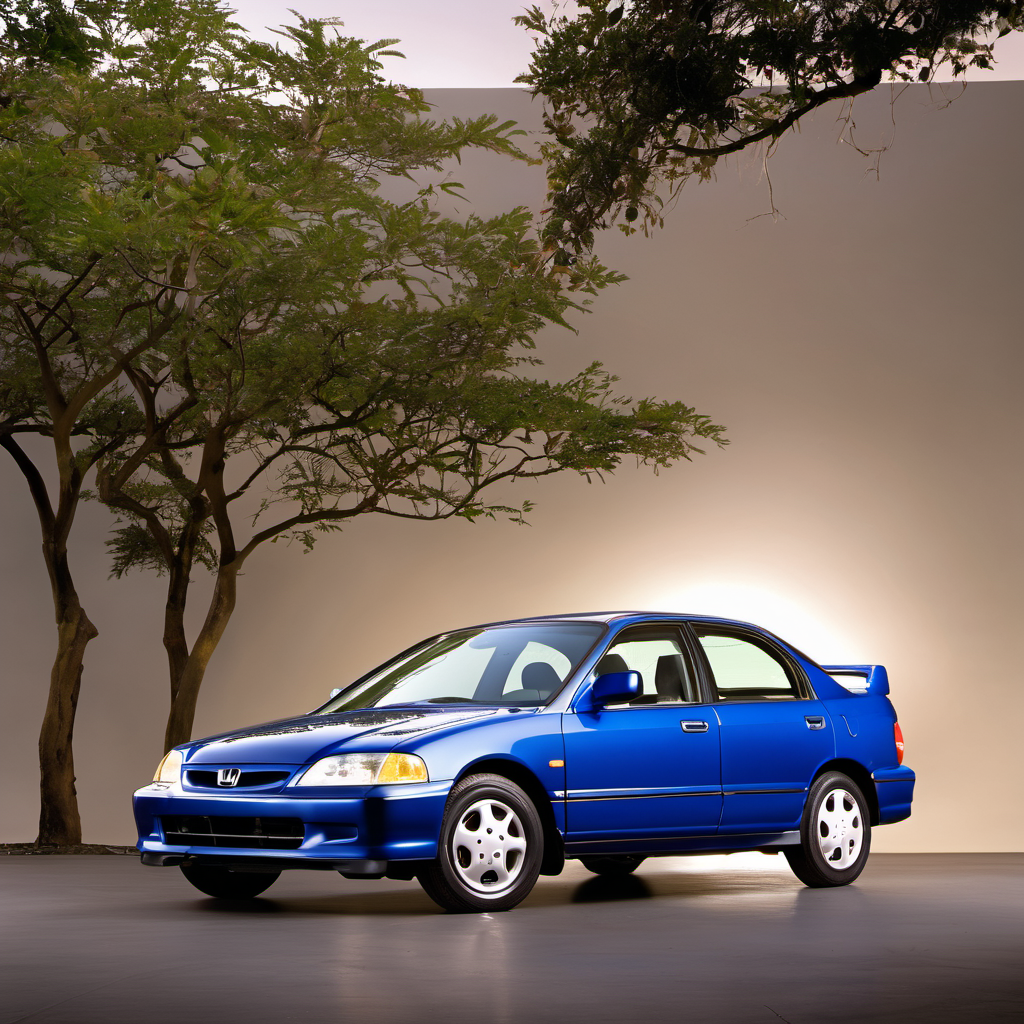
The direct class rival — slightly more refined and arguably better resale/parts support, but similarly simple and reliable. Civics of this era are often priced higher than Sentras for the same mileage.
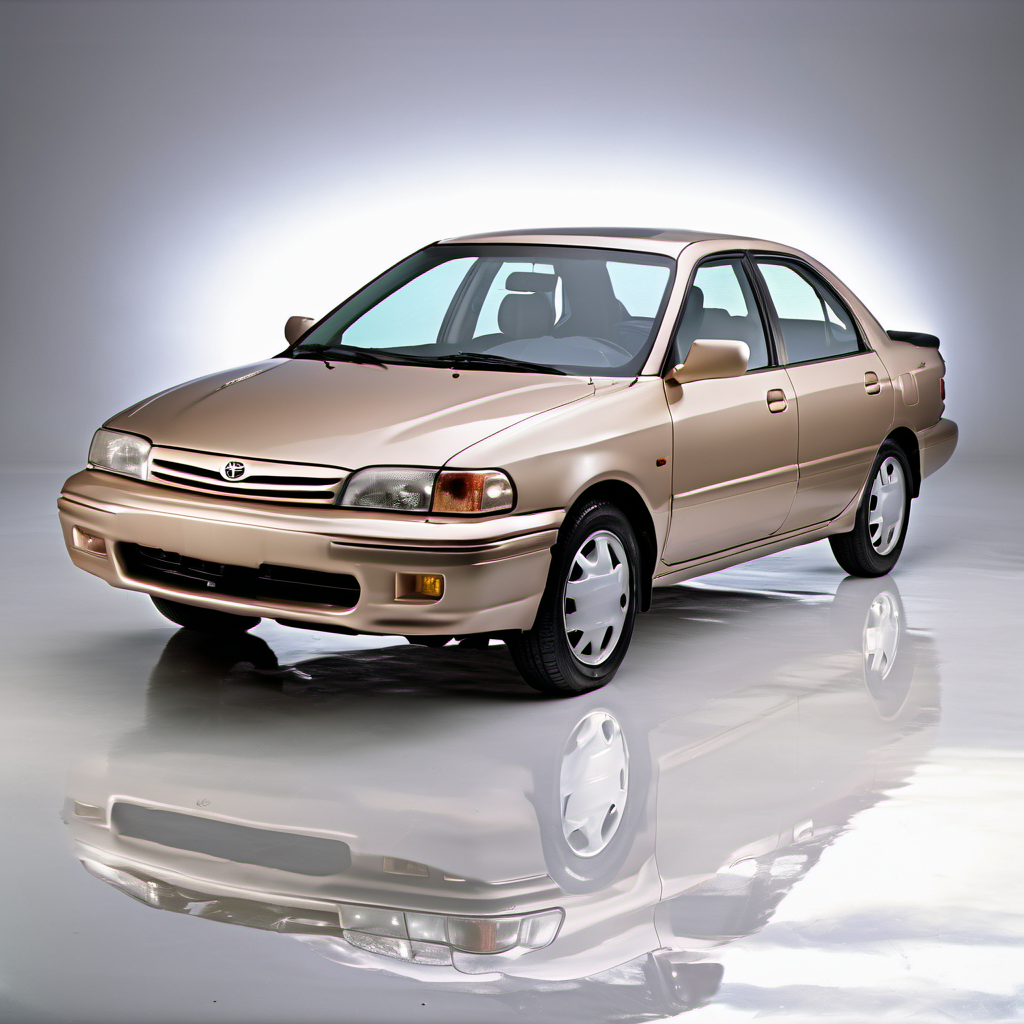
Another direct competitor with a similarly durable engine. Corollas of this era tend to command a premium over Sentras but offer comparable reliability and parts availability.
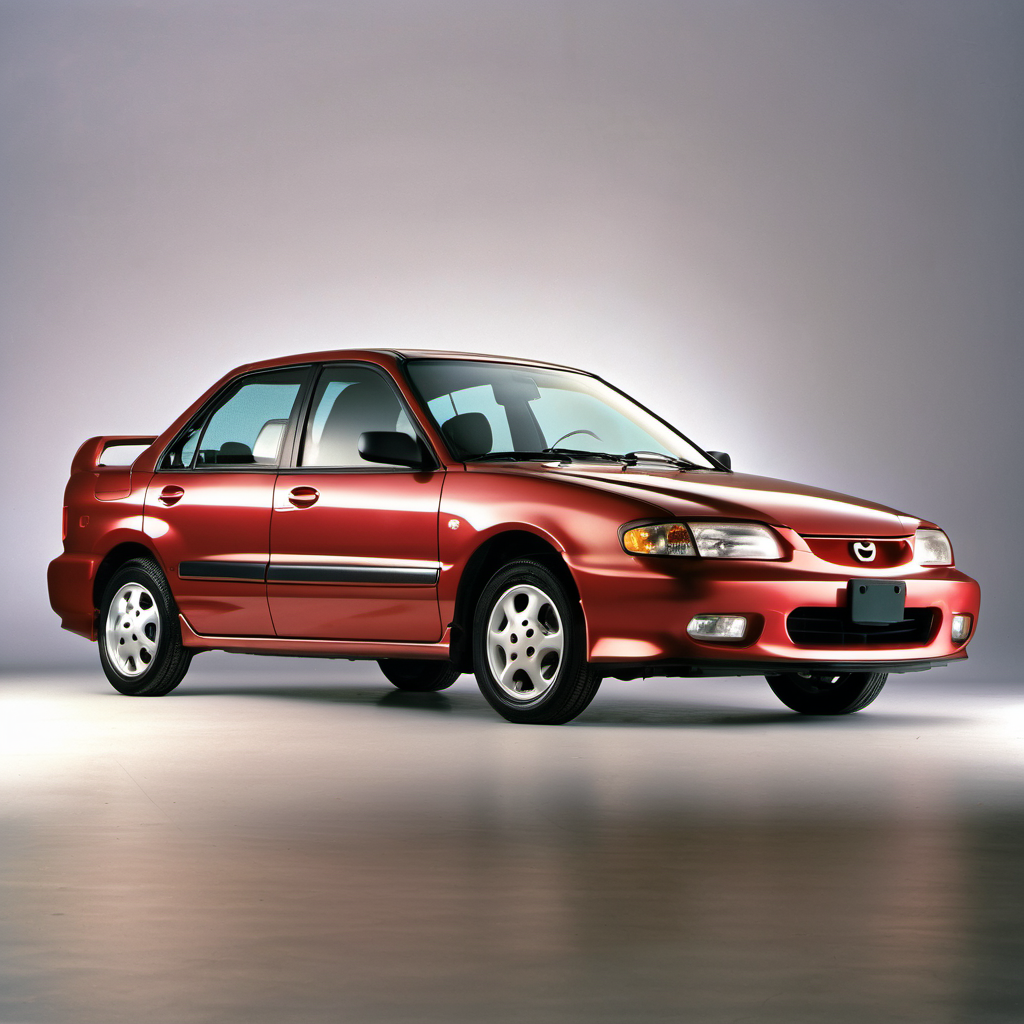
Same segment, same price point, similar ownership costs. The Protegé is sportier to drive but slightly harder to find parts for at this age.
A budget economy sedan of the same era. Rust-resistant polymer body panels are an advantage in Wisconsin, but Saturn parts supply has dried up and mechanical support can be harder to source than for the Sentra.
No catalog match