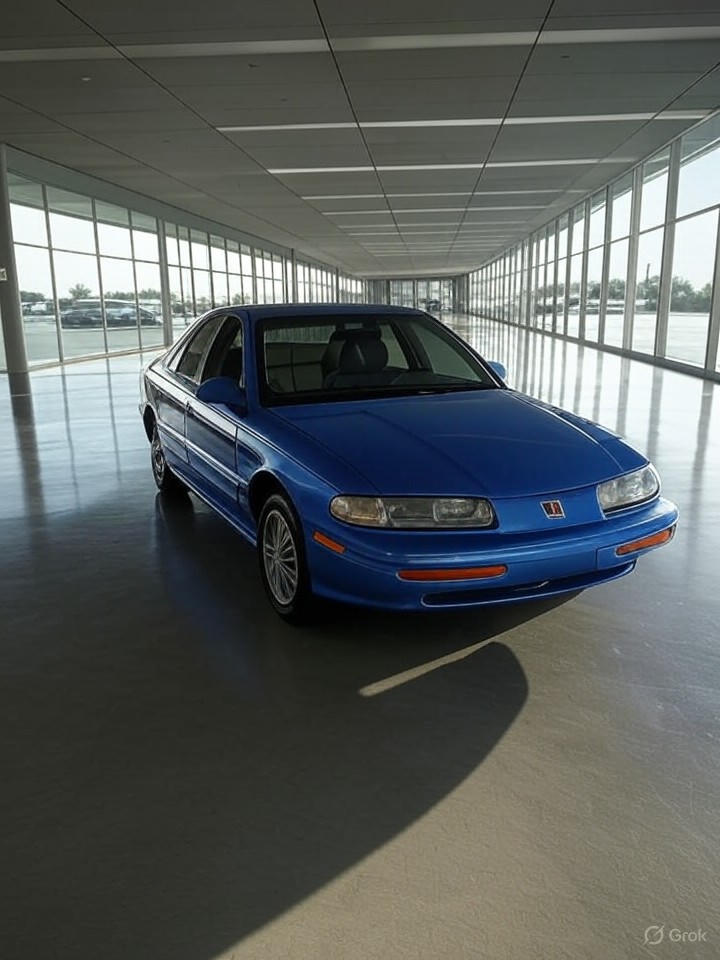
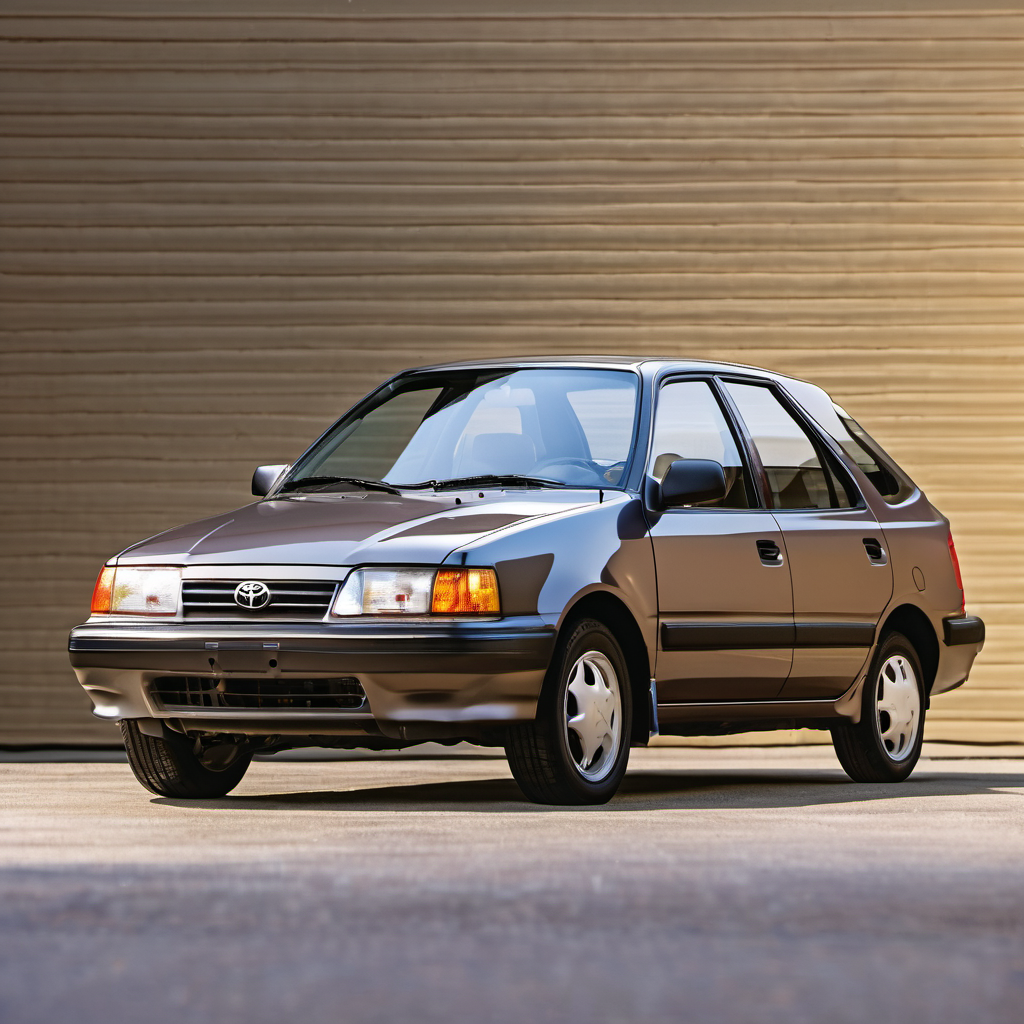
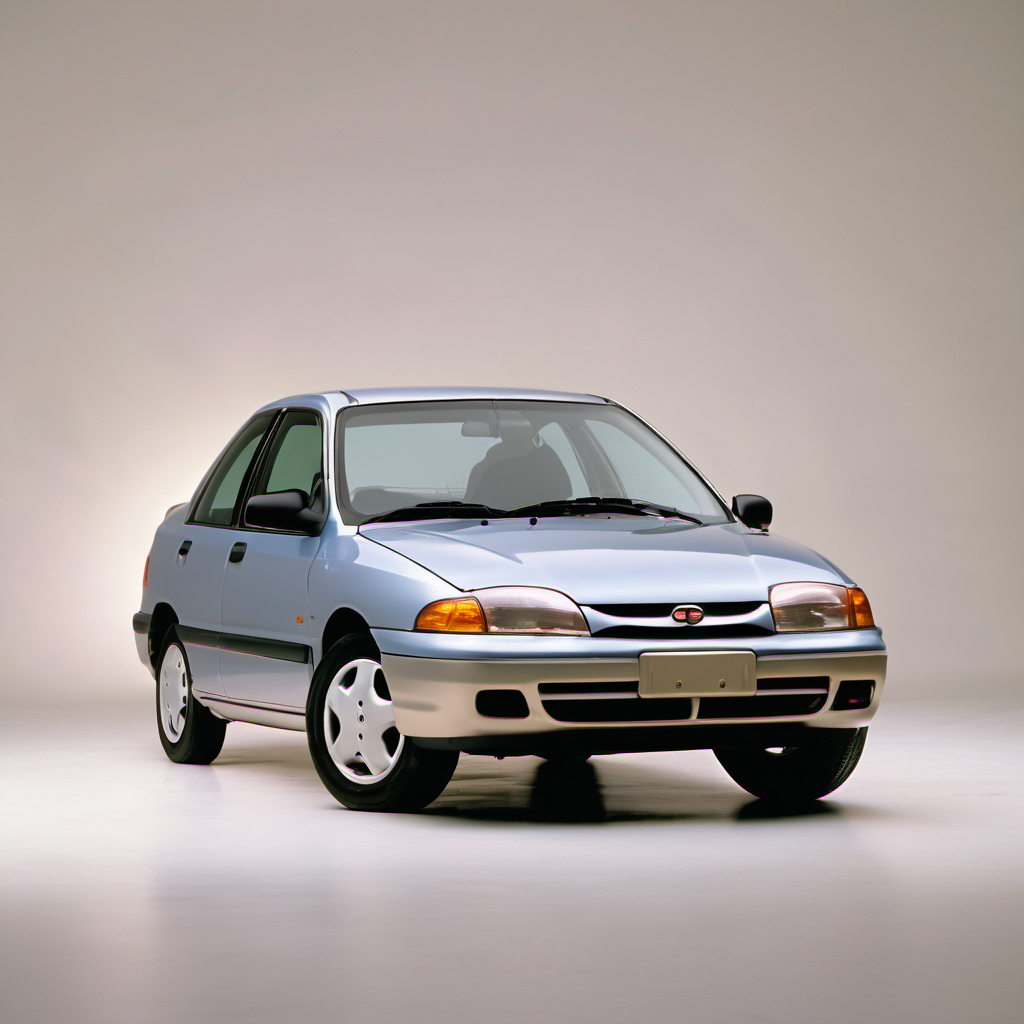
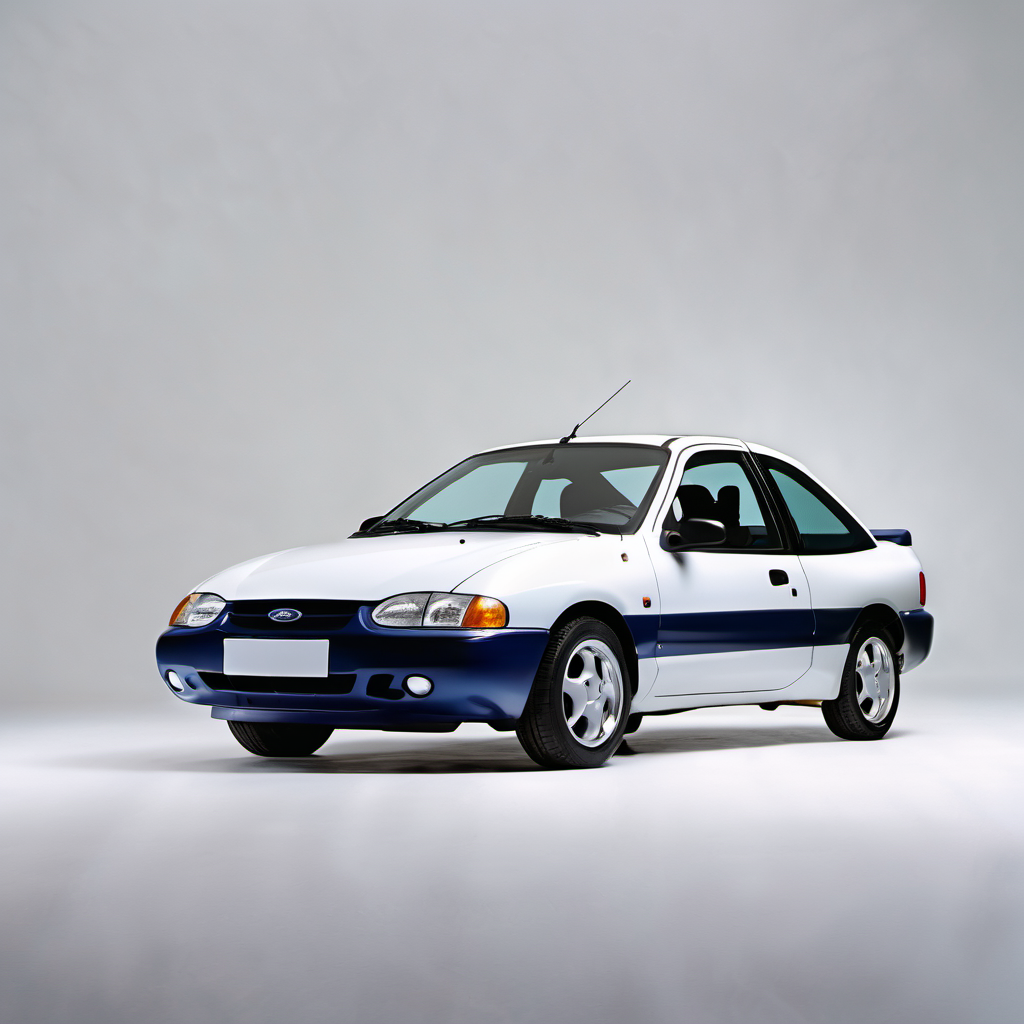
1997 Saturn S-Series Coupe

1997 Saturn

S-SeriesCoupe

1.9L I4 SOHC (SC1) / 1.9L I4 DOHC (SC2) · Coupe

The 1997 Saturn S-Series Coupe (SC1/SC2) was part of GM's bold experiment in building a uniquely American small car from the ground up. Produced at Spring Hill, Tennessee, the S-Series carried a dent-resistant polymer body panel system over a steel space frame — a genuinely clever design that made minor parking-lot dings a non-issue. The SC coupe came in SC1 (SOHC, base) and SC2 (DOHC, sport) trims, offering a sporty 3-door pillarless coupe layout at an economy price. By 1997 the platform was well-sorted, and Saturn had built a devoted owner following thanks to no-haggle pricing and friendly dealerships. The 1.9L engines were simple, rev-happy four-cylinders that responded well to basic maintenance. Fuel economy was competitive for the era, and parts were inexpensive. These cars were not luxurious or powerful, but they were honest transportation. Today a surviving 1997 SC is an aging economy car pushing 30 years old. Expect to address deferred maintenance, aging rubber, and rust on the steel frame and subframe even though the body panels themselves hold up visually. Parts availability has thinned as the Saturn brand is long gone, but many components cross-reference to other GM small cars of the era.

Reliability
3/5
Verified data
Engine
1.9L I4 SOHC (SC1) / 1.9L I4 DOHC (SC2)
Drivetrain
FWD
Fuel
Gasoline
MPG
28 city / 38 hwy / 32 combined
Seats
5
Doors
3
Body
Coupe
MSRP
$11,895

Overview

AI-curated

The 1997 Saturn S-Series Coupe (SC1/SC2) was part of GM's bold experiment in building a uniquely American small car from the ground up. Produced at Spring Hill, Tennessee, the S-Series carried a dent-resistant polymer body panel system over a steel space frame — a genuinely clever design that made minor parking-lot dings a non-issue. The SC coupe came in SC1 (SOHC, base) and SC2 (DOHC, sport) trims, offering a sporty 3-door pillarless coupe layout at an economy price. By 1997 the platform was well-sorted, and Saturn had built a devoted owner following thanks to no-haggle pricing and friendly dealerships. The 1.9L engines were simple, rev-happy four-cylinders that responded well to basic maintenance. Fuel economy was competitive for the era, and parts were inexpensive. These cars were not luxurious or powerful, but they were honest transportation. Today a surviving 1997 SC is an aging economy car pushing 30 years old. Expect to address deferred maintenance, aging rubber, and rust on the steel frame and subframe even though the body panels themselves hold up visually. Parts availability has thinned as the Saturn brand is long gone, but many components cross-reference to other GM small cars of the era.

Known for
  • Dent-resistant polymer body panels
  • Devoted owner community and no-haggle Saturn dealer culture
  • Simple, inexpensive 1.9L four-cylinder engines (SOHC and DOHC)
  • Pillarless 3-door coupe layout with rear suicide-style door
  • Frugal fuel economy for its era
Best for
  • Budget-conscious commuters comfortable wrenching or finding a specialty shop
  • Collectors and enthusiasts who appreciate 1990s GM oddities
  • City drivers who value maneuverability and parking ease
  • Owners willing to stay on top of preventive maintenance
Watch for
  • Steel space frame and subframe rust — hidden under good-looking body panels
  • Coolant consumption and head gasket issues on high-mileage examples
  • Shrinking parts availability as the Saturn brand has been gone since 2010
  • Aging electrical connectors and brittle vacuum lines at this vehicle's age
  • Timing chain guides that can wear on neglected oil-change intervals

Common issues by mileage

6 known

Coolant loss and head gasket failure

high
Typically appears
100k–150k mi
Estimated repair
$600 – $1,100

Timing chain guide and tensioner wear

medium
Typically appears
80k–130k mi
Estimated repair
$400 – $800

Intake manifold gasket oil leak

high
Typically appears
70k–120k mi
Estimated repair
$150 – $350

Subframe and chassis rust (steel structure under polymer panels)

high
Typically appears
Any mileage on Midwest/salt-belt cars
Estimated repair
$200 – $1,500

Crankshaft position sensor and ignition module failure

medium
Typically appears
90k+ mi
Estimated repair
$100 – $300

Maintenance schedule

  1. 1
    Every 3,000–5,000 miles Engine oil and filter change

    The 1.9L timing chain guides are oil-pressure dependent. Extended drain intervals accelerate guide wear and can lead to chain slap and eventual engine damage. Use the shorter interval on a 27-year-old engine.

  2. 2
    Every 2 years or 30,000 miles Coolant flush and system pressure test

    Head gasket failure is this engine's Achilles heel. Fresh coolant maintains proper pH and slows electrolytic corrosion of the gasket. Always pressure-test before buying or after any overheating event.

  3. 3
    Every 60,000 miles or at first sign of cracking Inspect and replace serpentine belt and tensioner

    At this vehicle's age, the belt is likely original or has unknown history. A snapped belt kills the water pump and alternator simultaneously.

  4. 4
    Annually Inspect all vacuum lines and PCV hose

    30-year-old rubber becomes brittle in Wisconsin's freeze-thaw cycles. Cracked vacuum lines cause rough idle, poor fuel economy, and false sensor codes.

  5. 5
    Every 2–3 years Brake fluid flush

    Glycol-based brake fluid absorbs moisture over time, lowering boiling point. Critical for Wisconsin's winter driving and hill braking.

  6. 6
    Every spring after winter salt season Inspect subframe, frame rails, and suspension mounts for rust

    The polymer panels hide what's happening underneath. Salt-belt rust on the steel structure is a safety — not cosmetic — issue on these cars.

  7. 7
    Every 30,000 miles Spark plug and wire replacement

    Worn plugs and cracked plug wires cause misfires that stress the catalytic converter and reduce fuel economy noticeably on this small engine.

  8. 8
    Every 30,000–45,000 miles Transmission fluid change (automatic)

    Saturn's 3-speed automatic is basic but durable when fluid is kept clean. Neglected fluid leads to harsh shifts and early clutch pack wear.

Always defer to the manufacturer's service manual for warranty-mandated intervals.

Cost of ownership

Annual maintenance
$400 – $1,000
Fuel
Inexpensive to fuel — averaging around 32 mpg combined means roughly $900–$1,200/year at current Wisconsin gas prices for typical 12,000-mile annual driving.
Insurance
Generally low — older economy coupe with low market value. Expect liability-heavy policies; comprehensive/collision may not be worth the premium given the car's current value.

The S-Series is cheap to own when nothing goes wrong and moderately expensive when something does — because aging parts and dwindling Saturn-specific supply can push labor up. Budget $400–$700/year for a well-maintained example doing basic services; budget $800–$1,000+ in any year a head gasket, timing chain, or rust repair comes due. Total cost of ownership is still low by any modern standard, but this is a car where deferred maintenance compounds quickly.
Seasonal care

Lake Geneva, WI
Winter
  • Test the battery before November — cold-cranking amps drop fast in sub-zero temps and this car's charging system is modest. Replace any battery older than 4 years.
  • Switch to a full-synthetic 5W-30 oil for cold-weather starts; the 1.9L's timing chain guides depend on fast oil pressure at startup.
  • Flush and refill washer fluid reservoir with -20°F or colder rated fluid before first freeze — the stock reservoir is small and runs dry fast in Wisconsin winters.
  • Inspect door and trunk weatherstripping seals; aged rubber lets moisture in and doors can freeze shut in hard freezes.
  • Apply silicone lubricant to all rubber seals and door locks to prevent freezing.
  • Rinse the undercarriage thoroughly after any road-salt exposure — the steel subframe and frame rails are the car's structural core and rust is an active safety concern, not a cosmetic one.
Summer
  • Check tire pressure monthly — hot pavement raises pressure 4–6 PSI above cold readings; overinflated tires on a light car reduce grip noticeably.
  • Inspect the A/C system for refrigerant level and compressor clutch engagement; the R-134a system on this era car may be low after decades.
  • Monitor coolant temperature closely — this engine has a head-gasket vulnerability and summer heat soak in stop-and-go traffic accelerates the risk. Do not ignore the temp gauge.
  • Check the radiator and coolant overflow tank for discoloration or oily film, which signals a head gasket beginning to fail.
  • Inspect the plastic battery tray and tray bracket for cracks — summer heat accelerates plastic degradation and a cracked tray can let the battery shift under hard cornering.

Comparable vehicles

If you're shopping for one

Red flags
  • Any sign of overheating history — warped thermostat housing, replaced radiator cap with no record of why, discolored coolant.
  • Rust perforation on the undercarriage or subframe mounting points — this is a structural safety issue, not a cosmetic one.
  • Oil consumption greater than 1 quart per 1,000 miles — worn rings or valve seals on a high-mileage 1.9L are expensive to fix relative to the car's value.
  • Missing maintenance records — at this age and mileage, unknown service history is a significant financial risk.
  • Check engine light with stored camshaft timing codes — the 1.9L does not have variable valve timing, so these codes on this vehicle suggest sensor or wiring issues worth investigating before purchase.
What to inspect
  • Lift the car and probe the steel subframe, frame rails, and suspension mounting points with a screwdriver for rust perforation — don't let good-looking plastic panels fool you.
  • Pressure-test the cooling system and check for white exhaust smoke or a sweet coolant smell at the tailpipe, which indicates a failing head gasket.
  • Start cold and listen for timing chain rattle in the first 5–10 seconds — indicates worn guides or a lazy tensioner.
  • Check the oil filler cap underside for a white milky residue, which signals coolant mixing with oil (head gasket).
  • Test all electrical functions including windows, locks, and dash lights — aging connectors are a known weak point.
  • Road-test the automatic transmission through all gear ranges and listen for hard shifts or slipping.
AI profile generated 11 days ago · claude-sonnet-4-6 · v2.