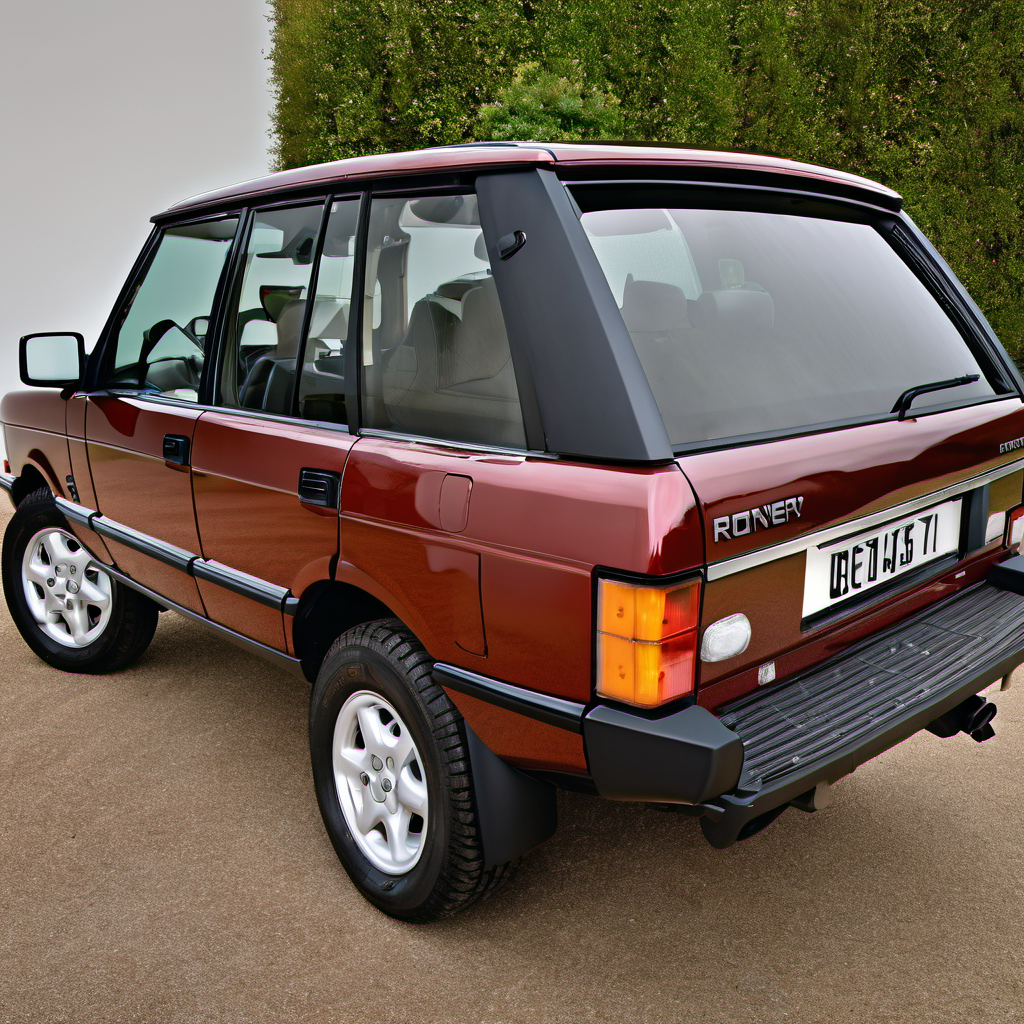
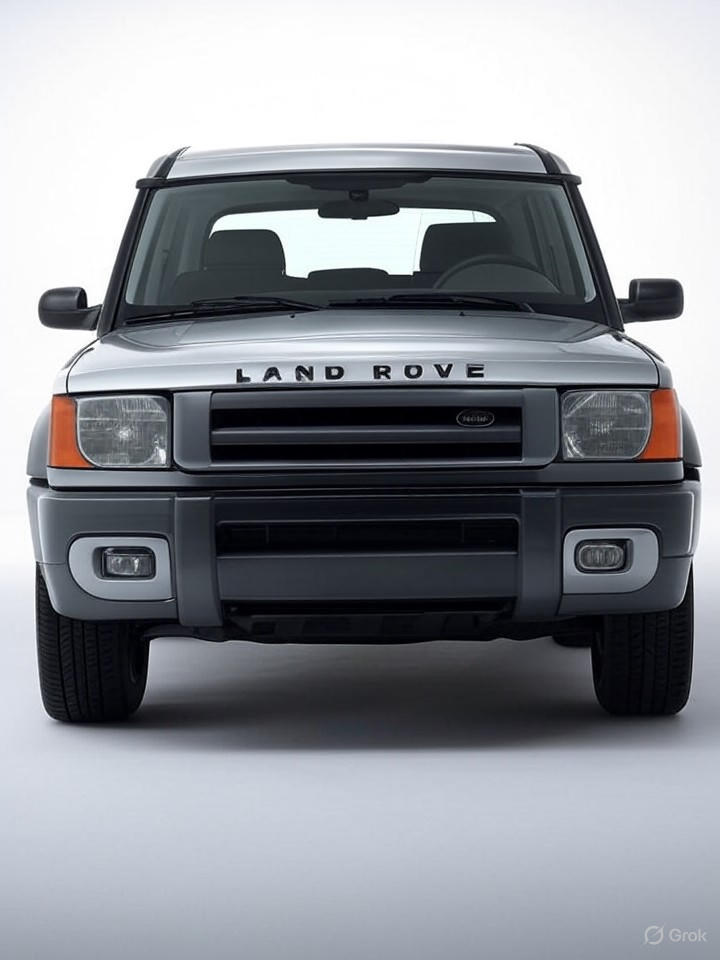
1997 Land Rover Range Rover SUV

1997 Land Rover

Range RoverSUV

SUV

The 1997 Range Rover (known internally as the P38A generation) was the second-generation Range Rover, sold from 1994 to 2002. It brought a more car-like interior and revised suspension over the classic Series III, but it also introduced a notoriously complex air suspension and a finicky BECM (Body Electronics Control Module) that has haunted owners ever since. The 4.0L V8 is a Rover-built derivative of the Buick 215 block — durable in concept but prone to head gasket failure, especially when overheated even once. At nearly 30 years old, every P38A on the road today is a high-maintenance proposition. Parts availability has thinned, and many systems — air suspension, EAS (Electronic Air Suspension), BECM, and climate control — require specialized diagnostic tools to properly diagnose. Budget and expertise matter more than mileage on these trucks. That said, a well-maintained, well-sorted P38A is a genuinely capable and comfortable off-road machine with a loyal enthusiast community. If you go in with realistic expectations and a dedicated shop relationship, it can be a rewarding vehicle. If you expect it to behave like a modern SUV, it will disappoint and drain your wallet.

Reliability
2/5
Verified data
Specs shown for Range Rover — the most common configuration. Other trims may vary in engine, drivetrain, or fuel economy. Sign in to see your vehicle's exact specs.
Engine
[object Object]
Drivetrain
AWD
Fuel
Premium gasoline
MPG
11 city / 16 hwy / 13 combined
Seats
Doors
Body
Special Purpose Vehicles

Overview

AI-curated

The 1997 Range Rover (known internally as the P38A generation) was the second-generation Range Rover, sold from 1994 to 2002. It brought a more car-like interior and revised suspension over the classic Series III, but it also introduced a notoriously complex air suspension and a finicky BECM (Body Electronics Control Module) that has haunted owners ever since. The 4.0L V8 is a Rover-built derivative of the Buick 215 block — durable in concept but prone to head gasket failure, especially when overheated even once. At nearly 30 years old, every P38A on the road today is a high-maintenance proposition. Parts availability has thinned, and many systems — air suspension, EAS (Electronic Air Suspension), BECM, and climate control — require specialized diagnostic tools to properly diagnose. Budget and expertise matter more than mileage on these trucks. That said, a well-maintained, well-sorted P38A is a genuinely capable and comfortable off-road machine with a loyal enthusiast community. If you go in with realistic expectations and a dedicated shop relationship, it can be a rewarding vehicle. If you expect it to behave like a modern SUV, it will disappoint and drain your wallet.

Known for
  • Iconic British luxury SUV with serious off-road capability
  • Complex Electronic Air Suspension (EAS) system
  • Rover 4.0L V8 — a distant descendant of the old Buick 215 block
  • BECM (Body Electronics Control Module) gremlins
  • Strong enthusiast and overlanding community
Best for
  • Enthusiasts who enjoy working on or learning their vehicle
  • Light to moderate off-road use and overlanding
  • Owners with access to a specialist Land Rover shop
  • Someone wanting a classic, upright British SUV aesthetic
  • Collectors or weekend drivers with a backup daily driver
Watch for
  • Head gasket failure — often catastrophic if the engine is ever overheated
  • EAS air suspension failures that can leave the truck sitting on the bump stops
  • BECM decay and battery drain issues
  • Rust on frame, sills, and undercarriage — especially bad after Wisconsin winters
  • Steep repair costs and parts scarcity for a nearly 30-year-old niche import

Common issues by mileage

6 known

Head Gasket Failure (4.0L V8)

high
Typically appears
80–150k mi
Estimated repair
$1,800 – $3,500

Electronic Air Suspension (EAS) Failure — compressor, valve block, or air springs

high
Typically appears
60–120k mi
Estimated repair
$600 – $2,500

BECM (Body Electronics Control Module) Failure or Battery Drain

high
Typically appears
Any mileage — age-related
Estimated repair
$400 – $1,200

Oxygen Sensor / Heater Circuit Faults

medium
Typically appears
80–130k mi
Estimated repair
$150 – $400

Cooling System Failure — thermostat, water pump, hoses, coolant leaks

high
Typically appears
70–120k mi
Estimated repair
$300 – $900

Transfer Case and Differential Leaks / Worn Viscous Coupling

medium
Typically appears
100–150k mi
Estimated repair
$400 – $1,400

Maintenance schedule

  1. 1
    Every 2 years or 30k miles — sooner if any overheating is suspected Cooling system flush and pressure test

    Overheating even once is often enough to blow the head gaskets on the Rover 4.0L V8. Keeping the cooling system in perfect condition is the single most important thing you can do for this engine.

  2. 2
    Every 5,000 miles Engine oil and filter change — use correct viscosity (10W-40 or 20W-50 on high-mileage examples)

    The Rover V8 is tolerant of slightly thicker oil as it ages. Fresh oil is cheap insurance against bearing wear on a hard-to-source engine.

  3. 3
    Annually or any time the truck sits lower than normal overnight EAS compressor and air spring inspection

    Air springs crack and compressors wear out with age. Catching a slow leak before the compressor burns out trying to compensate saves a much bigger repair bill.

  4. 4
    Annually, or any time the battery goes flat unexpectedly BECM battery drain check — verify parasitic draw

    The BECM is known to keep modules awake after the ignition is off, draining the battery over days. A discharged battery in a Wisconsin winter will compound the problem fast.

  5. 5
    Every 30,000 miles Transfer case and differential fluid service

    The full-time AWD system has multiple fluid-filled units. Old fluid thickens in cold weather and accelerates wear in the transfer case and diffs.

  6. 6
    Every 2 years Brake fluid flush

    Brake fluid absorbs moisture over time, lowering its boiling point and accelerating internal corrosion in calipers and ABS components — already a concern on this platform's age.

  7. 7
    Every fall before road salt season Inspect and treat undercarriage for rust — frame rails, sills, outriggers

    Wisconsin road salt is brutal on the P38A's steel frame and body sills. Annual undercoat inspection and touch-up treatment can add years to the chassis life.

  8. 8
    Every 30,000 miles Spark plugs and ignition wires

    The Rover V8 is sensitive to ignition system condition. Worn plugs or cracked wires cause misfires that stress the catalytic converters and can mask other developing issues.

Always defer to the manufacturer's service manual for warranty-mandated intervals.

Cost of ownership

Annual maintenance
$1,500 – $4,500
Fuel
Premium gasoline recommended. At 13 MPG combined and 15,000 miles/year, expect roughly $2,400–$2,800/year in fuel at current Wisconsin prices.
Insurance
Typically $900–$1,400/year for a 1997 model at standard coverage levels, though an agreed-value collector policy may make more sense given the vehicle's age and specialty status.

The P38A Range Rover is not a cheap vehicle to own, even at a low purchase price. Budget $1,500–$4,500/year in maintenance and repairs during good years, with the realistic possibility of a $2,000–$4,000 unplanned repair (EAS system, head gaskets, BECM) in any given year. Fuel economy is poor. Parts can be slow and expensive to source. The purchase price of the truck is often the smallest expense over a 3–5 year ownership window.

Seasonal care

Lake Geneva, WI
Winter
  • Test the battery and charging system every October — the BECM parasitic drain and cold temperatures are a deadly combination for marginal batteries in Wisconsin winters.
  • Switch to full-synthetic 5W-40 if not already used — cold cranking on the Rover V8 with thick conventional oil puts stress on oil pump pickup and timing chain.
  • Flush and refill washer fluid reservoir with rated -30°F or colder fluid; the EAS compressor air intake can also suck in freezing moisture.
  • Inspect and lubricate door seals and sunroof seals before freezing temps — P38A seals harden with age and are prone to tearing when frozen shut.
  • Thoroughly rinse the undercarriage after every salt event, paying special attention to the frame outriggers, sill seams, and rear cross-member — rust here is structural.
  • Check EAS system function before winter sets in; a failing air suspension is far harder to diagnose and repair in sub-zero temps and the truck may settle overnight in the cold.
Summer
  • Monitor coolant temperature gauge closely — do not drive through any overheating event, even briefly. Pull over immediately; one overheat can cost $2,500+ in head gasket repairs.
  • Check tire pressure monthly — the P38A runs large tires and pressure drops roughly 1 PSI per 10°F of temperature drop, meaning summer heat creates opposite swings that cause uneven wear.
  • Inspect A/C system for refrigerant leaks and check the cabin filter if equipped — the climate control system on the P38A is complex and a weak A/C is miserable in a dark-interior luxury SUV.
  • Check all coolant hoses for softness, swelling, or cracks — heat soak accelerates hose degradation on a 27-year-old cooling system.

Comparable vehicles

If you're shopping for one

Red flags
  • Any history of overheating — walk away or plan for immediate head gasket work.
  • Truck sitting lower on one or more corners at rest — EAS failure already in progress.
  • Battery that has been recently replaced multiple times — sign of chronic BECM parasitic drain.
  • Rust perforations on the frame, sills, or floor — structural rust on a 27-year-old vehicle is expensive or impossible to properly repair.
  • Seller unable to provide any maintenance records for a vehicle of this age and complexity.
  • Check engine light that 'just came on' or has been recently cleared — on this platform, codes are nearly always meaningful.
What to inspect
  • Pull the oil filler cap and dipstick — look for white/creamy residue indicating a blown head gasket or early coolant intrusion.
  • Check the coolant reservoir and radiator cap for oil contamination (brown sludge) — another head gasket red flag.
  • With the engine running, watch the EAS system: the truck should sit level and not sag on any corner. Ask when the air springs and compressor were last replaced.
  • Test every power accessory — windows, sunroof, mirrors, seat adjusters — BECM faults cause random failures across all of these.
  • Get under the truck and look at the frame outriggers and sill seams for rust perforation. Light surface rust is acceptable; structural rust is a deal-breaker.
  • Scan for codes before purchase — powertrain, chassis (EAS), body (BECM), and network codes all tell a story.
  • Ask for service records specifically showing cooling system and oil change history. No records on a 27-year-old vehicle is a significant red flag.
  • Check that the transfer case engages high and low range smoothly, and that the center differential lock operates correctly.
AI profile generated 4 days ago · claude-sonnet-4-6 · v2.