Head Gasket Failure (4.0L V8)
high- Typically appears
- 60–120k mi
- Estimated repair
- $1,800 – $3,500
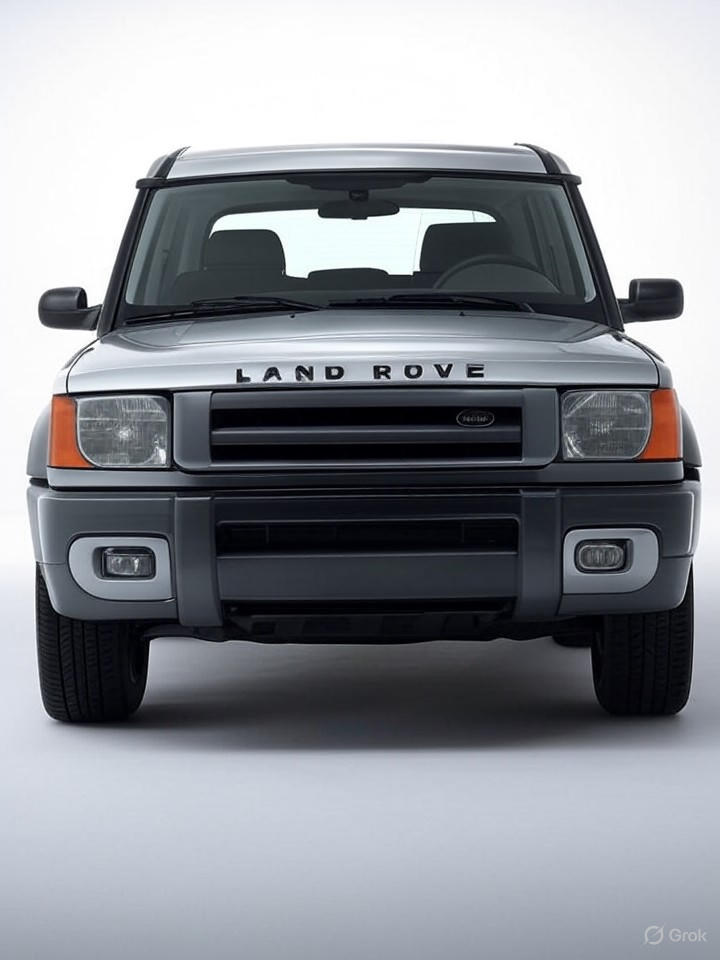
1998 Land Rover
SUV
The 1998 Land Rover Discovery Series I (first generation, late production) is a body-on-frame British SUV built around genuine off-road capability. It rides on a proven ladder frame with coil-sprung live axles front and rear, giving it exceptional articulation on rough terrain. In the late 1990s it was one of the few true off-roaders available at a near-luxury price point, and it carved out a loyal following among adventure-minded buyers. Under the hood sits a 4.0L Rover V8 — a descendant of the old Buick/Oldsmobile V8 that Land Rover licensed decades prior. It's a torquey, smooth motor but it carries some well-documented reliability baggage, particularly around cooling and head gaskets. The ZF 4-speed automatic is generally durable, though it requires clean fluid to stay healthy. By 2024 standards this is an older, complex vehicle with aging electronics and body hardware. Parts availability has tightened, and the specialist knowledge required to work on it correctly is not universal. Budget generously for maintenance and surprise repairs — ownership can be deeply rewarding for the right person, but it is not a set-it-and-forget-it truck.
The 1998 Land Rover Discovery Series I (first generation, late production) is a body-on-frame British SUV built around genuine off-road capability. It rides on a proven ladder frame with coil-sprung live axles front and rear, giving it exceptional articulation on rough terrain. In the late 1990s it was one of the few true off-roaders available at a near-luxury price point, and it carved out a loyal following among adventure-minded buyers. Under the hood sits a 4.0L Rover V8 — a descendant of the old Buick/Oldsmobile V8 that Land Rover licensed decades prior. It's a torquey, smooth motor but it carries some well-documented reliability baggage, particularly around cooling and head gaskets. The ZF 4-speed automatic is generally durable, though it requires clean fluid to stay healthy. By 2024 standards this is an older, complex vehicle with aging electronics and body hardware. Parts availability has tightened, and the specialist knowledge required to work on it correctly is not universal. Budget generously for maintenance and surprise repairs — ownership can be deeply rewarding for the right person, but it is not a set-it-and-forget-it truck.
The Rover V8 is sensitive to oil starvation; clean oil is cheap insurance against bearing wear and sludge.
Head gasket survival depends entirely on the cooling system staying in top condition. This is the single most important preventive service on this vehicle.
Old gear oil breaks down and holds moisture, accelerating wear in the complex 4WD drivetrain.
British wiring from this era corrodes quickly, especially in Wisconsin salt and humidity. Corroded grounds cause a wide variety of mysterious electrical faults.
The Rover V8 is a large-displacement engine — it needs a strong battery for cold cranking at sub-zero temps. Cracked insulation can short against the block in extreme cold.
Rubber seals harden with age; small leaks become large ones when ignored on a high-mileage V8.
The aluminum body panels and steel hinges react differently to temperature swings; lack of lubrication leads to cracked straps and seized hinges in winter.
Salt-belt trucks rot out brake and fuel hard lines well before the engine wears out. Catching pinhole leaks early prevents a brake failure or fuel fire.
Always defer to the manufacturer's service manual for warranty-mandated intervals.
This is a high-cost vehicle to own properly. Annual maintenance in the $1,200–$2,000 range is realistic if the truck is already in good shape. Budget an additional $1,500–$4,000 in any given year for surprise repairs — the question on a 25+ year old Land Rover is not whether something will need fixing, but what and when. Fuel economy is poor. If you can find a solid, well-documented example and have a trusted Land Rover specialist, it can be cost-manageable. Go in eyes open.
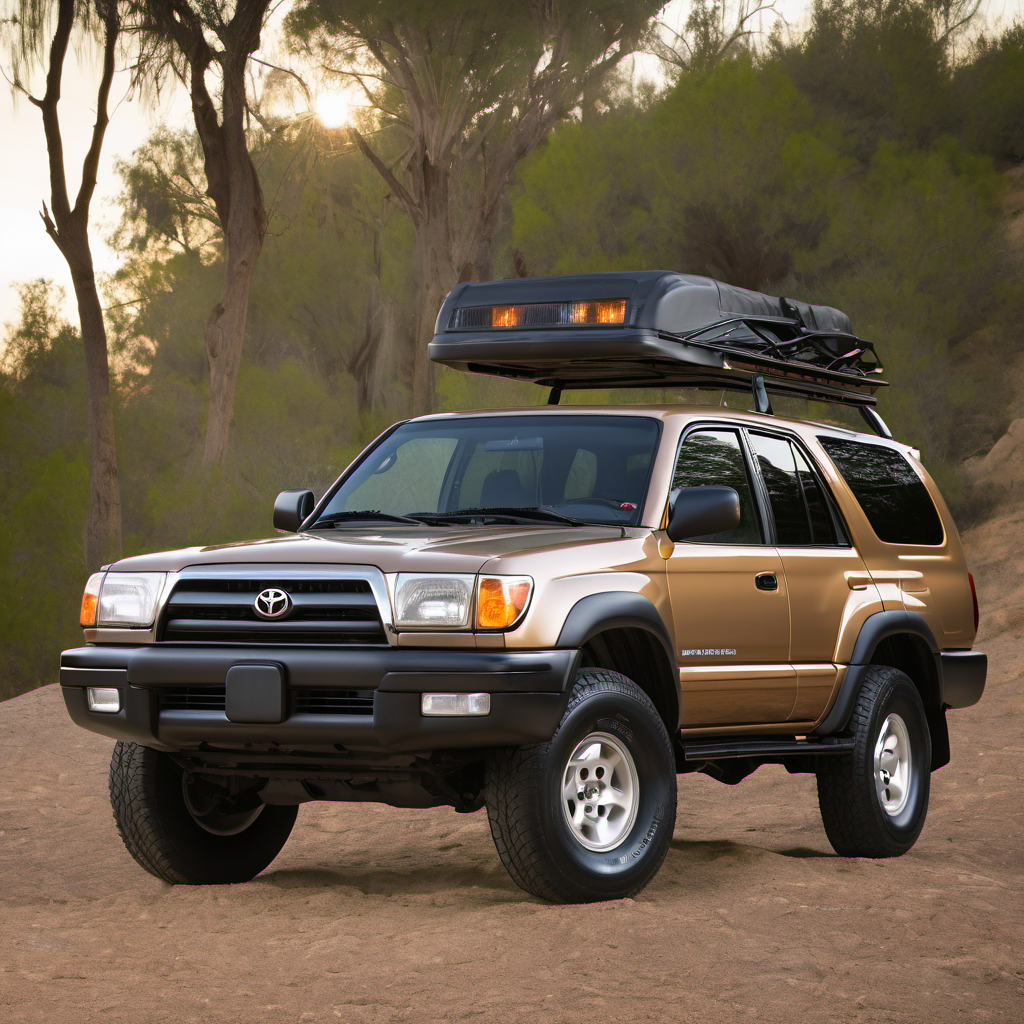
Similar body-on-frame SUV with genuine off-road capability at a comparable price point, but dramatically more reliable and with better parts availability.
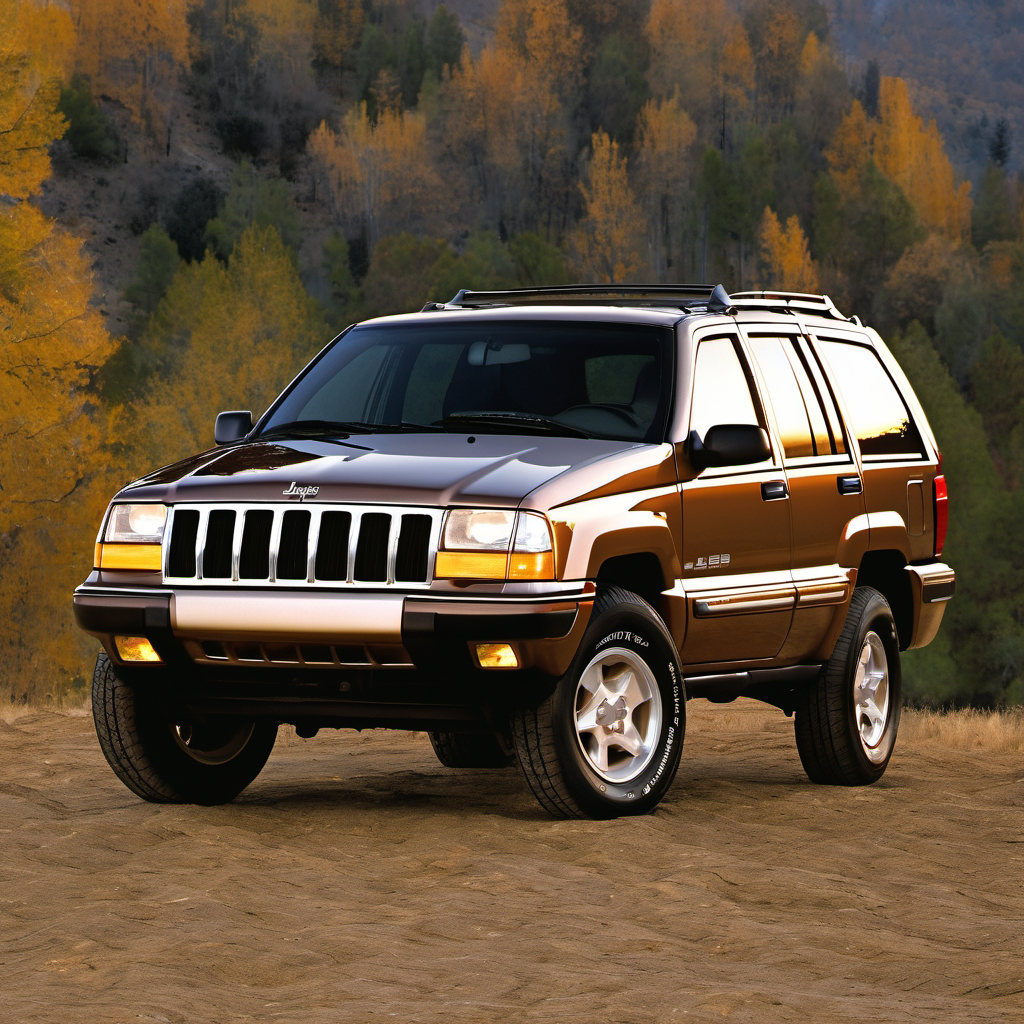
Same segment, similar off-road mission, easier to find mechanics who know it, lower maintenance costs — though it has its own reliability quirks.
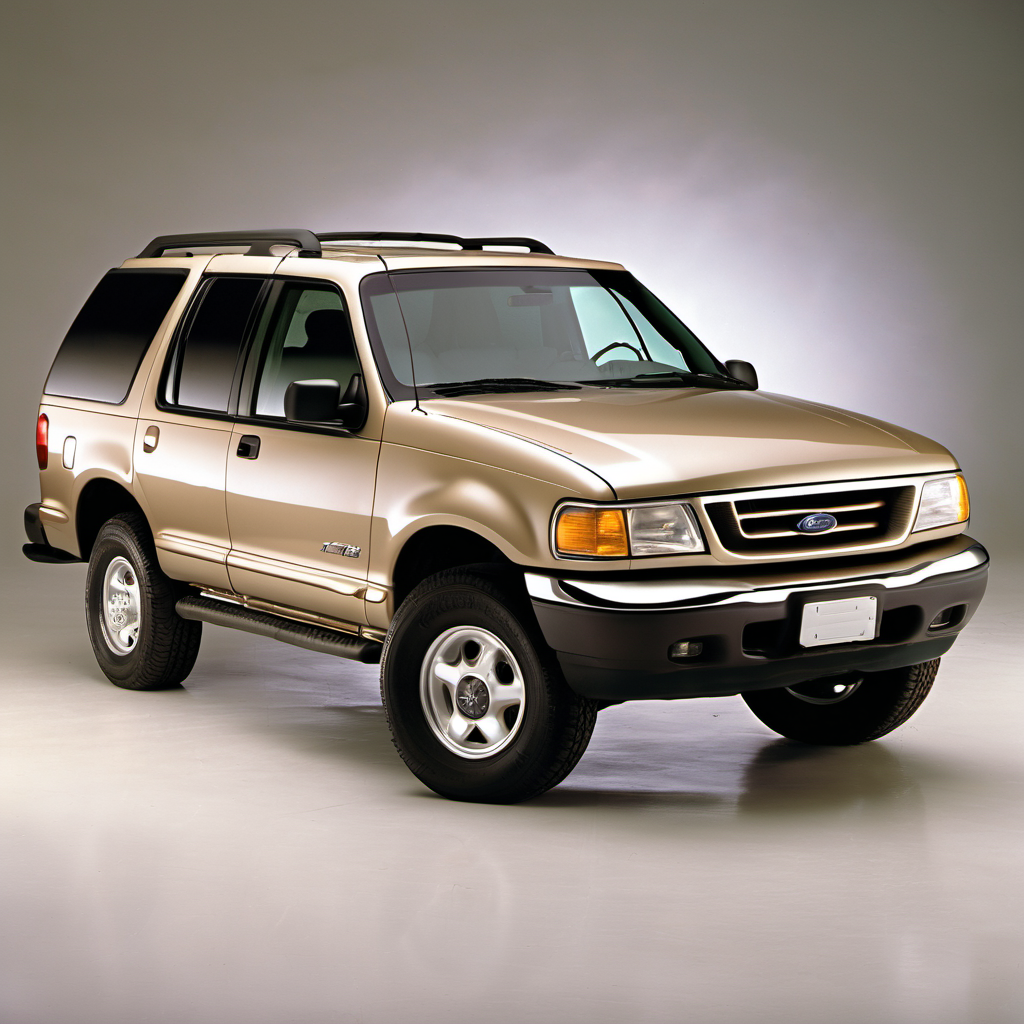
More common, cheaper to maintain, and widely serviced — trades trail capability for everyday reliability and lower ownership cost.
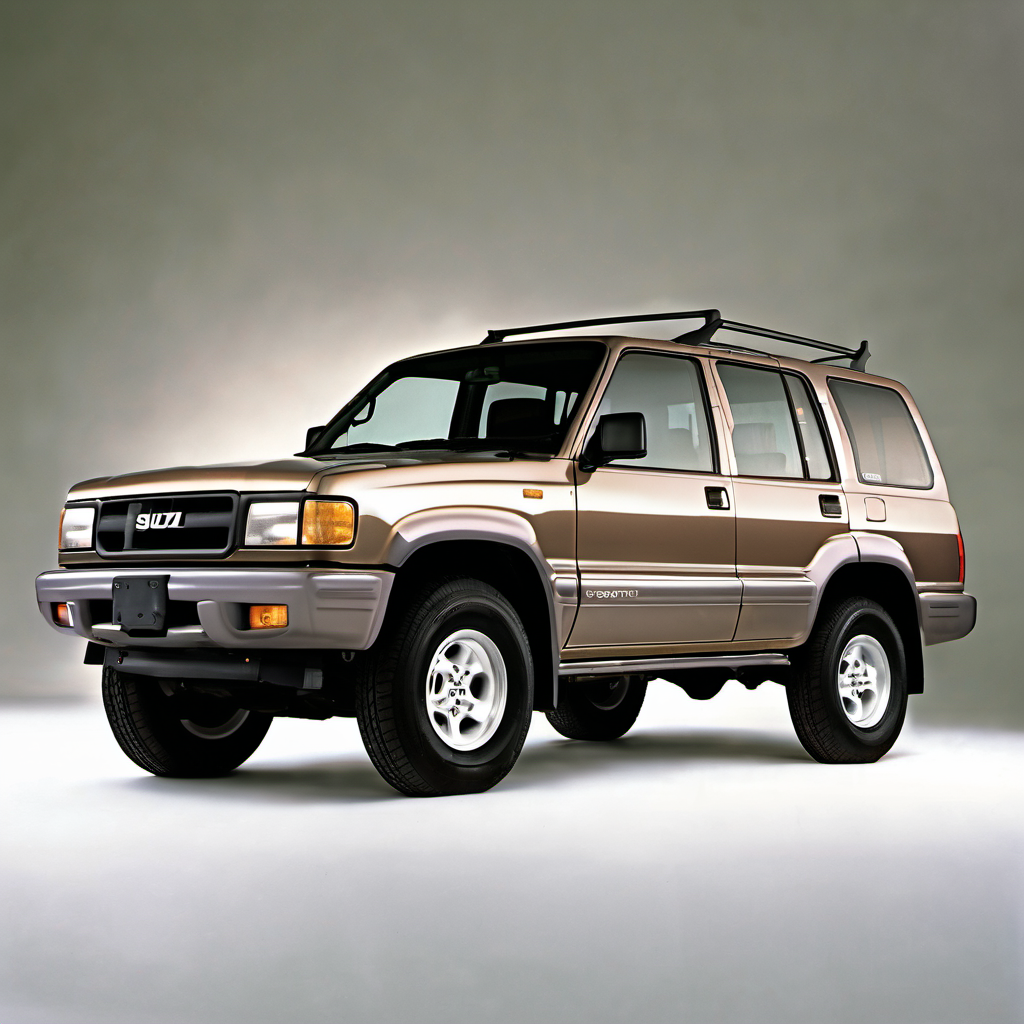
Another capable body-on-frame import SUV from the same era with better reliability and a similar adventure-ready profile, often overlooked.