Cooling System Failure (Thermostat, Radiator, Hoses)
high- Typically appears
- 80k–150k+ mi
- Estimated repair
- $400 – $1,200
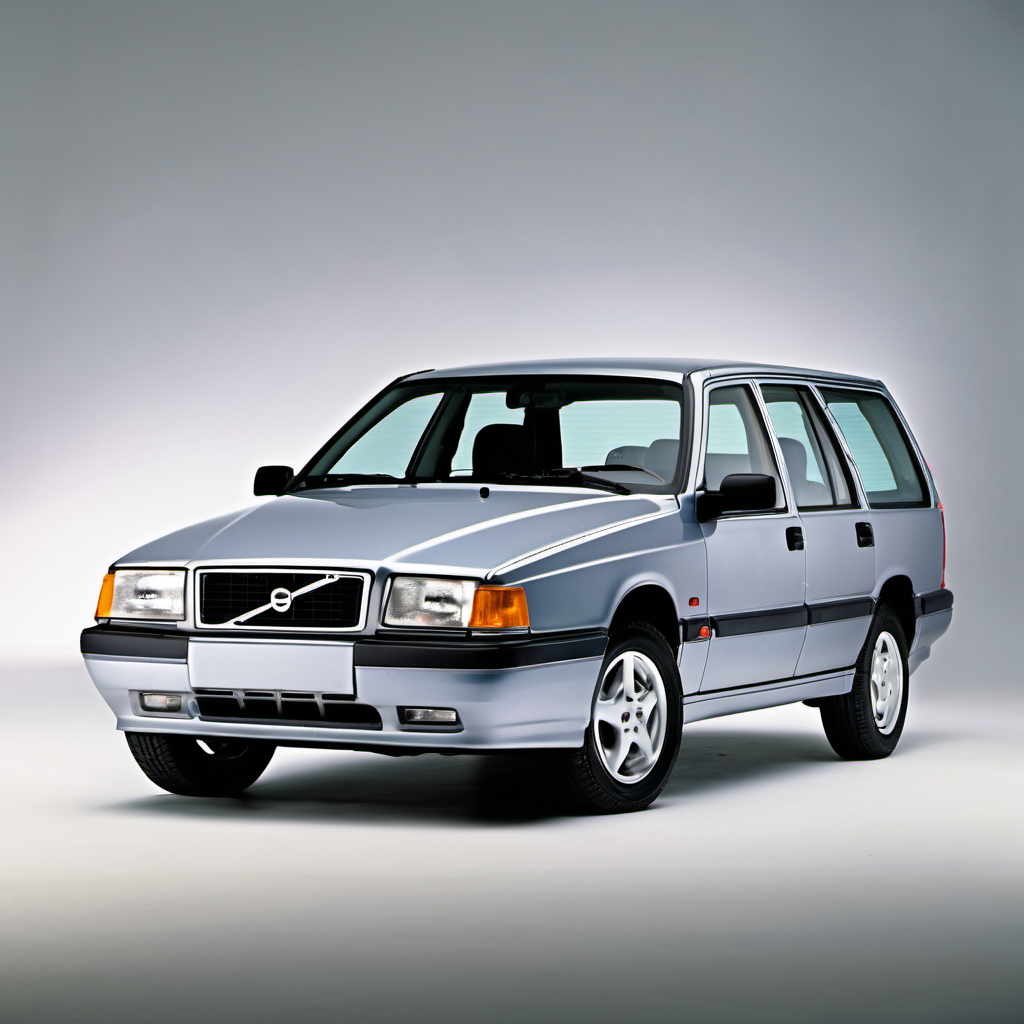
1996 Volvo
Wagon
The 1996 Volvo 850 Wagon is the turbocharged front-wheel-drive estate version of Volvo's groundbreaking mid-size platform. It earned a loyal following by combining genuine cargo practicality with a stout 2.3L turbocharged inline-5 that punches well above its displacement. Volvo built the 850 from 1992–1997, and the '96 model year represented a mature, well-sorted iteration of the lineup. At its core, the 850 Wagon was a family hauler that took safety seriously before that was fashionable — side-impact airbags, crumple zones, and a rigid passenger cell were standard features. The turbocharged variant delivers lively performance for a wagon of its era, though it demands more maintenance attention than a naturally aspirated alternative. Now approaching 30 years old, these cars are squarely in enthusiast/DIY territory. Parts availability is reasonable through Volvo specialists and online suppliers, but dealer support is essentially gone. Expect to invest in deferred maintenance on any example you buy — rubber, cooling system, and turbo-related components are almost certainly due regardless of mileage.
The 1996 Volvo 850 Wagon is the turbocharged front-wheel-drive estate version of Volvo's groundbreaking mid-size platform. It earned a loyal following by combining genuine cargo practicality with a stout 2.3L turbocharged inline-5 that punches well above its displacement. Volvo built the 850 from 1992–1997, and the '96 model year represented a mature, well-sorted iteration of the lineup. At its core, the 850 Wagon was a family hauler that took safety seriously before that was fashionable — side-impact airbags, crumple zones, and a rigid passenger cell were standard features. The turbocharged variant delivers lively performance for a wagon of its era, though it demands more maintenance attention than a naturally aspirated alternative. Now approaching 30 years old, these cars are squarely in enthusiast/DIY territory. Parts availability is reasonable through Volvo specialists and online suppliers, but dealer support is essentially gone. Expect to invest in deferred maintenance on any example you buy — rubber, cooling system, and turbo-related components are almost certainly due regardless of mileage.
The turbocharger relies entirely on clean, fresh oil for bearing lubrication. Extended intervals accelerate coked oil deposits in the turbo feed lines, which is the #1 cause of premature turbo failure on the B5234T.
Overheating destroys head gaskets on this engine. The OEM thermostat is known to stick; replace it proactively with any cooling system service.
The B5234T is an interference engine. A broken belt means bent valves at minimum, likely total engine loss. On a car this age, do not buy it without proof of recent timing belt service.
The inline-5 runs well on fresh plugs; worn plugs add stress to the ignition system and can cause misfires under boost.
Glycol-based brake fluid absorbs moisture over time, lowering the boiling point. Wisconsin winters mean frequent heavy brake use; fresh fluid is cheap insurance.
These are polyurethane/rubber units that are 30 years old. Worn bushings cause tire wear and poor handling; they are inexpensive parts but labor-intensive to replace.
Lake Geneva roads get heavy salt treatment. Power-wash the undercarriage — especially rear wheel arches and subframe pickup points — after every winter to slow rust.
The 850's aging electrical system and cold cranking demands of the turbo motor are hard on batteries. A battery more than 4 years old should be load-tested before Wisconsin winter sets in.
Always defer to the manufacturer's service manual for warranty-mandated intervals.
The 850 Turbo Wagon is an inexpensive car to purchase but a moderate-to-significant car to maintain. Annual maintenance on a well-kept example runs $1,200–$2,000; a neglected car catching up on deferred work can easily run $3,000–$5,000 in the first year of ownership. Parts are still available through Volvo specialists and online suppliers at reasonable cost — labor rates at a Volvo-literate independent shop are the bigger variable. Budget generously and keep up with oil and coolant; these engines genuinely reward attentive owners.
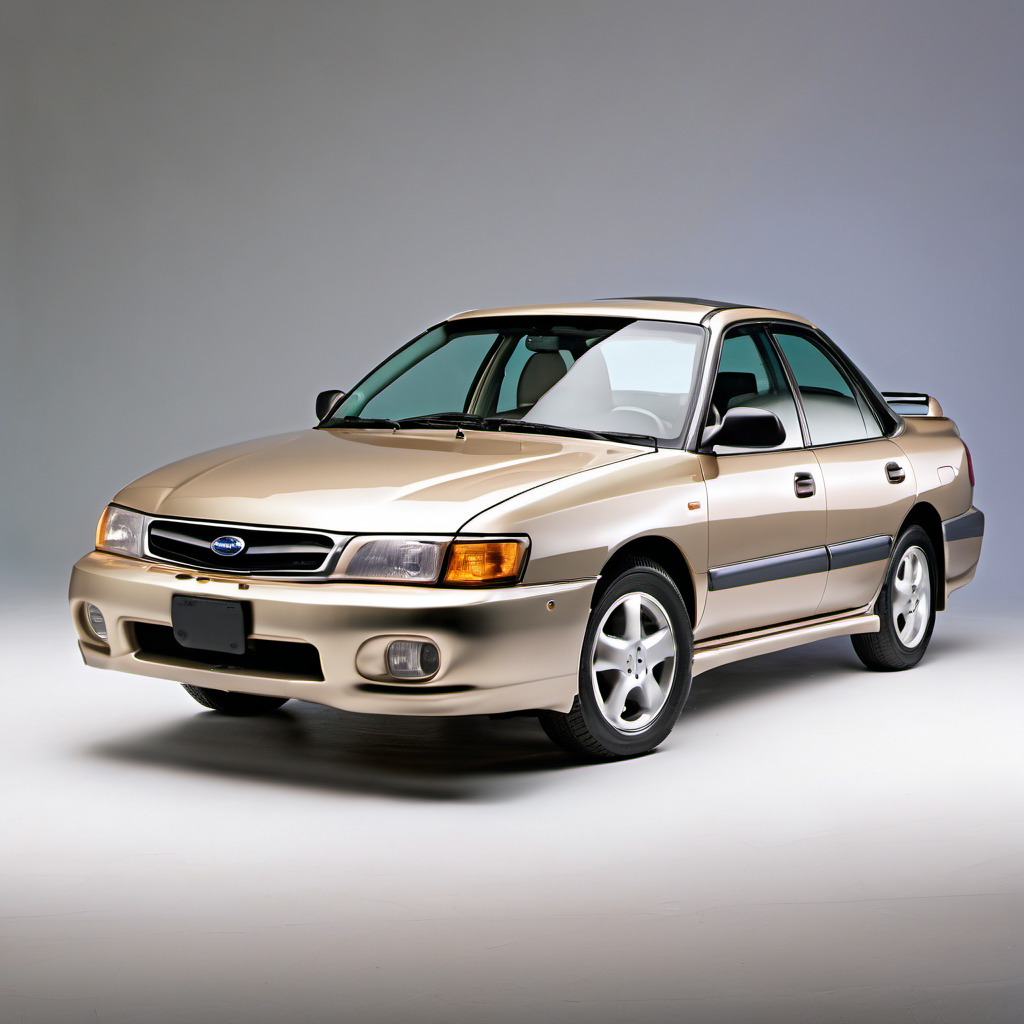
Similar family wagon mission and era, but adds AWD traction — a genuine advantage in Wisconsin winters. More widely supported at independent shops.
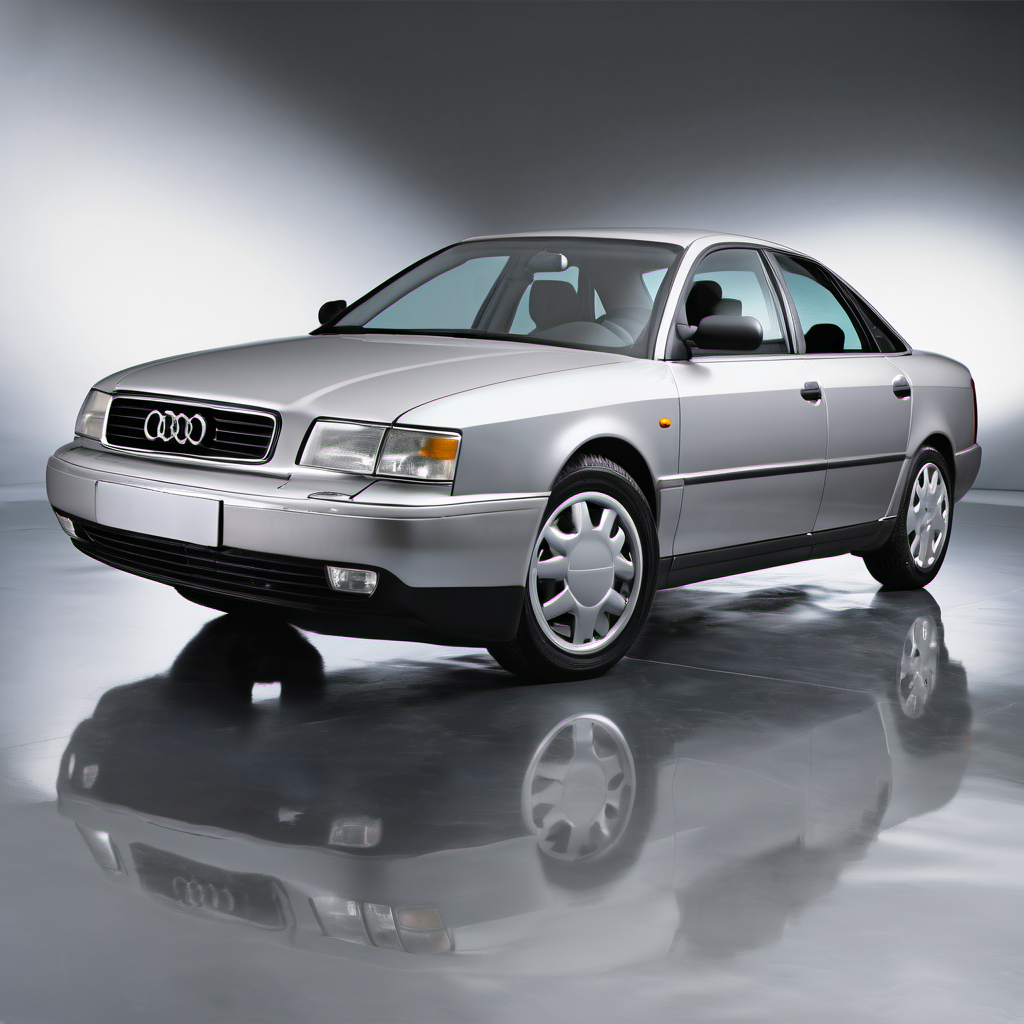
European wagon competitor with comparable safety focus and turbocharged options, though maintenance costs and parts availability are similarly challenging at this age.
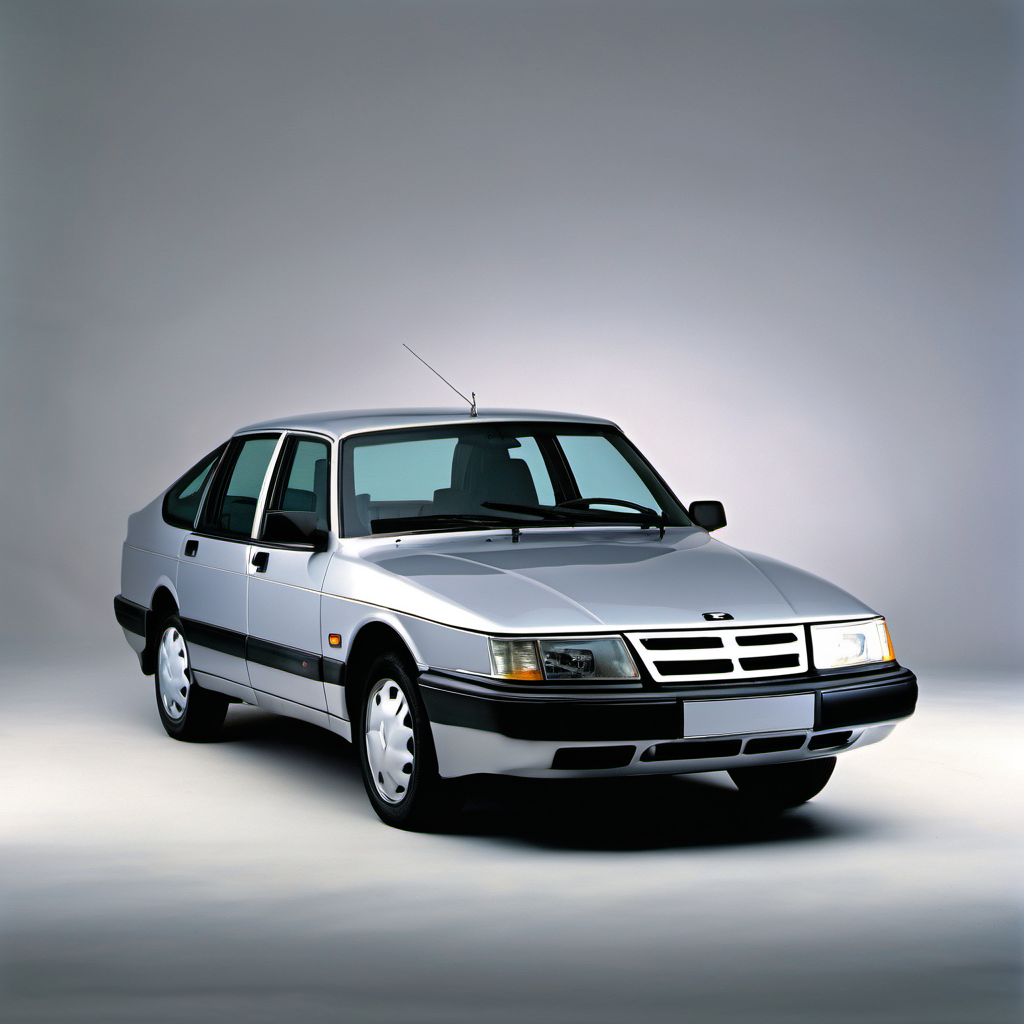
Swedish turbocharged FWD alternative with a similar enthusiast following. Also aging into specialist territory, but shares the Volvo's character of spirited driving in a practical body.
Comparable European estate wagon from the same era with strong safety credentials, though typically more expensive to maintain and repair at this age.
No catalog match