Timing Belt Failure (Interference Engine)
high- Typically appears
- 60k+ mi / every 7–10 years regardless of miles
- Estimated repair
- $350 – $650
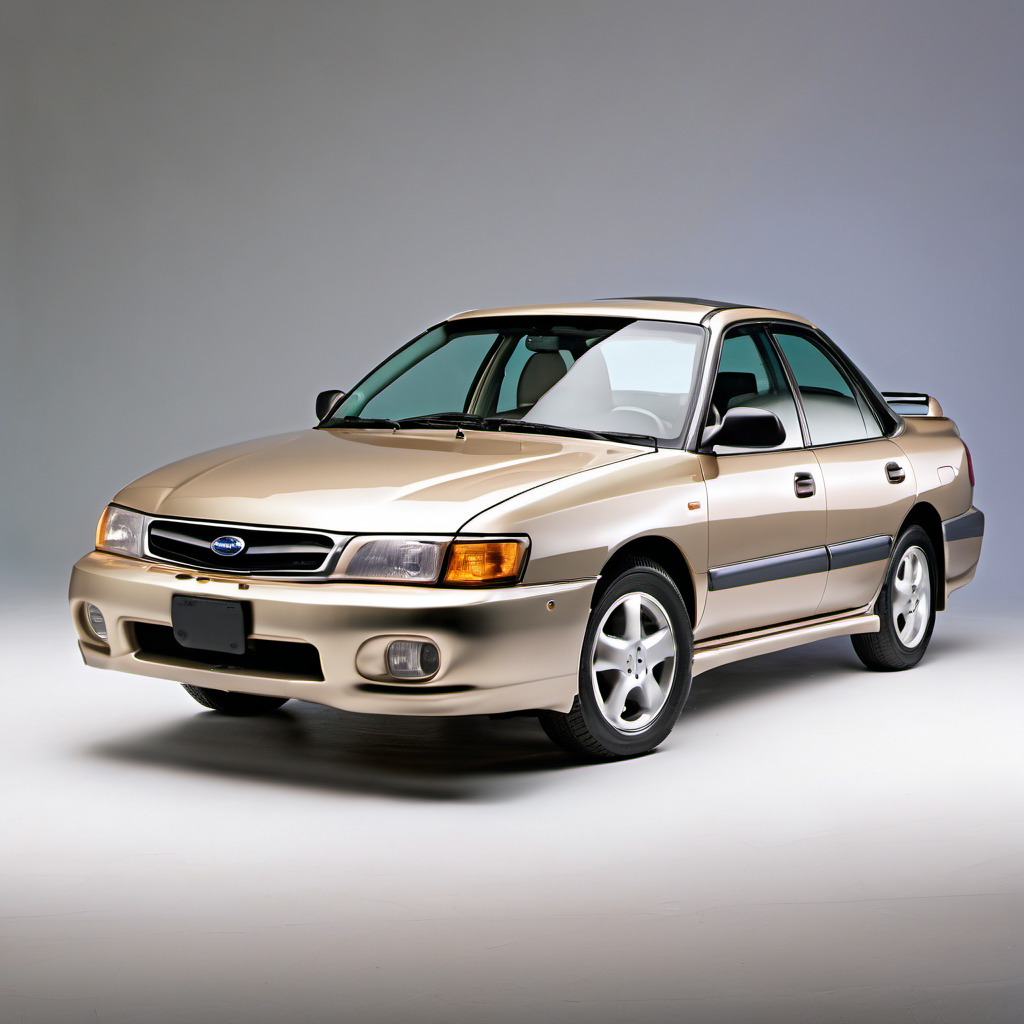
1996 Subaru
2.2L H4 (EJ22) · Sedan
The 1996 Subaru Legacy is a compact sedan from Subaru's second-generation Legacy lineup (1995–1999). It came standard with Subaru's signature symmetrical all-wheel drive and a horizontally opposed (boxer) four-cylinder engine, making it a practical, capable year-round car well before AWD sedans became common. At nearly 30 years old, most surviving examples have accumulated well over 150,000 miles, and condition varies enormously. The second-gen Legacy earned a loyal following in cold-weather states like Wisconsin for its standard AWD, relatively low center of gravity, and solid build quality. The 2.2L EJ22 engine in particular developed a reputation as one of Subaru's most durable mills — notably less prone to head gasket failures than the later 2.5L EJ25 that arrived mid-generation. Buyers should confirm which engine is under the hood before purchasing. At this age, the Legacy is squarely a value-priced used car. Maintenance history, rust condition (especially on the subframe, strut towers, and exhaust), and timing belt status are the three factors that will make or break the purchase. Parts are available but some body and trim pieces are becoming scarce.
The 1996 Subaru Legacy is a compact sedan from Subaru's second-generation Legacy lineup (1995–1999). It came standard with Subaru's signature symmetrical all-wheel drive and a horizontally opposed (boxer) four-cylinder engine, making it a practical, capable year-round car well before AWD sedans became common. At nearly 30 years old, most surviving examples have accumulated well over 150,000 miles, and condition varies enormously. The second-gen Legacy earned a loyal following in cold-weather states like Wisconsin for its standard AWD, relatively low center of gravity, and solid build quality. The 2.2L EJ22 engine in particular developed a reputation as one of Subaru's most durable mills — notably less prone to head gasket failures than the later 2.5L EJ25 that arrived mid-generation. Buyers should confirm which engine is under the hood before purchasing. At this age, the Legacy is squarely a value-priced used car. Maintenance history, rust condition (especially on the subframe, strut towers, and exhaust), and timing belt status are the three factors that will make or break the purchase. Parts are available but some body and trim pieces are becoming scarce.
The EJ22 is an interference engine — a snapped belt bends valves and often destroys the engine. At this vehicle's age, assume the belt is due regardless of miles. Replace the water pump at the same time; labor is already paid for.
Degraded coolant accelerates head gasket wear and corrosion in the aluminum block and heads — the primary long-term killer of these engines. Use Subaru-spec coolant or a phosphate-free equivalent.
Worn fluid in the rear differential and transfer case causes seal leaks and premature wear. At this age, if history is unknown, change all fluids before driving it hard. Mismatched tire diameters (even slight wear differences) accelerate AWD component wear.
Sensors degrade with age and mileage, causing rich running, poor fuel economy, and catalytic converter damage. At this vehicle's age, sensors are almost certainly original.
Brake fluid absorbs moisture over time, lowering its boiling point. Critical in Wisconsin where temperature swings are extreme and brakes see hard use in winter conditions.
Wisconsin road salt accelerates corrosion on the subframe, strut towers, brake lines, and fuel lines. Catching rust early — before it becomes structural — is far cheaper than repairs after the fact.
On a vehicle this age, wires and plugs are likely original or unknown vintage. Worn ignition components cause hard cold starts and misfires, which are especially noticeable in sub-zero Wisconsin winters.
Cold-cranking demand on older batteries in Wisconsin winters is severe. A battery that starts fine at 50°F can fail completely at -10°F. Any battery over 4 years old should be load-tested before winter.
Always defer to the manufacturer's service manual for warranty-mandated intervals.
A clean, well-maintained example is inexpensive to own annually if no major repairs are needed. The risk is deferred maintenance: if timing belt, head gaskets, or AWD components haven't been serviced, one repair bill can easily exceed the car's market value. Budget for the unexpected. Annual maintenance costs at the low end assume a healthy car with known history; the high end reflects one moderate repair per year.
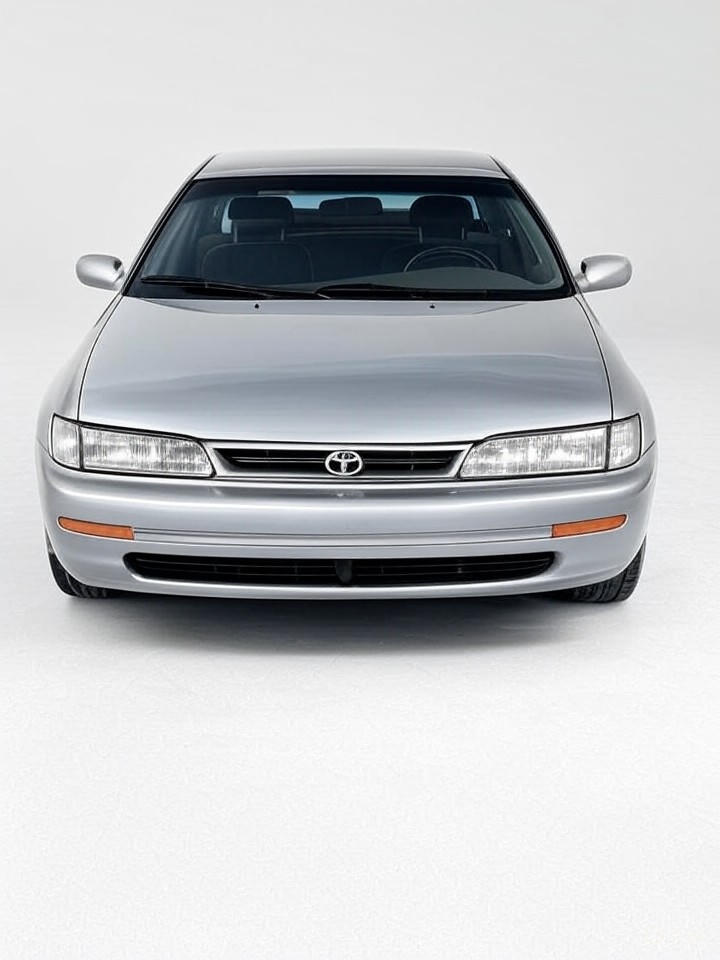
Similar price bracket and commuter mission, reliable 4-cylinder, but FWD only — the Legacy's AWD is a clear winter advantage in Wisconsin
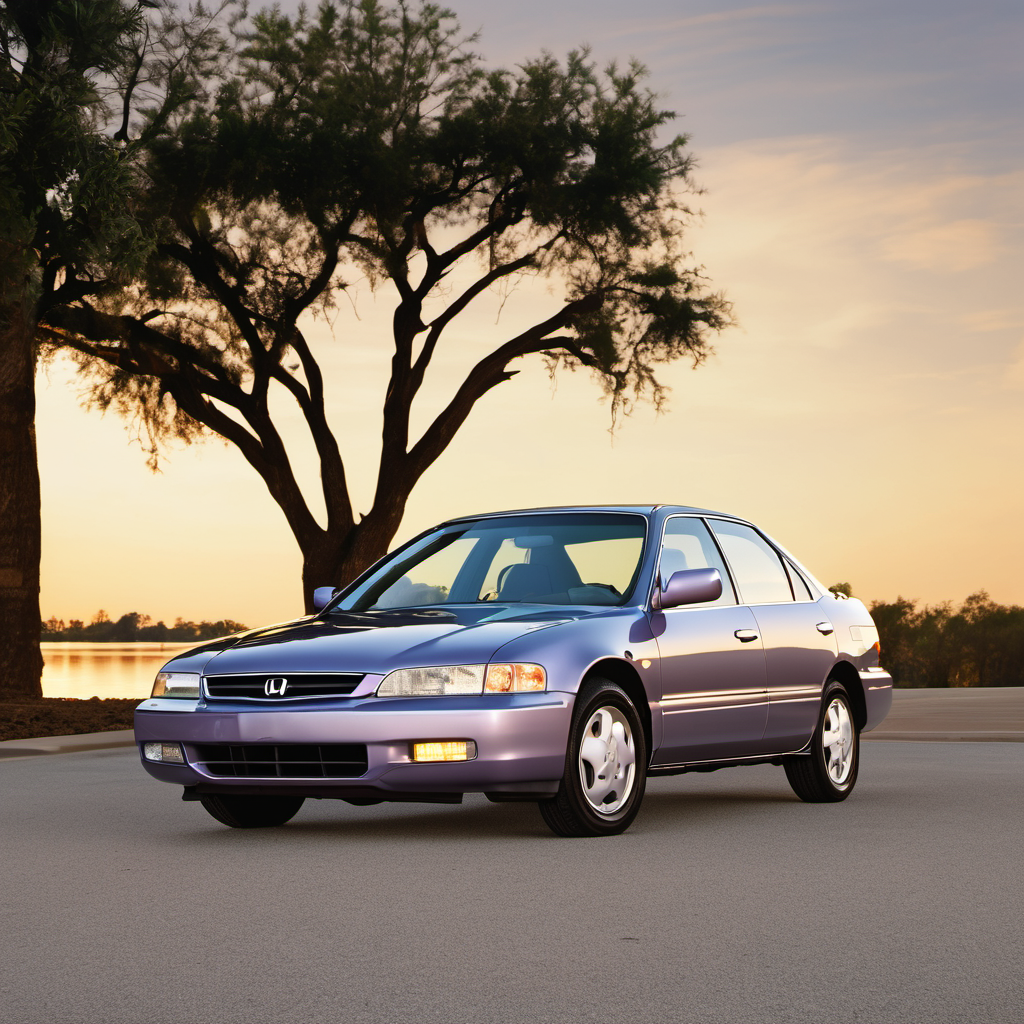
Comparable reliability reputation, similar size and practicality, strong long-term durability — also FWD, so the Legacy wins on winter traction
Same generation, same drivetrain and engine options, but wagon body with additional ground clearance — better cargo space, same winter capability
No catalog match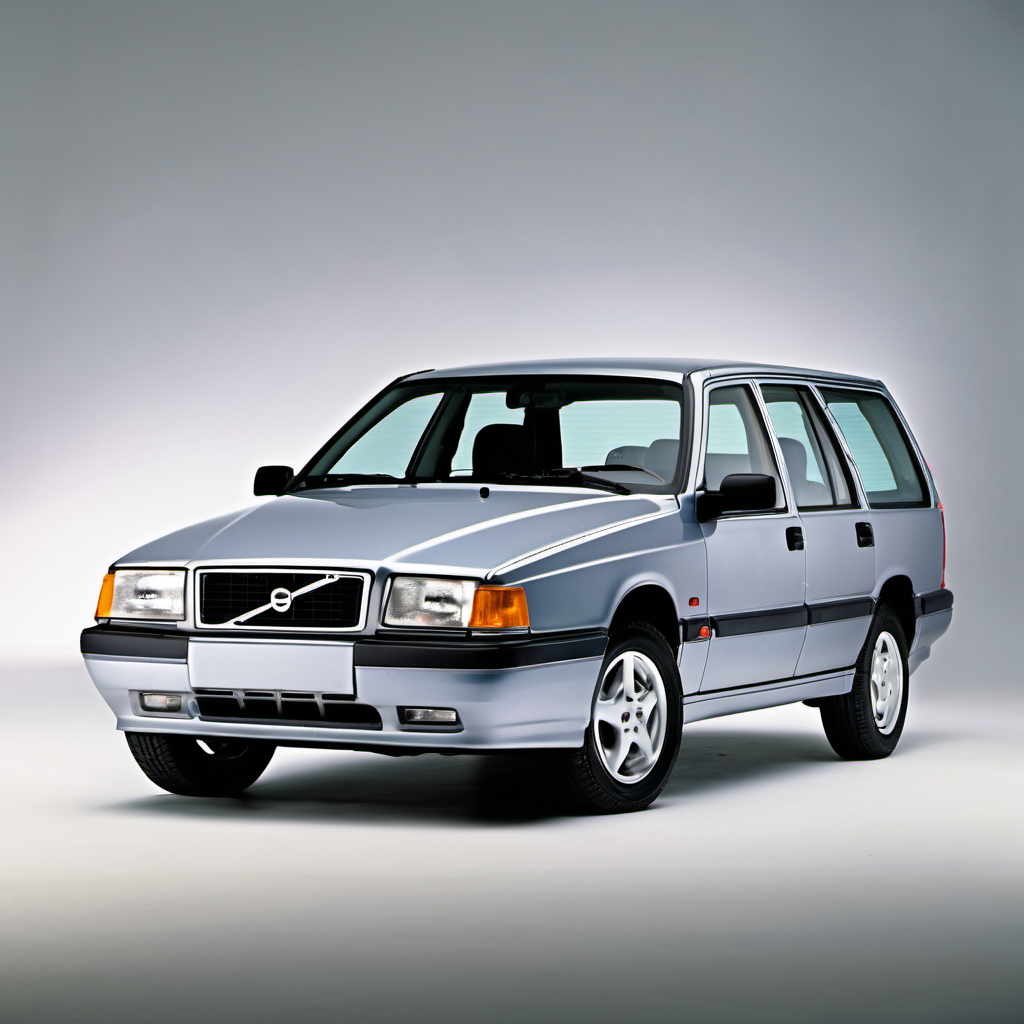
European-market contemporary in the same used-car price range, strong safety reputation, FWD — the Legacy beats it for winter AWD traction but the 850 may have lower rust exposure depending on history