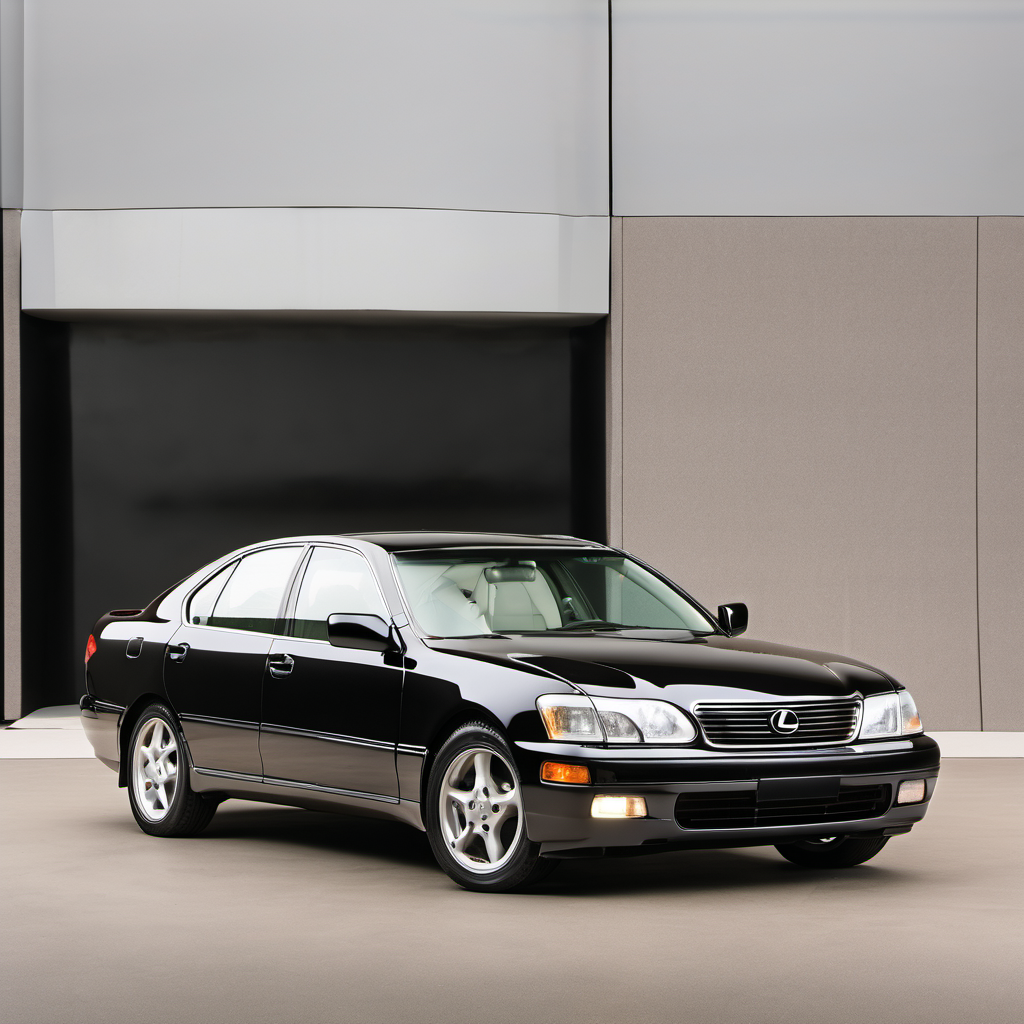
1996 Lexus GS Sedan

1996 Lexus

GSSedan

Sedan

The 1996 Lexus GS 300 is a rear-wheel-drive luxury sport sedan built on Toyota's Z30 platform. It arrived in the U.S. as the GS 300, pairing a silky 2JZ-GE inline-six with a refined, driver-focused chassis that put it squarely against the BMW 5 Series and Mercedes E-Class. At launch it was praised for its near-silent cabin, smooth power delivery, and build quality that rivaled anything from Europe. By 1996 the first-generation GS had matured, with well-sorted suspension tuning and Toyota's reputation for durability baked in. The 2JZ engine family is legendary — the same block underpins some of the most reliable high-mileage Toyotas ever built. With proper oil change discipline and timing belt service, 200,000-mile examples are common. At nearly 30 years old, surviving examples need scrutiny. Deferred maintenance catches up with any car, and this generation's electronics and rubber components are all well past their service life. A well-documented, single-owner example is a genuine value buy; an unmaintained one can be an expensive headache.

Reliability
4/5
Verified data
Specs shown for GS 300 — the most common configuration. Other trims may vary in engine, drivetrain, or fuel economy. Sign in to see your vehicle's exact specs.
Engine
[object Object]
Drivetrain
RWD
Fuel
Premium gasoline
MPG
16 city / 22 hwy / 18 combined
Seats
Doors
Body
Midsize Cars

Overview

AI-curated

The 1996 Lexus GS 300 is a rear-wheel-drive luxury sport sedan built on Toyota's Z30 platform. It arrived in the U.S. as the GS 300, pairing a silky 2JZ-GE inline-six with a refined, driver-focused chassis that put it squarely against the BMW 5 Series and Mercedes E-Class. At launch it was praised for its near-silent cabin, smooth power delivery, and build quality that rivaled anything from Europe. By 1996 the first-generation GS had matured, with well-sorted suspension tuning and Toyota's reputation for durability baked in. The 2JZ engine family is legendary — the same block underpins some of the most reliable high-mileage Toyotas ever built. With proper oil change discipline and timing belt service, 200,000-mile examples are common. At nearly 30 years old, surviving examples need scrutiny. Deferred maintenance catches up with any car, and this generation's electronics and rubber components are all well past their service life. A well-documented, single-owner example is a genuine value buy; an unmaintained one can be an expensive headache.

Known for
  • Bulletproof 2JZ-GE inline-six engine
  • Near-luxury build quality and hushed interior
  • Rear-wheel-drive sport sedan dynamics
  • Strong long-term durability when maintained
Best for
  • Enthusiasts who want a classic Japanese luxury sedan
  • Buyers comfortable doing their own research on aging components
  • Drivers who prioritize smooth, effortless highway cruising
  • Those seeking a low-cost entry into RWD Lexus ownership
Watch for
  • Age-related rubber: hoses, belts, and bushings are all 28+ years old
  • Timing belt — if interval is unknown, treat it as overdue
  • ABS module and suspension actuator failures common at this age
  • Deferred coolant and transmission fluid services accelerate wear
  • Rust on undercarriage, subframe, and brake lines from Wisconsin road salt exposure

Common issues by mileage

6 known

Timing Belt Failure / Overdue Replacement

high
Typically appears
Any mileage — belt is age-critical at 28+ years
Estimated repair
$450 – $750

Oxygen Sensor Heater Circuit Failure

medium
Typically appears
80k–150k mi
Estimated repair
$150 – $350

Suspension Bushings and Ball Joint Wear

high
Typically appears
100k+ mi
Estimated repair
$400 – $1,200

Automatic Transmission Slipping / Delayed Engagement

medium
Typically appears
120k–180k mi
Estimated repair
$800 – $3,000

Brake Line and Undercarriage Rust

high
Typically appears
All mileage on Midwest/Salt-belt cars
Estimated repair
$300 – $1,500

Maintenance schedule

  1. 1
    Every 60k mi or every 5 years — whichever comes first Timing belt, water pump, and tensioner replacement

    This is a non-interference engine, but a snapped belt at 28+ years old will leave you stranded. Replace the water pump and tensioner at the same time — labor is already open.

  2. 2
    Every 5,000 mi or 6 months with conventional oil; every 7,500 mi with full synthetic Engine oil and filter change

    The 2JZ-GE thrives on fresh oil. Sludge from extended intervals is the number-one killer of this otherwise bulletproof engine.

  3. 3
    Every 2 years regardless of mileage Coolant flush

    Degraded coolant attacks aluminum components and the water pump impeller. On a 28-year-old car, assume it's overdue if undocumented.

  4. 4
    Every 30k mi or 3 years Automatic transmission fluid change

    Toyota's A340E transmission is durable when fluid is fresh. Dark, burnt-smelling fluid means the damage is already done — change it before it shifts hard.

  5. 5
    Immediately on purchase, then every 4 years Inspect and replace all cooling system hoses and clamps

    Rubber hoses on a 28-year-old car are well past their expected life. A coolant hose failure in a Wisconsin winter can quickly lead to an overheated engine.

  6. 6
    Every year — more frequently if salt-belt driven Brake line inspection for rust

    Steel brake lines on Midwestern cars of this era corrode from the outside in. A pinhole leak under braking is a serious safety event.

  7. 7
    Every 30k mi Spark plug replacement

    Standard platinum plugs are due by now on most examples. Worn plugs cause rough idle, poor cold starts, and reduce fuel economy.

  8. 8
    Every fall before winter season Battery load test

    A battery that starts the car in September may fail at -10°F in January. Load-test it in October — replacement in a parking lot in January costs more than the battery.

Always defer to the manufacturer's service manual for warranty-mandated intervals.

Cost of ownership

Annual maintenance
$600 – $1,800
Fuel
Premium gasoline recommended. At 18 MPG combined and ~15,000 mi/year, expect roughly $2,400–$2,900/year at current Wisconsin pump prices for premium.
Insurance
Typically low — this is a 28-year-old vehicle with modest market value. Full coverage on a well-preserved example runs approximately $800–$1,400/year depending on driver history.

Day-to-day ownership costs are moderate for the class. Routine maintenance is affordable at an independent shop, and parts availability is excellent thanks to shared Toyota components. The financial wildcard is deferred maintenance: a car this age that hasn't had timing belt, hoses, and fluid services is one breakdown away from a $1,500–$3,000 repair bill. Budget for a thorough catch-up service on purchase.

Seasonal care

Lake Geneva, WI
Winter
  • Load-test the battery every October — cold cranking amps drop sharply below 0°F and this car's age makes battery failure a real risk
  • Switch to a full synthetic 0W-30 or 5W-30 oil before first hard freeze for easier cold starts and faster oil circulation
  • Inspect brake lines and undercarriage for rust before winter — salt accelerates any existing corrosion aggressively
  • Use winter-rated washer fluid rated to at least -20°F; Lake Geneva temperatures regularly hit -10°F to -15°F
  • Install dedicated winter tires — the RWD platform on this car is noticeably challenging on packed snow with all-seasons
  • Flush and refill coolant to the correct 50/50 antifreeze ratio; old coolant loses freeze protection over time
Summer
  • Check tire pressure monthly — heat causes pressure to rise, and underinflated tires from winter will overinflate in summer
  • Inspect the A/C system for refrigerant leaks; seals and O-rings on a 28-year-old system are prone to slow leaks
  • Check coolant level and watch temperature gauge closely in stop-and-go traffic — a marginal cooling system that survives winter can overheat in July
  • Inspect drive belts for cracking and glazing — heat accelerates rubber degradation on already-aged components

Comparable vehicles

1996 BMW
528i

E39 528i is the direct European rival — also a RWD inline-six luxury sport sedan at a similar price point. Generally more engaging to drive but more expensive to maintain and harder to source parts for.

No catalog match
1996 Mercedes-Benz
E320

W210 E320 is the other natural comparison. Comparable refinement and power, but the W210's notorious rust problems and complex electronics make the GS a more practical used buy.

No catalog match
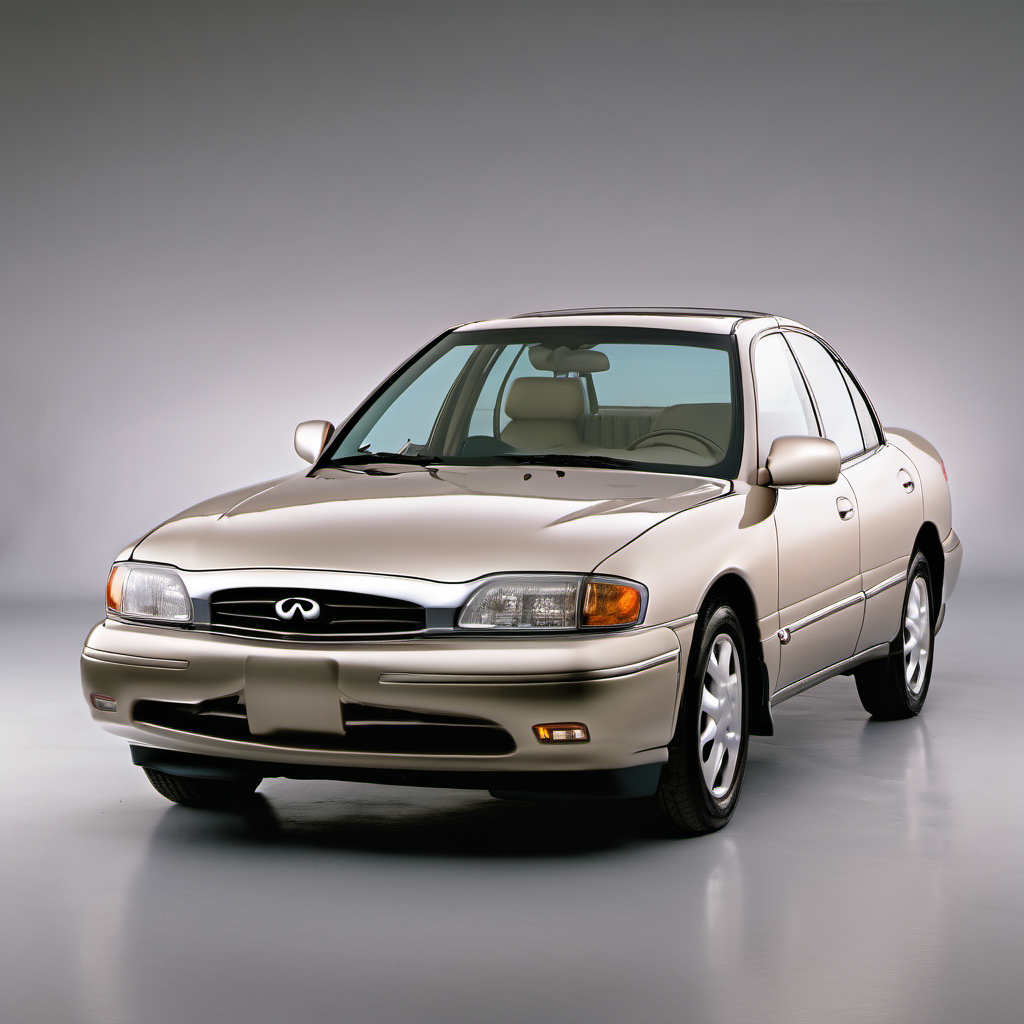
1996 Infiniti Q45
1996 Infiniti
Q45

Infiniti's flagship rear-drive luxury sedan of the same era. V8 power, comparable build quality, but rarer and harder to find parts for than the Lexus.
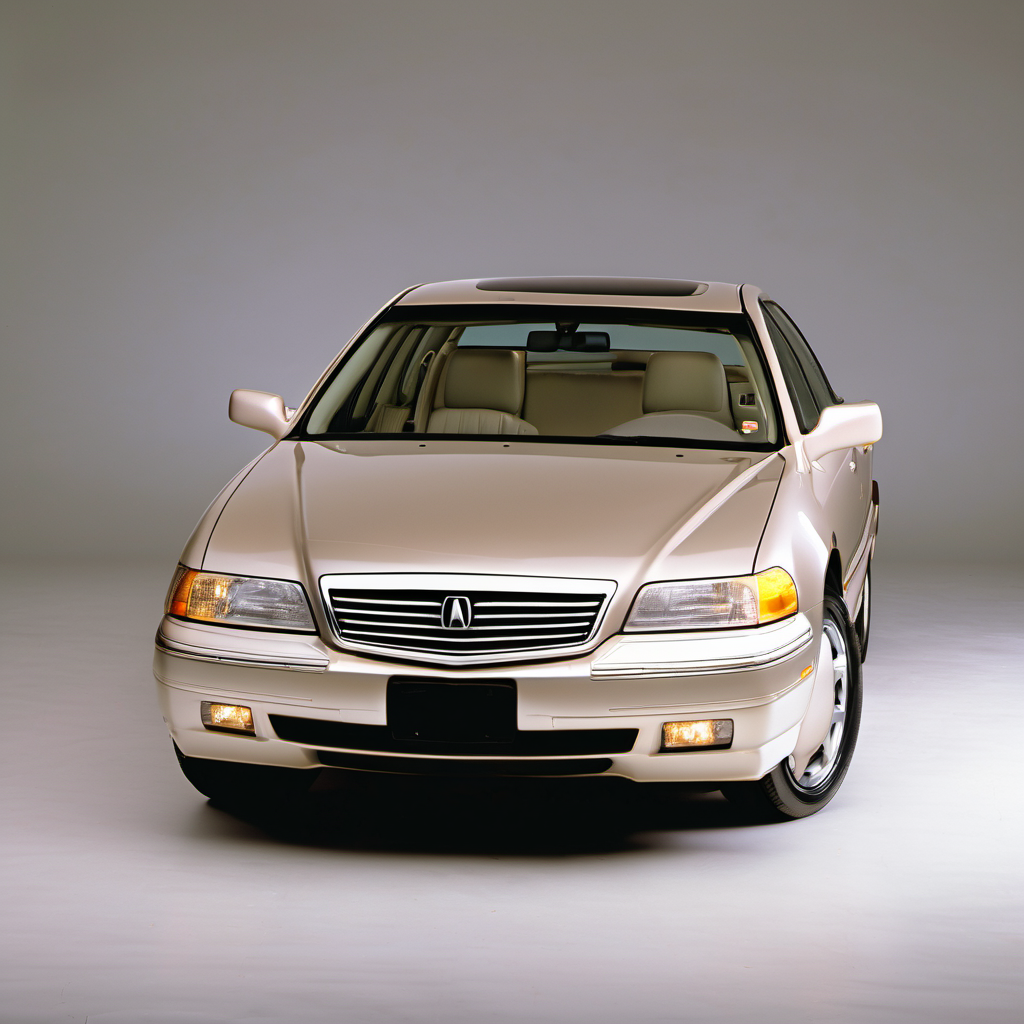
1996 Acura RL
1996 Acura
RL

Honda's luxury flagship of the same era. Front-wheel drive vs. the GS's RWD changes the character, but reliability and cost of ownership are similarly strong, and it's slightly easier to maintain.

If you're shopping for one

Red flags
  • No timing belt records and high mileage — walk away or demand a pre-purchase inspection with belt replacement budgeted in
  • Coolant that is brown or rusty — indicates neglected service and possible internal corrosion
  • Transmission that hesitates, slips, or clunks into gear — fluid-related damage is often irreversible without rebuild
  • Any evidence of undercarriage rust perforation, especially on brake lines — this is a safety disqualifier
  • Check engine light on with no explanation from seller — scan codes before purchase, not after
  • Oil that is black and gritty at any mileage interval — indicates extended drain intervals that stress the engine
What to inspect
  • Pull the timing belt cover and inspect the belt — if there's no service sticker or records, budget for immediate replacement
  • Check all coolant hoses by squeezing them; they should be firm, not spongy or cracked
  • Look under the car for rust on brake lines, fuel lines, and subframe — Wisconsin cars are high risk
  • Check transmission fluid color and smell on the dipstick — dark brown or burnt means neglected fluid changes
  • Test the ABS system by doing a controlled hard stop in a safe area; ABS actuator failures are common and expensive
  • Inspect suspension bushings for cracking and play at all four corners — factor $400–$1,200 into offer price if worn
  • Verify A/C blows cold; recharging an old system often reveals leaks that require O-ring or compressor work
AI profile generated 4 days ago · claude-sonnet-4-6 · v2.