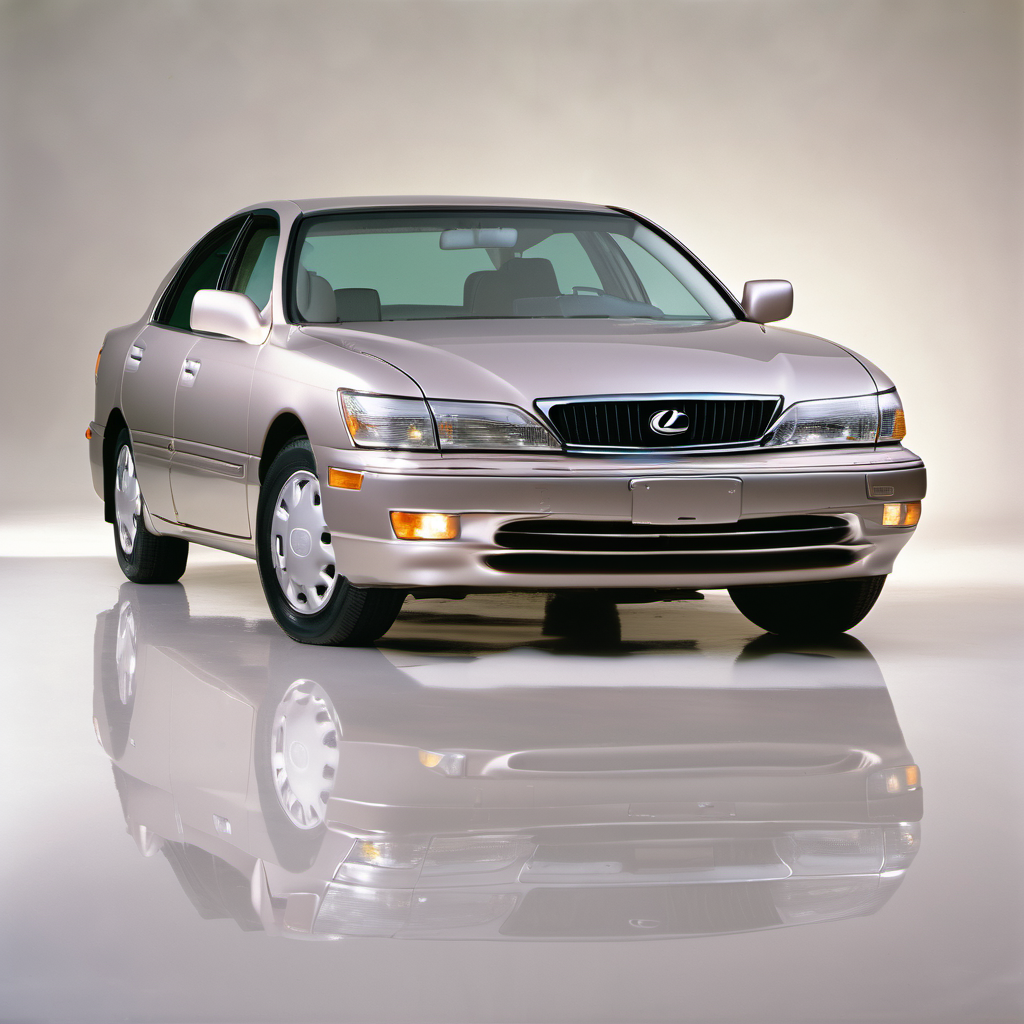
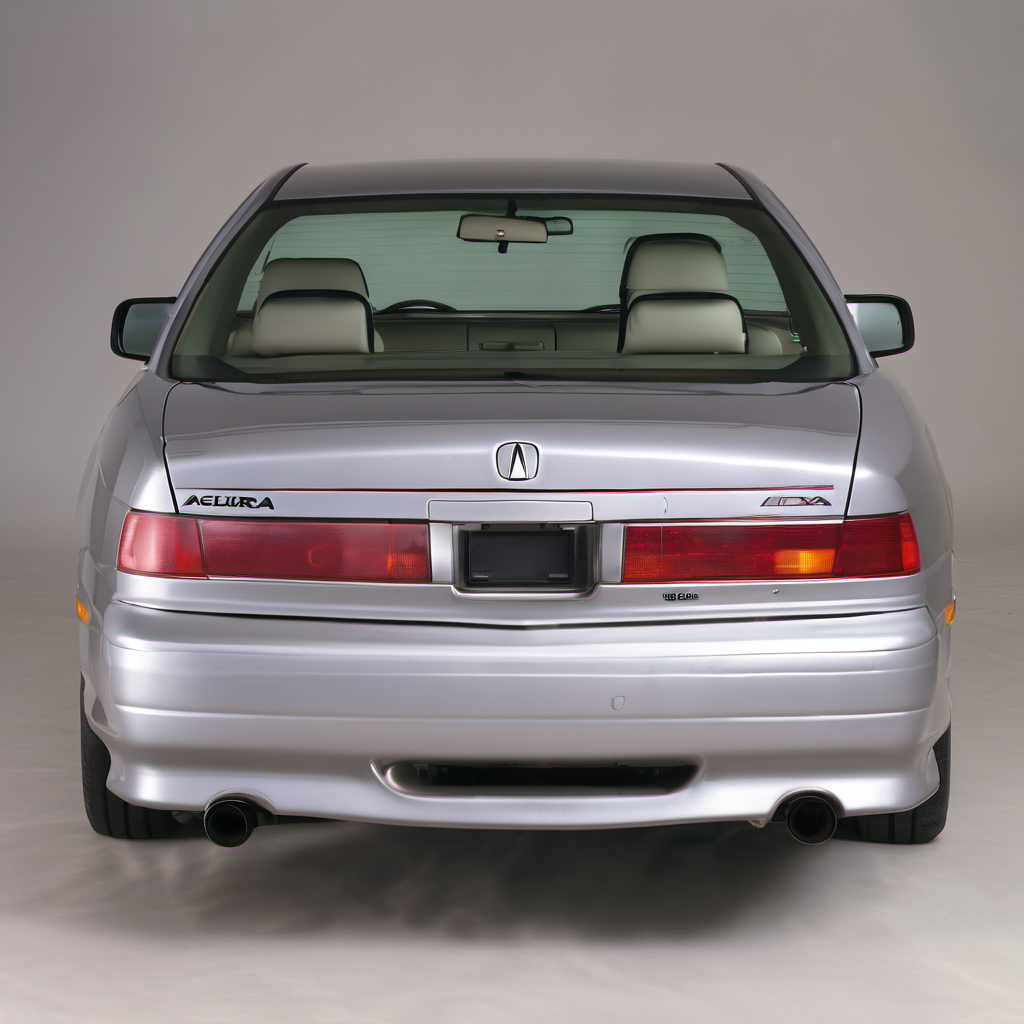
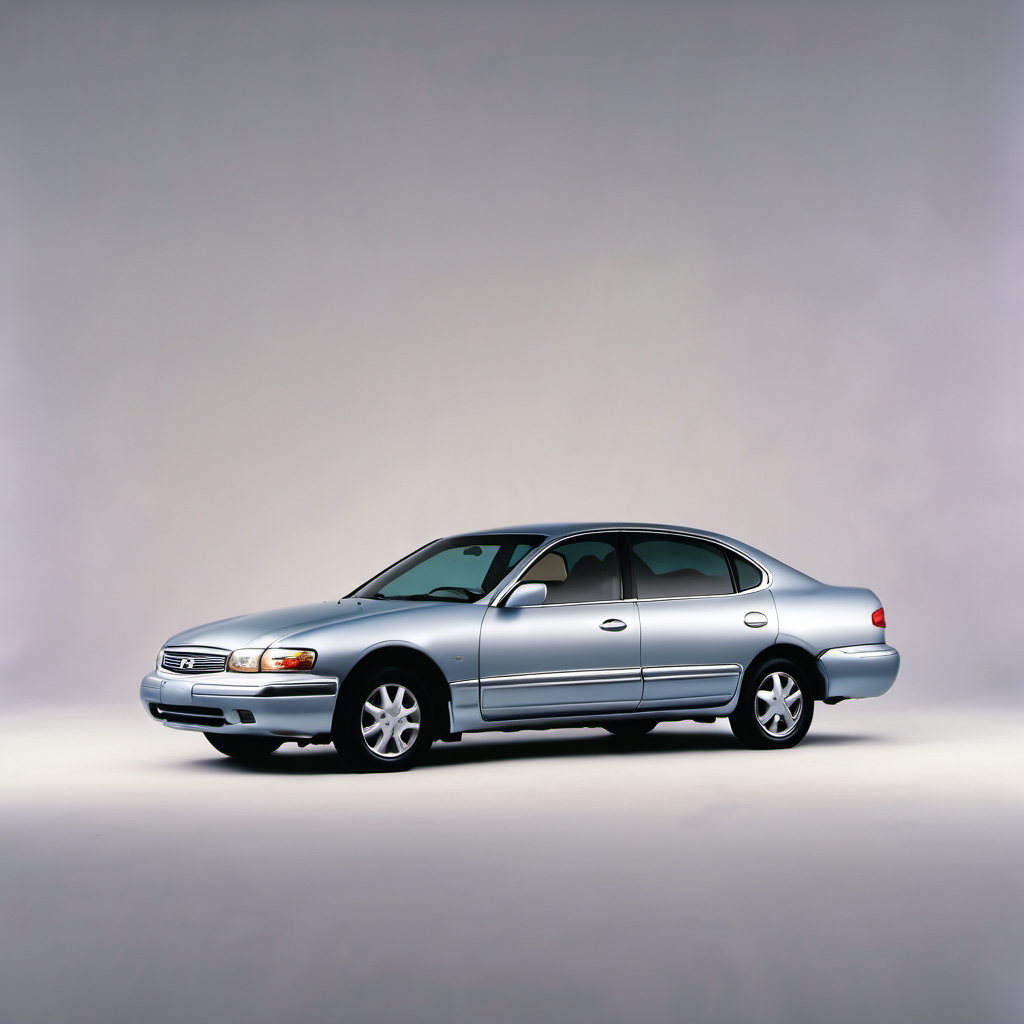
1996 Lexus ES Sedan

1996 Lexus

ESSedan

Sedan

The 1996 Lexus ES 300 is the fourth-generation ES, built on Toyota's proven Camry platform but dressed up with premium interior materials, a smoother ride tune, and a quieter cabin. It was positioned as an entry-level luxury sedan that prioritized comfort and refinement over sportiness — and it delivered on that promise. Powered by Toyota's 3VZ-FE 3.0L V6 (the last year before the 1MZ-FE swap arrived on the redesigned ES 300 in 1997), this generation is simpler mechanically than its successors — no variable valve timing, no drive-by-wire — which actually works in its favor for long-term ownership. At nearly 30 years old, these cars are deep into their ownership lifecycle. Well-maintained examples still run strong, but deferred maintenance, rust from Midwest road salt, and aged rubber components are the primary concerns at this point.

Reliability
4/5
Verified data
Specs shown for ES 300 — the most common configuration. Other trims may vary in engine, drivetrain, or fuel economy. Sign in to see your vehicle's exact specs.
Engine
[object Object]
Drivetrain
FWD
Fuel
Gasoline
MPG
18 city / 26 hwy / 21 combined
Seats
Doors
Body
Compact Cars

Overview

AI-curated

The 1996 Lexus ES 300 is the fourth-generation ES, built on Toyota's proven Camry platform but dressed up with premium interior materials, a smoother ride tune, and a quieter cabin. It was positioned as an entry-level luxury sedan that prioritized comfort and refinement over sportiness — and it delivered on that promise. Powered by Toyota's 3VZ-FE 3.0L V6 (the last year before the 1MZ-FE swap arrived on the redesigned ES 300 in 1997), this generation is simpler mechanically than its successors — no variable valve timing, no drive-by-wire — which actually works in its favor for long-term ownership. At nearly 30 years old, these cars are deep into their ownership lifecycle. Well-maintained examples still run strong, but deferred maintenance, rust from Midwest road salt, and aged rubber components are the primary concerns at this point.

Known for
  • Exceptionally smooth and quiet ride for its era
  • Strong Toyota/Lexus mechanical reliability pedigree
  • Plush, well-appointed interior that ages gracefully
  • Simple, proven 3.0L V6 without variable valve timing complexity
  • High long-term mileage potential with proper maintenance
Best for
  • Buyers who want affordable luxury with low running costs
  • Highway commuters prioritizing comfort over performance
  • Owners who do their own basic maintenance
  • Someone who wants a reliable daily driver on a tight budget
Watch for
  • Rust on undercarriage and subframe from decades of Wisconsin road salt
  • Aged rubber: coolant hoses, belts, suspension bushings often original or never replaced
  • Automatic transmission fluid that has never been serviced — the most common failure trigger
  • Non-functional A/C due to refrigerant leaks or aged seals at this age
  • Neglected timing belt — this engine is an interference design

Common issues by mileage

6 known

Timing Belt Failure

high
Typically appears
Any mileage — age-based failure risk regardless of mileage
Estimated repair
$400 – $700

Automatic Transmission Slipping / Failure from Neglected Fluid

high
Typically appears
80k–150k mi
Estimated repair
$1,500 – $3,500

Coolant Hose and Radiator Leaks

high
Typically appears
Any — age-related rubber degradation
Estimated repair
$150 – $600

Power Steering Rack Leaks

medium
Typically appears
100k–180k mi
Estimated repair
$400 – $900

Front Suspension Bushing and Ball Joint Wear

medium
Typically appears
100k+ mi
Estimated repair
$300 – $800

A/C System Refrigerant Leaks / Compressor Failure

medium
Typically appears
Any — age-related seal degradation
Estimated repair
$300 – $1,200

Maintenance schedule

  1. 1
    Immediate inspection if unknown history Timing belt and water pump replacement

    The 3VZ-FE is an interference engine — a snapped belt means bent valves and a multi-thousand-dollar repair. At nearly 30 years old, replace it regardless of reported mileage unless you have dated receipts. Do the water pump at the same time since it shares the same labor.

  2. 2
    Immediate if unknown / every 30k mi going forward Automatic transmission fluid drain and refill

    This is the single biggest killer of these transmissions. Never use a flush machine on an old, never-serviced trans — a simple drain and refill is safer. Use Toyota Type T-IV or equivalent spec fluid.

  3. 3
    Every 5k mi or annually Engine oil and filter change

    A 30-year-old engine benefits from more frequent oil changes. Use a quality conventional or full-synthetic 5W-30. Check for sludge if history is unknown.

  4. 4
    Every 2 years or at coolant inspection Coolant system inspection and flush

    Original or old coolant in these cars loses its anti-corrosion additives and attacks aluminum components. Inspect all hoses for cracking and softness at every service.

  5. 5
    Annually before Wisconsin winter Undercarriage rust inspection

    Lake Geneva roads are heavily salted from November through March. Inspect brake lines, fuel lines, subframe mounting points, and exhaust hangers every fall. Catching surface rust early saves thousands.

  6. 6
    Every 30k mi or as needed Spark plugs and ignition wires

    The 3VZ-FE is sensitive to worn ignition components. Misfires stress the catalytic converter and worsen fuel economy. Platinum or iridium plugs are a worthwhile upgrade over copper.

  7. 7
    Every 2 years Brake fluid flush

    Brake fluid is hygroscopic — it absorbs moisture over time, lowering its boiling point and promoting corrosion inside calipers and the ABS modulator. Critical in a wet, salty climate.

  8. 8
    Annually or as needed Drive belts (serpentine/accessory) inspection and replacement

    At this age, rubber belts crack and glaze. A snapped accessory belt on a winter highway in Wisconsin is a dangerous situation. Inexpensive to replace proactively.

Always defer to the manufacturer's service manual for warranty-mandated intervals.

Cost of ownership

Annual maintenance
$600 – $1,400
Fuel
At 21 MPG combined and typical driving of 12,000 miles/year, expect roughly $1,600–$1,900/year at current Wisconsin gas prices. Premium fuel is not required — regular 87 octane is fine.
Insurance
Insurance on a ~30-year-old entry-luxury sedan is typically low. Expect $600–$1,100/year for full coverage depending on your record and zip code, often less if carrying liability only.

This is one of the more affordable luxury vehicles to own on an ongoing basis. Parts are widely available and shared with Toyota Camry, keeping repair costs down at independent shops. The main financial risk is deferred maintenance catching up — a timing belt failure or neglected transmission can turn a $2,500 purchase into a $5,000 problem overnight. Stay ahead of the schedule and it's a genuinely cheap daily driver.
Seasonal care

Lake Geneva, WI
Winter
  • Switch to a 5W-30 full-synthetic oil if you haven't already — it flows better at sub-zero Wisconsin temperatures and reduces cold-start wear on this aging engine.
  • Test the battery before first freeze. A battery over 3–4 years old that passes a load test in summer can still fail at -10°F. This is a 12V conventional system — no AGM required, but a fresh battery is cheap insurance.
  • Replace wiper blades with winter/beam-style blades before November. The stock blade design traps ice and snow and can strip the wiper linkage bushings if forced.
  • Use a windshield washer fluid rated to at least -20°F. The reservoir on this car is accessible and easy to top off — do it before every cold snap.
  • Flush and inspect the cooling system antifreeze protection level. Confirm protection to at least -34°F. Old coolant loses freeze protection even if the level looks fine.
  • Thoroughly rinse the undercarriage after any winter drive where salt was applied. Pay special attention to brake line routing and the floor pan seams — rust here is expensive to address late.
Summer
  • Check A/C operation early in the season. These cars are 30 years old and A/C leaks are common — recharging a depleted system without fixing the leak is money wasted. Have the system pressure-tested.
  • Monitor coolant temperature gauge closely on hot days. A 30-year-old thermostat and radiator cap can both fail, causing overheating that damages the head gasket. Replace the thermostat and cap if not recently done.
  • Check tire pressure monthly — tires lose roughly 1 PSI for every 10°F rise in ambient temperature. Under-inflated tires run hot and wear unevenly on summer pavement.
  • Inspect rubber CV axle boots for cracking. Heat accelerates boot degradation; a torn boot lets grease out and grit in, leading to axle joint failure.

Comparable vehicles

If you're shopping for one

Red flags
  • No service records of any kind — walk away or heavily discount the price to cover unknown deferred maintenance.
  • Burnt or dark transmission fluid — budget $1,500–$3,500 if the trans is already slipping, or walk.
  • Any active overheating or temperature gauge abnormality — potential head gasket damage.
  • Rust perforation on the floor pan, frame rails, or around the rear suspension mounting points — structural rust on a 30-year-old car is a safety issue, not just cosmetic.
  • Strong coolant smell inside the cabin (possible heater core leak) or oily residue on the coolant reservoir cap (possible head gasket breach).
  • Misfires, rough idle, or check engine light — on a car this age, diagnose before buying, not after.
What to inspect
  • Timing belt service records — ask for dated receipts. No documentation means budget for immediate replacement.
  • Transmission fluid condition — pull the dipstick. Dark brown or burnt-smelling fluid is a warning sign of neglect.
  • Full undercarriage inspection on a lift for rust: brake lines, fuel lines, subframe, floor pan, and exhaust hangers are priority areas.
  • Coolant hose condition — squeeze them. Soft, spongy, or crusty hoses are due for replacement regardless of appearance.
  • A/C function — run it on a warm day and confirm it blows cold. A non-functional A/C on a 30-year-old car is a known expense.
  • CV axle boot condition — torn boots mean joint replacement is coming soon.
  • Check all power accessories (windows, locks, mirrors, sunroof if equipped) — electrical gremlins are common on aging luxury cars.
  • Look for oil leaks around the valve cover gaskets and front crankshaft seal — common seepage points at this age.
AI profile generated 4 days ago · claude-sonnet-4-6 · v2.