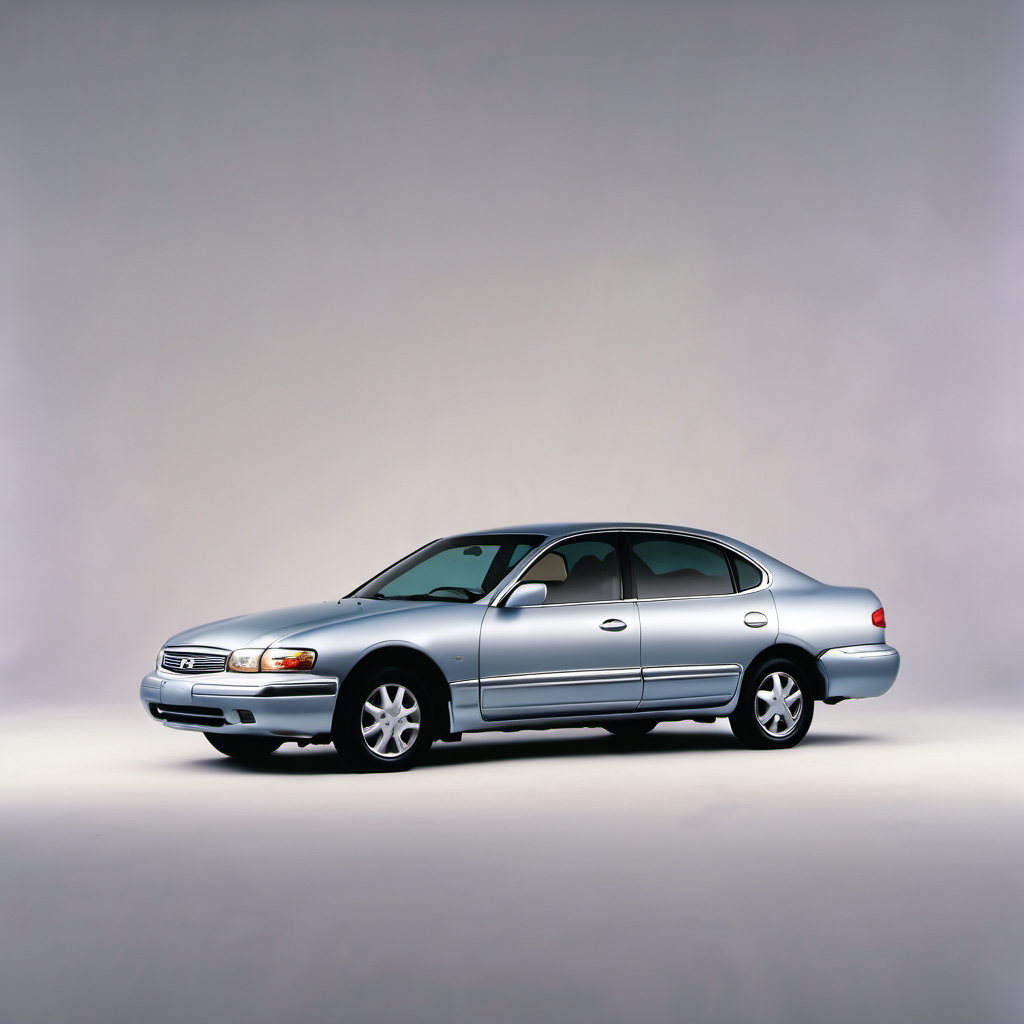
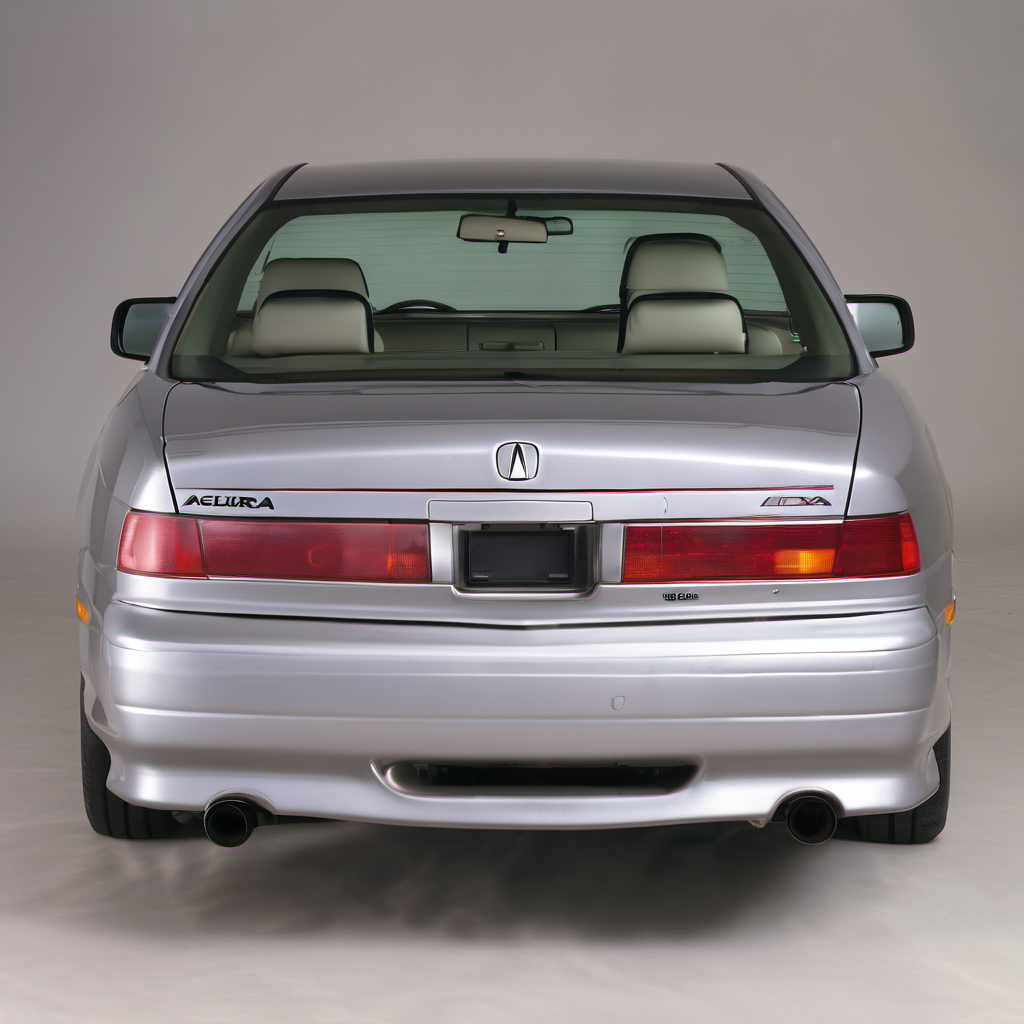
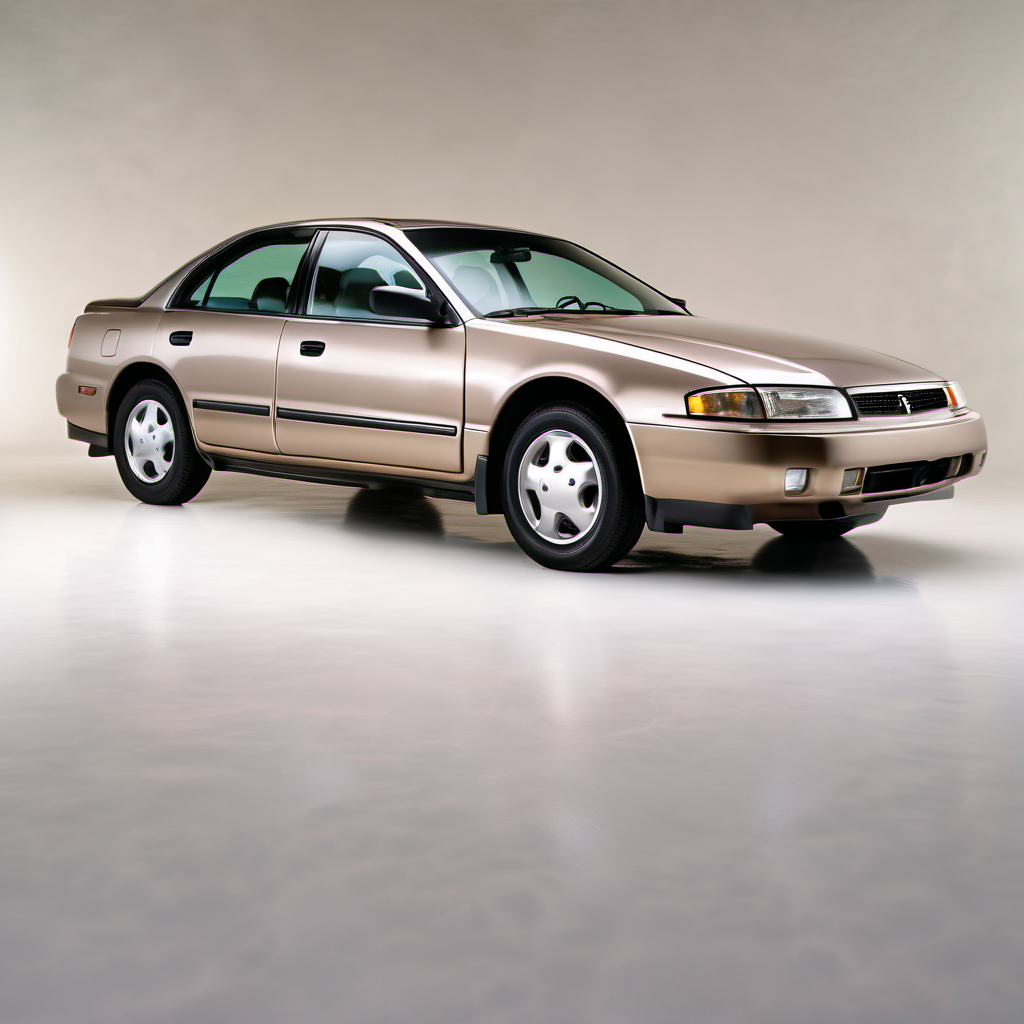
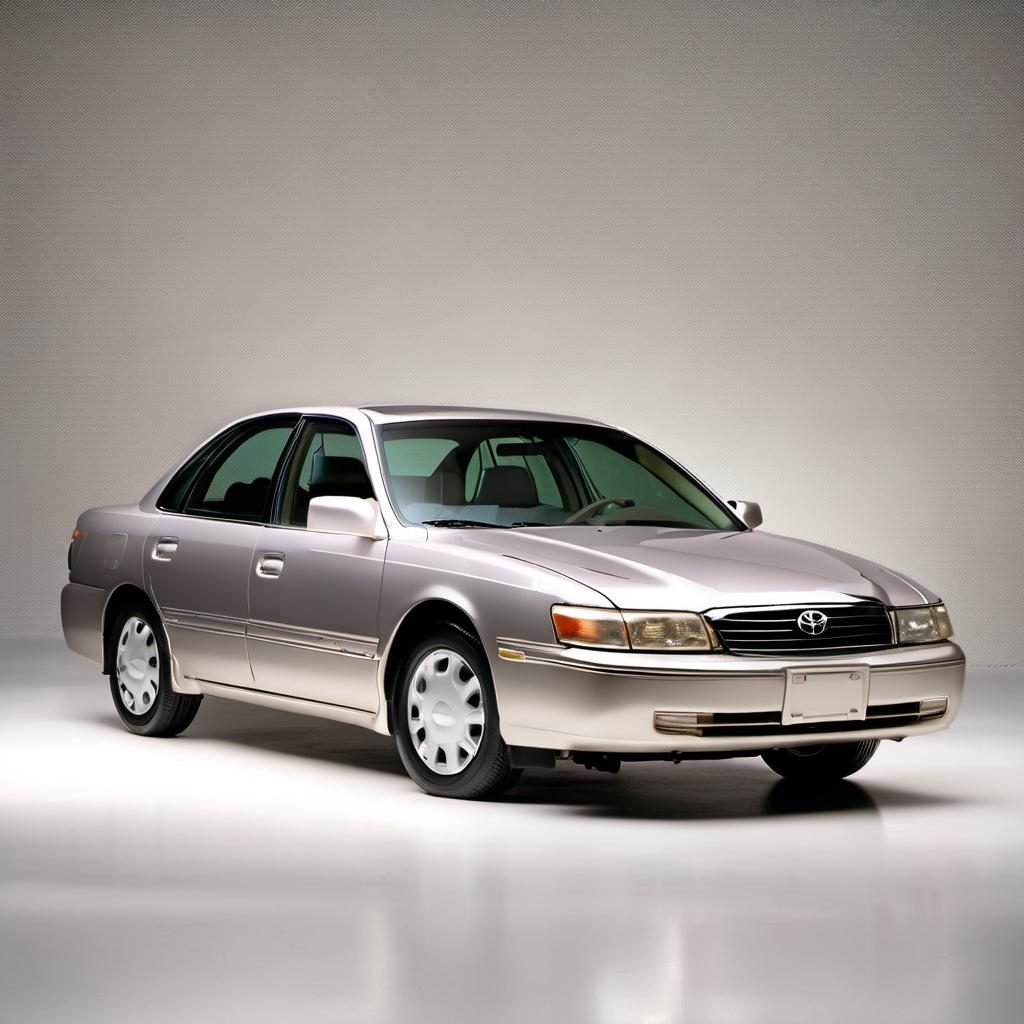
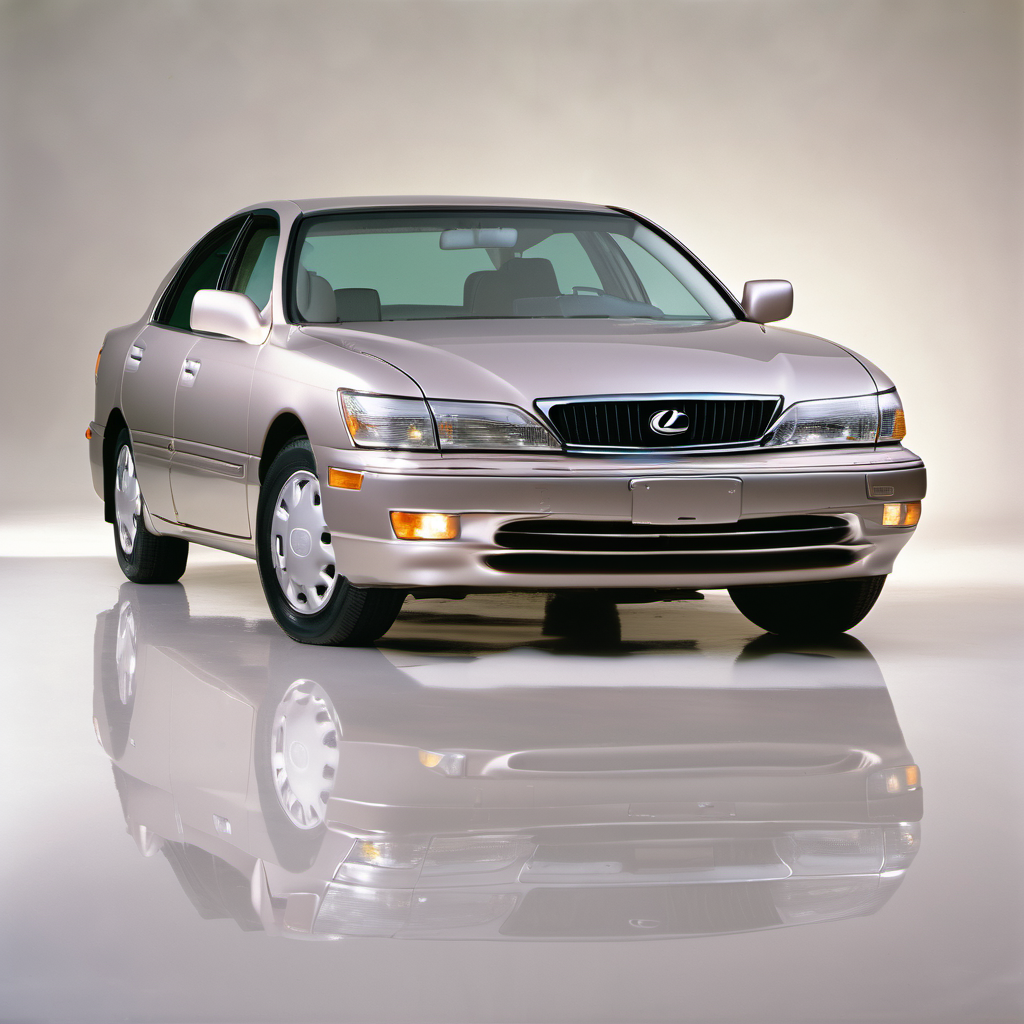
1996 INFINITI I Sedan

1996 INFINITI

ISedan

3.0L V6 (VQ30DE) · Sedan

The 1996 Infiniti I30 is a full-size luxury sedan built on Nissan's FF-L platform, essentially a rebadged Nissan Maxima with upscale interior trim and a longer standard equipment list. Powered by Nissan's proven VQ30DE V6, it offered a compelling blend of performance and refinement at a price point well below European rivals. For its era, the I30 punched above its weight — smooth, quiet ride, well-appointed cabin, and a genuinely enjoyable engine that became one of the most award-winning powerplants of the late '90s. It competed directly with the Lexus ES 300 and Acura TL, offering more power than either at the time. At nearly 30 years old, any surviving example is a high-mileage proposition. The good news is the VQ30DE is legitimately durable; the bad news is that these cars are rare enough that finding a well-maintained one requires patience. Rust and deferred maintenance are the primary enemies at this age.

Reliability
3/5
Verified data
Engine
3.0L V6 (VQ30DE)
Drivetrain
FWD
Fuel
Gasoline
MPG
20 city / 27 hwy / 23 combined
Seats
5
Doors
4
Body
Sedan
MSRP
$29,600

Overview

AI-curated

The 1996 Infiniti I30 is a full-size luxury sedan built on Nissan's FF-L platform, essentially a rebadged Nissan Maxima with upscale interior trim and a longer standard equipment list. Powered by Nissan's proven VQ30DE V6, it offered a compelling blend of performance and refinement at a price point well below European rivals. For its era, the I30 punched above its weight — smooth, quiet ride, well-appointed cabin, and a genuinely enjoyable engine that became one of the most award-winning powerplants of the late '90s. It competed directly with the Lexus ES 300 and Acura TL, offering more power than either at the time. At nearly 30 years old, any surviving example is a high-mileage proposition. The good news is the VQ30DE is legitimately durable; the bad news is that these cars are rare enough that finding a well-maintained one requires patience. Rust and deferred maintenance are the primary enemies at this age.

Known for
  • Nissan VQ30DE V6 — one of the most celebrated engines of its generation
  • Smooth, composed ride quality for a late-'90s luxury sedan
  • Well-equipped standard features for the price when new
  • Strong resale relationship to the Nissan Maxima platform (parts availability)
Best for
  • Budget-minded luxury sedan buyers comfortable with older vehicles
  • DIY-friendly owners who can source Nissan/Maxima parts
  • Collectors or enthusiasts seeking late-'90s Japanese luxury
Watch for
  • Heavy undercarriage rust from road salt exposure — a serious concern in Wisconsin
  • Age-related rubber degradation: hoses, belts, seals, and suspension bushings
  • Aging electrical components including power window motors and HVAC blend doors
  • Difficult and expensive-to-find OEM trim pieces at this age

Common issues by mileage

6 known

Timing belt service overdue

high
Typically appears
60–90k mi intervals
Estimated repair
$400 – $700

Distributor cap, rotor, and ignition system wear

high
Typically appears
80–150k mi
Estimated repair
$150 – $350

Power steering rack leaks and hose deterioration

high
Typically appears
100k+ mi
Estimated repair
$300 – $900

Suspension bushing and strut mount wear

high
Typically appears
100k+ mi
Estimated repair
$400 – $1,200

Undercarriage and subframe rust (salt-belt vehicles)

high
Typically appears
All mileages in northern climates
Estimated repair
$500 – $3,000

Maintenance schedule

  1. 1
    Every 60k miles or immediately if history unknown Timing belt and water pump replacement

    The VQ30DE is an interference engine — a snapped timing belt causes catastrophic valve damage. On a 28-year-old car, replace it regardless of mileage if you can't document the last service.

  2. 2
    Every 5,000 miles or 6 months Engine oil and filter change (full synthetic)

    Fresh oil keeps VQ sludge at bay. This engine has a sludge history under neglect — short intervals are cheap insurance.

  3. 3
    Every 2 years Coolant flush and thermostat inspection

    Old coolant loses its corrosion inhibitors, attacking the aluminum head and radiator. Wisconsin freeze cycles accelerate this.

  4. 4
    Every 2 years Brake fluid flush

    Moisture-saturated brake fluid lowers boiling point and corrodes calipers from the inside — especially relevant in the salt-and-wet Wisconsin environment.

  5. 5
    Annually Inspect all rubber hoses, belts, and CV axle boots

    On a nearly 30-year-old vehicle, rubber degrades with age regardless of mileage. A cracked CV boot leads to rapid joint failure.

  6. 6
    Annually (before winter) Undercarriage rust treatment and inspection

    Salt-belt rust is the number-one killer of this car in Wisconsin. Inspect brake lines, fuel lines, and subframe mounts every fall; treat exposed metal with a rust inhibitor.

  7. 7
    Every 60k miles Spark plugs (platinum or iridium)

    The VQ30DE runs noticeably smoother with fresh plugs. Worn plugs increase misfires and stress the ignition coils.

  8. 8
    Every fall (before Wisconsin winter) Battery load test

    A battery that tests marginal in October will likely fail at -10°F in January. On a 3.0L V6 in cold starts, a weak battery causes hard starting and can damage the starter.

Always defer to the manufacturer's service manual for warranty-mandated intervals.

Cost of ownership

Annual maintenance
$800 – $2,500
Fuel
At ~23 MPG combined and typical Wisconsin driving, expect roughly $1,500–$2,000/year in fuel at current prices using regular unleaded.
Insurance
Low — older luxury sedans typically carry minimal book value; expect liability-heavy policies in the $600–$1,100/year range depending on coverage.

The I30 is cheap to insure and reasonably fuel-efficient for its era, but maintenance costs on a nearly 30-year-old vehicle can spike quickly. A car with unknown service history should budget on the high end for deferred items: timing belt, cooling system, suspension, and brake lines. Parts are generally affordable thanks to Nissan Maxima cross-compatibility, but labor hours add up fast on an aging platform.
Seasonal care

Lake Geneva, WI
Winter
  • Load-test the battery every fall — the VQ30DE requires a strong crank at sub-zero temps and a failing battery won't give much warning.
  • Switch to 5W-30 full synthetic if not already running it; conventional oil thickens in extreme cold and starves upper-engine components on startup.
  • Flush brake fluid if over 2 years old — moisture content lowers freeze tolerance and corrodes aging steel brake lines that are especially vulnerable to salt.
  • Use a winter-rated washer fluid rated to at least -20°F; the stock reservoir and nozzles can crack if water-based fluid freezes inside.
  • Inspect and treat exposed undercarriage metal before first salting season — brake lines and fuel lines on this car are now approaching 30 years old.
  • Keep the fuel tank at least half full to reduce condensation in the fuel system during freeze-thaw cycles.
Summer
  • Check coolant concentration and condition — a compromised cooling system will show itself first during hot Wisconsin summers, especially in stop-and-go traffic.
  • Inspect the A/C system for refrigerant leaks and check that the condenser fins aren't blocked by debris; the aging seals on a '96 system are prone to slow leaks.
  • Check tire pressure monthly — heat causes pressure to rise approximately 1 PSI per 10°F, and overinflated tires on worn suspension components reduce handling safety.
  • Inspect all rubber under the hood (hoses, belts) after winter — freeze-thaw cycling accelerates cracking that summer heat then finishes off.

Comparable vehicles

If you're shopping for one

Red flags
  • Any rust on brake or fuel lines — these are safety-critical and replacement on a '96 can cost more than the car's market value.
  • No service records and high mileage — on an interference engine like the VQ30DE, unknown timing belt history is an immediate red flag.
  • Milky or foamy oil on the dipstick or under the oil cap — points to a head gasket failure or cracked head.
  • Smoke from the exhaust on startup — blue smoke means oil burning, white smoke may indicate coolant intrusion.
  • Rough idle or misfires — could be minor (plugs/wires) or expensive (injectors, coils, or VTC issues on higher-mileage examples).
  • Deferred rust-proofing on a Wisconsin-registered vehicle — salt damage this old is often irreversible and structural.
What to inspect
  • Put the car on a lift and inspect every inch of the undercarriage — brake lines, fuel lines, subframe mounting points, and floor pan for rust perforation.
  • Verify the timing belt has been replaced within the last 60k miles; ask for documentation. If unknown, budget for immediate replacement before driving it.
  • Check the cooling system: look for white residue around hose clamps, inspect the radiator for corrosion, and confirm the coolant isn't milky (head gasket warning).
  • Test all power accessories — windows, mirrors, sunroof, HVAC blend doors — these are expensive to repair on a car this age with limited parts.
  • Inspect CV axle boots for cracks or grease sling; listen for clicking during low-speed turns.
  • Check for oil leaks at the valve cover gaskets and around the timing belt cover — common on high-mileage VQ30DEs.
AI profile generated 4 days ago · claude-sonnet-4-6 · v2.