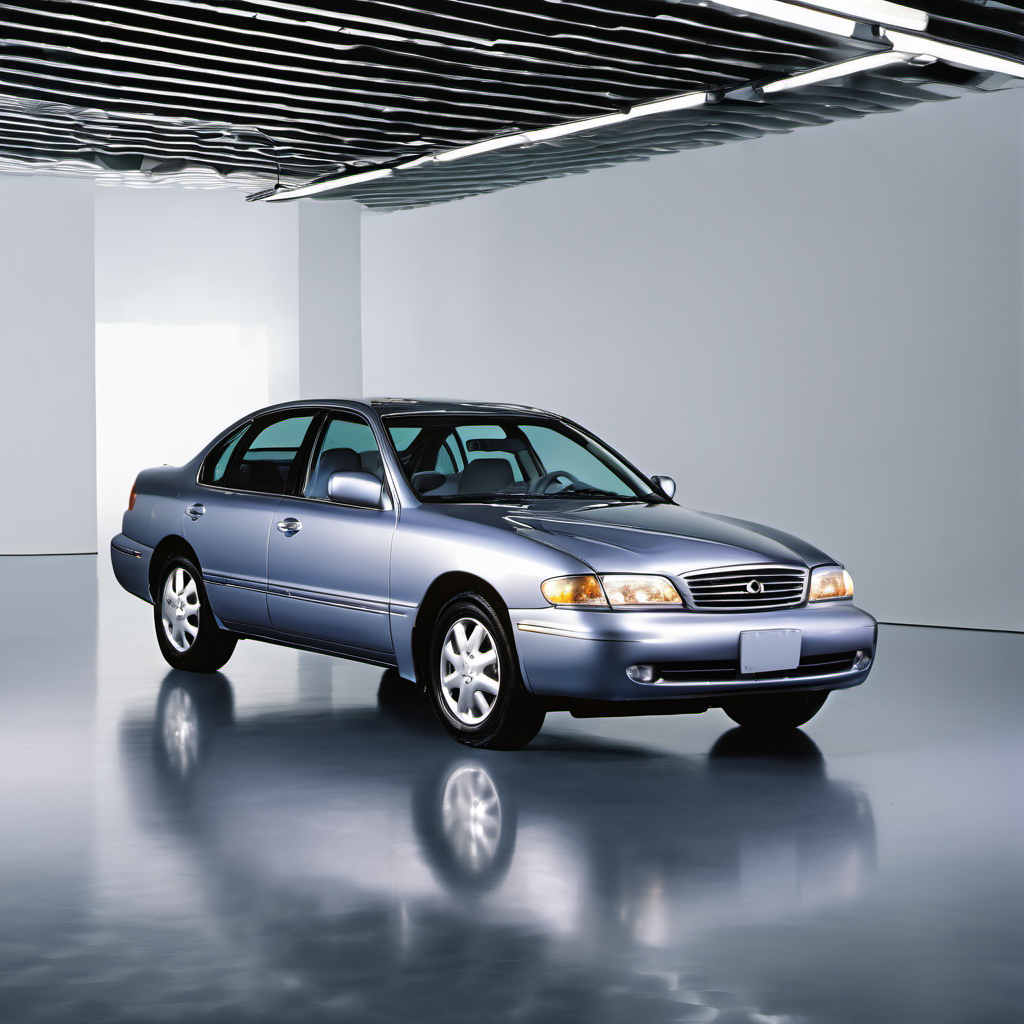
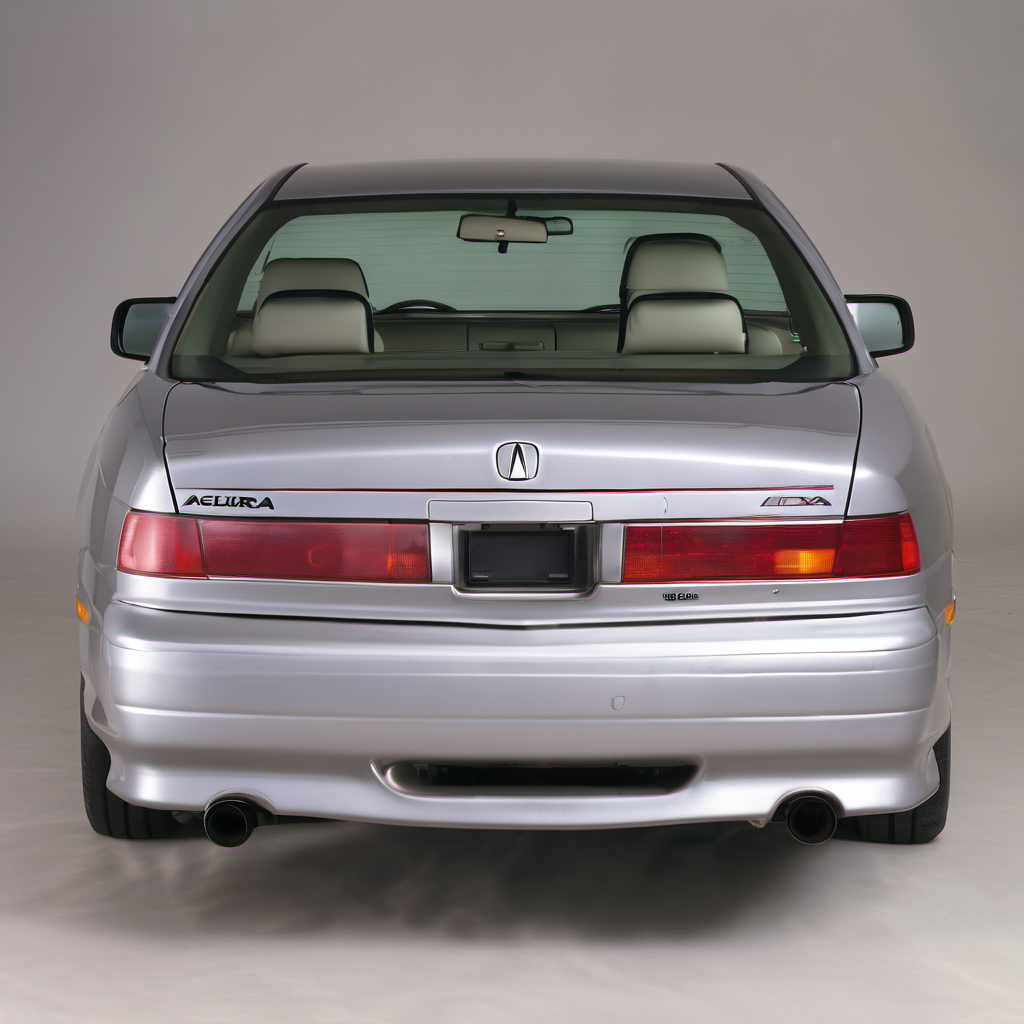
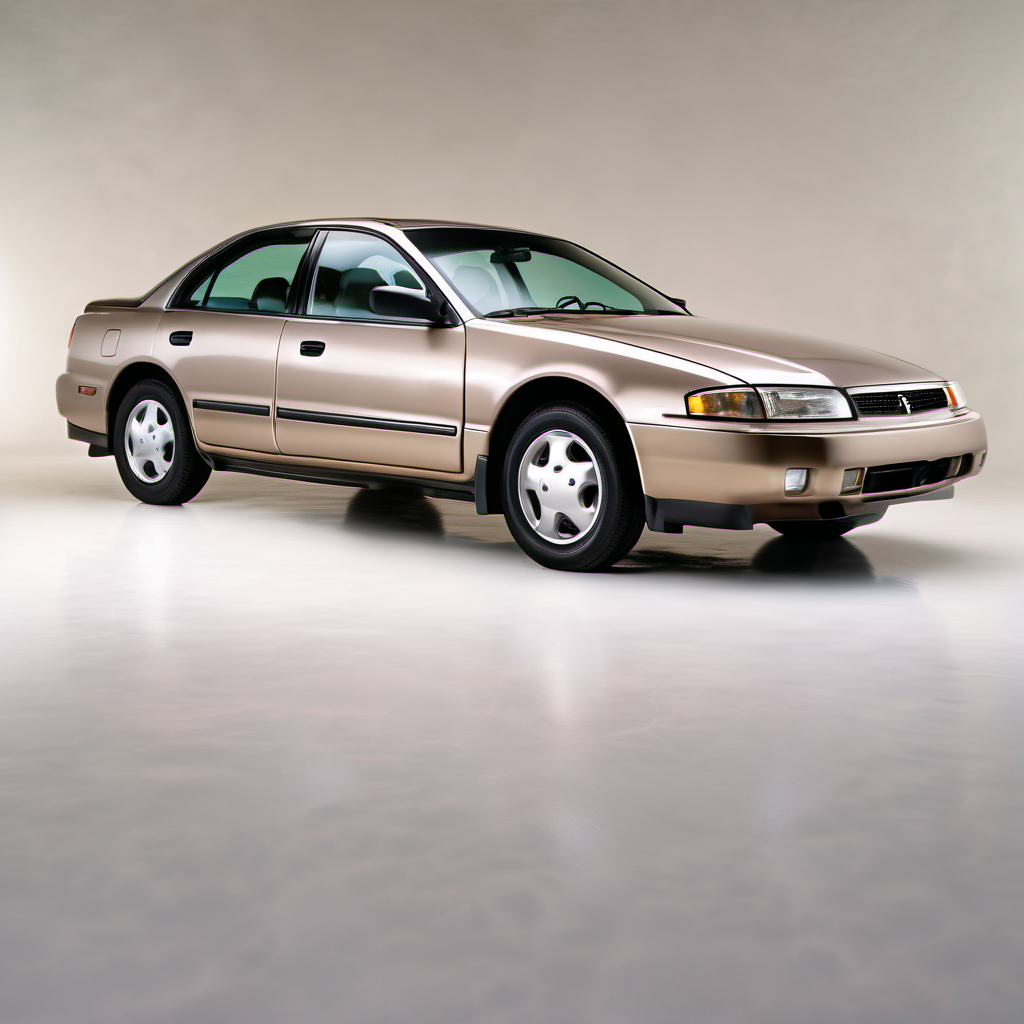
1996 INFINITI J Sedan

1996 INFINITI

JSedan

3.0L V6 (VG30DE) · Sedan

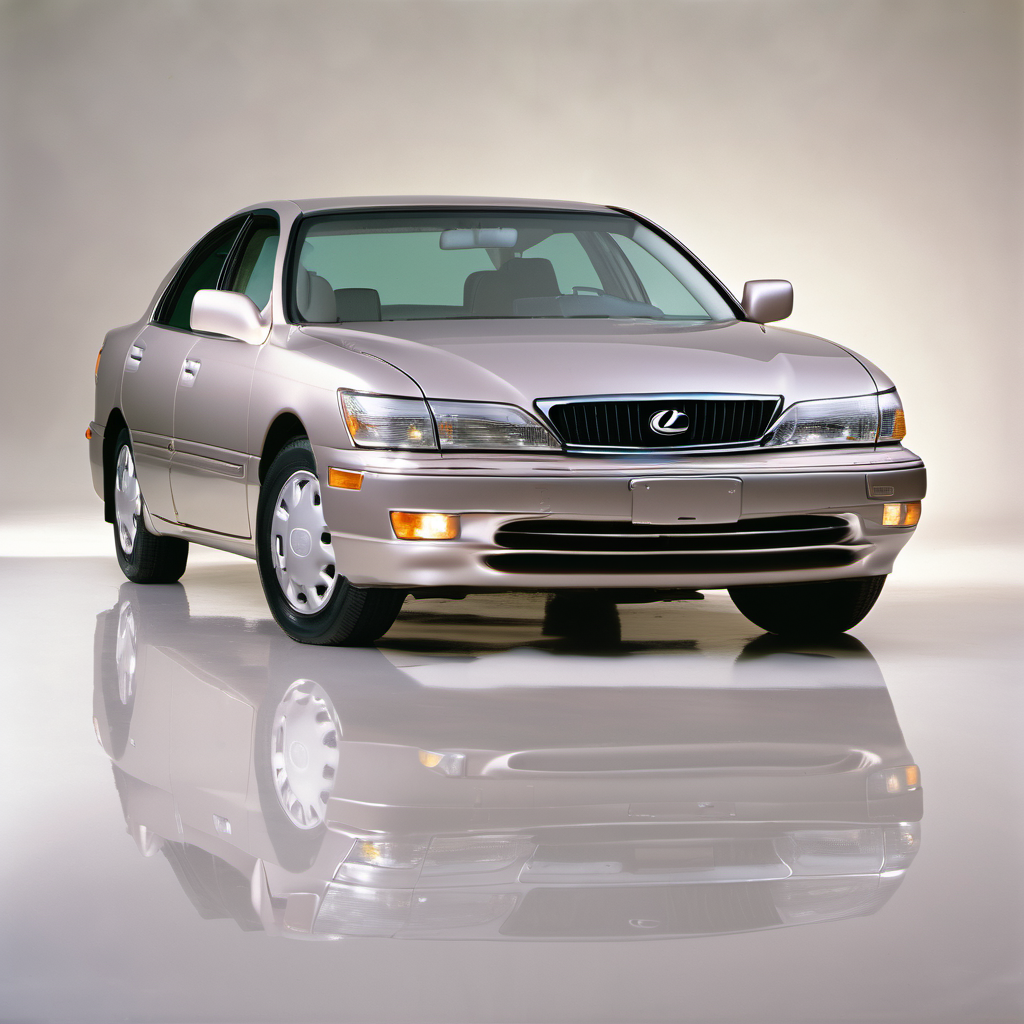
The 1996 Infiniti J30 is a rear-wheel-drive luxury sedan built on Nissan's Y32 platform — the same bones as the Nissan Leopard sold in Japan. It was Infiniti's mid-size entry, slotting between the entry-level G20 and the flagship Q45. The J30 was sold in the U.S. from 1993 through 1997, and the '96 represents the final full model year before the line was discontinued. It was powered by a smooth 3.0L VG30DE V6 producing 210 hp, paired with a 4-speed automatic. The J30's calling card was its distinctive, rounded styling — polarizing at the time and increasingly rare today. The interior was genuinely plush for its era, with standard leather, Bose audio, and a driver-focused cockpit. Rear-wheel drive gave it more sporting character than most luxury sedans of the mid-'90s, though it was never marketed as a driver's car outright. By 1996 this car is approaching 30 years old, which means every surviving example needs to be treated as a high-mileage collector/enthusiast car rather than daily transportation. Parts availability is thin — many Infiniti-specific components are dealer-only or NOS (new old stock) at best, with some sourced from JDM Nissan Leopard suppliers. Budget accordingly.

Reliability
3/5
Verified data
Engine
3.0L V6 (VG30DE)
Drivetrain
RWD
Fuel
Gasoline
MPG
17 city / 23 hwy / 19 combined
Seats
5
Doors
4
Body
Sedan
MSRP
$36,500

Overview

AI-curated

The 1996 Infiniti J30 is a rear-wheel-drive luxury sedan built on Nissan's Y32 platform — the same bones as the Nissan Leopard sold in Japan. It was Infiniti's mid-size entry, slotting between the entry-level G20 and the flagship Q45. The J30 was sold in the U.S. from 1993 through 1997, and the '96 represents the final full model year before the line was discontinued. It was powered by a smooth 3.0L VG30DE V6 producing 210 hp, paired with a 4-speed automatic. The J30's calling card was its distinctive, rounded styling — polarizing at the time and increasingly rare today. The interior was genuinely plush for its era, with standard leather, Bose audio, and a driver-focused cockpit. Rear-wheel drive gave it more sporting character than most luxury sedans of the mid-'90s, though it was never marketed as a driver's car outright. By 1996 this car is approaching 30 years old, which means every surviving example needs to be treated as a high-mileage collector/enthusiast car rather than daily transportation. Parts availability is thin — many Infiniti-specific components are dealer-only or NOS (new old stock) at best, with some sourced from JDM Nissan Leopard suppliers. Budget accordingly.

Known for
  • Smooth, refined VG30DE V6 engine
  • Distinctive rounded 'jellybean' exterior styling
  • Well-appointed luxury interior for the era
  • Rear-wheel-drive dynamics in a luxury sedan
Best for
  • Enthusiasts who want a rare, collectible '90s Japanese luxury car
  • Drivers who appreciate RWD handling in a full-featured sedan
  • Budget luxury buyers willing to handle aging-car maintenance
  • Nissan/Infiniti platform fans comfortable sourcing JDM parts
Watch for
  • Parts scarcity — many body, trim, and electronic components are no longer manufactured
  • Age-related rust on underbody, subframe, and brake lines (critical in Wisconsin)
  • Aging rubber: fuel lines, coolant hoses, suspension bushings all likely need replacement
  • Electrical gremlins from 30-year-old wiring and connectors
  • Difficult resale — very low demand means high repair costs may not be recoverable

Common issues by mileage

6 known

Timing belt failure or service overdue

high
Typically appears
60k mi intervals / all ages
Estimated repair
$500 – $900

Coolant hose and radiator deterioration

high
Typically appears
All mileages on a 30-year-old car
Estimated repair
$300 – $700

Oxygen sensor failure / aging sensor wiring

medium
Typically appears
80k–150k mi
Estimated repair
$150 – $400

Suspension bushing and ball joint wear

high
Typically appears
80k+ mi / all ages
Estimated repair
$400 – $1,200

Brake line rust and master cylinder corrosion

high
Typically appears
All mileages — age-driven in Wisconsin
Estimated repair
$400 – $1,500

Automatic transmission fluid degradation / shift harshness

medium
Typically appears
80k–150k mi
Estimated repair
$100 – $600

Maintenance schedule

  1. 1
    Every 3,000–5,000 miles or annually Engine oil and filter change

    The VG30DE thrives on clean oil. At this age, more frequent changes help flush any moisture or contaminants that accumulate in a car that may sit periodically.

  2. 2
    Immediately if unknown — then every 60k miles Timing belt, water pump, and tensioner replacement

    The VG30DE is an interference engine. A snapped belt causes catastrophic valve damage. If you cannot document the last service, replace it now.

  3. 3
    Every 30k miles or 2 years Automatic transmission fluid drain and refill

    Use Nissan-spec ATF. Old fluid degrades clutch packs and causes harsh shifts that accelerate internal wear.

  4. 4
    Every 2 years or if any soft spots felt Inspect and replace all coolant hoses and thermostat

    30-year-old rubber hoses can look fine externally and fail without warning. A roadside overheat in a Wisconsin winter is dangerous.

  5. 5
    Annually — before winter Full brake system inspection including steel lines

    Wisconsin road salt attacks steel brake lines from the outside in. A line failure under braking is catastrophic. Inspect every inch.

  6. 6
    Every 2 years Full coolant flush with fresh 50/50 mix

    Depleted coolant loses freeze protection and becomes corrosive to the aluminum components in the cooling system.

  7. 7
    Annually Inspect and lubricate all underbody rubber: bushings, CV boots, sway bar end links

    Dry, cracked rubber accelerates wear on expensive suspension and drivetrain components. Catching a split CV boot early avoids a full axle replacement.

  8. 8
    Every fall / before sub-zero temps Test battery and charging system; replace battery if over 4 years old

    Cold cranking amps drop sharply in sub-zero Wisconsin temperatures. A borderline battery that starts fine in October will fail in January.

Always defer to the manufacturer's service manual for warranty-mandated intervals.

Cost of ownership

Annual maintenance
$800 – $2,500
Fuel
At ~19 MPG combined and Wisconsin driving patterns, expect $1,400–$1,900/year at typical mid-grade fuel prices. The VG30DE is rated for regular but runs best on 89 octane.
Insurance
Generally low — agreed-value collector policies are available and often cheaper than standard full-coverage for a car of this value. Shop specialty insurers for a car used less than 5,000 miles/year.

On a good year with no surprises, maintenance runs $800–$1,200. Budget $2,000–$2,500 in any year a major service comes due (timing belt, brake lines, suspension refresh). Parts scarcity is the wildcard — when a component is only available NOS or from Japan, shipping and sourcing time add cost and delay beyond the labor estimate. This is not a cheap car to own despite its low purchase price.
Seasonal care

Lake Geneva, WI
Winter
  • Test battery cold cranking amps every fall — sub-zero temps can turn a 70% battery into a no-start overnight. Replace proactively if over 4 years old.
  • Flush to fresh 50/50 antifreeze rated to at least -34°F before the first hard freeze. The VG30's aluminum components are vulnerable to a corrosive, depleted coolant mix.
  • Spray underbody with a quality rust inhibitor before first salt application — at 30 years old, this car has limited remaining corrosion tolerance.
  • Switch to winter-rated washer fluid (good to -20°F or lower). The stock reservoir and lines can crack if summer fluid freezes.
  • Install dedicated winter tires on a steel wheel set. The J30's RWD makes all-season compromises in snow genuinely dangerous.
  • After every significant snowfall or salted road exposure, rinse the undercarriage at a coin wash — paying close attention to wheel wells and brake line routing.
Summer
  • Check tire pressure monthly — ambient temperature swings of 40°F between Wisconsin winter and summer change pressure by 6–8 PSI. Under-inflation accelerates wear and hurts fuel economy.
  • Inspect the A/C system for refrigerant charge and compressor clutch engagement. R-134a systems on 30-year-old cars commonly leak at aged O-rings and Schrader valves.
  • Monitor coolant temperature closely during highway driving and in stop-and-go heat. An aging cooling system that is marginal in winter may overheat in summer.
  • Check the rubber weatherstripping around all doors and the trunk — UV degradation causes water intrusion that leads to hidden floor rust.

Comparable vehicles

If you're shopping for one

Red flags
  • Any visible rust on the subframe, frame rails, or floor — walk away. Structural rust repair on a car of this value is not economically justifiable.
  • No timing belt records and an owner unwilling to negotiate cost of immediate replacement into the deal.
  • Milky or sludgy oil on the dipstick — indicates possible head gasket failure or chronic neglect.
  • Check engine light that the seller cannot explain with a documented repair order.
  • Evidence of flood damage: musty smell, stained carpet backing, corrosion inside the fuse box or under the dash.
  • Mismatched paint panels or poorly fitted body gaps — at this age, accident repair is rarely done to a high standard, and it raises questions about underbody damage that may not be visible.
What to inspect
  • Full underbody inspection on a lift — look specifically at steel brake lines, fuel lines, subframe mounting points, and floor pan seams for rust perforation.
  • Timing belt service records. No documentation = assume it's due immediately. This is a non-negotiable safety item on an interference engine.
  • All four brake calipers for seized pistons — a common result of long storage or infrequent use on a 30-year-old car.
  • All coolant hoses and the radiator for soft spots, weeping seams, and discoloration.
  • Electrical: test all windows, locks, HVAC controls, and instrument cluster functions. Replacements for Infiniti-specific electronics are extremely scarce.
  • Condition of leather and interior trim — cosmetic parts are nearly impossible to source new.
AI profile generated 4 days ago · claude-sonnet-4-6 · v2.