Coolant system deterioration (hoses, thermostat, radiator)
high- Typically appears
- 80k+ mi / any age
- Estimated repair
- $300 – $800
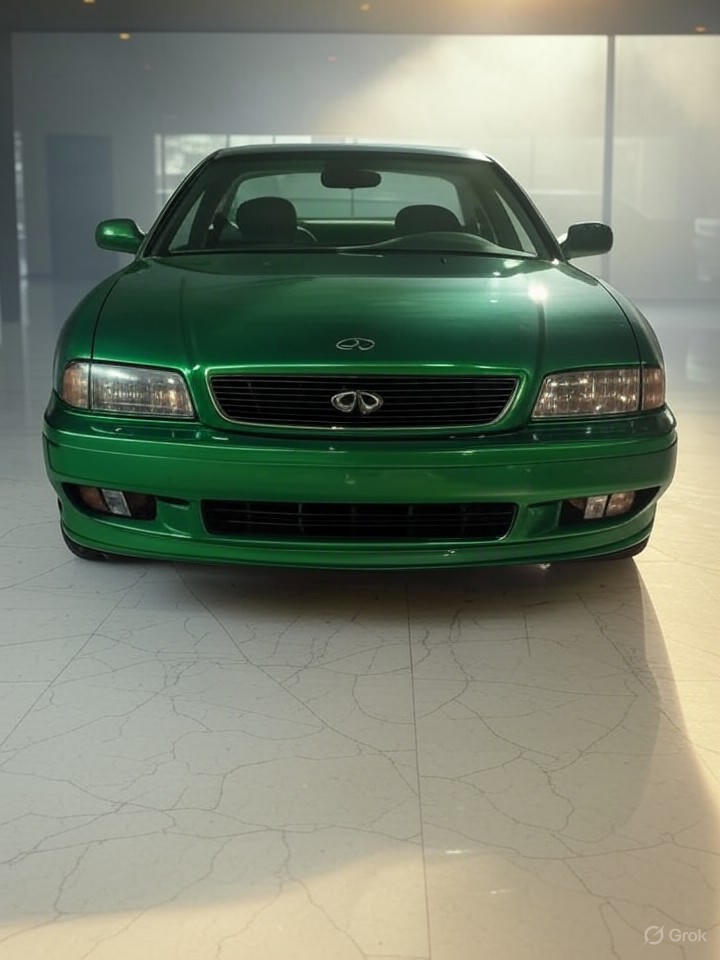
1996 INFINITI
2.0L I4 (SR20DE) · Sedan
The 1996 Infiniti G20 is a compact rear-wheel-drive-influenced luxury sedan built on Nissan's P10 platform, sharing its bones with the Nissan Primera sold in other markets. It was powered by a 2.0L inline-4 and positioned as the entry point into the Infiniti lineup — smaller, more driver-focused, and more affordable than the J30 or Q45 stablemates. In its day it offered a composed, European-flavored ride with a nicely trimmed interior at a reasonable luxury price. By 1996 the G20 was in its second generation (P11 platform), featuring a refreshed exterior, a retuned suspension, and modest interior updates. It remained a niche choice — buyers who wanted a small luxury sedan with genuine driving feedback rather than a plush boulevard cruiser. Nissan/Infiniti quality of that era was solid but not immune to age-related problems, especially now that these cars are nearly 30 years old. Finding a well-maintained example today is the real challenge. Parts availability has thinned, and most survivors have accumulated deferred maintenance. This is a car for an enthusiast willing to do their homework, not a casual used-car purchase.
The 1996 Infiniti G20 is a compact rear-wheel-drive-influenced luxury sedan built on Nissan's P10 platform, sharing its bones with the Nissan Primera sold in other markets. It was powered by a 2.0L inline-4 and positioned as the entry point into the Infiniti lineup — smaller, more driver-focused, and more affordable than the J30 or Q45 stablemates. In its day it offered a composed, European-flavored ride with a nicely trimmed interior at a reasonable luxury price. By 1996 the G20 was in its second generation (P11 platform), featuring a refreshed exterior, a retuned suspension, and modest interior updates. It remained a niche choice — buyers who wanted a small luxury sedan with genuine driving feedback rather than a plush boulevard cruiser. Nissan/Infiniti quality of that era was solid but not immune to age-related problems, especially now that these cars are nearly 30 years old. Finding a well-maintained example today is the real challenge. Parts availability has thinned, and most survivors have accumulated deferred maintenance. This is a car for an enthusiast willing to do their homework, not a casual used-car purchase.
The SR20DE has tight tolerances; sludge from extended intervals is the fastest way to shorten its life. Err conservative on a nearly 30-year-old engine.
Original or aged hoses and a 30-year-old radiator are a breakdown waiting to happen. Replace the thermostat, flush the system, and inspect all clamps.
The SR20DE is an interference engine. A snapped belt means bent valves and a several-thousand-dollar repair. Do not skip this.
Worn ignition components cause rough idle, misfires, and hard cold starts — especially important for Wisconsin winters.
Hygroscopic brake fluid absorbs moisture over time, lowering boiling point and accelerating internal corrosion in calipers and wheel cylinders.
Original rubber bushings on a 1996 model are well past their service life. Cracked or collapsed bushings create vague handling and accelerate tire wear.
Brake lines, fuel lines, and subframe mounting points are the critical areas. Catching rust early is the difference between a $50 wire brush and a $2,000 brake line replacement.
Cold-cranking demand in a Wisconsin winter exposes a marginal battery quickly. A 3–4 year old battery should be load-tested before November.
Always defer to the manufacturer's service manual for warranty-mandated intervals.
Day-to-day costs are low when the car is healthy — fuel is cheap, insurance is cheap, and basic maintenance parts are still affordable. The wildcard is age-related repairs. A single major item (timing belt job, brake line replacement from rust, cooling system overhaul) can easily exceed the car's market value. Budget accordingly and keep a repair reserve. This is not an economical daily driver unless you buy a truly clean, well-documented example.
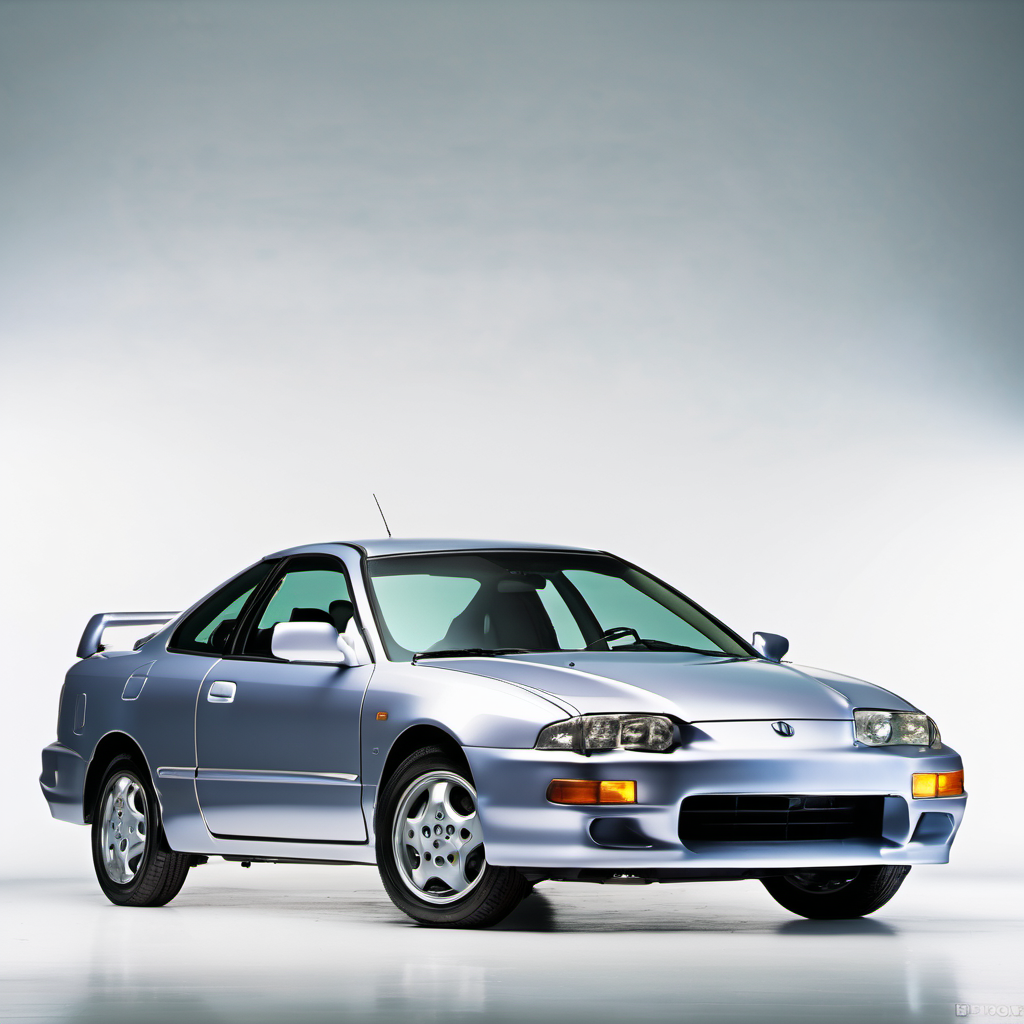
Same compact Japanese sport-luxury segment, similar DOHC 4-cylinder character, better parts availability, and a larger enthusiast community
European compact luxury sedan in the same price range used; rear-wheel drive and a more driver-focused chassis, though maintenance costs are higher
No catalog match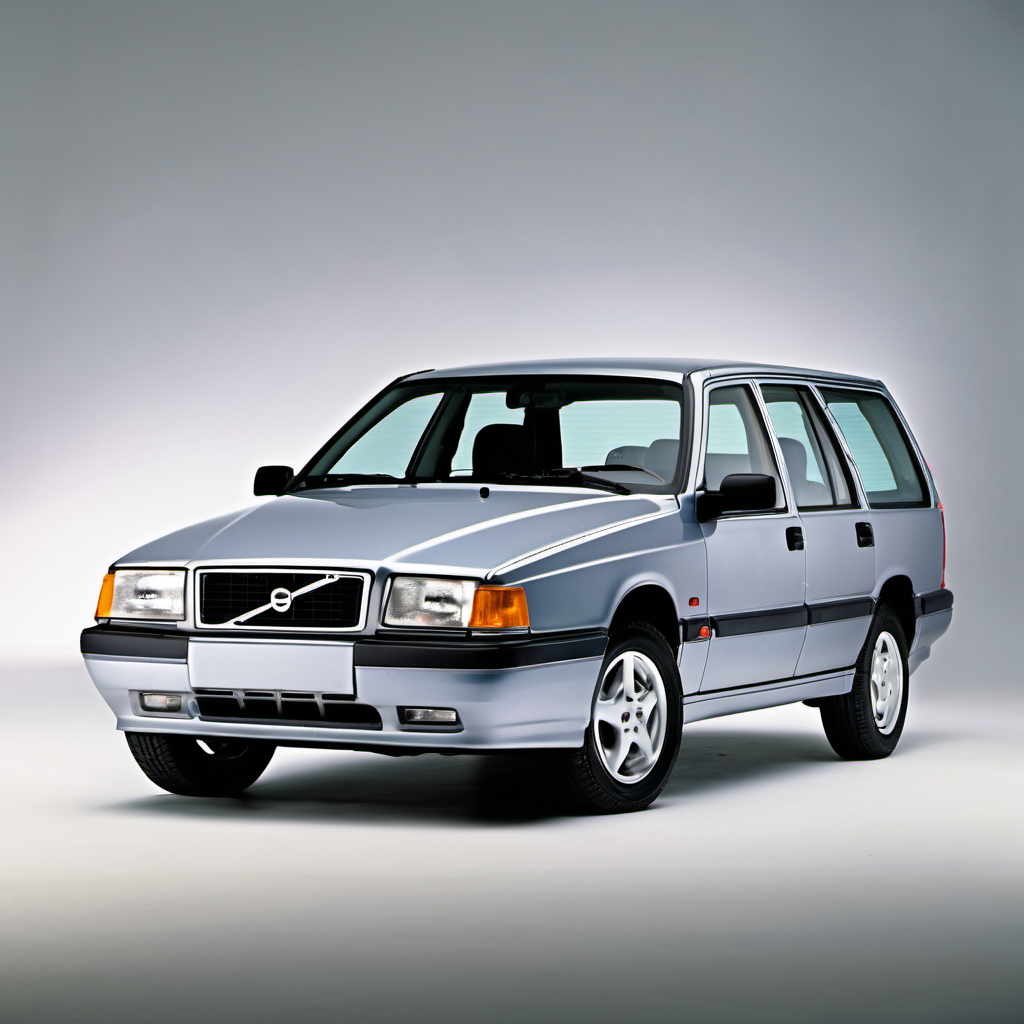
European-flavored compact luxury with similar seating and mission; known for longevity and has better parts support than the G20 at this age
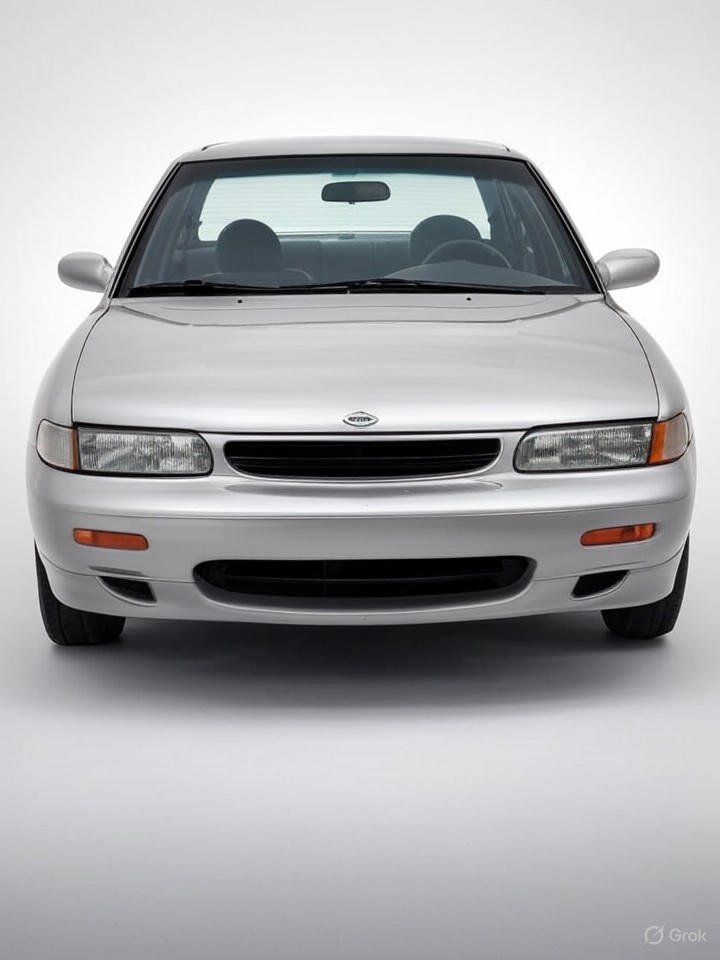
Shares the SR20DE engine and much of the same platform DNA; cheaper to buy and maintain with identical powertrain parts, though less luxuriously appointed