Timing belt failure
high- Typically appears
- 60–100k mi (or 5+ years if neglected)
- Estimated repair
- $250 – $500
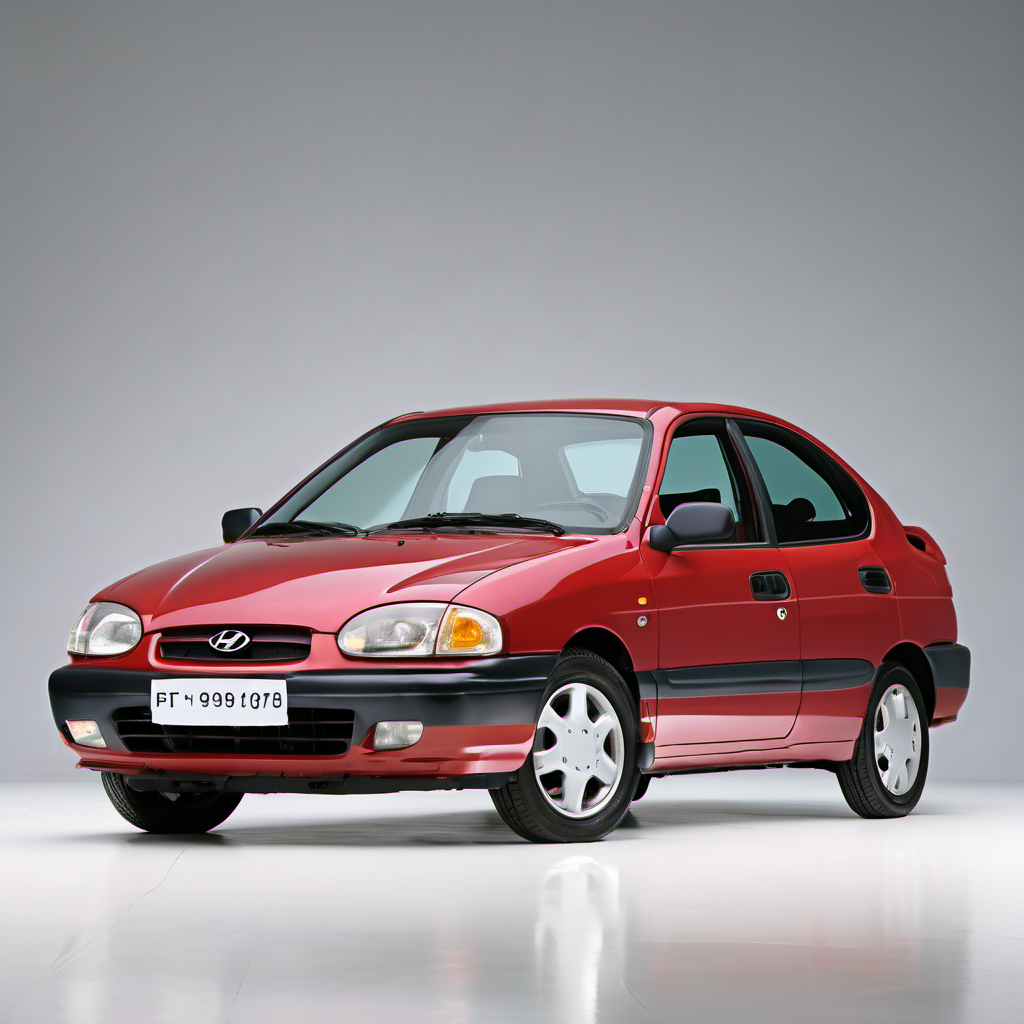
1996 Hyundai
Hatchback
The 1996 Hyundai Accent Hatchback is a first-generation subcompact (X3 platform) that replaced the aging Excel. It was Hyundai's entry-level offering and brought a cleaner body, a more modern 1.5L engine, and noticeably better build quality than its predecessor — though it still benchmarked well below Japanese rivals of the era. At roughly $8,000 new, it appealed squarely to budget-conscious buyers who needed basic, fuel-efficient transportation. At nearly 30 years old, surviving examples are almost exclusively high-mileage daily drivers or project cars. The 1.5L SOHC engine is simple and parts are still available, but rust — particularly in upper-Midwest markets like Wisconsin — is the single biggest threat to longevity. Floors, rear wheel arches, and subframe mounting points are the first casualties of road salt. This is not a vehicle to buy expecting modern refinement or safety. Airbags were a late addition to this generation, ABS was not standard, and crash ratings were modest. That said, an honest, rust-free example with a documented service history can still serve as reliable basic transportation if expectations are realistic.
The 1996 Hyundai Accent Hatchback is a first-generation subcompact (X3 platform) that replaced the aging Excel. It was Hyundai's entry-level offering and brought a cleaner body, a more modern 1.5L engine, and noticeably better build quality than its predecessor — though it still benchmarked well below Japanese rivals of the era. At roughly $8,000 new, it appealed squarely to budget-conscious buyers who needed basic, fuel-efficient transportation. At nearly 30 years old, surviving examples are almost exclusively high-mileage daily drivers or project cars. The 1.5L SOHC engine is simple and parts are still available, but rust — particularly in upper-Midwest markets like Wisconsin — is the single biggest threat to longevity. Floors, rear wheel arches, and subframe mounting points are the first casualties of road salt. This is not a vehicle to buy expecting modern refinement or safety. Airbags were a late addition to this generation, ABS was not standard, and crash ratings were modest. That said, an honest, rust-free example with a documented service history can still serve as reliable basic transportation if expectations are realistic.
The 1.5L is an interference engine. A snapped belt destroys the valvetrain. At the age of most surviving '96 Accents, replace it regardless of mileage if history is unknown.
Older engine tolerances and seals benefit from more frequent changes. Use conventional oil unless the engine is consuming or leaking, in which case a higher-mileage formula can help.
Old coolant turns acidic and attacks the aluminum components and plastic housing. Critical in Wisconsin where freeze protection must hold to at least -34°F.
Cracked boots let grease escape and allow grit in. Catching a torn boot early is a $50–80 repair; ignoring it becomes a $200–400 axle shaft replacement.
Hygroscopic brake fluid in an aging system absorbs moisture and raises the risk of corrosion in calipers and wheel cylinders — a real concern after Wisconsin winters.
The distributor-based ignition on this engine is sensitive to wire and plug condition. Worn plugs cause rough cold starts — a daily annoyance in sub-zero Lake Geneva winters.
At this vehicle's age, annual inspection of floor pans, rocker seams, and subframe mounting points is essential. Catching rust early allows inexpensive treatment; missing it leads to structural failure.
A clogged air filter on this small engine noticeably hurts power and fuel economy, both of which matter on a car with only 92 hp.
Always defer to the manufacturer's service manual for warranty-mandated intervals.
On paper this is one of the cheapest cars to own. Parts are inexpensive and the engine is simple. The real cost wildcard is rust repair — one bad winter's worth of ignored underbody rot can total the vehicle's market value. Budget for an annual underbody inspection and keep a contingency fund for suspension and cooling system work.
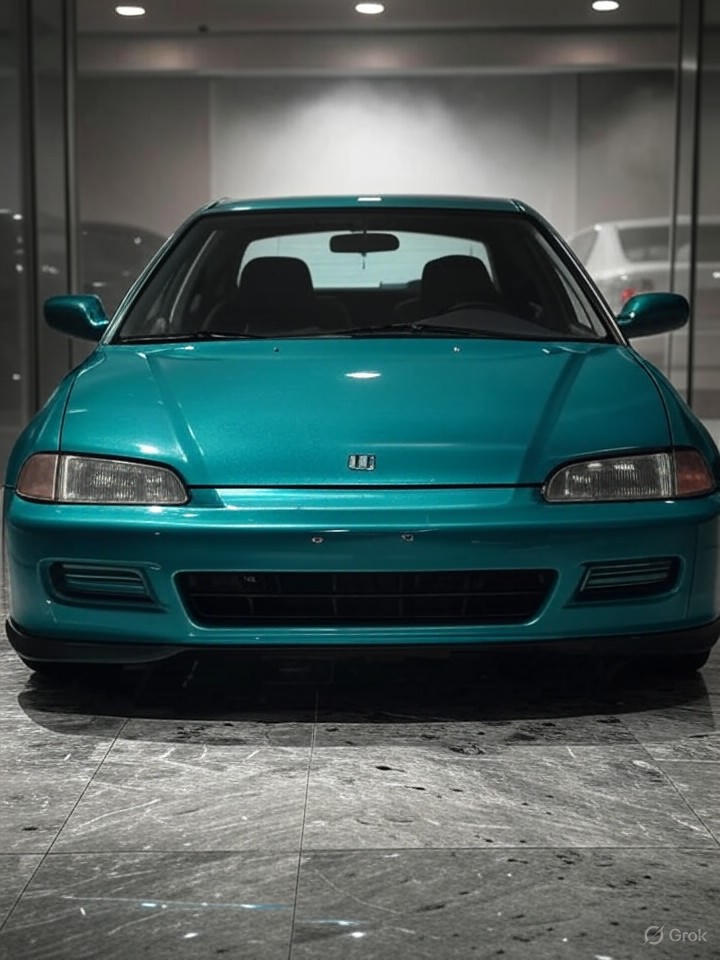
Same subcompact class, same era, FWD hatchback option available. The Civic is more reliable and holds value better, but commands a higher price for a comparable example.
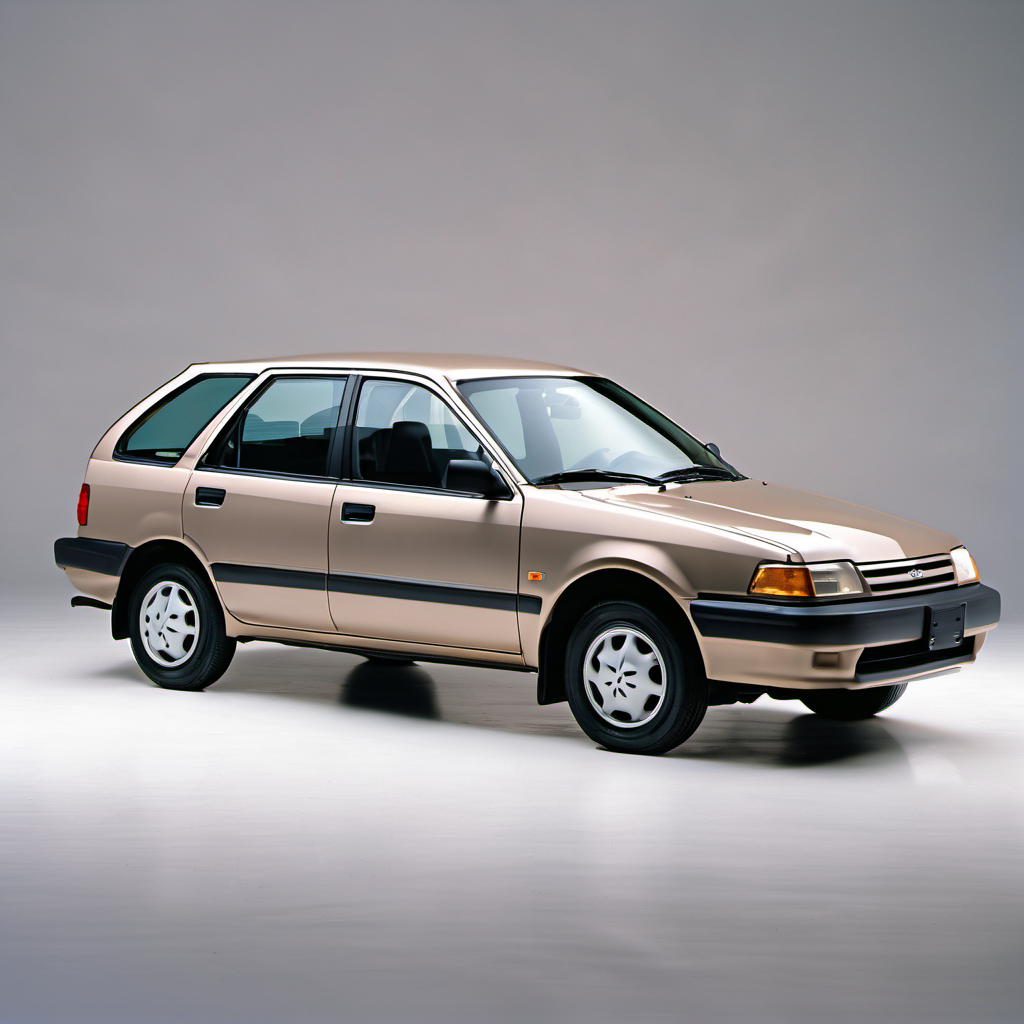
Direct competitor at a similar price point. The Tercel shares the Accent's budget-car mission with a comparable engine size, and Toyota's reliability reputation gives it an edge on aging examples.
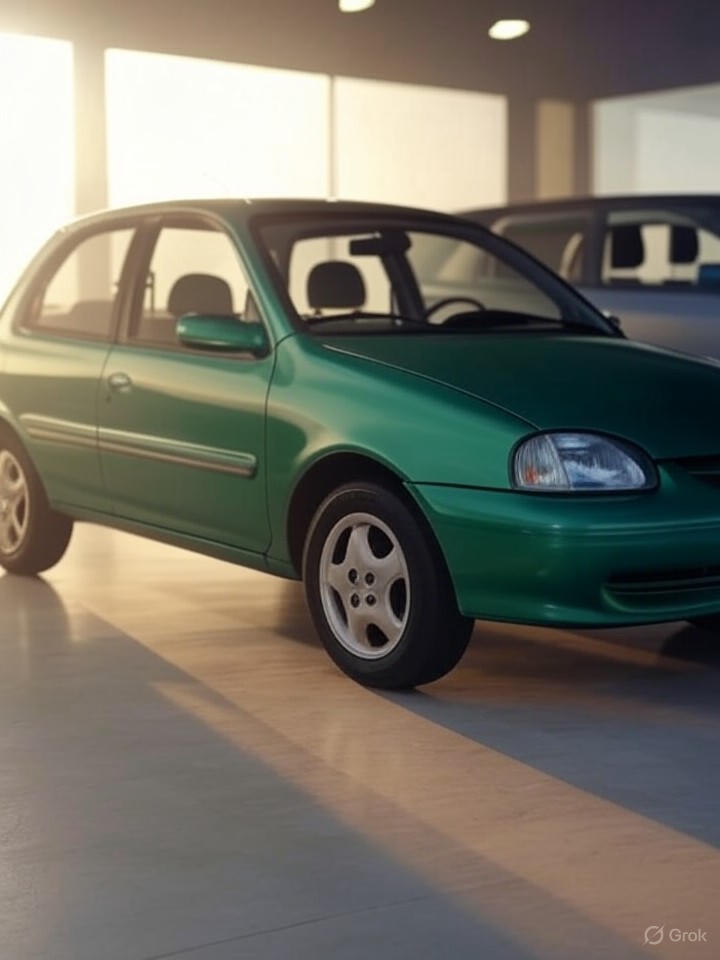
Even smaller and cheaper, but a legitimate alternative for pure economy. Better fuel economy than the Accent; fewer creature comforts and even lighter build quality.
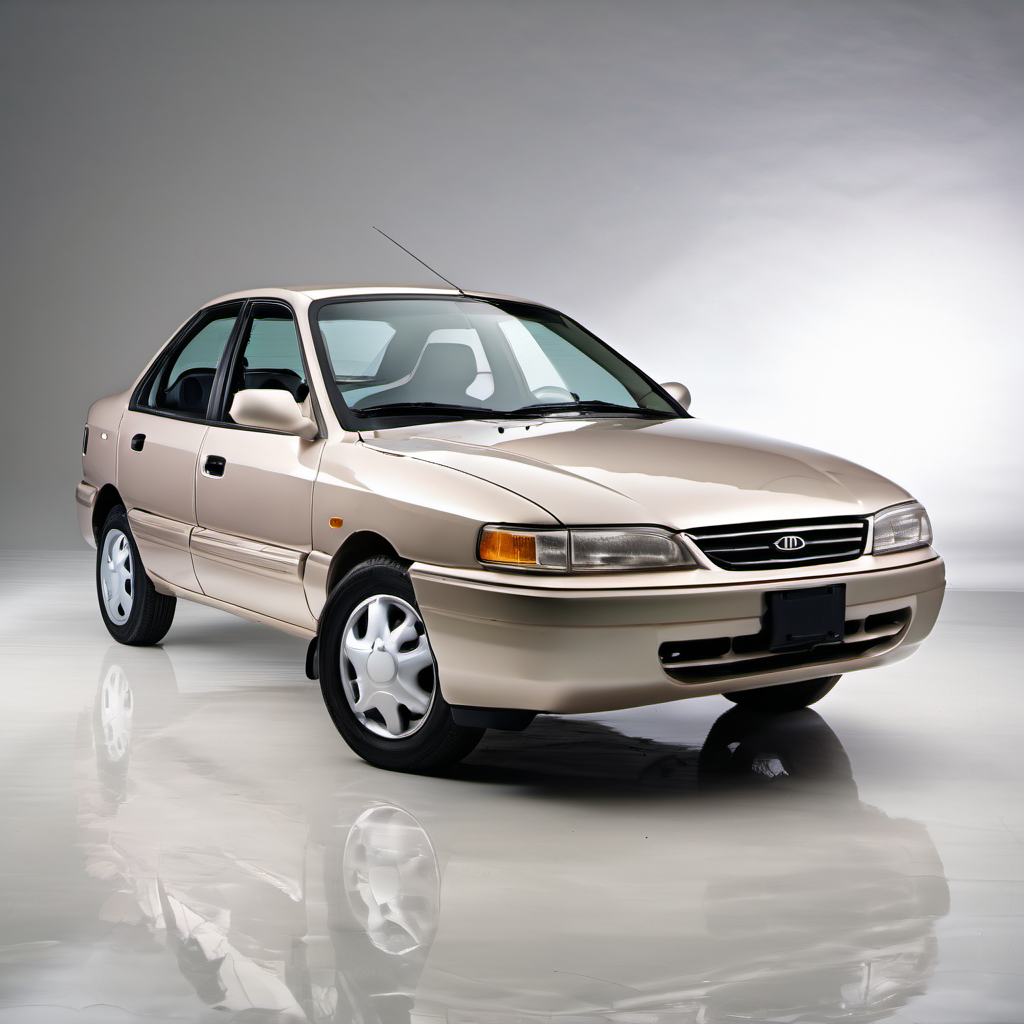
Sister brand to Hyundai at the time, similar build quality and price tier. Shares many of the Accent's strengths and weaknesses including rust vulnerability in the upper Midwest.