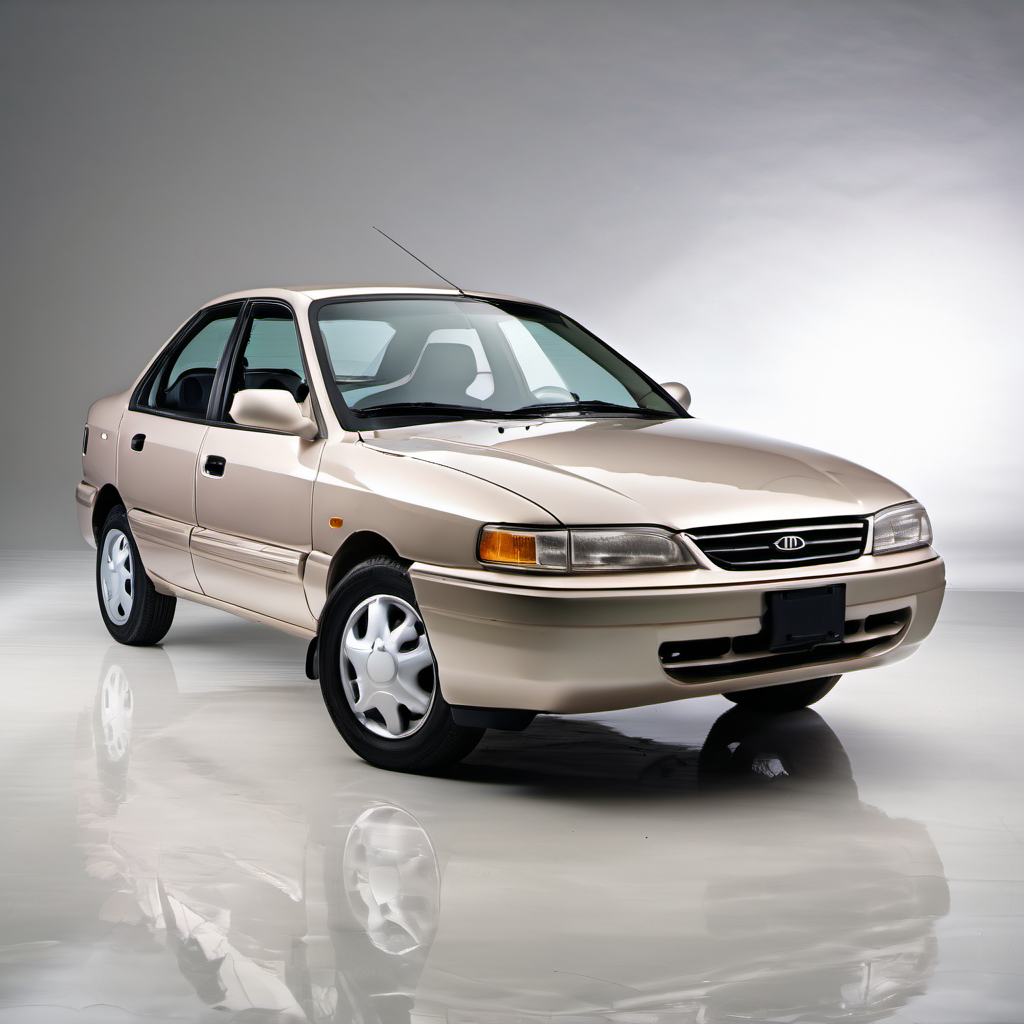
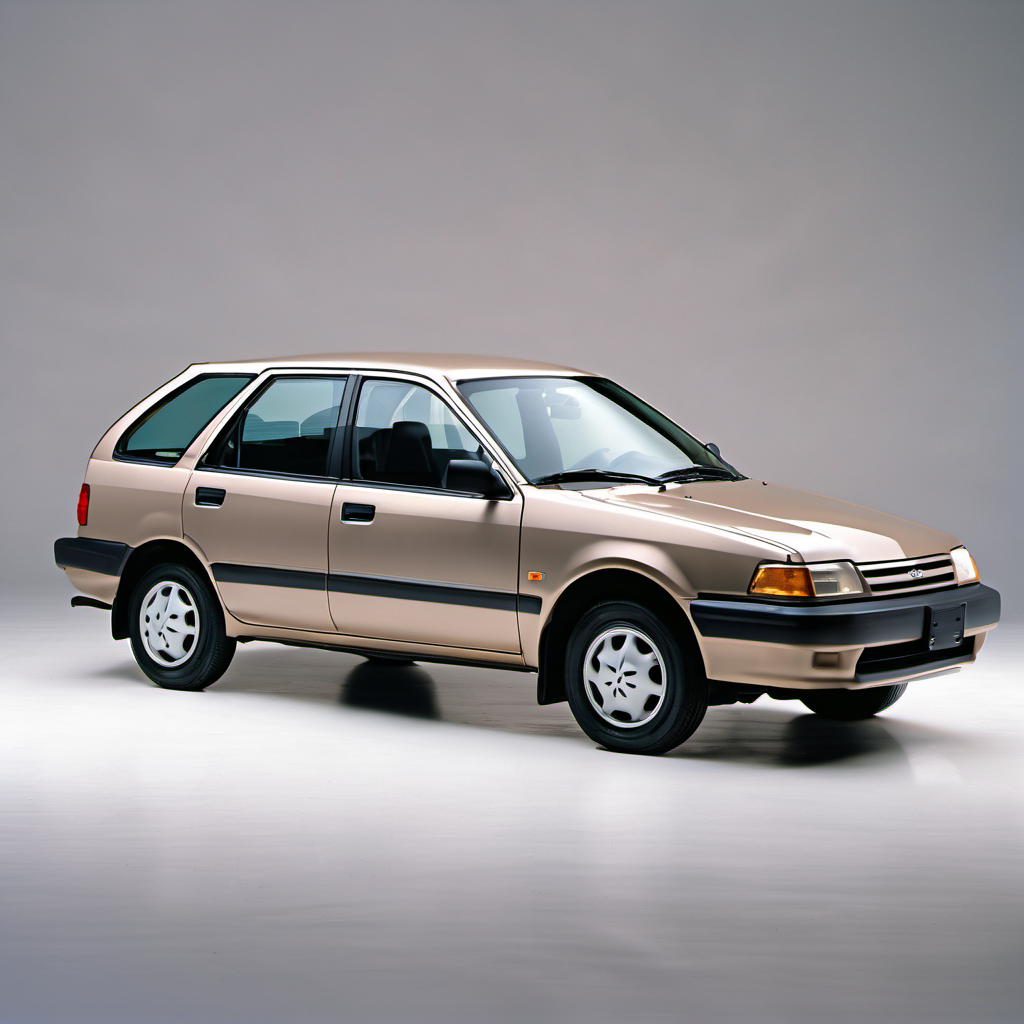
1996 Kia Sephia Sedan

1996 Kia

SephiaSedan

Sedan

The 1996 Kia Sephia is a compact front-wheel-drive sedan that represented Kia's entry into the U.S. market as a budget-first alternative to the Toyota Corolla and Honda Civic. Built on a Mazda 323 platform under a joint development agreement, the first-generation Sephia (1992–1997) carries Mazda underpinnings beneath its Korean-assembled body, which is both a blessing (decent parts availability for mechanicals) and a complication (mixed Kia/Mazda part numbers). At nearly 30 years old, surviving Sephias are rare and typically fall into two camps: a neglected daily driver limping along, or a surprisingly solid survivor that was maintained religiously. The 1.6L four-cylinder is straightforward to work on and parts are still findable, but these cars were not built to outlast the decade — rust, aging rubber, and worn-out interiors are the norm rather than the exception by now. For Lake Geneva-area buyers, be brutally honest with yourself: this is a nostalgia or budget purchase. Wisconsin road salt has had 30 years to work on the floorpans, frame rails, and brake lines. Any purchase must start with a full undercarriage inspection before anything else.

Reliability
2/5
Verified data
Specs shown for Sephia — the most common configuration. Other trims may vary in engine, drivetrain, or fuel economy. Sign in to see your vehicle's exact specs.
Engine
[object Object]
Drivetrain
FWD
Fuel
Gasoline
MPG
21 city / 28 hwy / 24 combined
Seats
Doors
Body
Compact Cars

Overview

AI-curated

The 1996 Kia Sephia is a compact front-wheel-drive sedan that represented Kia's entry into the U.S. market as a budget-first alternative to the Toyota Corolla and Honda Civic. Built on a Mazda 323 platform under a joint development agreement, the first-generation Sephia (1992–1997) carries Mazda underpinnings beneath its Korean-assembled body, which is both a blessing (decent parts availability for mechanicals) and a complication (mixed Kia/Mazda part numbers). At nearly 30 years old, surviving Sephias are rare and typically fall into two camps: a neglected daily driver limping along, or a surprisingly solid survivor that was maintained religiously. The 1.6L four-cylinder is straightforward to work on and parts are still findable, but these cars were not built to outlast the decade — rust, aging rubber, and worn-out interiors are the norm rather than the exception by now. For Lake Geneva-area buyers, be brutally honest with yourself: this is a nostalgia or budget purchase. Wisconsin road salt has had 30 years to work on the floorpans, frame rails, and brake lines. Any purchase must start with a full undercarriage inspection before anything else.

Known for
  • Low original purchase price and simple mechanicals
  • Mazda 323-derived platform with reasonable parts crossover
  • Adequate fuel economy for a late-1990s compact
  • Thin rust protection from the factory
Best for
  • Extreme-budget local commuting with realistic expectations
  • Mechanically inclined owners comfortable doing their own work
  • Short-term transportation while saving for something newer
Watch for
  • Severe undercarriage rust — a 30-year Wisconsin car is high risk
  • Aging rubber: coolant hoses, CV boots, and brake lines crack without warning
  • Electrical gremlins from degraded wiring harness insulation
  • Parts scarcity for body and interior trim; mechanical parts are easier

Common issues by mileage

6 known

Coolant hose and radiator failures

high
Typically appears
80–150k mi (or age-related on any mileage car)
Estimated repair
$150 – $550

CV axle and boot deterioration

high
Typically appears
70–130k mi
Estimated repair
$180 – $400

Brake line and caliper corrosion (rust-belt critical)

high
Typically appears
All mileages — age/salt driven
Estimated repair
$300 – $900

Distributor and ignition system wear

medium
Typically appears
90–150k mi
Estimated repair
$150 – $450

Oxygen sensor failure causing rough running and poor economy

medium
Typically appears
80–130k mi
Estimated repair
$100 – $280

Suspension bushing and strut wear

high
Typically appears
80k+ mi (or age on low-mileage cars)
Estimated repair
$250 – $700

Maintenance schedule

  1. 1
    Before purchase and every spring Full undercarriage rust inspection

    30 years of Wisconsin road salt. Check brake lines, floorpan, frame rails, and subframe mounting points. Rotted brake lines are a safety emergency.

  2. 2
    If not done in last 5 years — do it now regardless of appearance Replace all coolant hoses and thermostat

    Original or aged hoses on a car this old will fail without warning. Overheating can destroy the head gasket, which costs far more than a hose set.

  3. 3
    Every 60,000 mi or 5 years Timing belt replacement

    The 1.6L is an interference engine. A snapped timing belt causes major internal engine damage. If the history is unknown, replace it immediately.

  4. 4
    Every oil change CV axle boot inspection

    Cracked boots allow grease to escape and grit to enter; a torn boot that goes unaddressed will destroy the CV joint within a few thousand miles.

  5. 5
    Every 2 years Brake fluid flush

    Brake fluid absorbs moisture over time, lowering boiling point and accelerating internal corrosion in calipers and the master cylinder.

  6. 6
    Every 30,000 mi Spark plugs and ignition wires

    Aged plug wires cause misfires and hard starts in cold Wisconsin weather. This is cheap insurance on a car this old.

  7. 7
    Every 3–4 years; test every fall Battery test and replacement

    Cold-cranking demand in sub-zero Lake Geneva winters will expose any weak battery. A borderline battery that starts fine in September will fail in January.

  8. 8
    Every fall; top off washer fluid monthly in winter Wiper blade and washer fluid check

    Use -20°F-rated washer fluid in Wisconsin winters. Standard fluid freezes on the windshield and can crack the reservoir and lines.

Always defer to the manufacturer's service manual for warranty-mandated intervals.

Cost of ownership

Annual maintenance
$600 – $2,000
Fuel
Inexpensive to fuel — EPA 24 combined MPG on regular unleaded. At typical driving, expect $900–$1,400/year depending on gas prices and mileage.
Insurance
Among the cheapest vehicles to insure due to low value. Liability-only coverage is the norm on cars this age; expect $400–$800/year depending on driver profile.

The low purchase price is the main appeal, but a 30-year-old Sephia can easily cost more to maintain in a single year than the car is worth. Budget for brake work, cooling system parts, and whatever deferred maintenance the previous owner left behind. Routine years can be done cheaply; any one surprise (timing belt neglect, brake line rust, head gasket) can exceed the vehicle's market value.
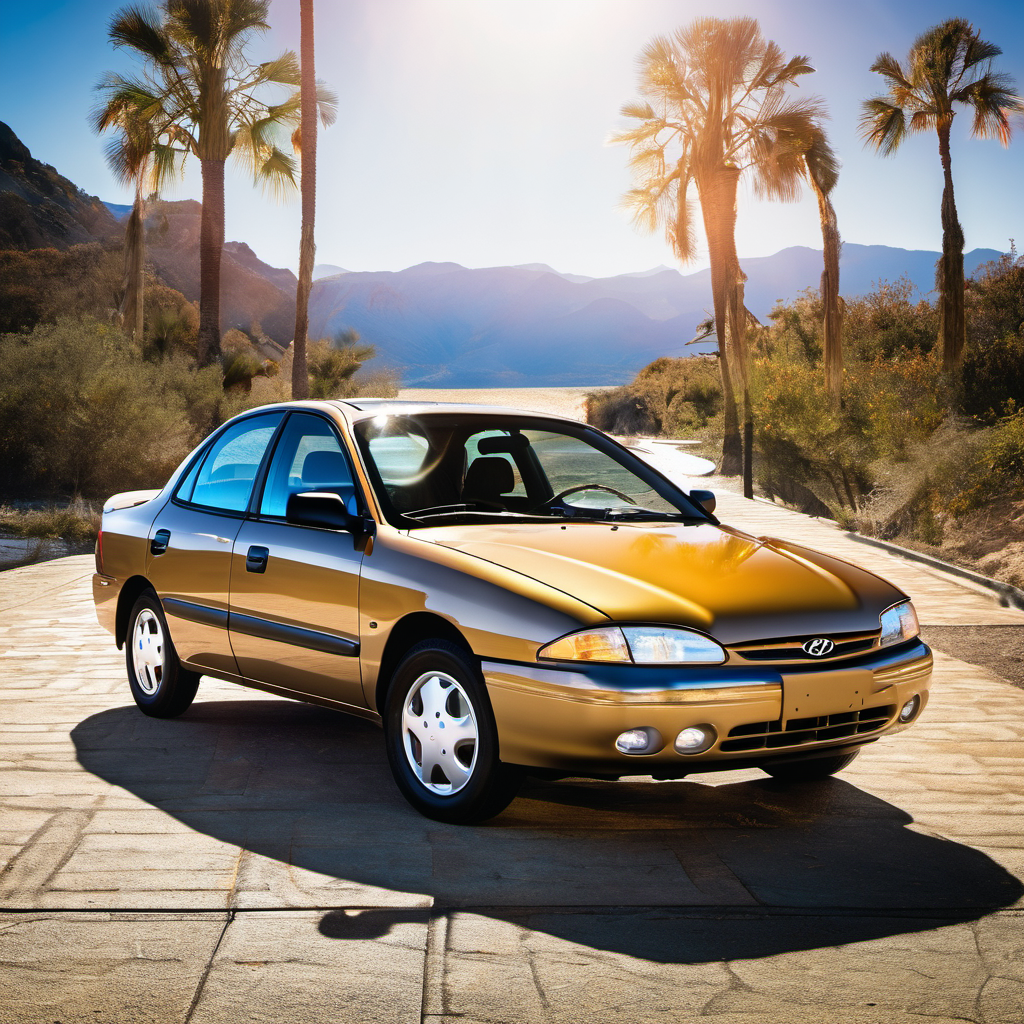
Seasonal care

Lake Geneva, WI
Winter
  • Test battery cold-cranking amps every October — a battery below spec will not start in sub-zero temperatures
  • Switch to -20°F or lower rated windshield washer fluid before first freeze; the reservoir and lines can crack with standard fluid
  • Inspect brake lines top-to-bottom for rust pitting before winter — salt will accelerate any existing damage aggressively
  • Apply dielectric grease to ignition wire boots and distributor cap to prevent moisture-related misfires during cold starts
  • Check antifreeze concentration; aim for protection to at least -34°F for Lake Geneva winters
  • Rinse the undercarriage at a touchless car wash every 2–3 weeks during salting season to slow corrosion
Summer
  • Inspect coolant hoses for swelling, cracking, or soft spots — heat soak accelerates rubber degradation on this age of vehicle
  • Check tire pressure monthly; pressure drops roughly 1 PSI for every 10°F of temperature change and affects handling and wear
  • Verify the A/C system holds a charge — refrigerant leaks are common on vehicles this age; recharging is affordable but leaks should be found and fixed, not just topped off
  • Check the radiator cap seal and pressure rating; a faulty cap causes coolant loss and overheating in hot-weather stop-and-go traffic

Comparable vehicles

If you're shopping for one

Red flags
  • Any rust penetrating through the floorpan or visible perforation on brake lines — walk away
  • Unknown or missing timing belt service history on an interference engine this old
  • Oil in the coolant reservoir (milky residue) or coolant in the oil (gray foam on dipstick) — head gasket failure
  • Musty or moldy interior odor indicating water intrusion through rusted floorpans or failed door seals
  • Any check engine light the seller cannot explain with a documented repair — electrical gremlins on a 30-year-old Kia can be a rabbit hole
What to inspect
  • Crawl under the car and probe the brake lines, floor pans, and subframe mounts with a screwdriver — rust perforation disqualifies the car immediately
  • Pull the timing belt cover if possible or verify belt replacement history in writing; interference engine damage is catastrophic
  • Start cold and listen for ticking, rough idle, or hesitation — ignition and fuel system wear shows up most clearly from a cold start
  • Squeeze every coolant hose; any hardness, cracking, or softness means replacement is overdue
  • Check CV axle boots for grease splatter on the inside of the wheel wells — torn boots mean the joint is already contaminated
AI profile generated 4 days ago · claude-sonnet-4-6 · v2.