Spider Injector / CSFI Fuel Injector Failure (4.3L V6)
high- Typically appears
- 80–150k mi
- Estimated repair
- $300 – $650
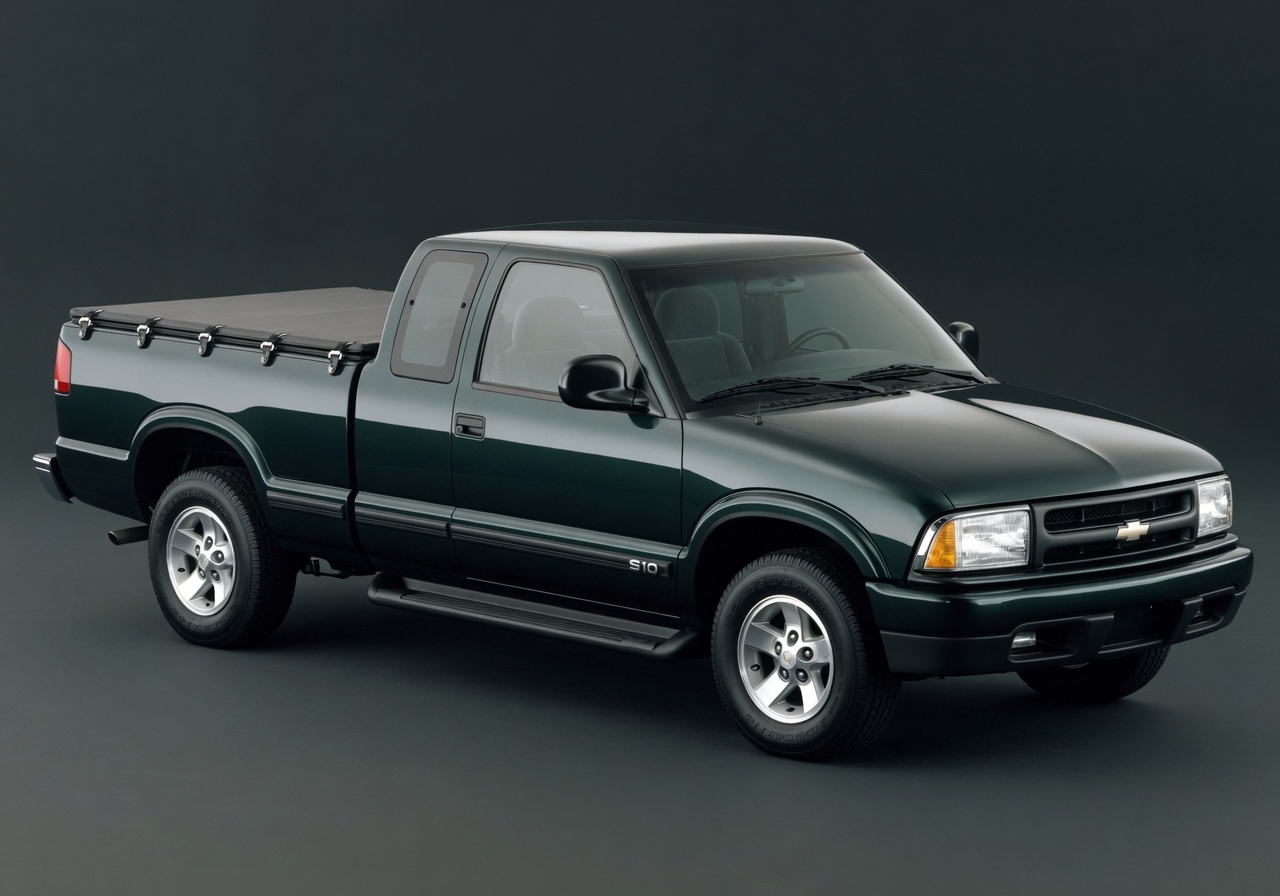
1996 Chevrolet
4.3L V6 Vortec · Pickup
The 1996 Chevrolet S10 Extended Cab is a compact pickup from GM's second-generation S-series platform, which ran from 1994 through 2004. By 1996 the truck had matured into a proven, no-frills workhorse — light enough for good fuel economy, tough enough for modest hauling and towing. The extended cab adds a small rear jump-seat area with side-facing fold-down seats, making it more practical for families or tradespeople who need occasional passenger room without stepping up to a full-size truck. Under the hood, most '96 S10s came with either the 2.2L four-cylinder or the 4.3L V6 (Vortec). The 4.3L is the engine to have — it's a proven, long-lived unit derived from the small-block V8 and is widely regarded as one of GM's most dependable engines of the era. The 2.2L four is adequate around town but feels strained when the truck is loaded or asked to tow anything meaningful. At nearly 30 years old, any surviving S10 should be evaluated first and foremost for rust — Wisconsin road salt is brutal on these uni-body-framed compacts. A solid, rust-free example can still serve as an honest daily driver or light-duty hauler at very low operating cost.
The 1996 Chevrolet S10 Extended Cab is a compact pickup from GM's second-generation S-series platform, which ran from 1994 through 2004. By 1996 the truck had matured into a proven, no-frills workhorse — light enough for good fuel economy, tough enough for modest hauling and towing. The extended cab adds a small rear jump-seat area with side-facing fold-down seats, making it more practical for families or tradespeople who need occasional passenger room without stepping up to a full-size truck. Under the hood, most '96 S10s came with either the 2.2L four-cylinder or the 4.3L V6 (Vortec). The 4.3L is the engine to have — it's a proven, long-lived unit derived from the small-block V8 and is widely regarded as one of GM's most dependable engines of the era. The 2.2L four is adequate around town but feels strained when the truck is loaded or asked to tow anything meaningful. At nearly 30 years old, any surviving S10 should be evaluated first and foremost for rust — Wisconsin road salt is brutal on these uni-body-framed compacts. A solid, rust-free example can still serve as an honest daily driver or light-duty hauler at very low operating cost.
Older CSFI injectors are sensitive to oil quality; clean oil also protects the high-mileage valve train.
The in-line fuel filter protects the spider injector assembly. A clogged filter strains the fuel pump and accelerates its wear.
Degraded coolant causes electrolysis that eats intake manifold gaskets — a known 4.3L issue — and corrodes the aluminum intake plenum.
Idler arms and tie rods wear quickly on these trucks; catching play early avoids a dangerous steering failure and an alignment bill.
Steel brake and fuel lines on salt-belt trucks rot from the outside in. Pinhole leaks in brake lines are a safety emergency.
Structural rust on the S10's ladder frame can progress silently. Address surface rust with converter and undercoating before it becomes structural.
Worn plugs and cracked plug wires cause misfires that are commonly misdiagnosed as injector or fuel pump problems on the 4.3L.
The 4L60-E is durable but heat-sensitive. Fresh fluid dramatically extends its life, especially if the truck is used for towing.
Always defer to the manufacturer's service manual for warranty-mandated intervals.
A rust-free, well-maintained S10 is one of the cheapest trucks to own and operate. Parts are cheap and abundant, labor hours are low, and the 4.3L V6 doesn't ask for much beyond basics. The risk is an unforeseen rust repair or a neglect-related failure (fuel pump, injectors, brake lines) that can easily exceed the truck's market value. Budget for a thorough inspection before buying and set aside a small reserve for age-related surprises.

The Ranger was the S10's closest direct competitor — similar size, similar price, similar mission. The 4.0L OHV V6 Ranger is comparably capable; generally slightly better corrosion resistance but still a salt-belt concern at this age.
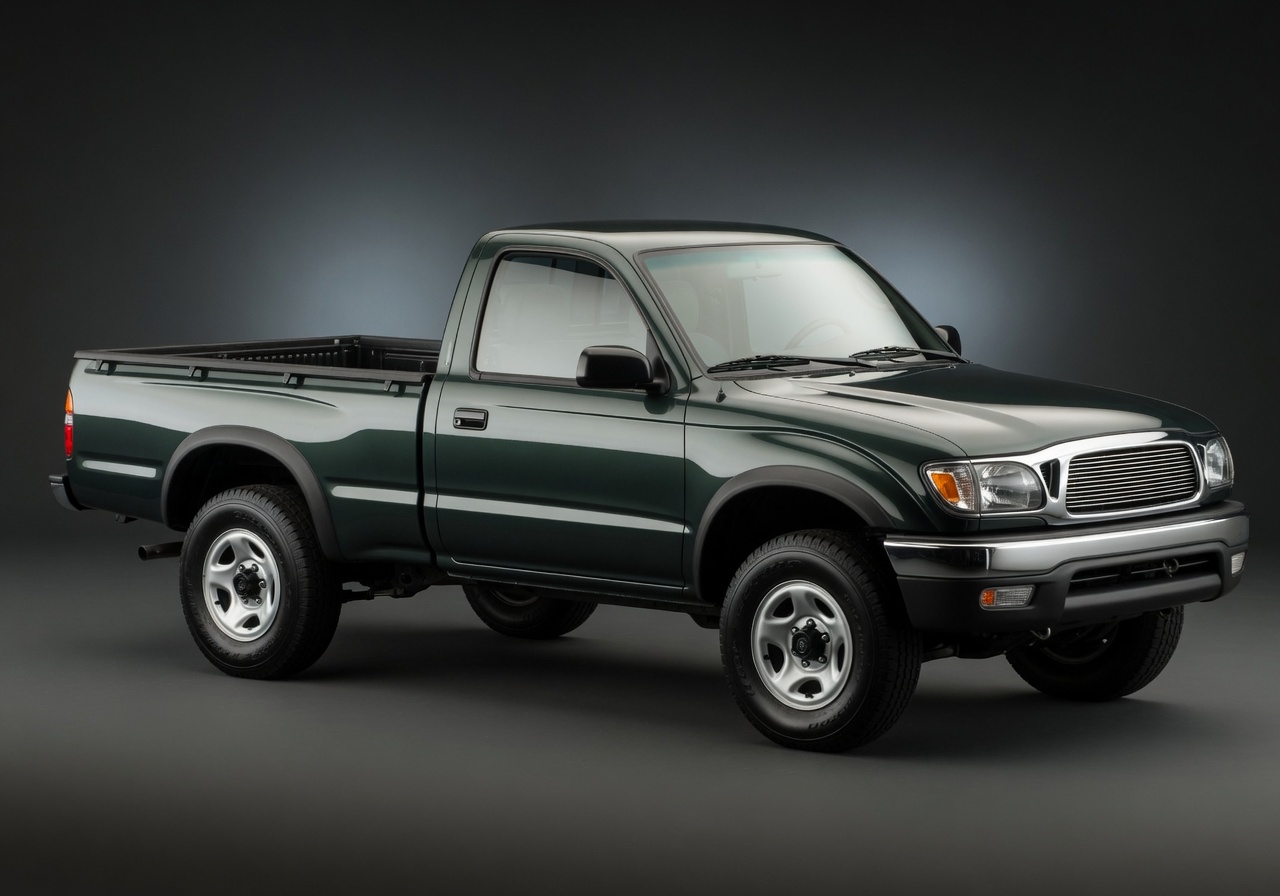
The first-gen Tacoma (1995–2004) is the rust-free holy grail of compact trucks from this era. More expensive to buy used, but the frame and drivetrain durability are a tier above the S10 — worth paying a premium for a solid example.
The D21 Hardbody is simple, reliable, and cheap to maintain — comparable mission to the S10 with a strong reputation for engine longevity. Parts availability is slightly lower than the S10 or Ranger.
No catalog match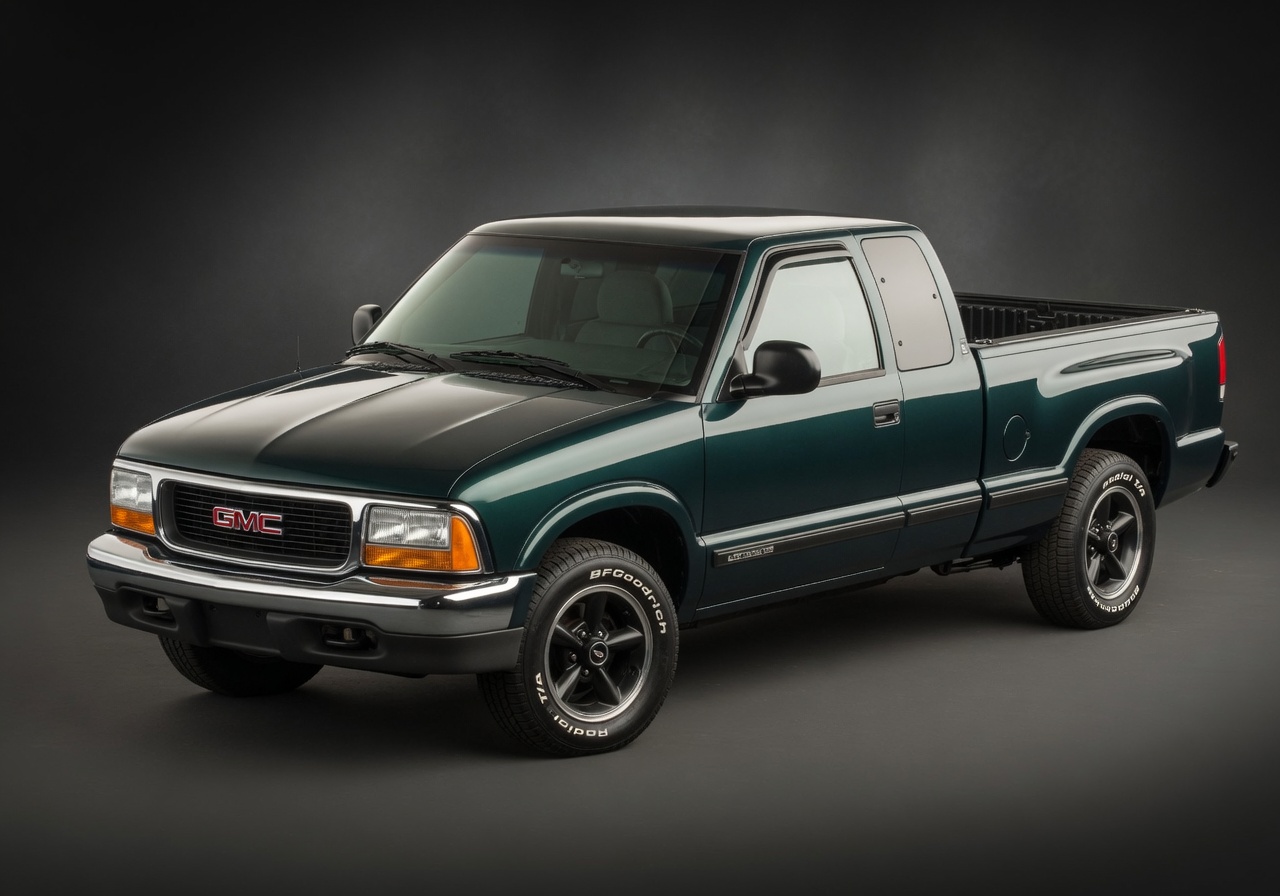
The Sonoma is mechanically identical to the S10 — same engines, same frame, same issues. Shop whichever has better rust condition and documented maintenance; the badge is the only meaningful difference.