Frame and underbody rust
high- Typically appears
- All mileages — age-driven
- Estimated repair
- $500 – $4,000

1996 Ford
4.0L V6 · Pickup
The 1996 Ford Ranger Regular Cab is a compact pickup truck from Ford's third-generation Ranger (1993–1997). At this point in its run, the Ranger had earned a reputation as a dependable, affordable work truck and daily driver — small enough to park anywhere, capable enough for light hauling, and cheap to keep running. It was one of the best-selling compact pickups in America throughout the '90s. The '96 model year offered two engine choices: the 2.3L four-cylinder and the more popular 3.0L or 4.0L V6 options, paired with either a 5-speed manual or 4-speed automatic transmission. 4WD models added genuine off-road utility without the complexity of later electronic systems. The regular cab body kept things simple — two doors, a bench seat, and a short or long bed. At nearly 30 years old, any surviving '96 Ranger is well into vintage territory. These trucks are still valued for their simplicity, easy DIY maintenance, and solid parts availability. The biggest threat to a used example isn't mechanical wear — it's rust, especially on Midwestern trucks that spent decades on salted roads.
The 1996 Ford Ranger Regular Cab is a compact pickup truck from Ford's third-generation Ranger (1993–1997). At this point in its run, the Ranger had earned a reputation as a dependable, affordable work truck and daily driver — small enough to park anywhere, capable enough for light hauling, and cheap to keep running. It was one of the best-selling compact pickups in America throughout the '90s. The '96 model year offered two engine choices: the 2.3L four-cylinder and the more popular 3.0L or 4.0L V6 options, paired with either a 5-speed manual or 4-speed automatic transmission. 4WD models added genuine off-road utility without the complexity of later electronic systems. The regular cab body kept things simple — two doors, a bench seat, and a short or long bed. At nearly 30 years old, any surviving '96 Ranger is well into vintage territory. These trucks are still valued for their simplicity, easy DIY maintenance, and solid parts availability. The biggest threat to a used example isn't mechanical wear — it's rust, especially on Midwestern trucks that spent decades on salted roads.
These older engines have tighter tolerances and don't benefit from extended-drain modern oil specs. Fresh oil keeps sludge out of the lifters and valve train.
30-year-old cooling systems are prone to scale buildup and thermostat sticking. The 2.3L is especially sensitive — neglected coolant is the primary path to a head gasket job.
Older tanks accumulate sediment, and ethanol-blended fuel degrades rubber components. A clogged filter starves the pump and kills it prematurely.
Brake fluid absorbs moisture over time, lowering the boiling point and corroding calipers and wheel cylinders from the inside — a real concern on a 30-year-old truck.
The A4LD automatic used in some Rangers is sensitive to dirty fluid. Many transmission failures trace back to skipped services.
Solid front axle 4WD components wear quickly without lubrication, especially after years of Wisconsin road salt exposure.
Salt is the Ranger's biggest long-term enemy in Lake Geneva. Annual inspection and rust-inhibiting undercoating can extend frame life significantly.
The '96 Ranger uses a conventional distributor ignition system. Worn plugs and a cracked cap cause hard starts and rough idle, especially in cold Wisconsin winters.
Always defer to the manufacturer's service manual for warranty-mandated intervals.
The Ranger is genuinely cheap to own if it's rust-free and well maintained. Parts are inexpensive and widely available. The real wildcard is age-related repair — a single fuel system, brake, or suspension job can equal the truck's market value. Budget for it rather than being surprised.
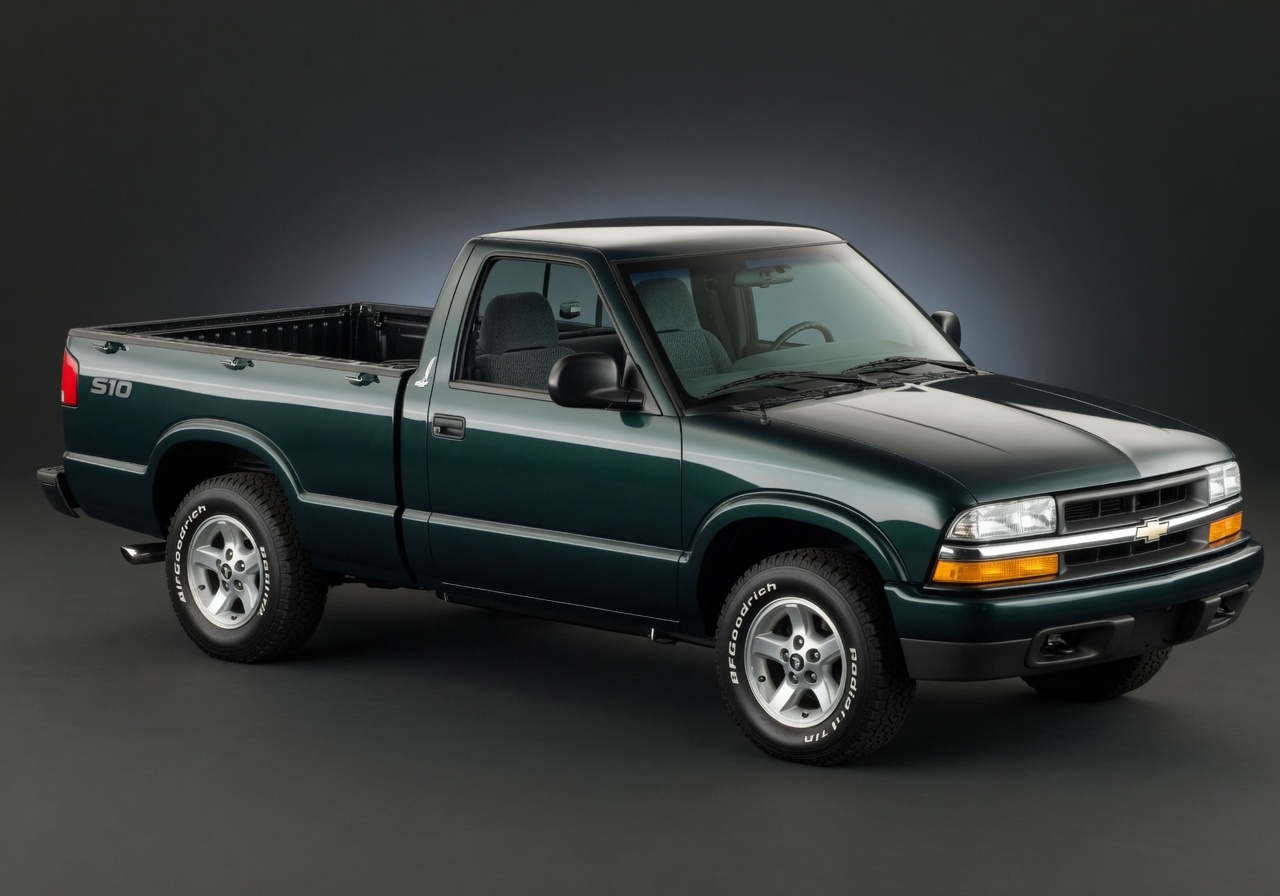
Direct competitor of the same era — similar size, price, and mission. The S-10 4.3L V6 is slightly more powerful but the Ranger generally edges it on parts availability and long-term durability.
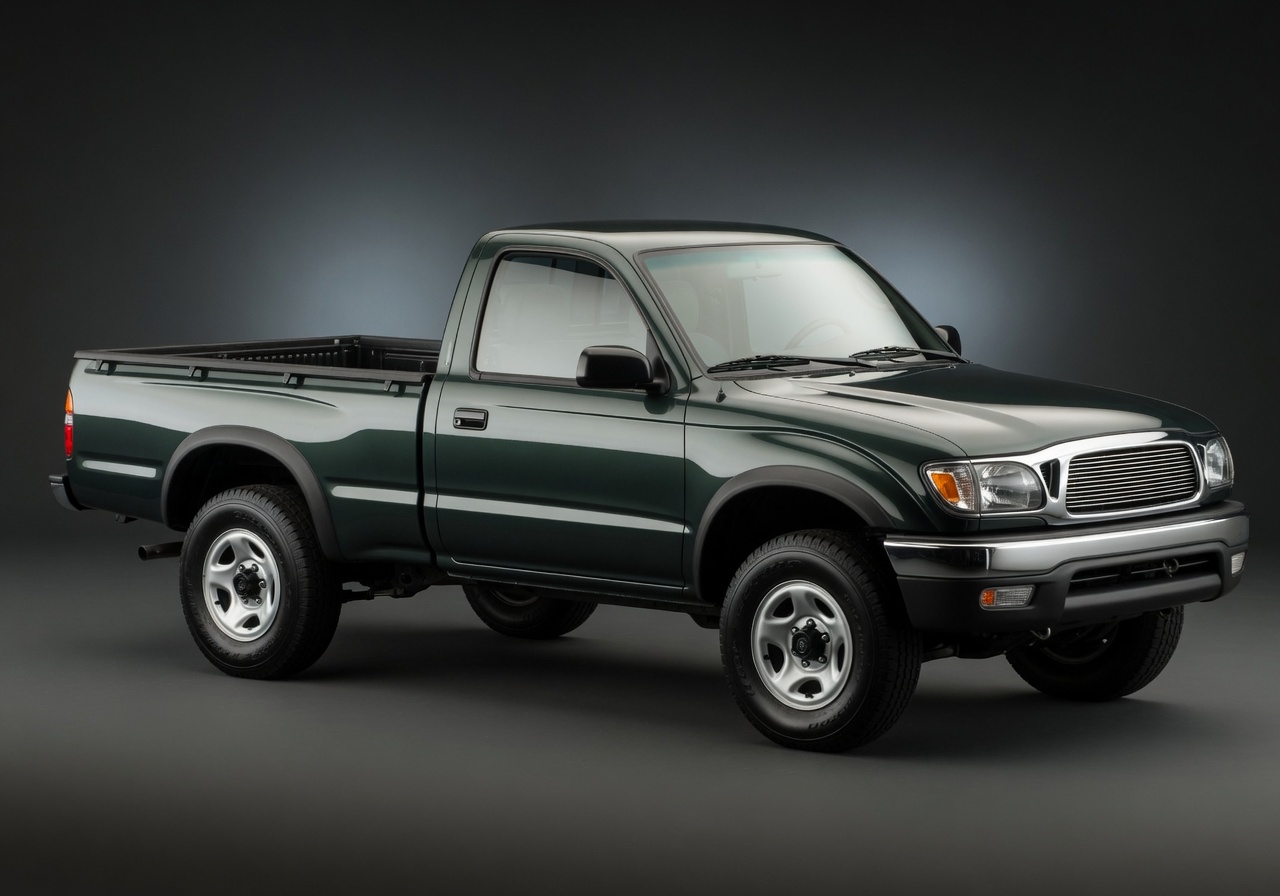
The Tacoma launched in 1995 as Toyota's Ranger rival. Better rust resistance and legendary long-term reliability, but higher purchase prices for comparable survivors and parts can cost more.
The last generation of Nissan's compact truck before the Frontier. Similar small-truck mission and price point, with strong mechanical simplicity but even fewer surviving rust-free examples in the Midwest.
No catalog matchThe Mazda B-Series of this era is literally a badge-engineered Ford Ranger — same frame, same engines, same parts. A clean B-Series is a direct substitute, though Ranger trim parts don't always interchange.