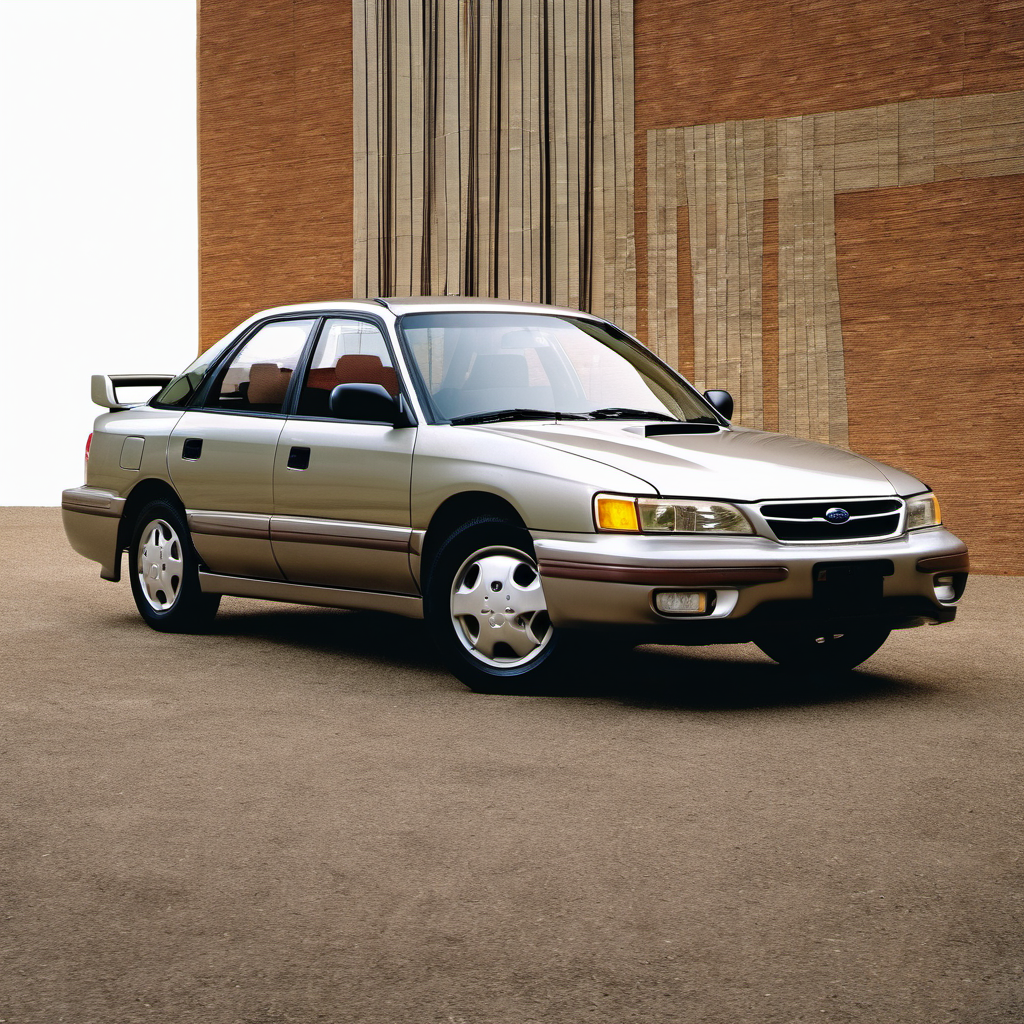
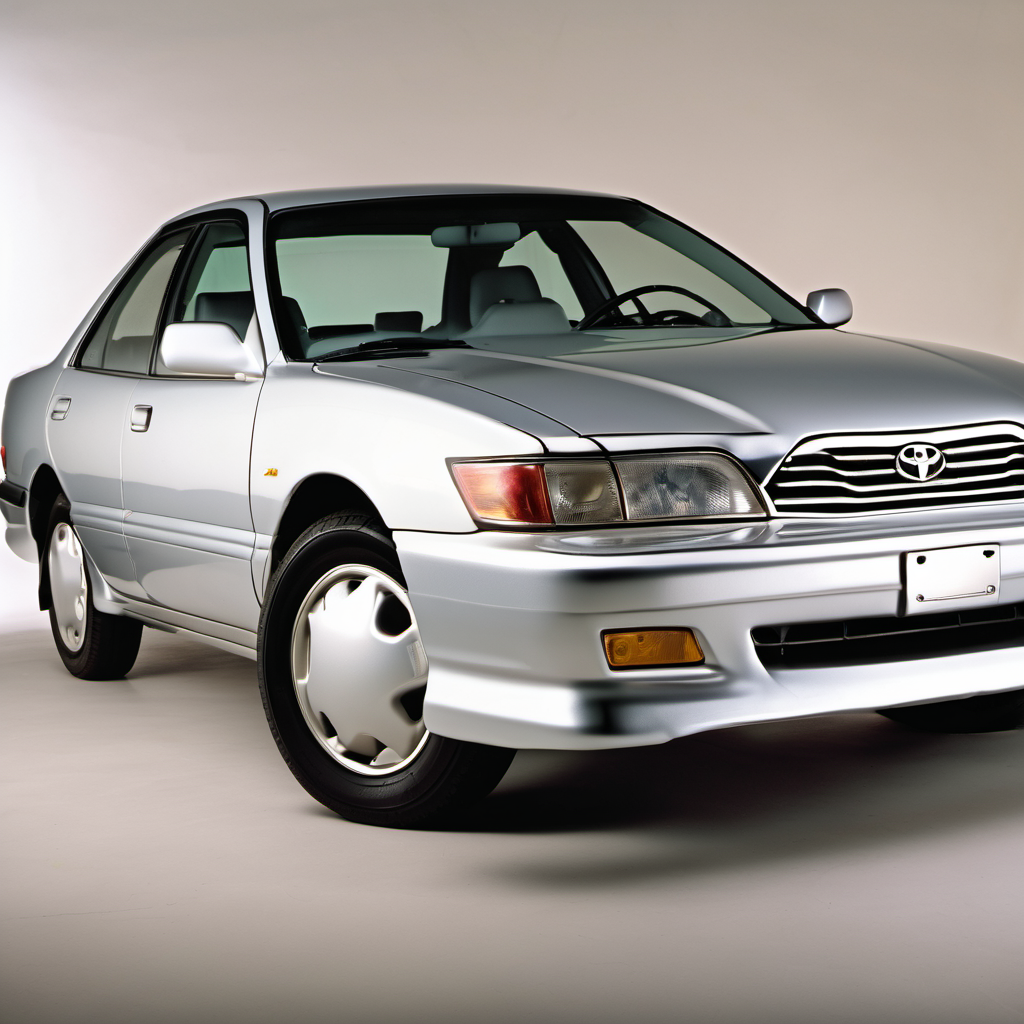
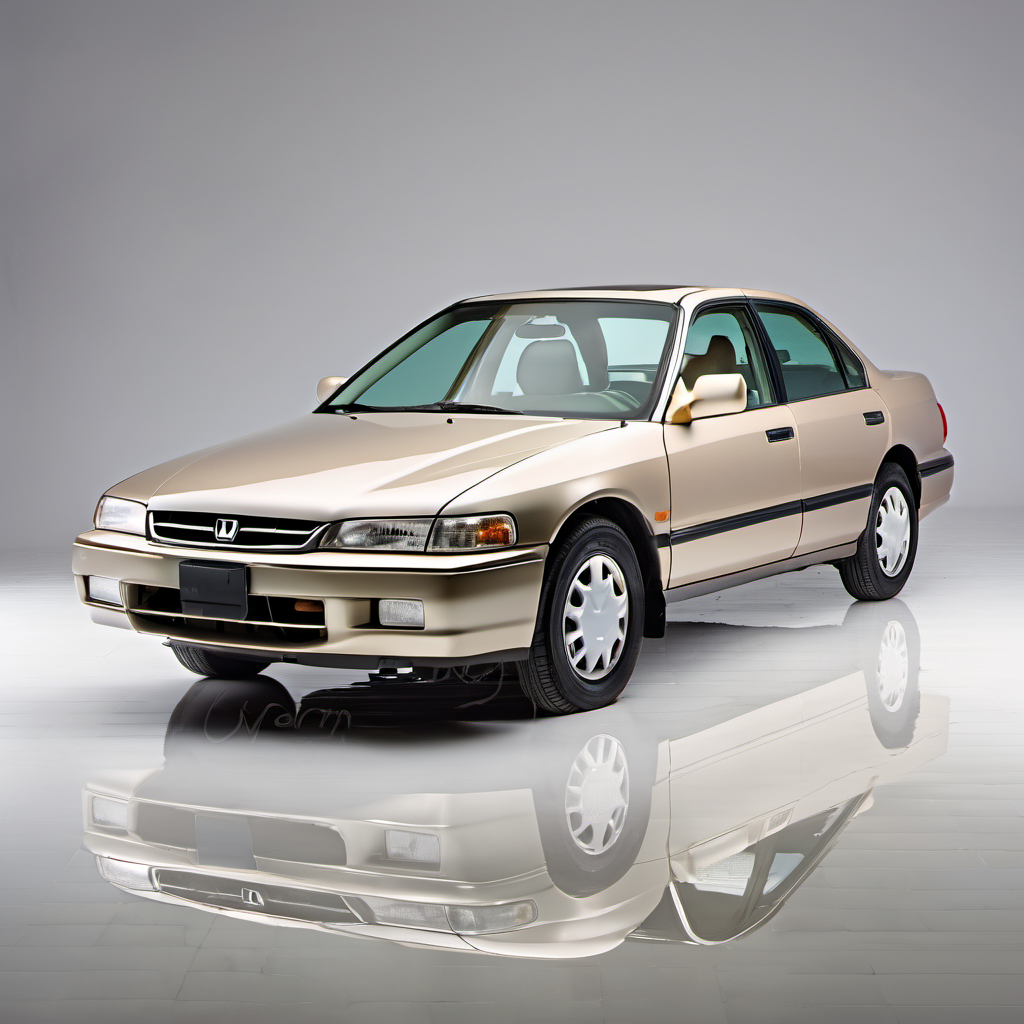
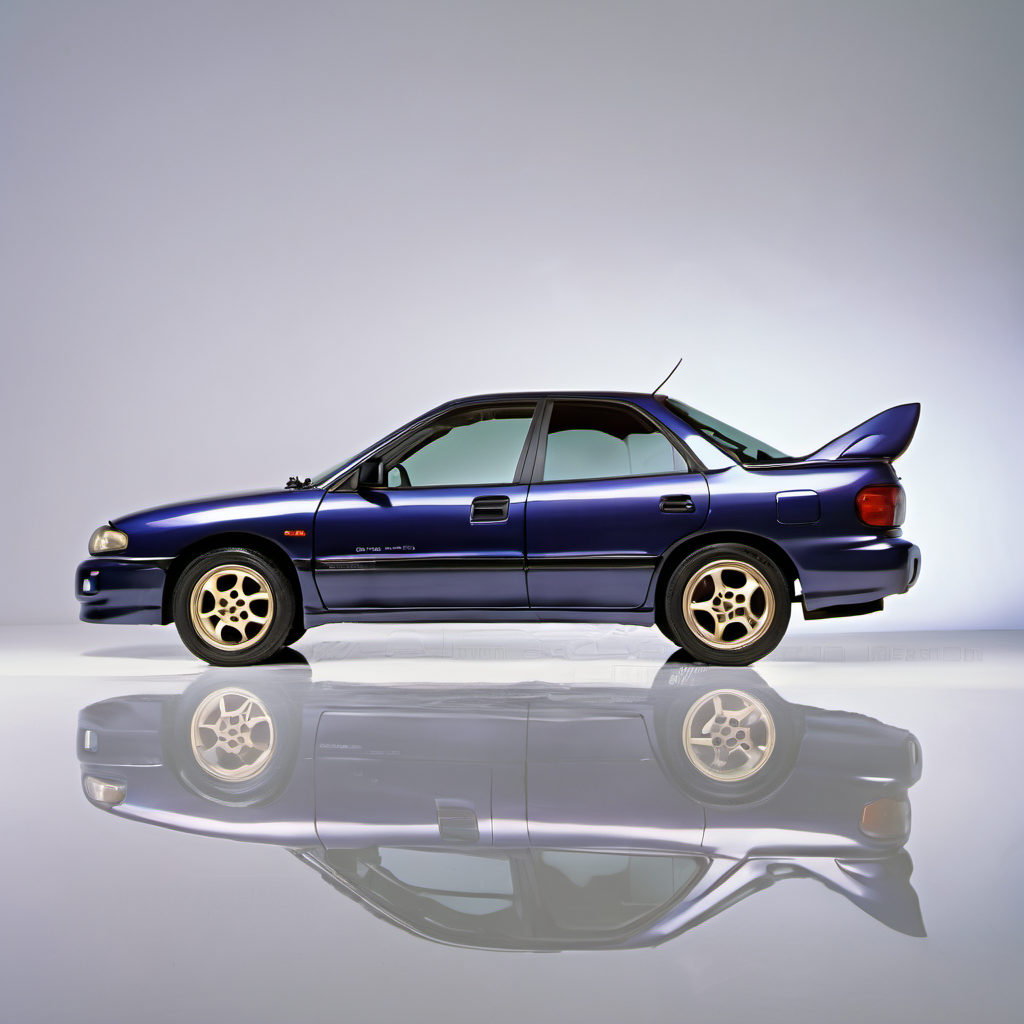
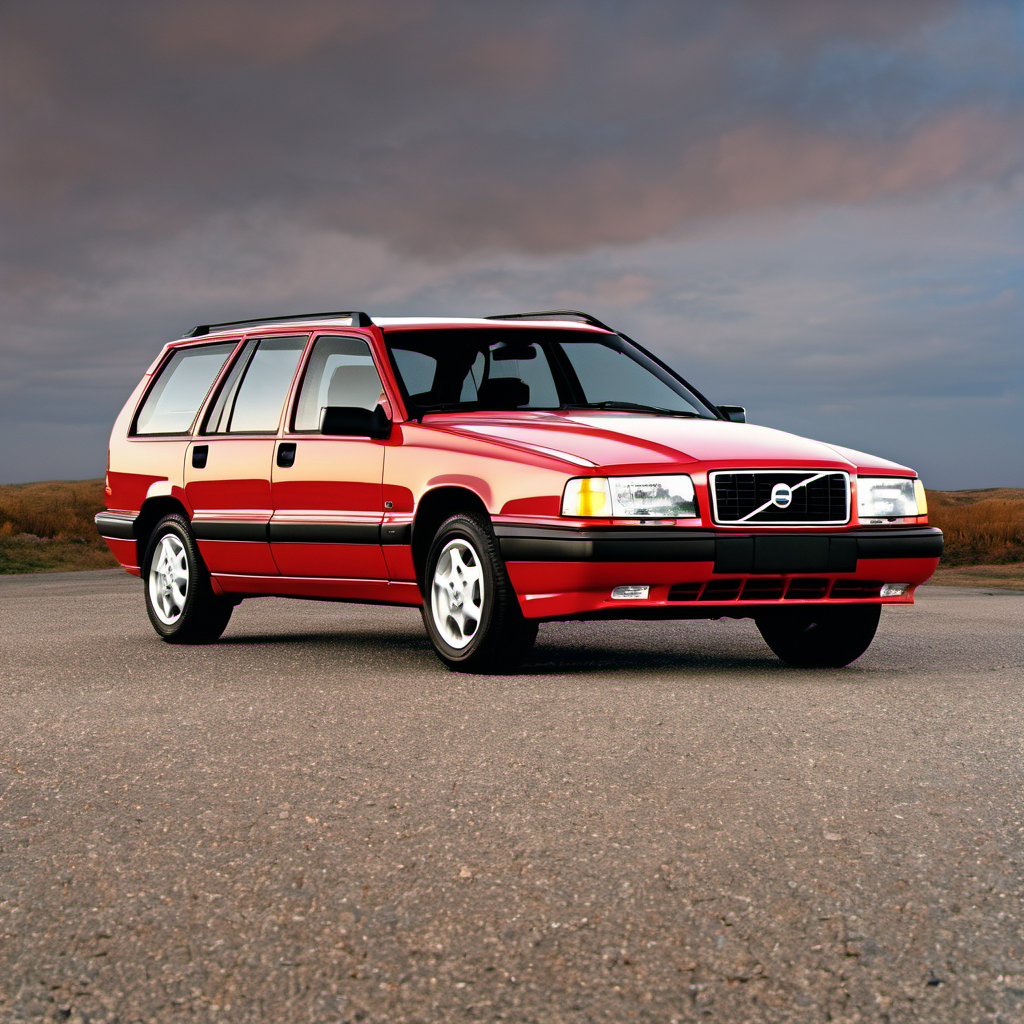
1995 Subaru Legacy Sedan

1995 Subaru

LegacySedan

2.2L H4 (EJ22) · Sedan

The 1995 Subaru Legacy is a compact sedan from the second generation of Subaru's mid-range lineup (1995 was a mid-cycle refresh year). It came standard with Subaru's symmetrical full-time AWD on most trims — a genuinely unusual feature for a sub-$20k car in the mid-1990s — making it legitimately capable in Wisconsin winters without any driver input required. The base engine is a 2.2L flat-four (EJ22), known for its low center of gravity and reasonable durability, with a 2.5L (EJ25) available on upper trims. At nearly 30 years old, any surviving example is a high-mileage or carefully preserved car. The good news: the EJ22 is one of Subaru's most robust engines from this era. The bad news: age-related rubber, gasket, and rust issues are the norm, not the exception, especially on a car that likely spent decades in the upper Midwest salt belt. Expect to invest in maintenance and repairs to keep one running well.

Reliability
3/5
Verified data
Engine
2.2L H4 (EJ22)
Drivetrain
AWD
Fuel
Gasoline
MPG
21 city / 27 hwy / 23 combined
Seats
5
Doors
4
Body
Sedan
MSRP
$16,995

Overview

AI-curated

The 1995 Subaru Legacy is a compact sedan from the second generation of Subaru's mid-range lineup (1995 was a mid-cycle refresh year). It came standard with Subaru's symmetrical full-time AWD on most trims — a genuinely unusual feature for a sub-$20k car in the mid-1990s — making it legitimately capable in Wisconsin winters without any driver input required. The base engine is a 2.2L flat-four (EJ22), known for its low center of gravity and reasonable durability, with a 2.5L (EJ25) available on upper trims. At nearly 30 years old, any surviving example is a high-mileage or carefully preserved car. The good news: the EJ22 is one of Subaru's most robust engines from this era. The bad news: age-related rubber, gasket, and rust issues are the norm, not the exception, especially on a car that likely spent decades in the upper Midwest salt belt. Expect to invest in maintenance and repairs to keep one running well.

Known for
  • Symmetrical AWD standard on most trims — a genuine winter advantage
  • EJ22 flat-four engine known for longevity when maintained
  • Comfortable, practical sedan packaging with good cargo space
  • Low center of gravity from the boxer engine layout
Best for
  • Wisconsin winter commuters who want AWD traction without an SUV
  • Budget-minded buyers comfortable doing some wrenching or paying for deferred maintenance catch-up
  • Drivers who prioritize reliability over modern features
  • Light off-road or unpaved road use
Watch for
  • Head gasket failure — the EJ25 2.5L especially, but even the EJ22 at this age
  • Frame and subframe rust — critical safety concern on any Wisconsin/salt-belt example
  • Timing belt service history — interval is every 60k miles and failure is engine-destroying
  • Leaking rear differential and transmission seals on high-mileage examples
  • Deteriorated coolant hoses, belts, and suspension bushings from age alone

Common issues by mileage

6 known

Head gasket failure (EJ25 2.5L) / seeping head gaskets (EJ22)

high
Typically appears
100–160k mi
Estimated repair
$1,200 – $2,200

Timing belt and tensioner replacement overdue

high
Typically appears
60k mi intervals — any age/mileage on a 30-year-old car
Estimated repair
$400 – $700

Subframe and frame rust / rot

high
Typically appears
All mileages on upper-Midwest examples
Estimated repair
$500 – $3,000

Rear differential and axle seal leaks

medium
Typically appears
80–150k mi
Estimated repair
$150 – $500

Oxygen sensor failure / degraded sensor wiring

medium
Typically appears
80k+ mi
Estimated repair
$150 – $350

Suspension bushings and strut mounts deteriorated from age

high
Typically appears
All mileages on a 30-year-old example
Estimated repair
$400 – $1,200

Maintenance schedule

  1. 1
    Every 60k miles — do it immediately if history is unknown Timing belt, tensioner, and water pump replacement

    The EJ22 and EJ25 are interference engines. A snapped timing belt destroys the engine with no warning. On a 30-year-old car with unknown service history, assume it's overdue.

  2. 2
    Every 2 years or immediately on acquisition Coolant flush and hose inspection

    30-year-old coolant hoses crack from the inside out and can fail without visible external warning. Old coolant loses its anti-corrosion additives and accelerates head gasket and water pump wear.

  3. 3
    Every 3,000–4,000 miles with conventional oil on a high-mileage example Oil change with correct-viscosity oil

    Older Subaru flat-fours benefit from more frequent oil changes to keep sludge from building up in the narrow oil passages around the head gaskets. Do not extend intervals on a high-mileage EJ engine.

  4. 4
    Every spring after Wisconsin winters Underbody rust inspection

    Road salt aggressively attacks this generation Legacy's subframe, control arm mounts, and brake lines. A rusted subframe can be a total-loss situation. Catch it early.

  5. 5
    Annually — critical on any salt-belt car this age Brake line inspection and replacement

    Steel brake lines on 1990s Subarus are notorious for rusting from the outside in. A brake line failure at highway speed is catastrophic. Inspect every line for surface rust, pitting, and soft spots.

  6. 6
    Every 30k miles, or immediately if unknown Differential and transmission fluid changes

    The AWD system relies on all four differentials seeing clean fluid. Neglected fluid leads to noisy, binding differentials and expensive rebuilds.

  7. 7
    Every 60k miles or at any sign of cracking Drive belt (serpentine/accessory) replacement

    Rubber belts age-harden even with low mileage. A 30-year-old belt is a roadside failure waiting to happen regardless of how it looks.

  8. 8
    Every fall Battery load test before winter

    Lake Geneva regularly sees sub-zero temps. A marginal battery that starts fine in October will leave you stranded in January. Test it before the cold hits, not after.

Always defer to the manufacturer's service manual for warranty-mandated intervals.

Cost of ownership

Annual maintenance
$800 – $2,500
Fuel
Roughly $1,800–$2,200/year at current prices assuming 12,000 miles/year and ~23 MPG combined
Insurance
Low — expect $600–$1,000/year for full coverage on a 30-year-old vehicle with market value typically under $5,000

On paper this is a cheap car to own — the market value is low and insurance is inexpensive. In practice, a 30-year-old AWD Subaru that has lived through Wisconsin winters has a long maintenance catch-up list. Budget $1,500–$3,000 upfront for brake lines, timing belt, coolant system, and bushings unless you have documented service records. Ongoing annual costs are modest IF the deferred work is done first.
Seasonal care

Lake Geneva, WI
Winter
  • Load-test the battery every fall — sub-zero Lake Geneva temps will expose a weak battery immediately
  • Switch to a low-viscosity oil (5W-30 or per owner's manual) before temperatures drop below 0°F for easier cold starts
  • Inspect and treat brake lines and fuel lines for surface rust before snow season; a 30-year-old car's steel lines are at serious risk from accumulated salt
  • Fill washer fluid reservoir with a rated -20°F or colder solution — standard summer fluid freezes in the nozzles and on the glass
  • Check antifreeze strength with a tester — ensure protection to at least -34°F given regional temperatures
  • Rinse the undercarriage weekly or after heavy salt events to slow accelerating corrosion on an already aged unibody
Summer
  • Inspect coolant hoses and radiator cap — heat soak on the EJ-series flat-four accelerates hose deterioration and can push a marginal cooling system into overheating
  • Check tire pressure monthly — summer heat increases pressure; on older tires, check sidewalls for age cracking (look for tires over 6 years old by DOT date code)
  • Service the A/C system — R-134a systems on mid-1990s cars often need a small top-off after decades; check for oily residue at fittings indicating a slow leak
  • Inspect the timing belt and drive belts for heat-induced cracking if not recently replaced

Comparable vehicles

If you're shopping for one

Red flags
  • Any rust perforation through the subframe or floor — walk away immediately, repair cost exceeds vehicle value
  • Milky or foamy oil on the dipstick or under the oil cap — active head gasket failure
  • Owner cannot produce any service records — on a 30-year-old car, undocumented history almost always means deferred maintenance
  • Overheating at idle or in traffic — the cooling system is compromised and head gasket damage may already be done
  • Clunking or grinding from the rear axle during low-speed turns — differential damage from neglected fluid or mismatched tires on AWD system
  • Four different tire brands or significantly mismatched tread depths — running mismatched tires on Subaru AWD damages the center differential over time
What to inspect
  • Put it on a lift and inspect every inch of the subframe, control arm mounting points, and brake lines for rust perforation — this is non-negotiable on any Wisconsin-area 1995 Legacy
  • Pull the coolant cap cold and look for a milky residue or oily film — a classic head gasket leak indicator
  • Ask for a complete timing belt service record; if they can't show you a receipt, budget for it immediately
  • Check all four differentials and the transmission for fluid leaks by looking for wet, dark residue around seals
  • Start it cold from overnight and listen for ticking (low oil pressure) or rough idle that smooths out — both are warning signs on the EJ-series
  • Inspect all four tires for age (DOT date code) and the sidewalls for cracking — 30-year-old rubber is a safety hazard
AI profile generated 4 days ago · claude-sonnet-4-6 · v2.