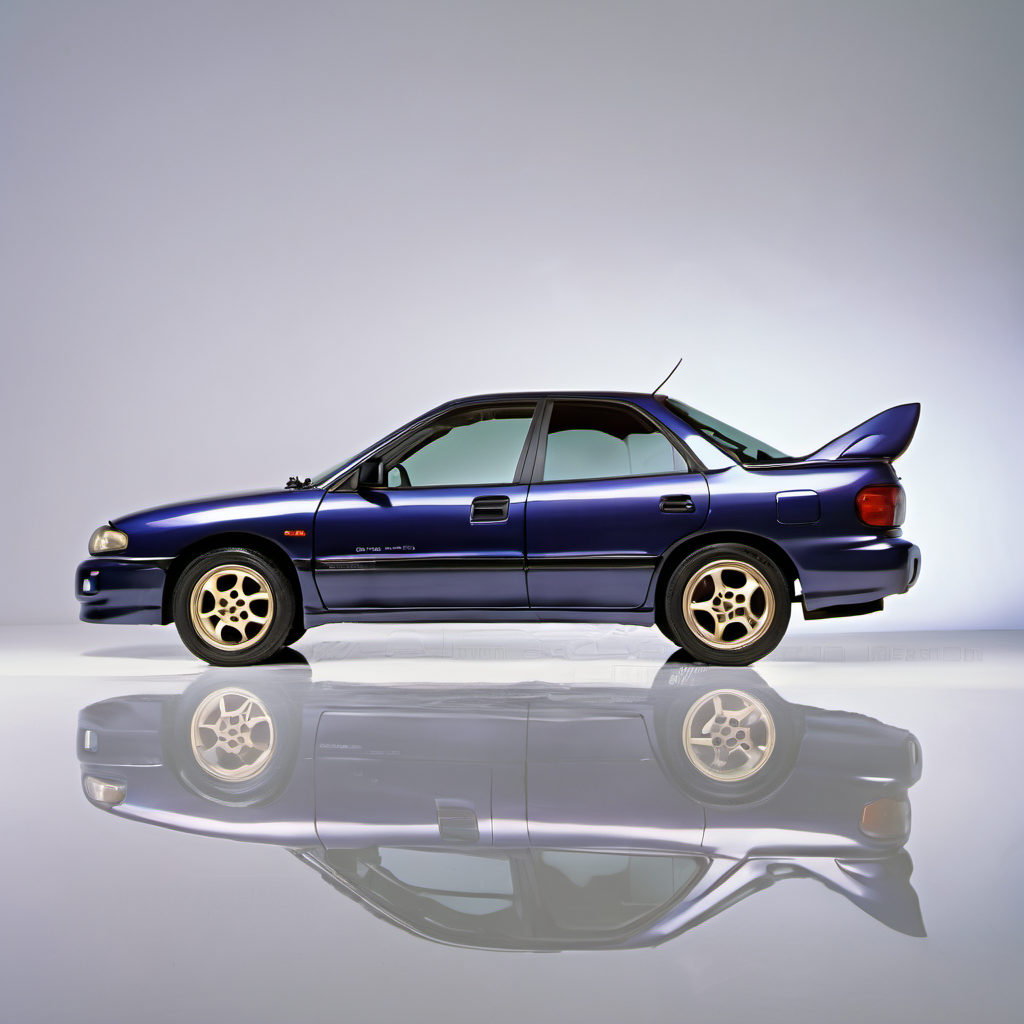
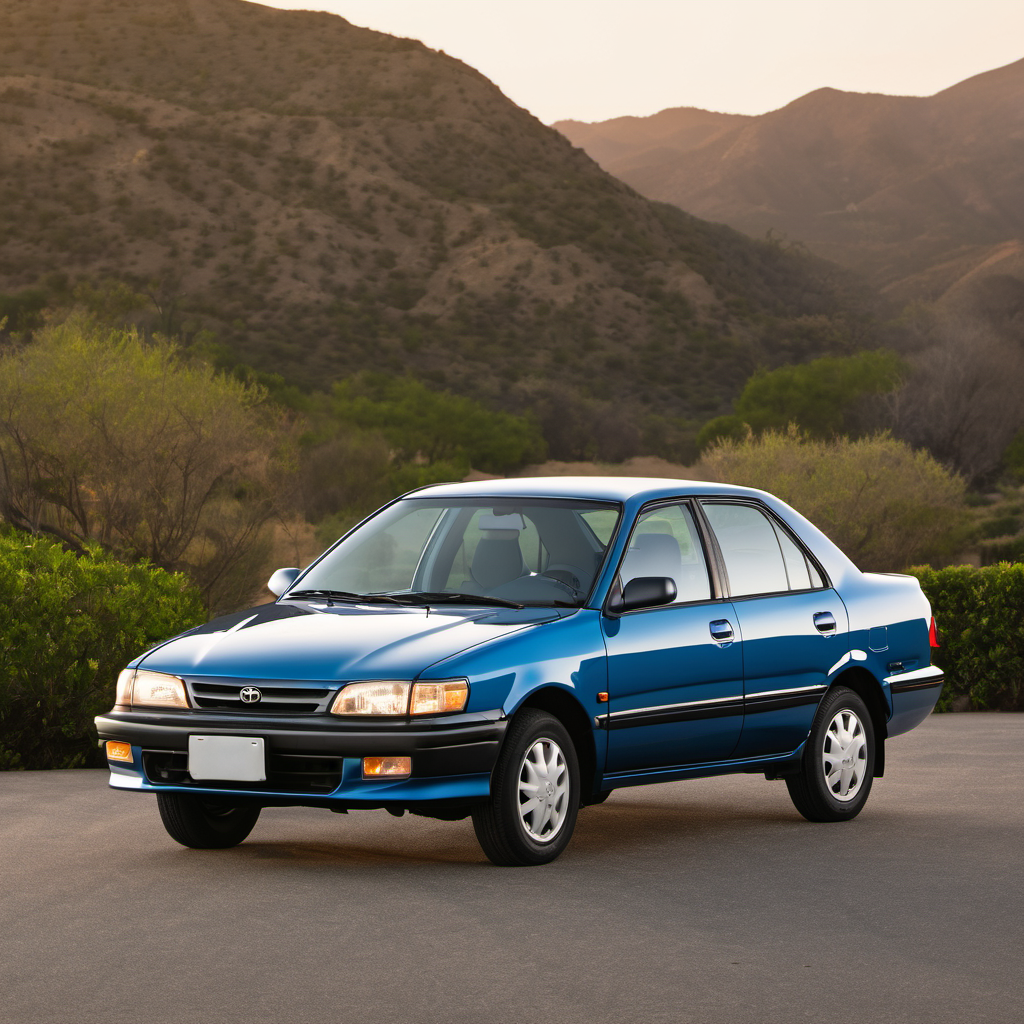
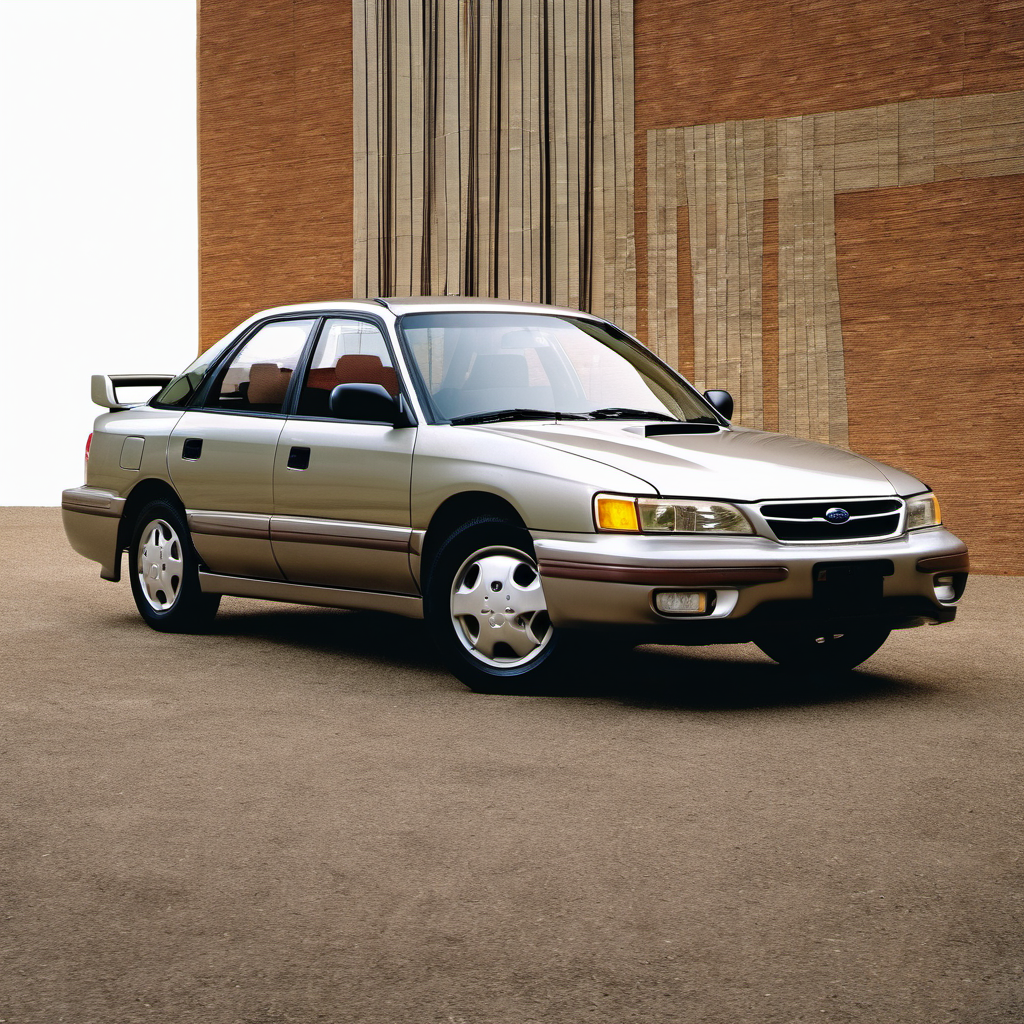
1995 Subaru Impreza Sedan

1995 Subaru

ImprezaSedan

2.2L H4 (EJ22) · Sedan

The 1995 Subaru Impreza is the second model year of Subaru's compact car lineup, introduced to replace the aging Leone/Loyale. It came in sedan, coupe, and wagon body styles and was offered with either a 1.8L or 2.2L horizontally-opposed four-cylinder (boxer) engine paired with standard all-wheel drive across most trims — a genuinely uncommon feature at this price point in the mid-1990s. The AWD system and low center of gravity from the flat engine made it a standout in Wisconsin winters long before AWD became mainstream in this segment. At 30 years old, a surviving 1995 Impreza is squarely a high-mileage used car. Rust is the single biggest concern — the first-gen Impreza's underbody, wheel wells, and subframe areas are known rust collectors, especially in salt-belt states like Wisconsin. Mechanically, the EJ-series boxer engines are tough if oil changes were kept up, but head gaskets, timing belts, and cooling system components are age-critical items that must be inspected or replaced regardless of mileage. This is a car for someone who needs reliable winter traction on a tight budget and is handy enough — or connected enough to an honest shop — to stay on top of age-related maintenance. Parts availability is reasonable given the long EJ engine production run, but body panels and trim are increasingly scarce.

Reliability
3/5
Verified data
Engine
2.2L H4 (EJ22)
Drivetrain
AWD
Fuel
Gasoline
MPG
23 city / 29 hwy / 25 combined
Seats
5
Doors
4
Body
Sedan
MSRP
$14,495

Overview

AI-curated

The 1995 Subaru Impreza is the second model year of Subaru's compact car lineup, introduced to replace the aging Leone/Loyale. It came in sedan, coupe, and wagon body styles and was offered with either a 1.8L or 2.2L horizontally-opposed four-cylinder (boxer) engine paired with standard all-wheel drive across most trims — a genuinely uncommon feature at this price point in the mid-1990s. The AWD system and low center of gravity from the flat engine made it a standout in Wisconsin winters long before AWD became mainstream in this segment. At 30 years old, a surviving 1995 Impreza is squarely a high-mileage used car. Rust is the single biggest concern — the first-gen Impreza's underbody, wheel wells, and subframe areas are known rust collectors, especially in salt-belt states like Wisconsin. Mechanically, the EJ-series boxer engines are tough if oil changes were kept up, but head gaskets, timing belts, and cooling system components are age-critical items that must be inspected or replaced regardless of mileage. This is a car for someone who needs reliable winter traction on a tight budget and is handy enough — or connected enough to an honest shop — to stay on top of age-related maintenance. Parts availability is reasonable given the long EJ engine production run, but body panels and trim are increasingly scarce.

Known for
  • Standard AWD across most trims — rare at this price in 1995
  • Durable EJ-series boxer engine with a long production history
  • Capable winter traction and predictable AWD handling
  • Simple, repairable mechanicals compared to modern vehicles
  • Strong owner community with good DIY resource availability
Best for
  • Budget-conscious Wisconsin winter drivers
  • Mechanically inclined owners comfortable with older vehicle maintenance
  • Light-duty daily commuters who prioritize AWD traction
  • Subaru enthusiasts familiar with the platform
Watch for
  • Frame and underbody rust — a deal-breaker on salt-belt cars
  • Head gasket failure on the 2.2L EJ22 (common on this generation)
  • Timing belt service history — interference engine, skipped belt = engine damage
  • Cooling system neglect leading to overheating and compounding head gasket issues
  • Electrical gremlins from aged wiring, ground straps, and connectors

Common issues by mileage

6 known

Head Gasket Failure (EJ22)

high
Typically appears
100k–180k mi
Estimated repair
$900 – $1,800

Timing Belt & Tensioner Wear

high
Typically appears
60k mi intervals / age-critical
Estimated repair
$350 – $650

Underbody / Subframe Rust

high
Typically appears
Any mileage on salt-belt vehicles
Estimated repair
$500 – $3,500

Oxygen Sensor Heater Circuit Failure

medium
Typically appears
80k–150k mi
Estimated repair
$150 – $400

Worn CV Axles / AWD Transfer Components

medium
Typically appears
100k–200k mi
Estimated repair
$200 – $700

Cooling System Deterioration (Hoses, Thermostat, Radiator)

high
Typically appears
Age-critical — 20+ years old
Estimated repair
$250 – $900

Maintenance schedule

  1. 1
    Every 60,000 miles or 5 years — whichever comes first Timing Belt & Water Pump Replacement

    The EJ22 is an interference engine. A broken belt destroys the engine. At 30 years old, replace it regardless of stated mileage if history is unknown. Replace the water pump at the same time — labor overlap makes it cheap insurance.

  2. 2
    Every 3,000–5,000 miles using conventional or full-synthetic 5W-30 Engine Oil Changes with UOA Attention

    Head gasket seepage often shows up first as oil contamination or slight coolant loss. Catching it early with regular checks saves a full gasket job. Use 5W-30 for cold Wisconsin starts.

  3. 3
    Every 2 years or 30,000 miles Coolant Flush & System Inspection

    Degraded coolant accelerates head gasket failure and corrodes the aluminum engine block. On a 30-year-old car, inspect all hoses, clamps, and the radiator cap at every coolant service.

  4. 4
    Every 30,000 miles AWD Transmission & Differential Fluid Change

    The viscous-coupled AWD system depends on proper fluid viscosity. Old fluid causes binding, shudder, and premature wear in the transfer assembly. Use only Subaru-specified gear oil.

  5. 5
    Every fall before road salt season Underbody Rust Inspection & Treatment

    Lake Geneva roads are heavily salted November through March. Inspect subframe mounting points, rear trailing arm brackets, and floor pan edges. Treat any surface rust before it becomes structural.

  6. 6
    Every 2 years Brake Fluid Flush

    Hygroscopic brake fluid absorbs moisture over time, lowering boiling point and corroding calipers and lines — an accelerated problem in Wisconsin's wet winters.

  7. 7
    Every 30,000 miles Spark Plugs & Ignition Wires

    The boxer layout puts plugs in an awkward position. Worn plugs on a cold Wisconsin morning cause hard starts and rich running that fouls the O2 sensor. Use OEM-spec plugs.

  8. 8
    Every fall Battery Load Test

    Cold cranking amps drop sharply below 20°F. A battery that passes a basic voltage test in October can fail to start the car at -10°F in January. Load-test every autumn.

Always defer to the manufacturer's service manual for warranty-mandated intervals.

Cost of ownership

Annual maintenance
$600 – $1,800
Fuel
At ~25 MPG combined and ~12,000 miles/year, expect roughly $1,400–$1,700/year at current Midwest gas prices.
Insurance
Typically low — older vehicle with modest market value. Expect $600–$1,000/year for full coverage depending on driver profile and chosen deductibles.

A well-maintained 1995 Impreza can be very affordable to run year to year — the EJ22 isn't thirsty and parts are not expensive. The risk is deferred maintenance catching up: a single head gasket job, timing belt failure, or rust repair can exceed the car's market value in one shot. Budget conservatively and address issues proactively.
Seasonal care

Lake Geneva, WI
Winter
  • Load-test the battery every October — cold cranking demand at sub-zero temps will expose any weakness that a warm-weather test won't catch.
  • Switch to a full-synthetic 5W-30 oil if not already running it — it flows far better at -10°F to -20°F on cold starts than conventional oil.
  • Flush and top off washer fluid with a -20°F or lower rated formula — Lake Geneva winters regularly hit those temps and a clogged freeze will crack the reservoir.
  • Inspect wiper blades before first snow and switch to winter-rated blades — the low hood line of the Impreza makes rear visibility important when wipers streak.
  • Rinse the entire undercarriage every 2 weeks during salt season — the first-gen Impreza's underbody is already rust-prone; salt accumulation accelerates frame damage fast.
  • Verify AWD system function before winter — a binding or slipping transfer case that goes unnoticed in summer becomes a safety issue on ice. A quick parking-lot AWD check (slow tight turn under light throttle) can reveal issues.
Summer
  • Check tire pressure monthly — temperatures swinging 30°F+ between Wisconsin nights and afternoons cause noticeable pressure fluctuation in these smaller tires.
  • Inspect the cooling system cap-to-radiator before summer heat — a marginal head gasket seep that was invisible in winter will show itself first in summer heat soak at idle.
  • Run the A/C periodically to keep the compressor seals lubricated — a 30-year-old A/C system left dormant for a full winter often leaks refrigerant by July.
  • Check all rubber under-hood hoses for heat cracking — at this age, coolant and vacuum hoses deteriorate from the inside out and summer heat accelerates failure.

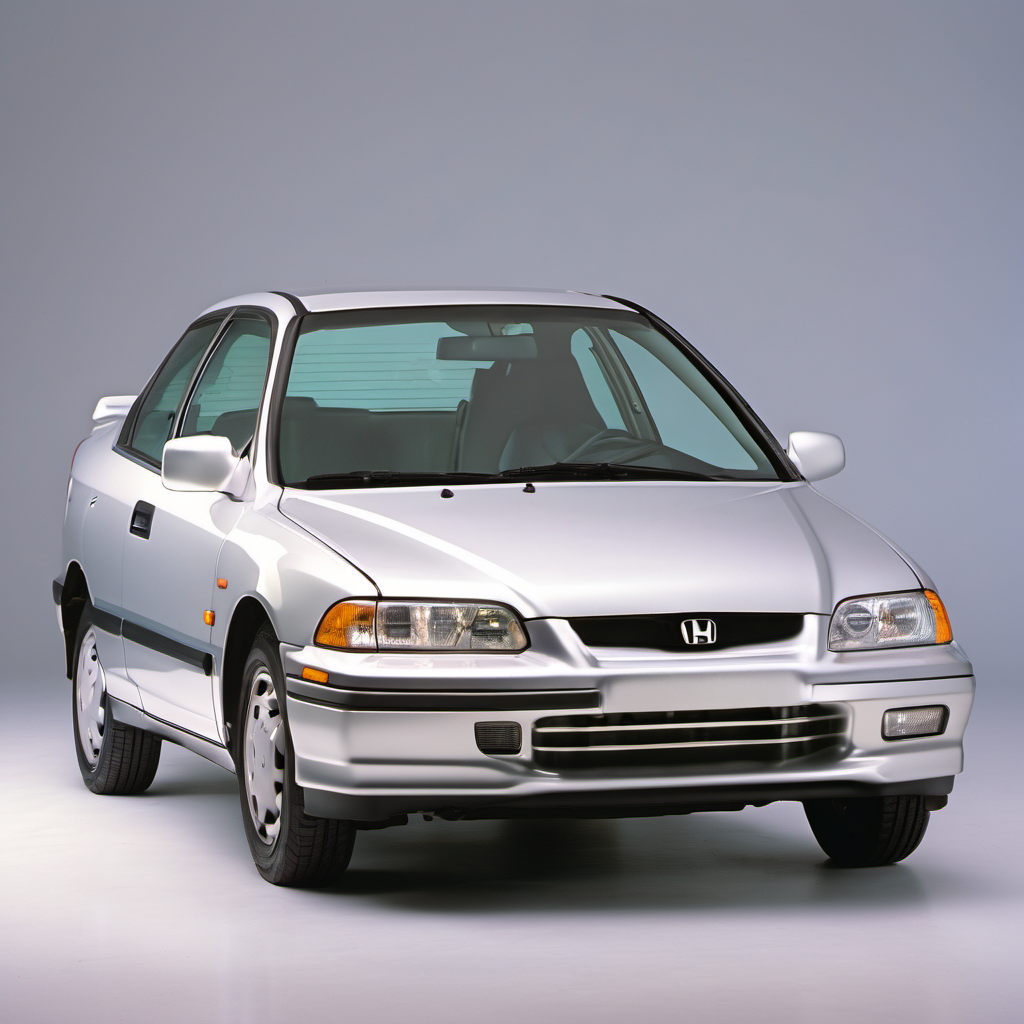
Comparable vehicles

If you're shopping for one

Red flags
  • Any structural rust on subframe, floor pan, or trailing arm mounts — repair cost will exceed market value of the car.
  • Milky oil or coolant discoloration — active head gasket failure requiring immediate major repair.
  • No timing belt service records on a high-mileage car — you're one snap away from a junk engine.
  • Mismatched tires (different brands, sizes, or significantly different tread depths) — signals either AWD neglect or a seller who didn't understand the system.
  • Overheating history noted by the seller or evidence of a recent cheap coolant top-off without a flush — often masks an ongoing head gasket or cooling system problem.
  • Visible oil leaks at the rear main seal or valve covers combined with high mileage and unknown service history — indicates a car that has been run hard and ignored.
What to inspect
  • Put the car on a lift and inspect every subframe mounting point, rear trailing arm brackets, floor pan, and rocker panels for rust — structural rust is a hard pass regardless of how well the engine runs.
  • Pull the oil filler cap and check for a tan/milky residue — that's coolant in the oil, indicating head gasket failure or worse.
  • Check the coolant reservoir for an oily film or brownish discoloration — another head gasket leak indicator.
  • Ask for timing belt replacement records. If unknown, budget $400–$650 immediately. Do not drive it hard until this is confirmed.
  • Check for AWD binding: in a flat empty parking lot at low speed, make a slow tight circle — light resistance is normal, significant bucking or shuddering indicates a failing viscous coupler or mismatched tire sizes.
  • Inspect all four tires for matching brand and tread depth — the Impreza's AWD system is sensitive to mismatched tires and uneven wear can damage the transfer assembly.
AI profile generated 4 days ago · claude-sonnet-4-6 · v2.