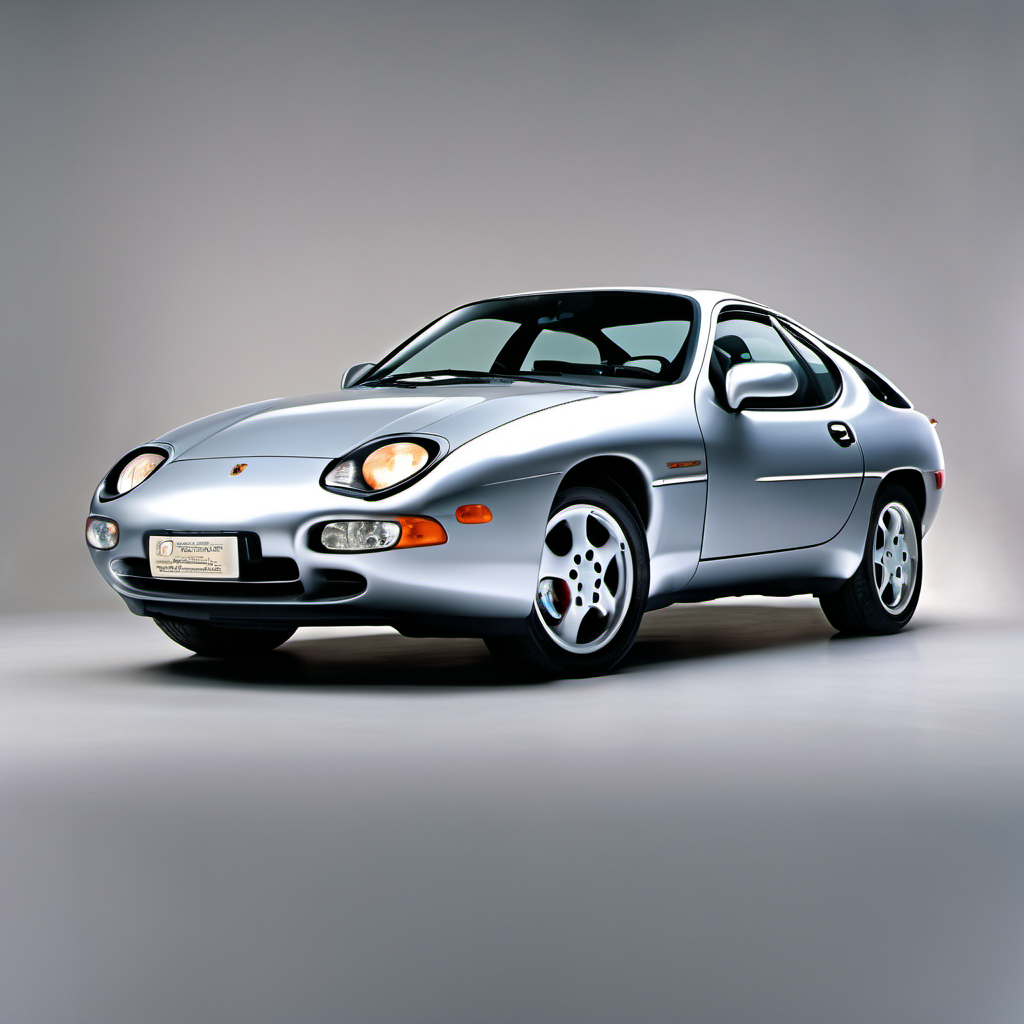
1995 Porsche 928 Hatchback

1995 Porsche

928Hatchback

Hatchback

The 1995 Porsche 928 S4/GTS is the final-year expression of Porsche's grand touring flagship — a front-engine, rear-transaxle V8 GT that was produced from 1978 through 1995. By its last model year, the 928 had evolved into a highly refined, fast, and comfortable long-distance machine, carrying a 5.4L V8 making 350 hp in GTS trim. It was Porsche's most expensive production car at the time, competing with Ferrari and Mercedes-Benz in the luxury GT segment. The 928 is a driver's car first. The torque-tube rear-transaxle layout gives it near-perfect 50/50 weight distribution, and the all-independent suspension delivers handling that still impresses today. Its cabin, while dated by current standards, is well-appointed and driver-focused. The Weissach axle rear suspension was genuinely innovative for its era. Owning a 928 in 2024 is a commitment. Parts are expensive and increasingly scarce, competent mechanics are rare outside specialist shops, and nearly every system on a 30-year-old example will require attention. This is a vehicle for enthusiasts who research thoroughly before buying and budget generously after.

Reliability
2/5
Verified data
Specs shown for 928 GTS — the most common configuration. Other trims may vary in engine, drivetrain, or fuel economy. Sign in to see your vehicle's exact specs.
Engine
[object Object]
Drivetrain
RWD
Fuel
Premium gasoline
MPG
14 city / 17 hwy / 15 combined
Seats
Doors
Body
Minicompact Cars

Overview

AI-curated

The 1995 Porsche 928 S4/GTS is the final-year expression of Porsche's grand touring flagship — a front-engine, rear-transaxle V8 GT that was produced from 1978 through 1995. By its last model year, the 928 had evolved into a highly refined, fast, and comfortable long-distance machine, carrying a 5.4L V8 making 350 hp in GTS trim. It was Porsche's most expensive production car at the time, competing with Ferrari and Mercedes-Benz in the luxury GT segment. The 928 is a driver's car first. The torque-tube rear-transaxle layout gives it near-perfect 50/50 weight distribution, and the all-independent suspension delivers handling that still impresses today. Its cabin, while dated by current standards, is well-appointed and driver-focused. The Weissach axle rear suspension was genuinely innovative for its era. Owning a 928 in 2024 is a commitment. Parts are expensive and increasingly scarce, competent mechanics are rare outside specialist shops, and nearly every system on a 30-year-old example will require attention. This is a vehicle for enthusiasts who research thoroughly before buying and budget generously after.

Known for
  • 5.4L V8 with strong top-end power and a distinctive exhaust note
  • Front-engine / rear-transaxle layout for exceptional weight balance
  • Weissach rear axle passive rear-wheel steering
  • Last and most powerful evolution of Porsche's GT flagship
Best for
  • Experienced Porsche enthusiasts who can handle specialist maintenance
  • Collectors seeking the last and rarest 928 production year
  • Long-distance grand touring in warmer months
  • Drivers who want V8 Porsche character without 911 prices
Watch for
  • Extremely high parts costs and limited availability on a 30-year-old platform
  • Very few mechanics outside Porsche specialists are qualified to work on these
  • Rubber components (timing belt, coolant hoses, fuel lines) degrade with age regardless of mileage
  • Complex electronics that are expensive to diagnose and repair
  • Salt and road exposure in Wisconsin winters will accelerate corrosion on an aging unibody

Common issues by mileage

6 known

Timing Belt Failure

high
Typically appears
Any age — interval-based, not just mileage
Estimated repair
$1,200 – $2,500

Coolant System Leaks (Hoses, Water Pump, Thermostat Housing)

high
Typically appears
All mileages on 30+ year old examples
Estimated repair
$600 – $2,000

Fuel System Degradation (Fuel Lines, Injector O-Rings, Fuel Pump)

high
Typically appears
All mileages — rubber and seals age regardless of use
Estimated repair
$500 – $2,500

LH-Jetronic / EZK Ignition Control Module Failure

medium
Typically appears
80k–150k mi or by age
Estimated repair
$800 – $3,000

Rear Suspension Bushings and Torque-Tube Bearing Wear

medium
Typically appears
60k–120k mi
Estimated repair
$1,000 – $3,500

A/C System Failure (Aged Seals, Refrigerant Conversion from R-12)

high
Typically appears
All 1995 examples — R-12 to R-134a conversion often needed
Estimated repair
$800 – $2,500

Maintenance schedule

  1. 1
    Every 4 years or 30,000 miles, whichever comes first — do not extend Timing Belt and Tensioner Replacement

    The 928 V8 is an interference engine. A belt failure destroys the engine. On a 30-year-old car, age matters as much as mileage. If there are no records, replace it immediately.

  2. 2
    Every 2 years or at purchase Full Coolant System Inspection and Flush

    Original rubber hoses are 30 years old. Coolant passages corrode. A leak leading to overheating can warp the aluminum cylinder heads — a very expensive repair.

  3. 3
    At purchase and every 3 years Fuel Line and Injector O-Ring Inspection

    Dry-rotted fuel lines on a hot V8 are a fire hazard. Original O-rings have a finite lifespan well past exceeded on a 1995 model.

  4. 4
    Every 2 years Brake Fluid Flush

    Porsche specifies this interval for good reason — hygroscopic fluid in an aging ABS system raises boiling point concerns and corrodes calipers from the inside.

  5. 5
    Every 30,000 miles Differential and Transaxle Fluid Change

    The rear transaxle and differential share a unique layout. Fresh fluid protects the torque tube bearing and rear gearset, which are expensive to rebuild.

  6. 6
    Every fall before Wisconsin winter Battery Inspection and Load Test

    The 928's electronics are sensitive to low voltage. A weak battery in sub-zero temps can cause cascading electrical faults. Use a quality AGM battery sized to OEM spec.

  7. 7
    Every spring after winter storage, or annually Underbody and Chassis Inspection for Corrosion

    Wisconsin road salt is aggressive on a 30-year-old unibody. The 928 was well-rustproofed from the factory but that protection is long expired. Inspect subframe mounting points and fuel line brackets closely.

  8. 8
    Every 30,000 miles Spark Plugs and Ignition Wires

    Access on the V8 is labor-intensive. Fresh plugs and wires prevent misfires that can foul catalysts and stress ignition modules that are difficult to source.

Always defer to the manufacturer's service manual for warranty-mandated intervals.

Cost of ownership

Annual maintenance
$2,500 – $8,000
Fuel
Premium (91+ octane) required. At 15 MPG combined and Wisconsin driving patterns, budget $3,000–$4,500/year for a primary driver; less for a seasonal car.
Insurance
Collector/agreed-value policy is strongly recommended. Standard market-value policies often undervalue these cars. Expect $800–$2,000/year depending on usage and declared value.

The 928 is not a cheap car to own. Even a well-maintained example will demand $2,500–$5,000/year in routine upkeep. A deferred-maintenance car can easily require $10,000–$20,000 to bring to safe, reliable condition. Parts often must be sourced from Europe or specialist vendors, adding lead time and cost. Budget generously and treat every bill as an investment in the car's long-term survival — not a surprise.

Seasonal care

Lake Geneva, WI
Winter
  • Do not drive this car on salted Wisconsin roads. Salt will attack the aging unibody, brake lines, and fuel lines faster than on a modern vehicle. Store it from November through April if at all possible.
  • If storing, use a battery tender — the 928's electronics draw parasitic current and a dead or sulfated battery is a common spring headache.
  • Fill the tank and add a fuel stabilizer before storage to prevent phase separation and varnish in the fuel injection system.
  • Check coolant freeze protection to at least -34°F before any cold-weather use. The aluminum engine block does not forgive a freeze.
  • If the car must be driven in winter, rinse the underbody thoroughly after every salted-road exposure and inspect brake lines and fuel lines each spring.
Summer
  • The 928 runs hot in traffic — monitor coolant temperature closely during slow summer driving. The cooling system on a 30-year-old car is not the system it was new.
  • Inspect A/C system before summer. Most 1995 928s still running original systems will need R-12 to R-134a conversion if not already done. Do not skip — Wisconsin summers are humid and hot.
  • Check tire pressure monthly; heat increases pressure and these cars run performance tires at specific pressures critical to handling.
  • Inspect drive belt and accessory belt condition — heat accelerates rubber cracking on already aged components.
  • After high-speed summer driving, allow the engine to idle 2–3 minutes before shutting off to let the turbo-adjacent V8 heat soak dissipate safely.

Comparable vehicles

1995 Mercedes-Benz
SL500

Contemporary V8 German GT with similar grand touring mission, comparable price bracket when new, and similar specialist-level maintenance demands today.

No catalog match
1995 Ferrari
456 GT

Direct market competitor at launch — front-engine V12 2+2 GT aimed at the same buyer. Even more expensive to maintain but comparable in mission and era.

No catalog match
1994 Aston Martin
Virage

British front-engine V8 GT from the same period competing in the same exclusive GT segment. Rarer and more expensive to run, but a true comparable in mission.

No catalog match
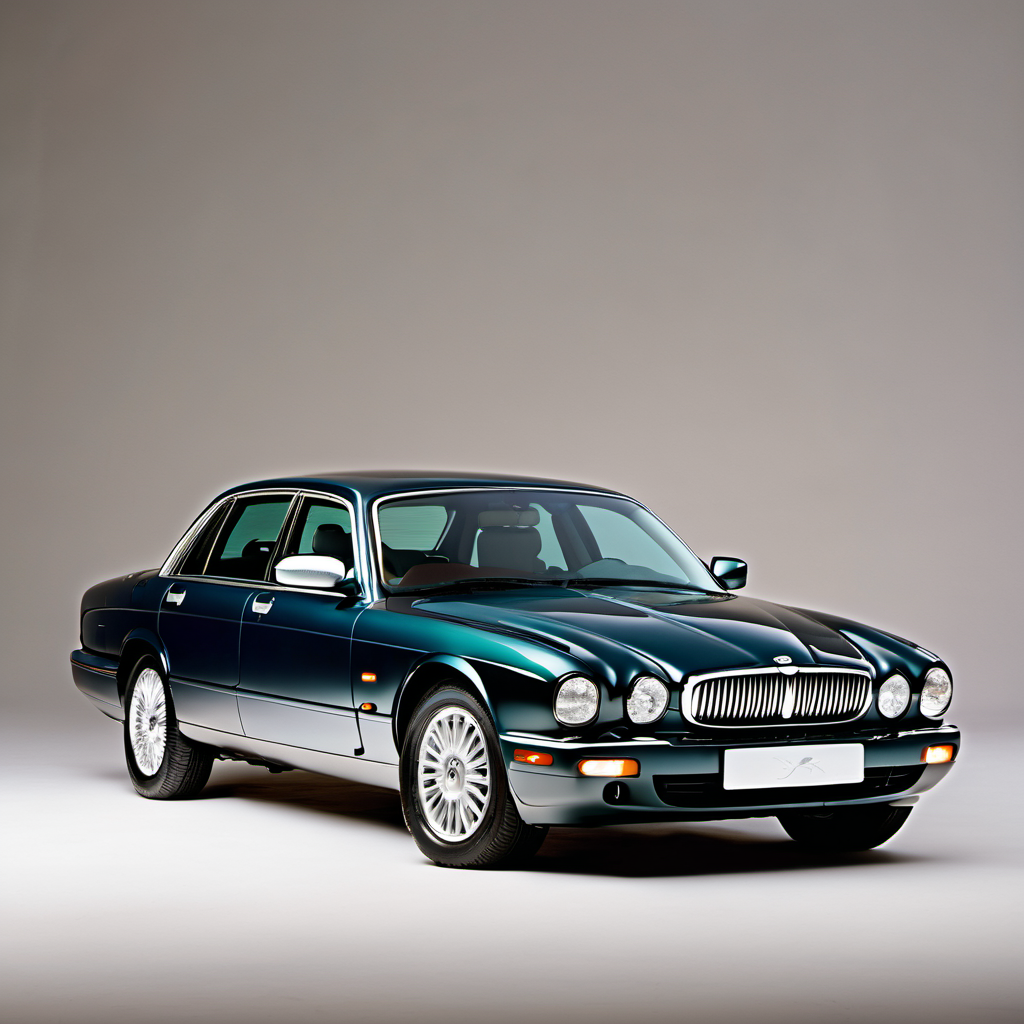
1995 Jaguar XJS
1995 Jaguar
XJS

V12 grand tourer from the same era at a lower price point. Easier to source parts for today, but shares the aging-exotic maintenance profile of the 928.

If you're shopping for one

Red flags
  • No timing belt service history or inability to document when it was last done
  • Any signs of overheating history — discolored coolant, white residue on the oil cap, or a warped valve cover
  • Heavy rust on the underbody, especially around brake lines and fuel lines
  • Non-functional or erratic dashboard electronics — often a sign of deeper wiring harness issues
  • Evidence of amateur repairs or non-specialist work on the engine or suspension
  • Mismatch between mileage and car condition — low-mileage 928s that sat are often in worse shape than high-mileage driver cars
  • Asking price that seems too low — a cheap 928 almost always means deferred maintenance that will cost far more than the discount
What to inspect
  • Timing belt service records — if unknown, walk away or demand immediate replacement before purchase
  • All coolant hoses, the water pump, and thermostat housing for weeping or dry rot
  • Fuel lines under the car for cracking, swelling, or seeping — a safety-critical inspection on a 30-year-old car
  • Full undercarriage for rust, especially subframe mounts, brake hard lines, and floor pans
  • Function of all electronics: windows, sunroof, climate control, instrument cluster — repairs are expensive and parts are scarce
  • Compression and leakdown test on all 8 cylinders — look for head gasket weeping on the aluminum block
  • Condition of the torque tube and rear transaxle — listen for vibration or clunking under load
  • A/C operation and refrigerant type (R-12 vs. converted to R-134a)
AI profile generated 4 days ago · claude-sonnet-4-6 · v2.