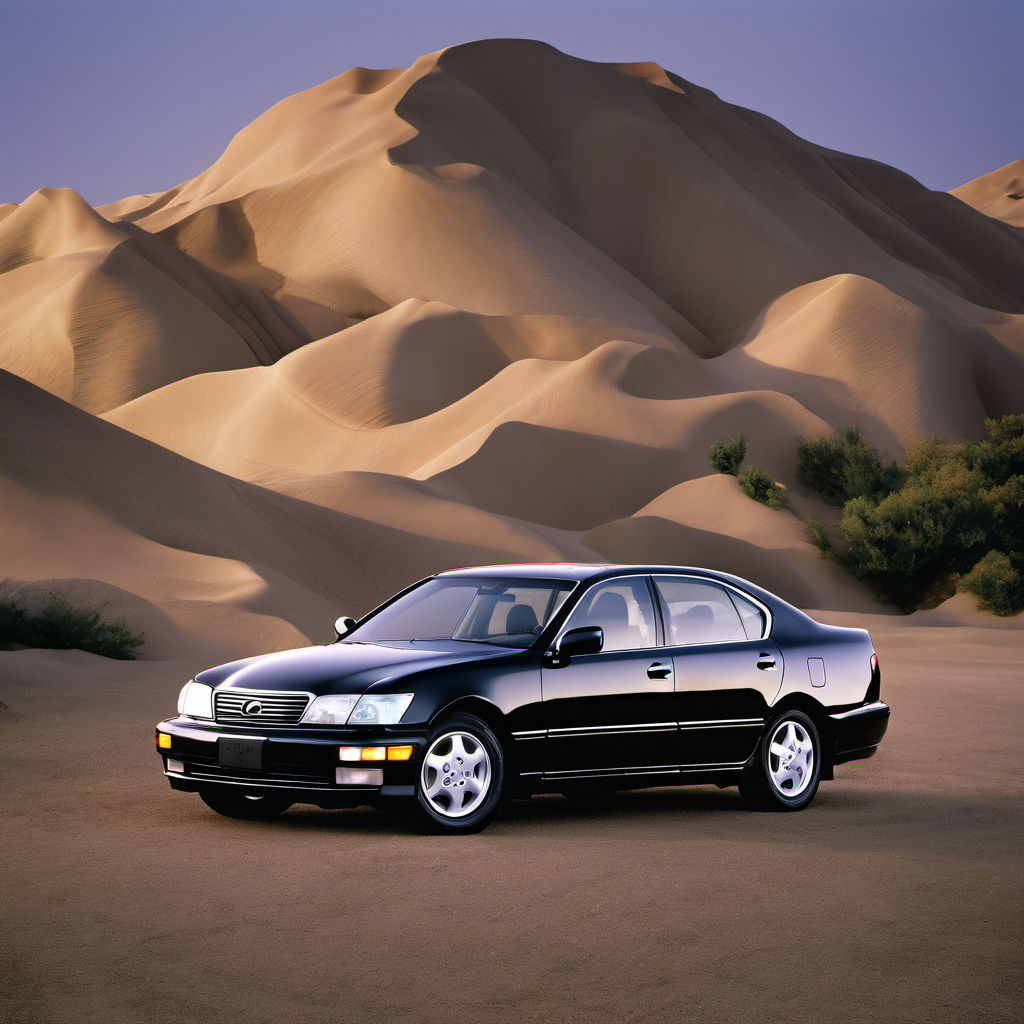
1995 Lexus GS Sedan

1995 Lexus

GSSedan

Sedan

The 1995 Lexus GS 300 is the first generation of Lexus's sport-luxury sedan, built on Toyota's Z30 platform and powered by a 3.0L inline-six (2JZ-GE) borrowed from the Toyota Supra. It was Lexus's answer to the BMW 5 Series and Mercedes E-Class — rear-wheel drive, polished ride, and a genuinely robust powertrain underneath the leather and wood trim. At nearly 30 years old, a well-kept GS 300 is still a compelling car. The 2JZ engine is legendary for durability, and many examples have rolled past 200k miles with basic maintenance. Parts availability is reasonable for a car this age, and the independent repair community knows this platform well. The trade-off is age-related: rubber, electronics, and suspension components are all pushing three decades. Expect deferred maintenance on used examples, and budget for refreshing the consumables even if the engine itself is strong. This is a rewarding ownership experience if you buy right and stay ahead of the wear items.

Reliability
4/5
Verified data
Specs shown for GS 300 — the most common configuration. Other trims may vary in engine, drivetrain, or fuel economy. Sign in to see your vehicle's exact specs.
Engine
[object Object]
Drivetrain
RWD
Fuel
Premium gasoline
MPG
16 city / 22 hwy / 18 combined
Seats
Doors
Body
Midsize Cars

Overview

AI-curated

The 1995 Lexus GS 300 is the first generation of Lexus's sport-luxury sedan, built on Toyota's Z30 platform and powered by a 3.0L inline-six (2JZ-GE) borrowed from the Toyota Supra. It was Lexus's answer to the BMW 5 Series and Mercedes E-Class — rear-wheel drive, polished ride, and a genuinely robust powertrain underneath the leather and wood trim. At nearly 30 years old, a well-kept GS 300 is still a compelling car. The 2JZ engine is legendary for durability, and many examples have rolled past 200k miles with basic maintenance. Parts availability is reasonable for a car this age, and the independent repair community knows this platform well. The trade-off is age-related: rubber, electronics, and suspension components are all pushing three decades. Expect deferred maintenance on used examples, and budget for refreshing the consumables even if the engine itself is strong. This is a rewarding ownership experience if you buy right and stay ahead of the wear items.

Known for
  • 2JZ-GE inline-six engine — exceptionally long-lived with proper oil changes
  • Smooth, refined ride quality that rivals much newer cars
  • Rear-wheel drive sport-luxury balance in its segment
  • Strong resale retention among Japanese classic car enthusiasts
Best for
  • Enthusiasts who want a durable, RWD Japanese luxury sedan
  • Owners comfortable with older-vehicle maintenance realities
  • Buyers seeking a distinctive alternative to German luxury sedans
  • Daily driver use where premium fuel cost is acceptable
Watch for
  • 30-year-old rubber: coolant hoses, fuel lines, and suspension bushings may be original
  • Deferred timing belt service — this is an interference engine
  • Sunroof drains clog and cause headliner/electrical damage
  • Electronic suspension (TEMS) components can be expensive to repair or replace
  • Oil leaks from valve cover gaskets and rear main seal are common at this age

Common issues by mileage

6 known

Timing belt and water pump service overdue

high
Typically appears
60k+ mi / any mileage on a 30-year-old car
Estimated repair
$450 – $800

Valve cover gasket oil leaks

high
Typically appears
80k–200k mi
Estimated repair
$200 – $400

Coolant hose and thermostat failure (age-related)

high
Typically appears
Any mileage — age is the driver
Estimated repair
$150 – $450

Electronic suspension (TEMS) actuator failure

medium
Typically appears
80k–150k mi
Estimated repair
$300 – $900

Sunroof drain clog leading to interior water intrusion

medium
Typically appears
Any mileage
Estimated repair
$100 – $600

Oxygen sensor heater circuit failure

medium
Typically appears
100k–200k mi
Estimated repair
$150 – $400

Maintenance schedule

  1. 1
    Every 60k miles or immediately if history is unknown Timing belt, water pump, and tensioner replacement

    The 2JZ-GE is an interference engine — a snapped timing belt destroys the engine. On a 30-year-old car, replace it regardless of mileage if you can't document the last service.

  2. 2
    Every 5,000 miles Engine oil and filter change with premium conventional or full-synthetic oil

    The 2JZ thrives on consistent oil changes. Extended intervals accelerate sludge buildup and shorten engine life on this platform.

  3. 3
    Every 2 years or 30k miles Coolant flush and hose inspection

    Original hoses on a 1995 are overdue regardless of appearance. A hose failure in a Wisconsin winter can leave you stranded and overheat the engine quickly.

  4. 4
    Every 60k miles Spark plug replacement (platinum or iridium)

    Worn plugs cause misfires, rough idle, and reduced fuel economy. Access is straightforward on the inline-six.

  5. 5
    Every 2 years Brake fluid flush

    Brake fluid absorbs moisture over time, lowering boiling point and accelerating internal corrosion in calipers and wheel cylinders — especially relevant in humid Midwest climates.

  6. 6
    Every 30–45k miles on a used example, or at purchase if history is unknown Differential and transmission fluid change

    These fluids are rarely changed on aging luxury cars. Fresh fluid protects gears and reduces wear noise.

  7. 7
    Every spring Sunroof drain cleaning

    Clogged drains route water into the cabin and toward the ECU and fuse box. A few minutes with compressed air each spring prevents expensive electrical repairs.

  8. 8
    Every 2 years or 30k miles Suspension bushing and ball joint inspection

    30-year-old rubber bushings are brittle. Wisconsin road salt accelerates corrosion on hardware. Worn suspension hurts handling and accelerates tire wear.

Always defer to the manufacturer's service manual for warranty-mandated intervals.

Cost of ownership

Annual maintenance
$800 – $2,000
Fuel
Premium gasoline required. At 18 MPG combined and ~15,000 miles/year, expect roughly $2,200–$2,700/year at current Wisconsin pump prices for premium.
Insurance
Generally moderate for a 30-year-old luxury sedan — classic/collector policies may be available and cheaper than standard coverage if mileage is limited. Full coverage on a standard policy typically runs $900–$1,400/year depending on driver profile.

Day-to-day running costs are manageable if you stay on top of maintenance. The biggest financial risk is a neglected example with deferred work piling up — a timing belt job, cooling system refresh, and suspension bushing replacement all at once can run $1,500–$3,000+. Buy a well-documented car and the annual cost is reasonable for a luxury RWD sedan of this age.

Seasonal care

Lake Geneva, WI
Winter
  • Switch to a full-synthetic 0W-30 or 5W-30 oil before temperatures drop below 10°F — cold starts are hard on the 2JZ with thicker conventional oil.
  • Test and replace the battery proactively. A 30-year-old car's electrical system leaves little margin for a weak battery in sub-zero temps.
  • Flush the cooling system and verify antifreeze concentration protects to at least -34°F (Wisconsin standard). A 30-year-old mix may be degraded.
  • Fill the washer reservoir with a -20°F or colder rated fluid. Standard fluid freezes in the lines and can crack the reservoir.
  • Inspect the undercarriage for rust and apply underbody protection before first salt exposure. Road salt on a 30-year-old unibody causes serious structural damage over time.
  • Keep at least a half tank of fuel in winter to reduce condensation in the fuel system and add weight over the rear wheels on slick roads.
Summer
  • Check tire pressure monthly — pressure drops roughly 1 PSI per 10°F change, and Wisconsin summer heat can cause significant fluctuation.
  • Inspect the A/C system for refrigerant level and cabin filter condition before the first heat wave. The evaporator and condenser on a 30-year-old car may need attention.
  • Monitor coolant temperature closely during hot weather stop-and-go — a marginally functioning thermostat or aging radiator that passes in spring can overheat in July.
  • Inspect brake performance after winter: salt and moisture cause rotor pitting and caliper sticking that becomes apparent under summer heat.

Comparable vehicles

If you're shopping for one

Red flags
  • No service records at all on a 30-year-old car — assume everything is overdue.
  • Overheating history or evidence of head gasket repair (white exhaust smoke, milky oil).
  • Rust bubbling through the paint on rear wheel arches or rocker panels — surface rust is cosmetic, but structural rust is a deal-breaker.
  • Slipping or harsh-shifting automatic transmission — rebuilds on this unit are $1,500–$2,800 at an independent shop.
  • Non-functioning A/C that the seller brushes off as 'just needs a recharge' — on a 30-year-old system, that often means a leaking condenser or compressor replacement.
What to inspect
  • Pull the oil filler cap and look for white sludge (coolant leak) or heavy black buildup (skipped oil changes). Either is a red flag on the 2JZ.
  • Ask for documented proof of timing belt service. If none exists, factor $500–$800 into your offer immediately.
  • Check the headliner and carpet near the A-pillars and sunroof edges for water staining — evidence of clogged sunroof drains and potential ECU exposure.
  • Test the electronic suspension (TEMS) — the ride should feel different in Sport vs. Normal mode. A flat, uniform ride in both modes signals failed actuators.
  • Inspect the undercarriage for rust, especially the subframe, frame rails, and floor pans. Wisconsin-registered examples may have significant salt corrosion.
  • Scan for DTCs before purchase. Active O2 sensor codes or camshaft timing codes may indicate neglected maintenance or more serious engine wear.
AI profile generated 4 days ago · claude-sonnet-4-6 · v2.