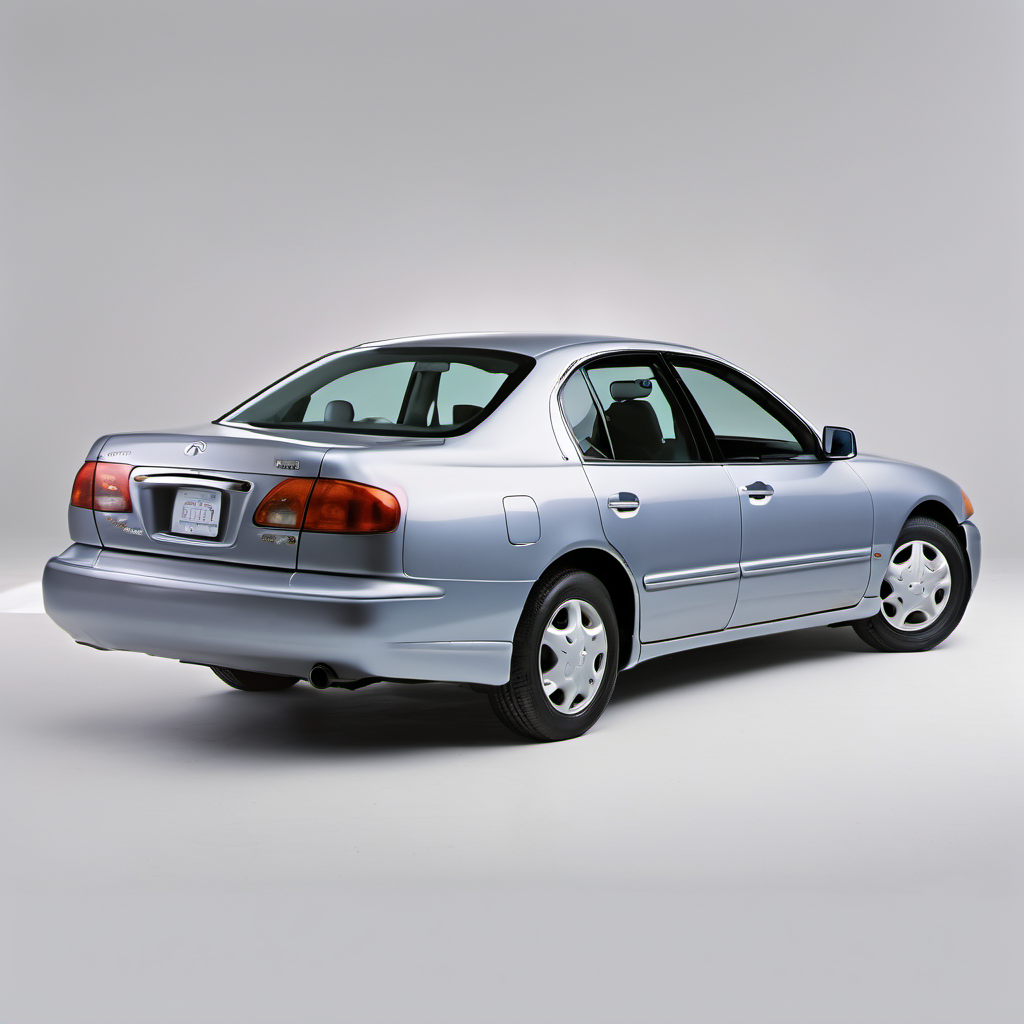
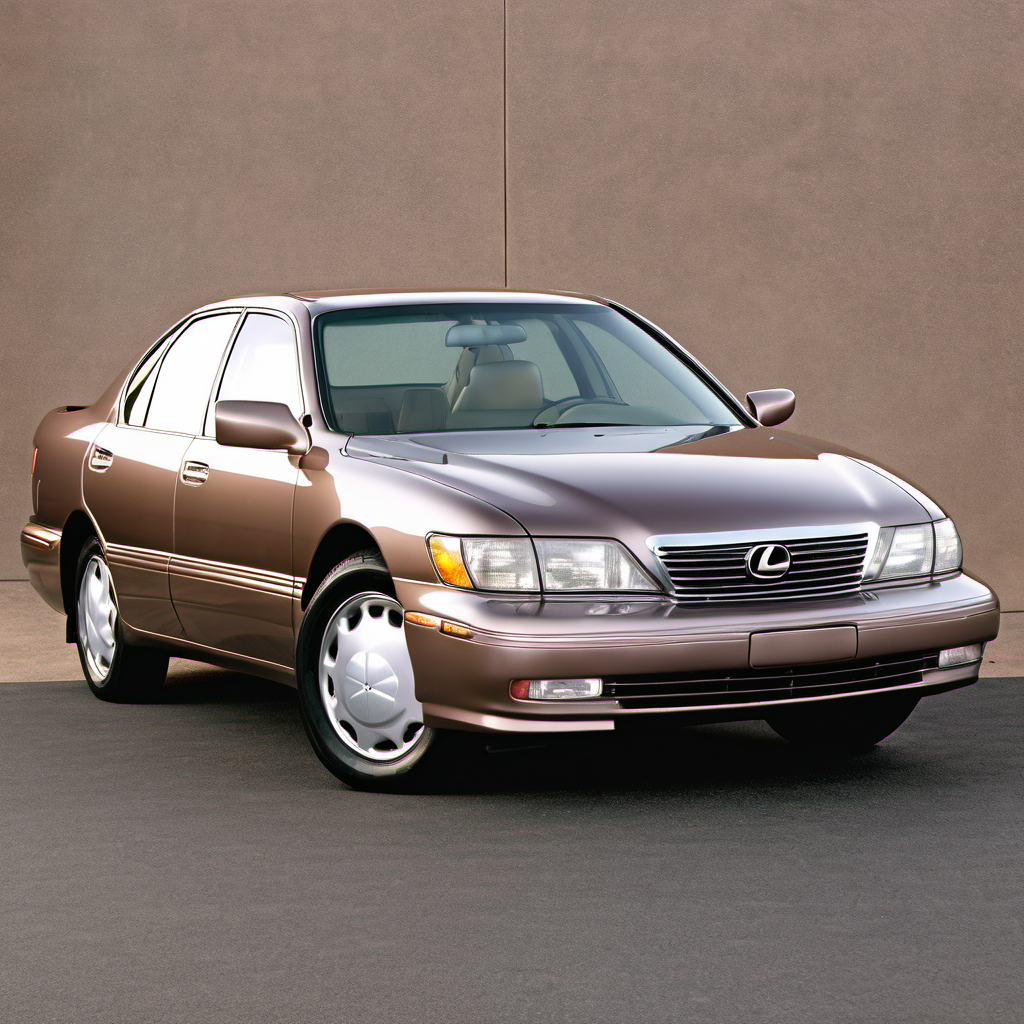
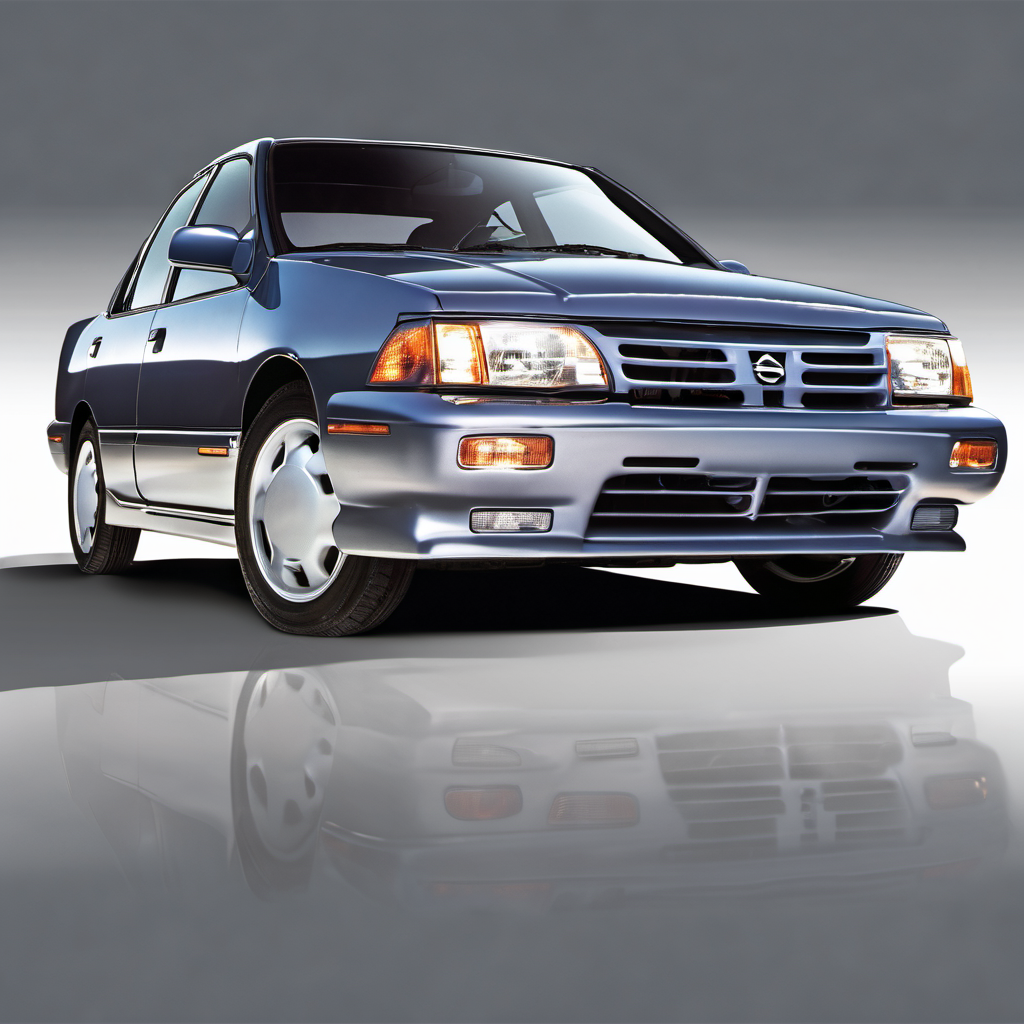
1995 INFINITI G Sedan

1995 INFINITI

GSedan

2.0L I4 (SR20DE) · Sedan

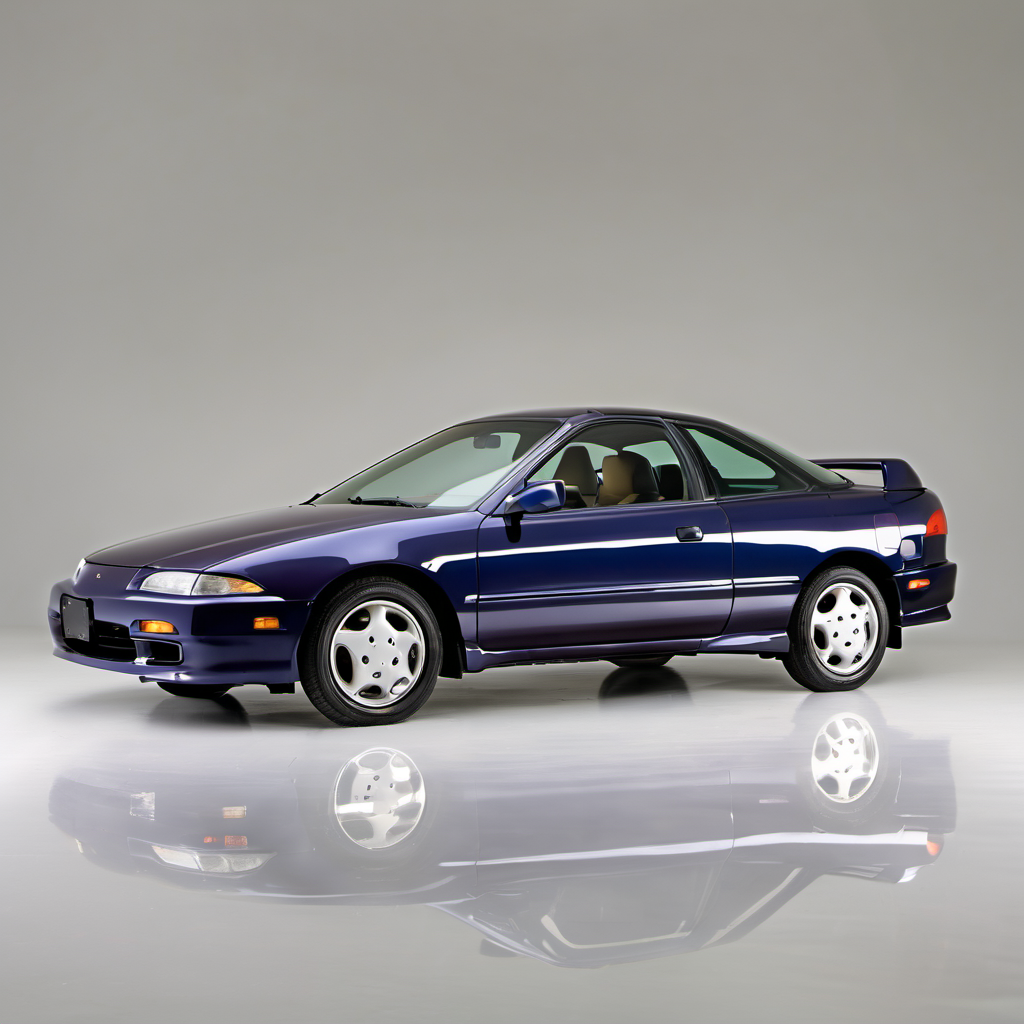
The 1995 INFINITI G20 is a compact luxury sedan built on Nissan's P10 platform, sharing its underpinnings with the Nissan Primera sold in other markets. It was powered by Nissan's proven 2.0L SR20DE inline-four and was positioned as an entry-level luxury alternative to the BMW 3 Series and Acura Integra. INFINITI sold the G20 from 1991–1996 before discontinuing it, then revived the nameplate in 2003 on a completely different platform. For a luxury compact of its era, the G20 offered a composed, European-style ride and a rev-happy engine that rewarded spirited driving. The interior was modest by luxury standards but well-screwed together, and the platform's relative simplicity keeps maintenance accessible and affordable today. At nearly 30 years old, surviving examples are rare. Most have accumulated significant miles and some degree of deferred maintenance. Rust is the primary enemy on Wisconsin roads — budget for a thorough underbody inspection before any purchase.

Reliability
3/5
Verified data
Engine
2.0L I4 (SR20DE)
Drivetrain
FWD
Fuel
Gasoline
MPG
24 city / 31 hwy / 27 combined
Seats
5
Doors
4
Body
Sedan
MSRP
$21,000

Overview

AI-curated

The 1995 INFINITI G20 is a compact luxury sedan built on Nissan's P10 platform, sharing its underpinnings with the Nissan Primera sold in other markets. It was powered by Nissan's proven 2.0L SR20DE inline-four and was positioned as an entry-level luxury alternative to the BMW 3 Series and Acura Integra. INFINITI sold the G20 from 1991–1996 before discontinuing it, then revived the nameplate in 2003 on a completely different platform. For a luxury compact of its era, the G20 offered a composed, European-style ride and a rev-happy engine that rewarded spirited driving. The interior was modest by luxury standards but well-screwed together, and the platform's relative simplicity keeps maintenance accessible and affordable today. At nearly 30 years old, surviving examples are rare. Most have accumulated significant miles and some degree of deferred maintenance. Rust is the primary enemy on Wisconsin roads — budget for a thorough underbody inspection before any purchase.

Known for
  • European-tuned suspension feel unusual for a 1990s luxury compact
  • Nissan SR20DE engine — a reliable, high-revving inline-four
  • Understated styling and modest but quality interior
  • Affordable entry into the 1990s Japanese luxury market
  • Shared Nissan mechanicals keeping parts accessible
Best for
  • Enthusiasts who enjoy a driver-focused compact sedan
  • Budget-conscious buyers who want a taste of 1990s luxury
  • Owners comfortable with DIY or independent-shop maintenance on older Nissans
Watch for
  • Heavy rust on floor pans, subframe, and fuel lines common in rust-belt states
  • Age-related rubber deterioration: coolant hoses, vacuum lines, bushings
  • Aging ignition distributors and fuel injectors at high mileage
  • Parts availability narrowing as the vehicle ages — some items are dealer-only or NOS
  • Odometer rollback common on vehicles this old — verify service history carefully

Common issues by mileage

6 known

Underbody and Floor Pan Rust

high
Typically appears
All mileages — age-driven
Estimated repair
$500 – $4,000

Distributor Failure / Ignition Misfires

high
Typically appears
100k+ mi
Estimated repair
$150 – $450

Coolant Hose and Thermostat Housing Leaks

high
Typically appears
All mileages — age-driven
Estimated repair
$100 – $350

Fuel Injector Clogging or Leaking

medium
Typically appears
80k–150k mi
Estimated repair
$200 – $600

Front Suspension Bushing Wear (Control Arm and Sway Bar)

high
Typically appears
80k+ mi
Estimated repair
$250 – $700

Aged Oxygen Sensor / Check Engine Light

medium
Typically appears
100k+ mi
Estimated repair
$100 – $300

Maintenance schedule

  1. 1
    Every 3,500–5,000 miles Engine oil and filter change

    The SR20DE thrives on fresh oil. At this age, use a quality conventional or synthetic 5W-30. Don't stretch intervals — it's the single biggest factor in engine longevity.

  2. 2
    Every 30,000 miles or 3 years Full cooling system flush and hose inspection

    30-year-old coolant hoses can look fine but be internally degraded. A blown hose in a Wisconsin winter or summer is a tow call. Replace hoses at any sign of softness or cracking.

  3. 3
    Every 60,000 miles Timing belt replacement

    The SR20DE is an interference engine — a snapped timing belt means bent valves and a very expensive repair. At this vehicle's age, replace it immediately if history is unknown.

  4. 4
    Every 30,000 miles Spark plugs and distributor cap/rotor inspection

    The distributor is a known weak point at high mileage. Fresh plugs and a healthy cap/rotor prevent misfires and hard starting, especially in cold Wisconsin winters.

  5. 5
    Every 2 years or when purchasing used Full brake inspection including lines and calipers

    Brake lines on Wisconsin-driven vehicles corrode from the inside out. Inspect for rust bubbling, especially at the rear axle and near the frame.

  6. 6
    Every fall (before first freeze) Battery load test and terminal cleaning

    A battery that barely passes in October will likely fail to start the car at -10°F in January. At 30 years old this car has had multiple batteries; test yours now.

  7. 7
    Every 30,000 miles Fuel filter replacement

    Old fuel tanks accumulate sediment. A clogged fuel filter causes hard starting and weak acceleration, and protecting the injectors on a 30-year-old car is cheap insurance.

  8. 8
    Annually or when purchasing used Underbody inspection for rust, especially subframe mounts and fuel lines

    Road salt in Lake Geneva and across southern Wisconsin is aggressive. Subframe rust can be a safety issue; rotted fuel lines are a fire risk. Catch it early.

Always defer to the manufacturer's service manual for warranty-mandated intervals.

Cost of ownership

Annual maintenance
$600 – $2,000
Fuel
Fuel costs are low by any standard — the SR20DE is efficient and runs on regular 87 octane. Expect roughly $1,200–$1,600/year at average Wisconsin driving distances and current gas prices.
Insurance
Insurance is typically very affordable — under $800/year for most adult drivers given the vehicle's low market value. Comprehensive coverage may not be cost-effective depending on the car's condition.

A well-maintained G20 is genuinely cheap to own day-to-day. The real financial wildcard is deferred maintenance on a 30-year-old car: a timing belt job, rust repair, or suspension refresh can each cost more than the car is worth on paper. Budget for surprises, especially in year one of ownership.
Seasonal care

Lake Geneva, WI
Winter
  • Switch to a 5W-30 full synthetic if not already — it flows better at sub-zero temperatures and makes cold starts much easier on this aging engine.
  • Load-test the battery before November. Cold cranking amps drop sharply below 0°F and a marginal battery will leave you stranded.
  • Inspect and top off wiper fluid with a rated -20°F or lower formula — Lake Geneva winters regularly hit those temps.
  • Check that the coolant mix is at least 50/50 antifreeze/water; test with a strip or refractometer, don't guess.
  • Inspect brake lines for rust and soft spots before winter — wet salt accelerates corrosion on lines this age.
  • Keep the gas tank at least half full to reduce moisture condensation in the fuel system and add weight over the front-wheel-drive axle.
Summer
  • Inspect the cooling system thoroughly — a 30-year-old radiator and aging hoses are most likely to fail under summer heat load.
  • Check tire pressure monthly; summer heat increases pressure and an already low tire can run dangerously hot.
  • Verify the A/C system holds a charge — the original R-134a system is old enough that seals and O-rings may be seeping. Recharging a leaking system without fixing the source is money wasted.
  • Check under the hood for heat-cracked vacuum lines and intake hoses, which become brittle in summer heat cycles.

Comparable vehicles

If you're shopping for one

Red flags
  • Any rust through the floor pan or visible at subframe mounts — walk away unless priced near zero
  • No service records and unknown timing belt history — the repair if it breaks will likely exceed the car's value
  • Oil that looks milky or coolant that smells like exhaust — head gasket failure on a 30-year-old engine is usually not worth fixing
  • Excessive blue smoke on startup or acceleration — worn valve seals or rings mean the engine is consuming oil
  • A salvage or rebuilt title — finding replacement body panels for a mid-1990s INFINITI G20 is genuinely difficult
  • Deferred maintenance on multiple systems simultaneously — a laundry list of known needs on a car this age rarely ends at the items already identified
What to inspect
  • Put the car on a lift and inspect every inch of the underbody — floor pans, subframe mounting points, fuel lines, and brake lines are all rust targets on Wisconsin-driven examples
  • Pull the timing belt cover or ask for documentation: the SR20DE is an interference engine and a belt with unknown history is a ticking clock
  • Start the engine cold and listen for ticking or rattling that quiets after warm-up — acceptable; ticking that persists may indicate valve train wear or low oil pressure
  • Check all four corners of the cooling system: radiator seams, upper and lower hoses, thermostat housing. Feel hoses for mushiness or brittleness
  • Test the A/C and heat fully — HVAC repairs on a 30-year-old vehicle are disproportionately expensive relative to the car's value
  • Check for oil leaks at the valve cover gasket and camshaft seals — common at this age and mileage
AI profile generated 4 days ago · claude-sonnet-4-6 · v2.