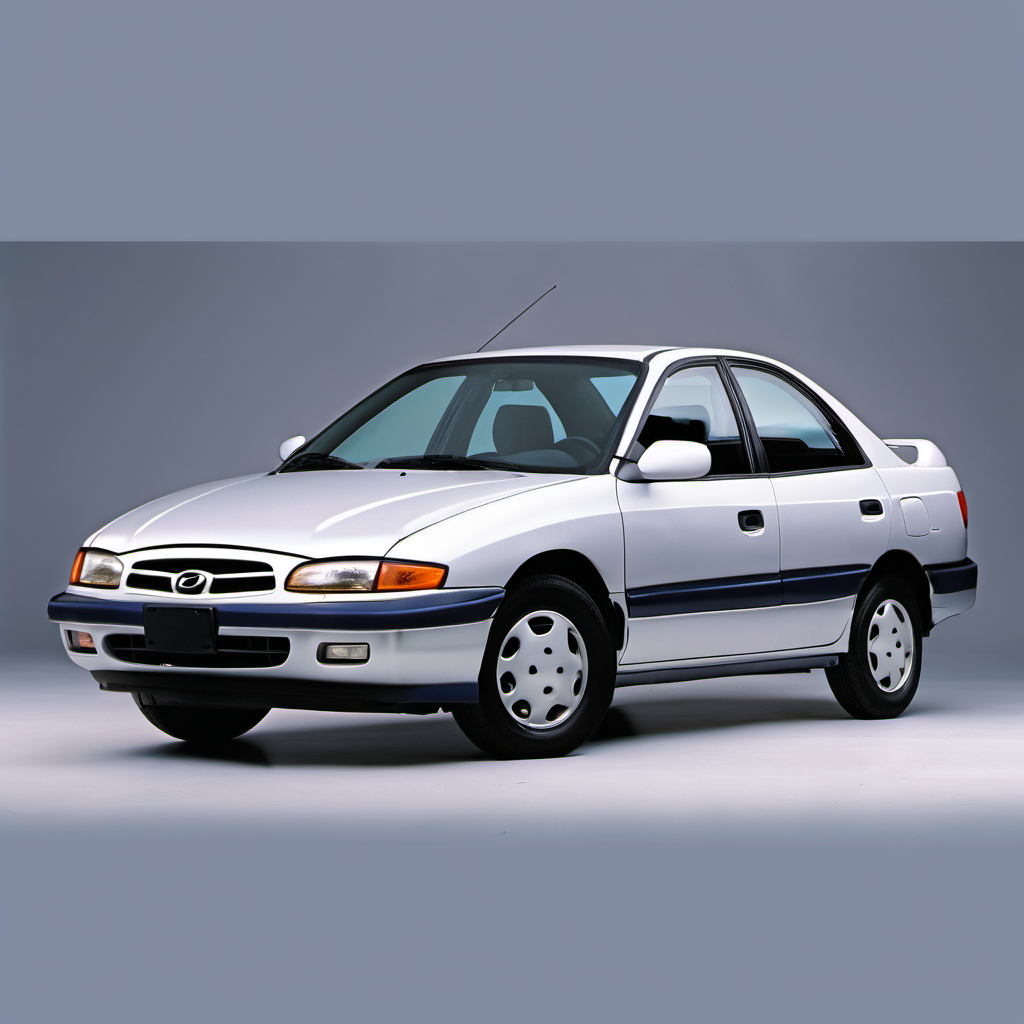
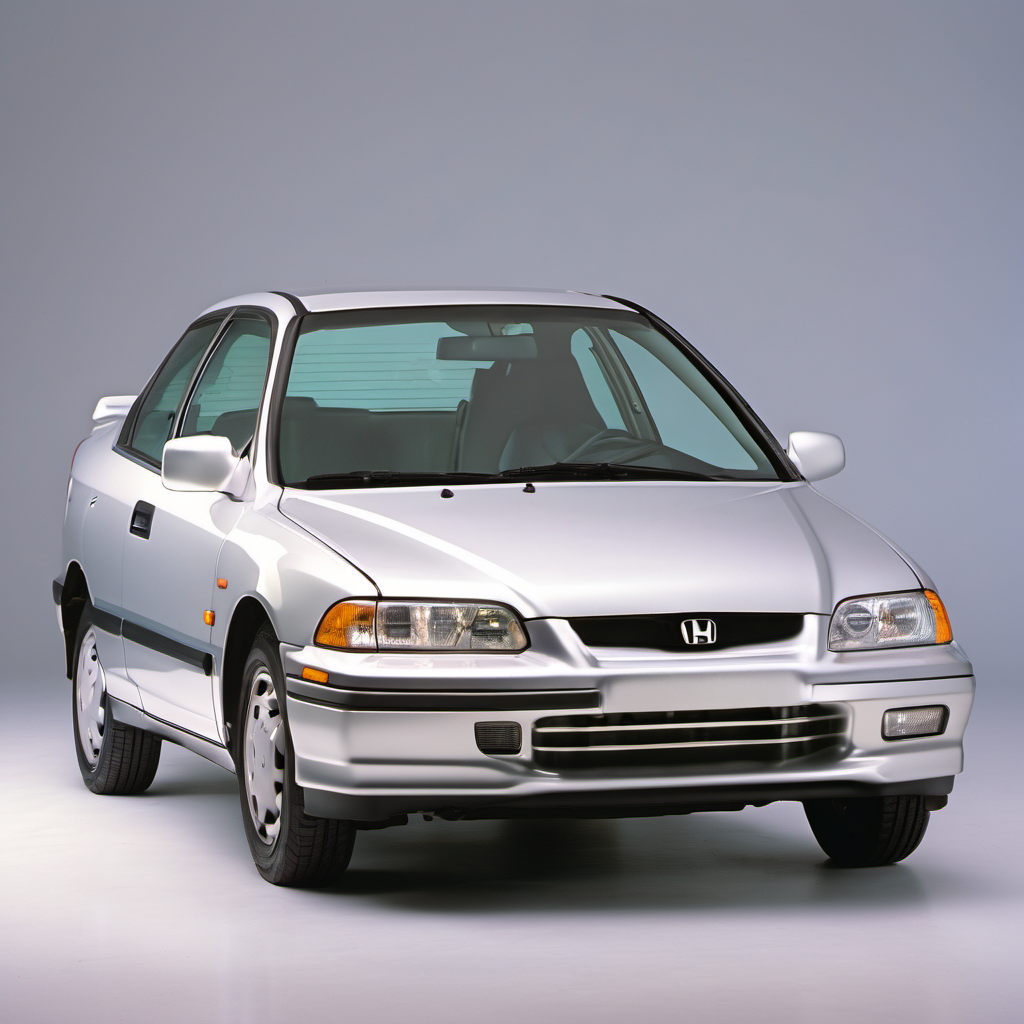
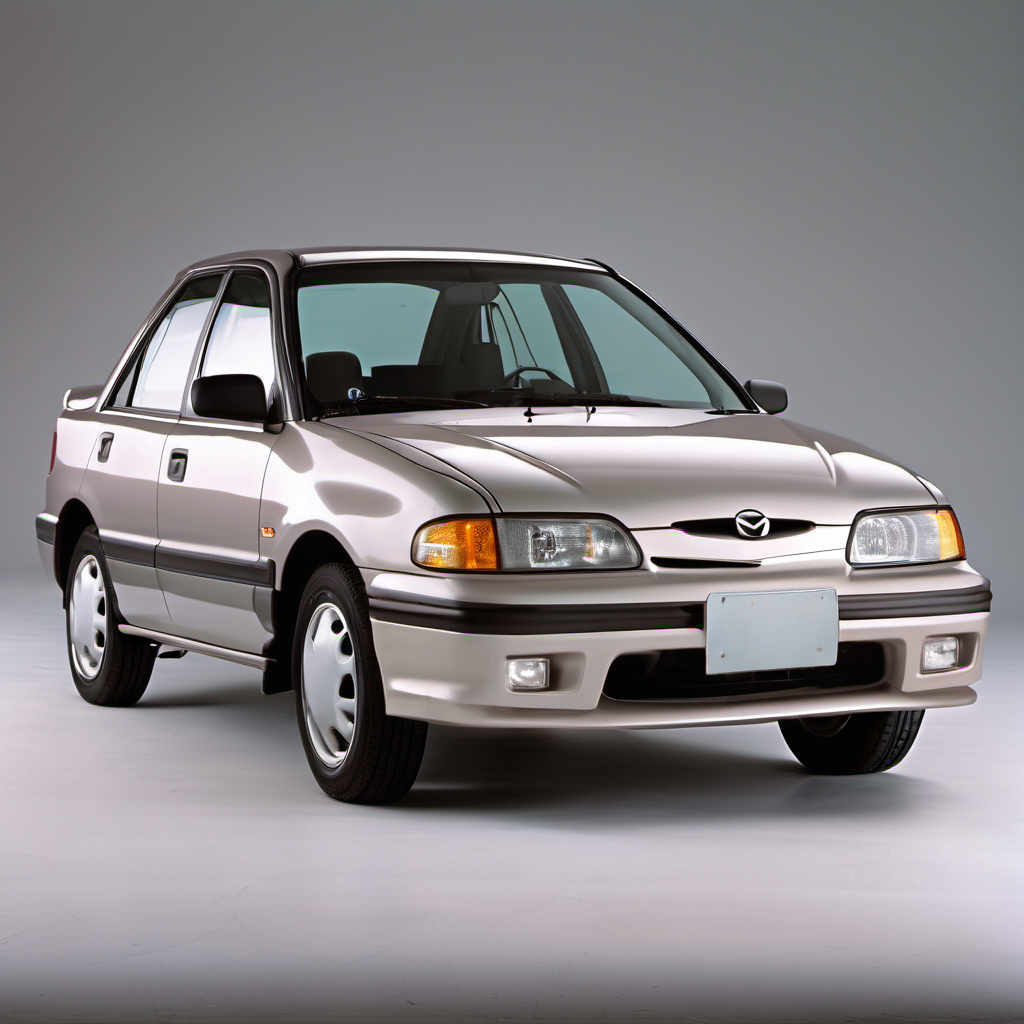
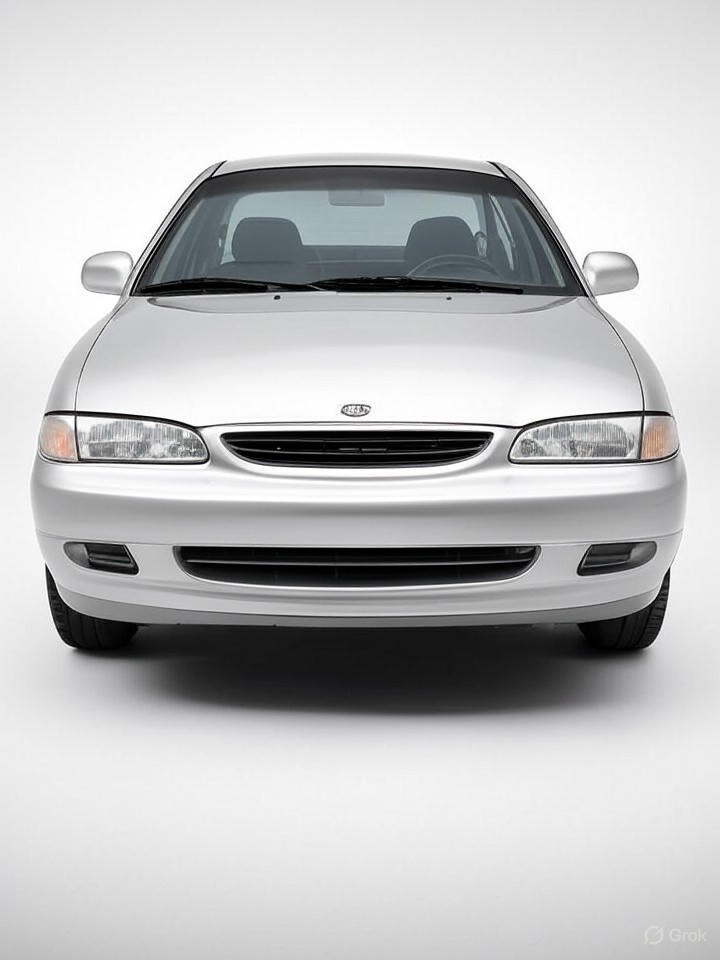
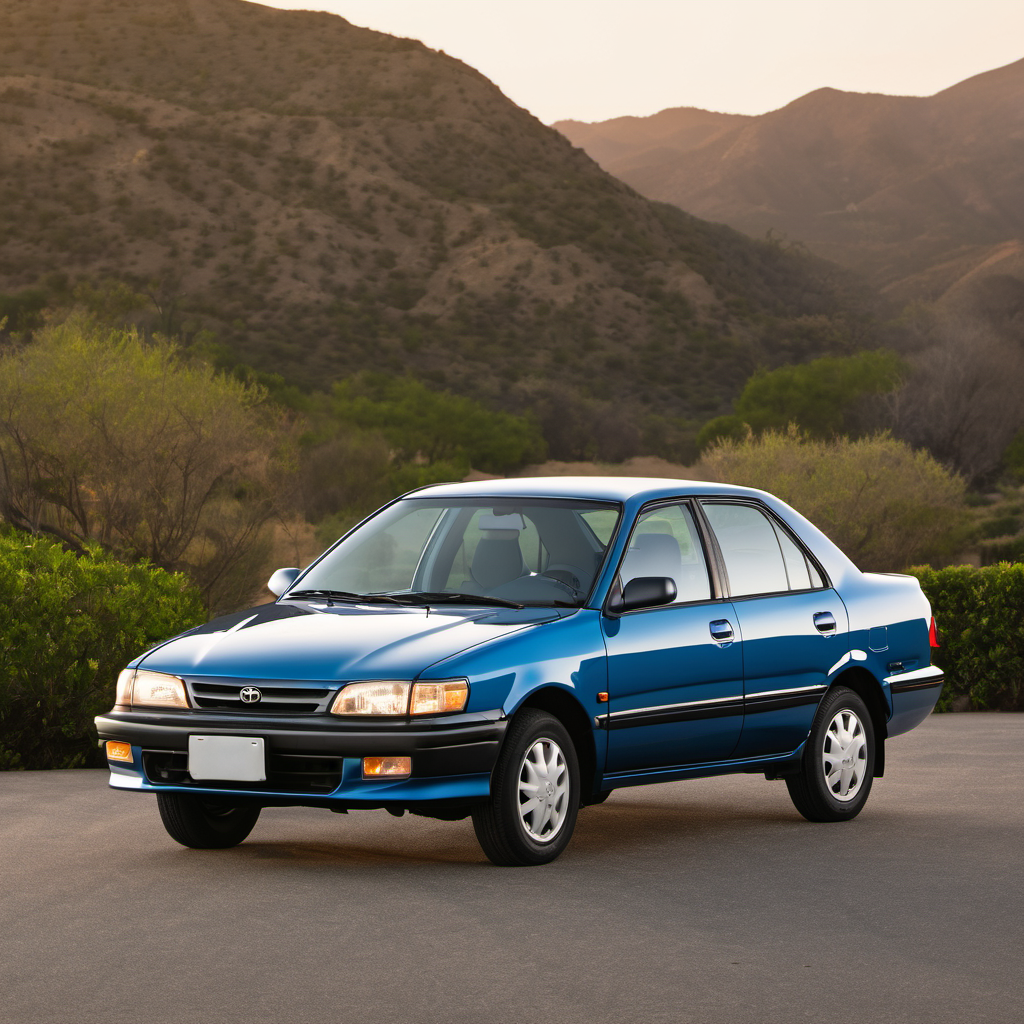
1995 Hyundai Elantra Sedan

1995 Hyundai

ElantraSedan

Sedan

The 1995 Hyundai Elantra is a first-generation (J2) compact sedan that represented Hyundai's push into the mainstream affordable car market. Powered by a 1.6L four-cylinder with multi-port fuel injection, it was built for straightforward, economical transportation — not performance or luxury. By 1995 standards it was competitive on price but lagged behind Japanese rivals in refinement and long-term durability. At nearly 30 years old, any surviving example is well into vintage territory. These cars were not engineered for six-figure mileage the way a contemporary Corolla or Civic might be, and most have long since been retired. A well-preserved, low-mileage survivor can still be a reliable daily driver if thoroughly inspected and brought up to date on deferred maintenance. For a Lake Geneva, WI owner, rust is the dominant concern. Wisconsin road salt is relentless, and the first-gen Elantra's body panels and subframe are particularly vulnerable. Expect significant corrosion on any example that spent its life in the upper Midwest.

Reliability
2/5
Verified data
Specs shown for Elantra — the most common configuration. Other trims may vary in engine, drivetrain, or fuel economy. Sign in to see your vehicle's exact specs.
Engine
[object Object]
Drivetrain
FWD
Fuel
Gasoline
MPG
19 city / 27 hwy / 22 combined
Seats
Doors
Body
Compact Cars

Overview

AI-curated

The 1995 Hyundai Elantra is a first-generation (J2) compact sedan that represented Hyundai's push into the mainstream affordable car market. Powered by a 1.6L four-cylinder with multi-port fuel injection, it was built for straightforward, economical transportation — not performance or luxury. By 1995 standards it was competitive on price but lagged behind Japanese rivals in refinement and long-term durability. At nearly 30 years old, any surviving example is well into vintage territory. These cars were not engineered for six-figure mileage the way a contemporary Corolla or Civic might be, and most have long since been retired. A well-preserved, low-mileage survivor can still be a reliable daily driver if thoroughly inspected and brought up to date on deferred maintenance. For a Lake Geneva, WI owner, rust is the dominant concern. Wisconsin road salt is relentless, and the first-gen Elantra's body panels and subframe are particularly vulnerable. Expect significant corrosion on any example that spent its life in the upper Midwest.

Known for
  • Very low purchase price — one of the most affordable cars of its era
  • Simple, easy-to-work-on 1.6L MPFI four-cylinder
  • Decent fuel economy for a mid-1990s economy sedan
  • Spartan interior with basic but functional controls
Best for
  • Budget-conscious commuters needing basic transportation
  • DIY mechanics comfortable with older, simple drivetrains
  • Short urban or suburban trips where reliability expectations are modest
  • Collectors preserving early Hyundai history
Watch for
  • Severe underbody and rocker panel rust on upper Midwest examples
  • Aged rubber: timing belt, coolant hoses, and CV boots are likely overdue
  • Weak original electrical connectors and wiring insulation after 30 years
  • Difficult or discontinued OEM parts availability

Common issues by mileage

6 known

Timing belt failure

high
Typically appears
Any mileage on a 30-year-old belt
Estimated repair
$250 – $500

Severe underbody rust (rocker panels, subframe, brake lines)

high
Typically appears
All mileages on WI/salt-belt cars
Estimated repair
$500 – $3,000

CV axle and CV boot deterioration

high
Typically appears
80k+ mi or any age on original boots
Estimated repair
$150 – $400

Coolant hose and thermostat housing failure

high
Typically appears
All mileages given vehicle age
Estimated repair
$100 – $300

Oxygen sensor failure (upstream heater circuit)

medium
Typically appears
80k–130k mi
Estimated repair
$100 – $250

Brake line and caliper corrosion

high
Typically appears
All mileages on salt-belt examples
Estimated repair
$300 – $900

Maintenance schedule

  1. 1
    Immediately if history is unknown; every 60k mi thereafter Timing belt and water pump replacement

    The 1.6L is an interference engine — a snapped belt causes catastrophic valve damage. At 30 years old, replace the belt regardless of mileage.

  2. 2
    Every 2 years or immediately on an unknown-history car Coolant flush and hose inspection

    Original rubber hoses are 30 years old and prone to sudden failure. Aged coolant also accelerates corrosion in the aluminum head.

  3. 3
    Every spring after winter season Full underbody rust inspection

    Wisconsin road salt aggressively attacks brake lines, fuel lines, and the subframe. Soft or perforated brake lines are a safety emergency.

  4. 4
    Every 30k mi or annually CV axle boots and joints inspection

    Torn boots let grease escape and grit in; a failed joint leaves you stranded. Replacement is inexpensive if caught early.

  5. 5
    Every 30k mi Spark plugs and ignition wires

    30-year-old plug wires become brittle and crack, causing misfires and hard starts — especially in cold Wisconsin winters.

  6. 6
    Every 3–4 years; test every fall Battery test and replacement

    Sub-zero temps expose marginal batteries instantly. A battery that starts fine in September may fail in January.

  7. 7
    Every 30k mi Fuel filter replacement

    30-year-old fuel systems accumulate tank sediment. A clogged filter causes hard starting and lean stumbles.

  8. 8
    Every 2 years Brake fluid flush

    Hygroscopic brake fluid absorbs moisture over time, lowering boiling point and accelerating caliper and line corrosion from the inside.

Always defer to the manufacturer's service manual for warranty-mandated intervals.

Cost of ownership

Annual maintenance
$600 – $2,000
Fuel
At 22 MPG combined and ~12,000 miles/year, expect roughly $1,400–$1,700/year at current Wisconsin fuel prices. Simple to budget.
Insurance
Liability-only insurance on a vehicle this age is typically $400–$700/year in the Lake Geneva area, depending on driver history. Full coverage rarely makes financial sense given the car's market value.

On paper the Elantra is cheap to own, but a 30-year-old example carries unpredictable repair costs — especially for rust remediation and aged rubber components. Budget the higher end of the maintenance range for the first year of ownership to bring deferred work current. Parts are inexpensive when available; the challenge is finding quality replacement parts for a vehicle this old.
Seasonal care

Lake Geneva, WI
Winter
  • Test battery in October — cold-cranking amps drop sharply in sub-zero temps and this engine needs a strong start to fire reliably
  • Switch to a full-synthetic 5W-30 oil before first hard freeze for easier cold starts and better cold-flow protection
  • Flush and mix washer fluid to at least -20°F rated concentrate; the reservoir and lines can crack if fluid freezes
  • Inspect and replace wiper blades with winter-style blades rated for heavy snow and ice
  • Rinse the underbody thoroughly after every significant road-salt event — this car's rust protection is minimal
  • Check antifreeze concentration with a tester; aim for protection to at least -34°F for Lake Geneva conditions
Summer
  • Inspect the A/C system — R-12 refrigerant (original spec) is no longer manufactured; confirm it has been converted to R-134a or budget for conversion
  • Check coolant level and condition; the 1.6L can run warm in stop-and-go summer heat, especially if the radiator is partially blocked
  • Inflate tires to spec after winter — cold-weather pressure loss often leaves tires underinflated heading into summer
  • Inspect serpentine and accessory belts for cracking; heat accelerates belt degradation on a 30-year-old car
  • Test the cooling fan operation — a failed fan relay or motor causes overheating at idle in summer traffic

Comparable vehicles

If you're shopping for one

Red flags
  • Any soft, bubbling, or perforated metal on the rockers or subframe — rust of that severity can make the car structurally unsafe and uneconomical to repair
  • Oil that is black and gritty or a milky appearance in the coolant reservoir (head gasket failure)
  • A timing belt that cannot be documented or that shows cracking and fraying on visual inspection
  • Smoke from the exhaust on a warm engine (blue = oil burning, white = coolant burning)
  • Any musty or wet smell inside the cabin — these cars are prone to weatherstrip failure and water intrusion leading to floor pan rust
  • Asking price above $3,000 — market value for a 1995 Elantra in good condition rarely justifies that; verify the price reflects the car's age and condition honestly
What to inspect
  • Jack up the car and inspect rocker panels, subframe mounting points, and brake/fuel lines for rust perforation — this is the single most important check on a Wisconsin-market example
  • Confirm the timing belt has been replaced recently; ask for documentation. If unknown, budget for immediate replacement before driving
  • Start the engine cold and listen for ticking or rattling — valve train noise on cold start can indicate sludge or oil starvation from infrequent changes
  • Check all rubber: CV boots, coolant hoses, vacuum lines, and fuel hose near the injector rail
  • Confirm the A/C refrigerant type — original R-12 systems need conversion to R-134a and the cost should be factored into your offer
  • Test all electrical: windows, locks, gauges, and lights. Aged wiring harnesses on these cars develop resistance faults and intermittent failures
AI profile generated 4 days ago · claude-sonnet-4-6 · v2.