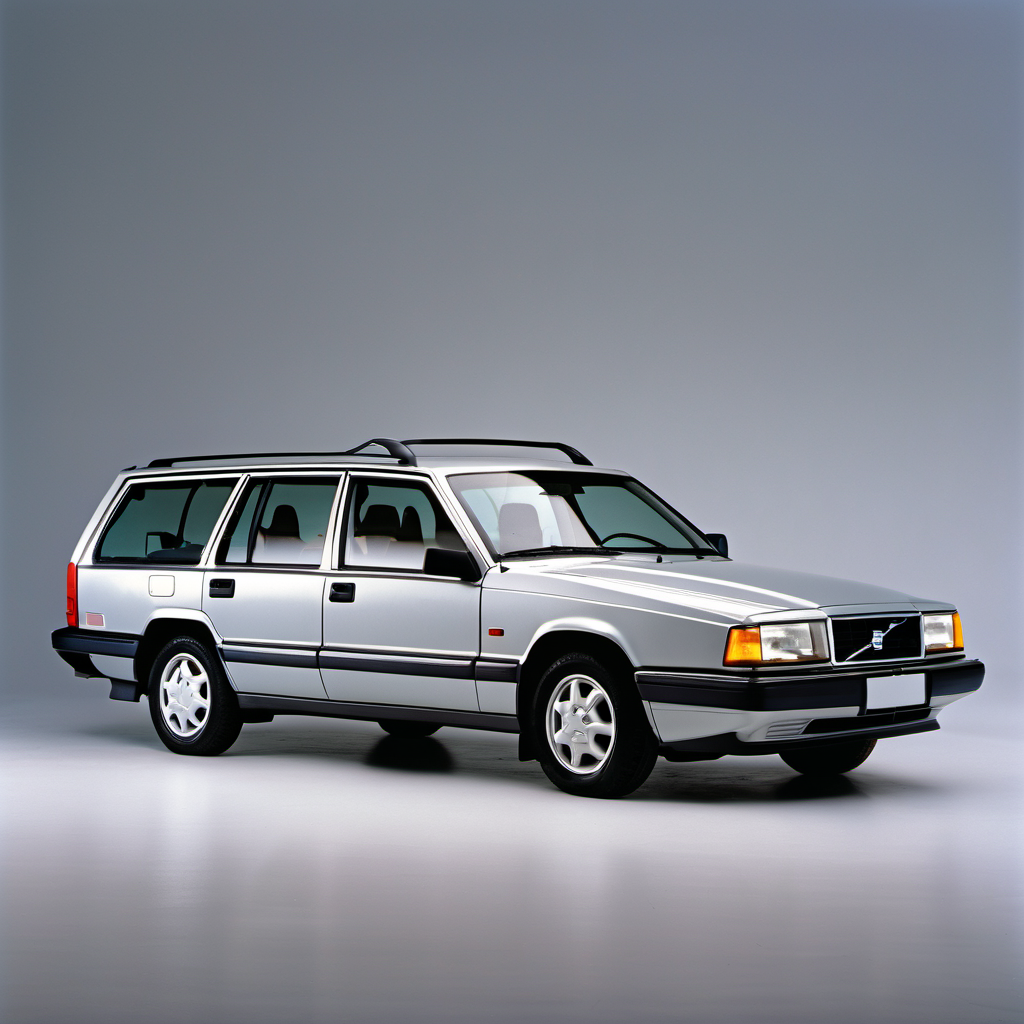
1994 Volvo 940 Sedan

1994 Volvo

940Sedan

Sedan

The 1994 Volvo 940 is a rear-wheel-drive, turbocharged four-cylinder sedan that represents the tail end of Volvo's long-running 700/900 series. It's a boxy, brick-solid Swede built on a platform Volvo refined over more than a decade — which is either its greatest strength or its limitation depending on what you're looking for. The turbocharged B230FT engine is legendary for durability when maintained; neglected examples can be expensive to sort out. The 940 was Volvo's core family sedan before the brand pivoted to the rounder 850/S70 era. It seats five, has a proper trunk, and rides on a fully independent front / live-axle rear suspension that's simple and repairable. The turbo version delivers brisk-enough performance without the complexity of later VVT engines. At 30+ years old, every 940 on the road today is a used purchase, and condition varies wildly. A well-maintained example with documented service history is a genuinely reliable daily driver. A neglected one is a money pit. Know which one you're buying before you commit.

Reliability
3/5
Verified data
Specs shown for 940 — the most common configuration. Other trims may vary in engine, drivetrain, or fuel economy. Sign in to see your vehicle's exact specs.
Engine
[object Object]
Drivetrain
RWD
Fuel
Gasoline
MPG
17 city / 22 hwy / 19 combined
Seats
Doors
Body
Midsize Cars

Overview

AI-curated

The 1994 Volvo 940 is a rear-wheel-drive, turbocharged four-cylinder sedan that represents the tail end of Volvo's long-running 700/900 series. It's a boxy, brick-solid Swede built on a platform Volvo refined over more than a decade — which is either its greatest strength or its limitation depending on what you're looking for. The turbocharged B230FT engine is legendary for durability when maintained; neglected examples can be expensive to sort out. The 940 was Volvo's core family sedan before the brand pivoted to the rounder 850/S70 era. It seats five, has a proper trunk, and rides on a fully independent front / live-axle rear suspension that's simple and repairable. The turbo version delivers brisk-enough performance without the complexity of later VVT engines. At 30+ years old, every 940 on the road today is a used purchase, and condition varies wildly. A well-maintained example with documented service history is a genuinely reliable daily driver. A neglected one is a money pit. Know which one you're buying before you commit.

Known for
  • Exceptional passive safety and structural rigidity
  • Long-lived B230 engine with proper maintenance
  • Simple, mechanic-friendly design compared to modern cars
  • Rear-wheel drive in a sedan — unusual for the segment
  • Parts availability still solid through Volvo specialists
Best for
  • Enthusiasts who enjoy maintaining older European cars
  • Buyers wanting a safe, characterful daily driver on a budget
  • DIY mechanics comfortable with early-90s European diagnostics
  • Collectors preserving late Volvo brick-era vehicles
Watch for
  • Rust — especially rocker panels, rear wheel arches, and floor pans on Midwest cars
  • Deferred maintenance on turbo oiling and cooling systems
  • Age-hardened rubber: hoses, bushings, seals all need attention
  • Electrical gremlins from aging wiring harnesses and connectors
  • Expensive dealer parts — source through Volvo specialists to control costs

Common issues by mileage

6 known

Turbocharger oil feed and seal failure

high
Typically appears
100–180k mi
Estimated repair
$600 – $1,800

Flame trap (crankcase ventilation) clogging

high
Typically appears
60–120k mi
Estimated repair
$80 – $250

Cooling system hose and O-ring failures (upper/lower radiator hoses, thermostat housing)

high
Typically appears
Any age — rubber hardens past 10 years
Estimated repair
$150 – $500

Oxygen sensor failure / degraded heater circuit

medium
Typically appears
80–150k mi
Estimated repair
$150 – $400

Rear main seal and valve cover gasket oil leaks

medium
Typically appears
100k+ mi
Estimated repair
$200 – $700

Front suspension bushings and ball joints wear (front strut rod bushings especially)

medium
Typically appears
80–150k mi
Estimated repair
$250 – $800

Maintenance schedule

  1. 1
    Every 5,000 miles or 6 months — do not stretch on a turbo engine Engine oil and filter change — use a quality conventional or synthetic 5W-40

    The B230FT's turbo bearings are oil-fed. Extended intervals accelerate turbo wear and coke oil in the feed line. This is the single most important interval on this car.

  2. 2
    Every drive — let the engine idle 1–2 minutes after hard driving before shutting off Turbo cool-down idle before shutdown

    Prevents heat soak from cooking oil in the turbo bearing housing, which is the primary cause of premature turbo failure on the B230FT.

  3. 3
    Every 30,000 miles or at first sign of oil leaks or rough idle Replace flame trap (crankcase ventilation valve)

    The 940's flame trap clogs with oil vapor residue and creates crankcase pressure, forcing oil past seals. A $20 part that causes $500+ in gasket damage if ignored.

  4. 4
    Every 60,000 miles or every 5 years — whichever comes first Inspect and replace cooling system hoses, clamps, and thermostat

    Original or aged hoses on a 30-year-old car are a roadside failure waiting to happen. A preventive coolant system service is cheap insurance against overheating a turbo engine.

  5. 5
    Every 30,000 miles Transmission fluid change (AW71 automatic)

    Volvo's AW71 4-speed is durable but responds poorly to neglected fluid. Use Dexron III or a specified equivalent; avoid flushing machines on high-mileage units — drain and fill only.

  6. 6
    Every 50,000 miles — non-negotiable on the B230 Inspect timing belt and tensioner

    The B230 is an interference engine. A snapped timing belt destroys the head. This is one of the most critical scheduled items on this vehicle.

  7. 7
    Every 2 years regardless of mileage Brake fluid flush

    Glycol-based brake fluid absorbs moisture over time, lowering its boiling point. On a 30-year-old car this is especially important as the ABS modulator and calipers are difficult to replace.

  8. 8
    Every 30,000 miles or 3 years Inspect serpentine and accessory belts plus idler/tensioner pulleys

    Age-cracked belts are a common failure point on these. A stranded 940 in a Wisconsin winter is a bad situation.

Always defer to the manufacturer's service manual for warranty-mandated intervals.

Cost of ownership

Annual maintenance
$800 – $2,500
Fuel
At 19 MPG combined and typical Wisconsin driving, expect roughly $2,000–$2,600/year at current gas prices depending on miles driven.
Insurance
Generally inexpensive to insure as a 30-year-old sedan with modest market value — expect $600–$1,100/year for full coverage depending on driver profile.

A well-maintained 940 is one of the cheaper European cars to own — parts are available and the engine is simple. The catch is that at 30 years old, deferred items pile up fast and several (turbo, timing belt, cooling system) are expensive if they fail rather than being serviced proactively. Budget $1,000–$1,500 up front for a used purchase inspection and any obvious catch-up maintenance. After that, routine costs are modest if you stay ahead of the flame trap, oil changes, and timing belt.

Seasonal care

Lake Geneva, WI
Winter
  • Undercarriage wash every 2 weeks during salting season — the 940's rear wheel arches and rocker panels are rust magnets and road salt will accelerate existing rust rapidly
  • Switch to 5W-40 full synthetic if using conventional oil — thinner cold-start viscosity protects turbo bearings during sub-zero morning starts
  • Let the engine warm at idle for 60–90 seconds before driving in temps below 10°F — lets oil fully circulate to the turbo before loading the engine
  • Check battery condition before November — a 30-year-old charging system and a marginal battery will leave you stranded at -10°F
  • Use winter-rated washer fluid rated to at least -20°F; the 940's reservoir and lines are exposed and will freeze with standard fluid
  • Inspect rubber brake lines and fuel lines for cracking — cold temps accelerate failures in aged rubber
Summer
  • Check coolant concentration and overflow tank level monthly — the 940 runs warm in traffic and an aging cooling system is vulnerable to summer heat
  • Inspect A/C compressor belt and check refrigerant charge — original R-134a retrofit or converted R-12 systems may need attention on a car this age
  • Check tire pressure every 2 weeks — ambient temperature swings of 40°F between Wisconsin spring nights and July afternoons can shift pressure by 4–6 PSI
  • After hard highway driving, idle the engine 1–2 minutes before shutdown — heat soak into a stationary turbo is worse in summer temperatures

Comparable vehicles

1994 Mercedes-Benz
E320

Same era European luxury sedan with RWD, similar safety reputation, comparable used market pricing. More complex and more expensive to maintain, but a direct segment peer.

No catalog match
1994 BMW
525i

RWD European sedan with a similarly loyal enthusiast following. Sportier to drive, but parts and maintenance costs run higher. Good alternative if performance matters more than simplicity.

No catalog match
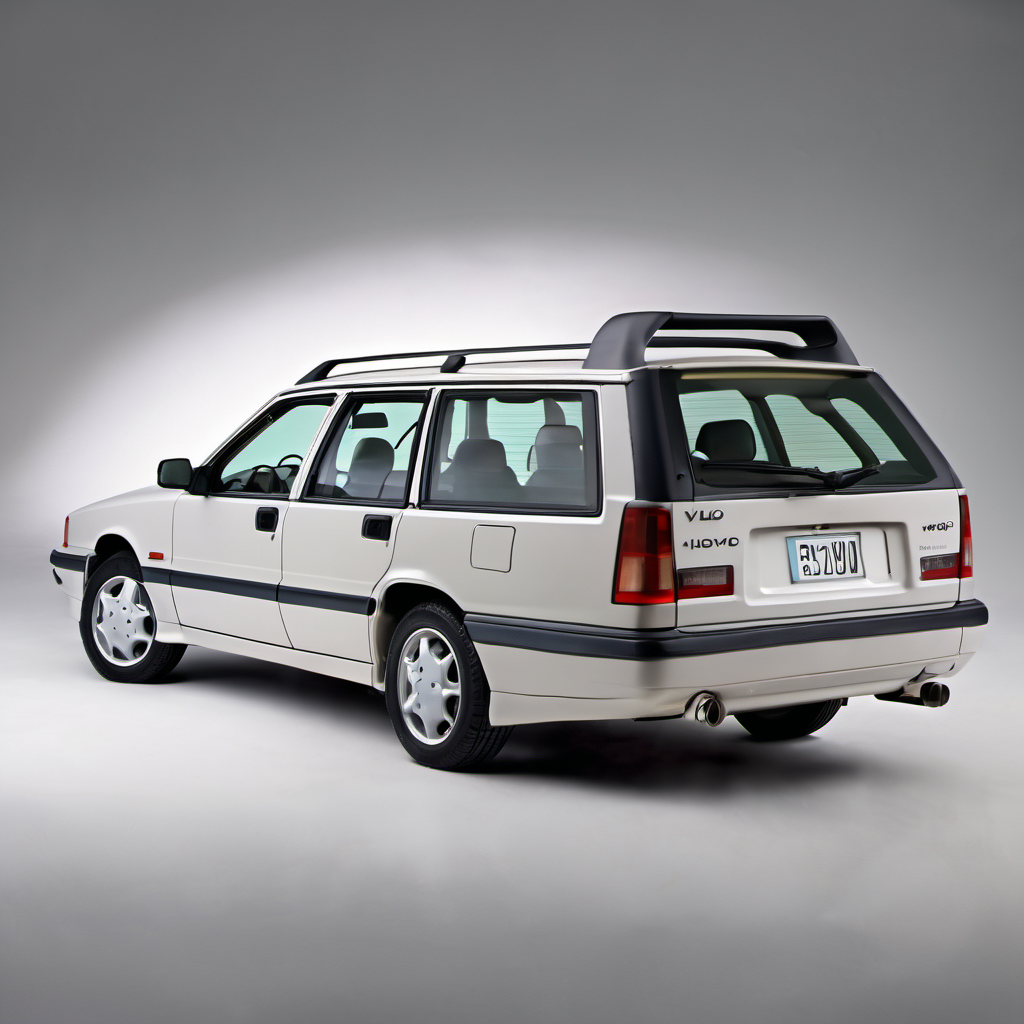
1994 Volvo 850
1994 Volvo
850

Volvo's concurrent FWD model with a more modern platform and interior. Less characterful but mechanically more refined. Worth comparing if RWD isn't a priority.
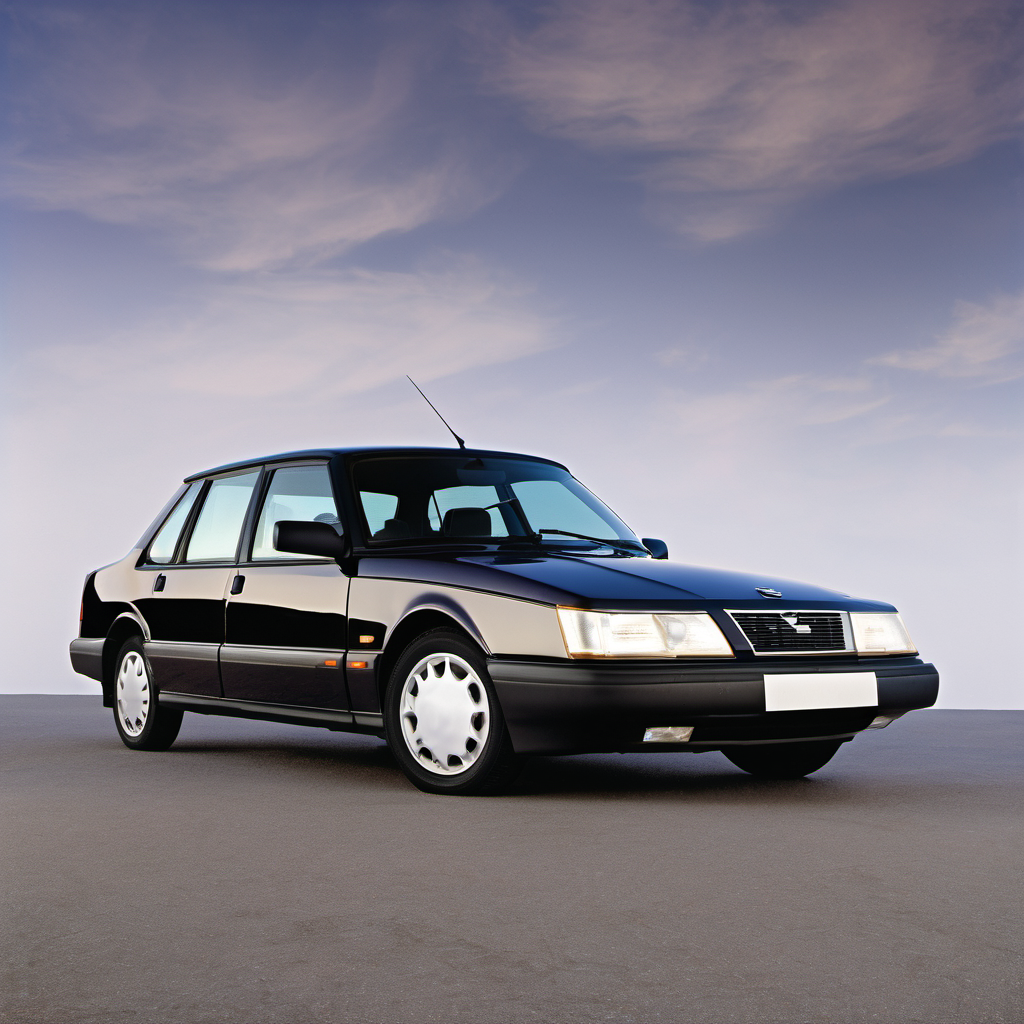
1995 Saab 9000
1995 Saab
9000

Another Swedish turbocharged sedan from the same era with a strong safety focus. FWD, more tech-forward, but similarly niche parts sourcing at this age.

If you're shopping for one

Red flags
  • Any rust perforation in the floor or rocker panels — structural rust on a unibody is a deal-breaker
  • Blue smoke at idle or under boost — turbo is failing or engine has worn rings
  • Unknown or missing timing belt history on a high-mileage car
  • Coolant that looks brown or oily — signs of head gasket issues or severe neglect
  • Automatic transmission that slips, hunts gears, or refuses to engage overdrive
  • Seller can't produce any maintenance records — on a 30-year-old car, no history means assume everything is overdue
What to inspect
  • Rocker panels, rear wheel arches, floor pans, and spare tire well for rust — this is the #1 killer of Midwest 940s
  • Undercarriage for evidence of prior rust repair, body filler, or undercoating used to hide rot
  • Turbo for shaft play, oil leaks at the inlet/outlet, and blue smoke on cold start or hard acceleration
  • Cooling system: squeeze the hoses — any that feel hard, cracked, or spongy need immediate replacement
  • Timing belt service history — if unknown, budget for immediate replacement before driving
  • Flame trap condition — pull the oil cap at idle; excessive crankcase pressure means it's overdue
  • Transmission shift quality through all gears including overdrive lockup on the highway
AI profile generated 4 days ago · claude-sonnet-4-6 · v2.