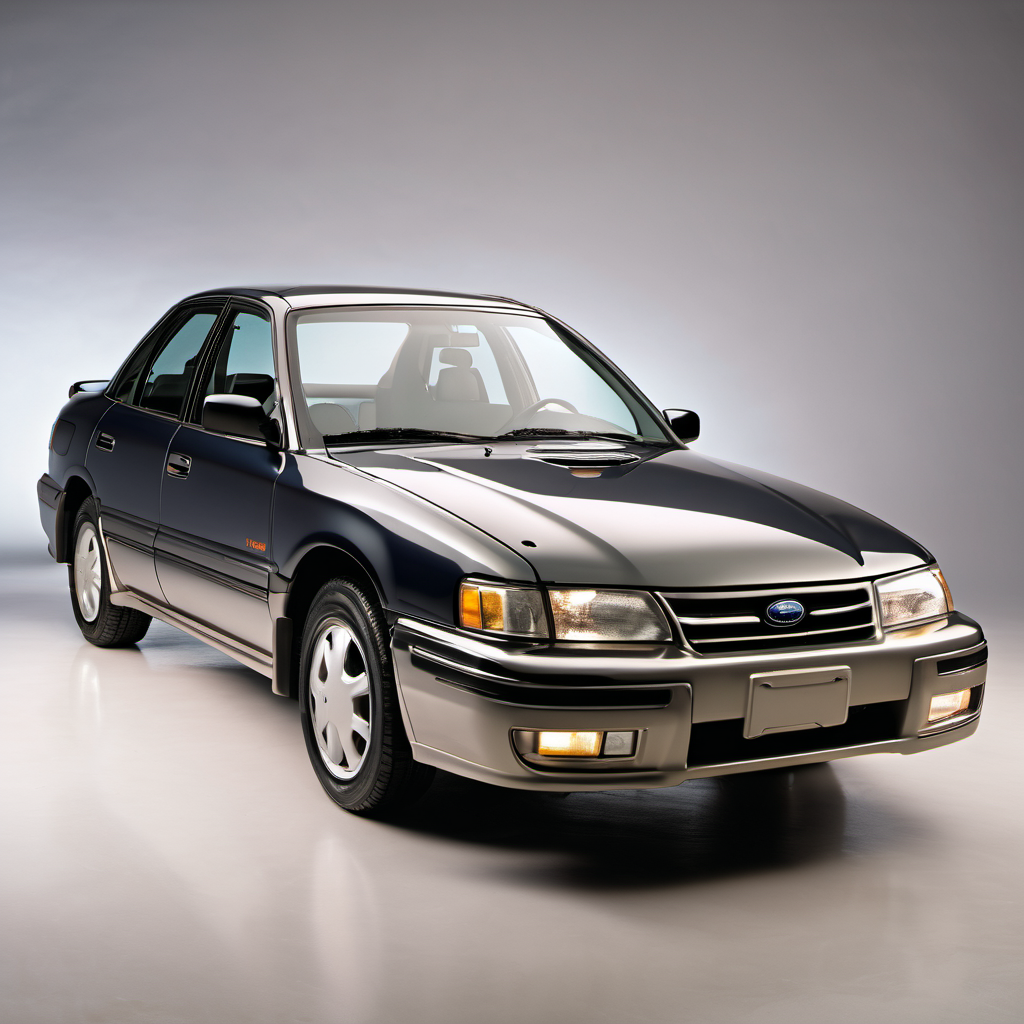
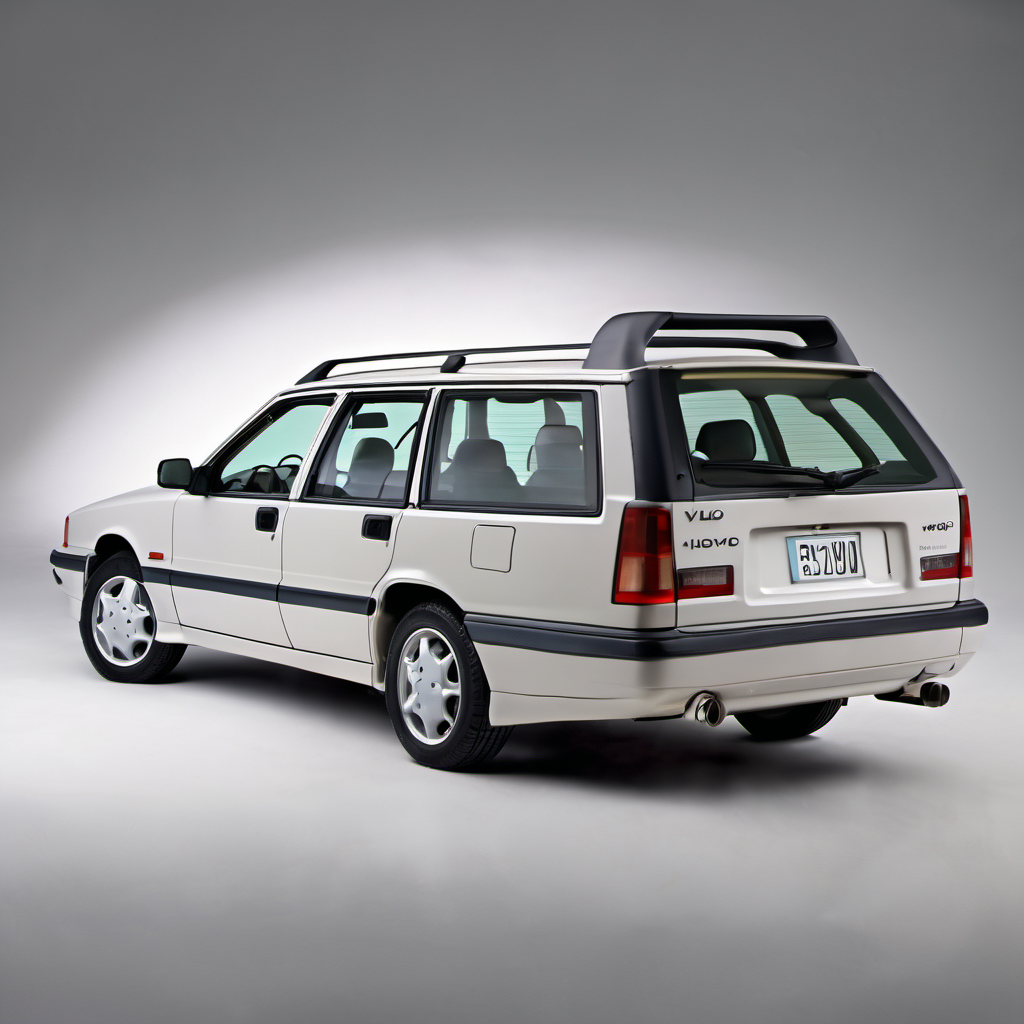
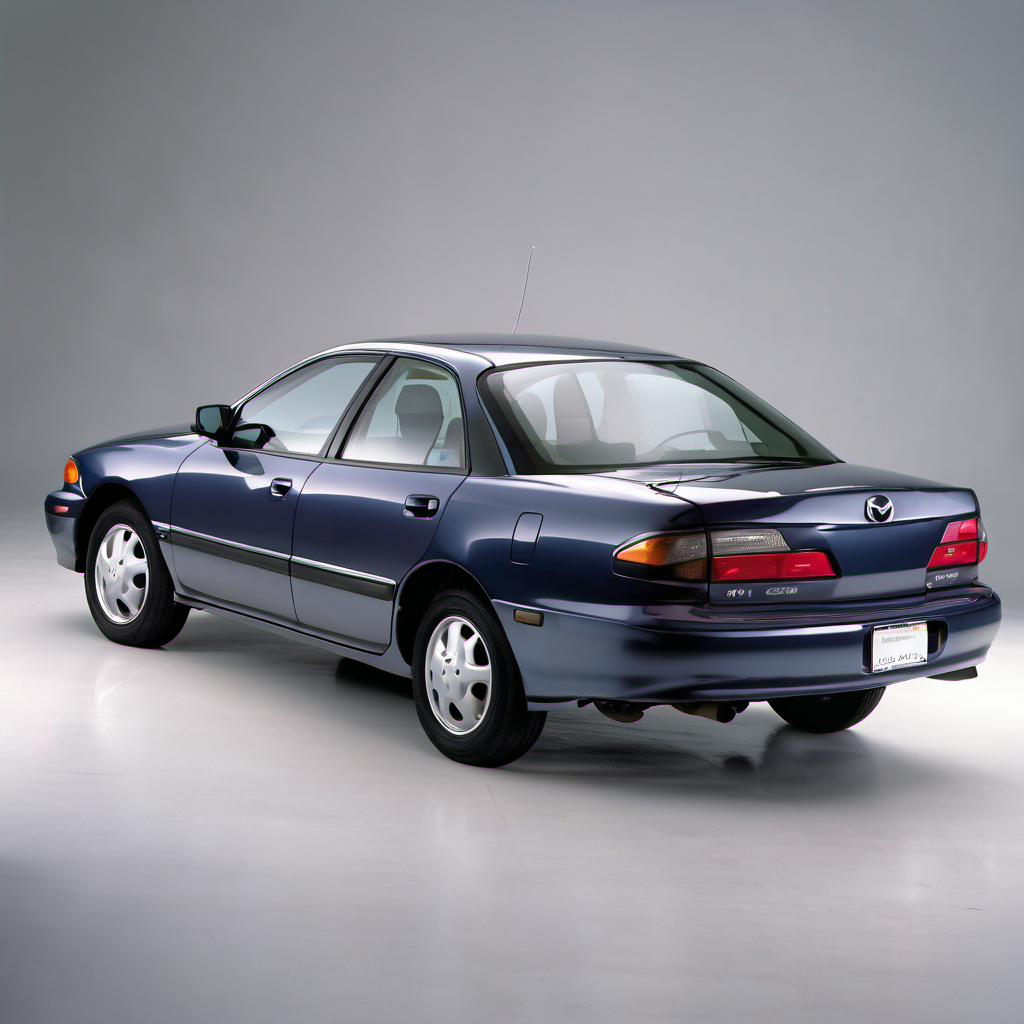
1994 Subaru Legacy Sedan

1994 Subaru

LegacySedan

2.2L H4 (EJ22) · Sedan

The 1994 Subaru Legacy Sedan is a second-generation (1990–1994) compact family sedan that helped establish Subaru's identity in North America. Its standard all-wheel drive at a time when most competitors offered FWD or optional 4WD gave it a unique value proposition, especially in snow-belt markets like Wisconsin. Power comes from a 2.2L EJ22 flat-four — an engine known for durability when maintained properly. The Legacy in this era was a competent, no-frills family hauler. Ride quality, interior space, and fuel economy were all middle-of-the-road, but the AWD confidence in winter conditions was genuinely class-leading. Subaru was still refining its head gasket formulations during this period, but the EJ22 in the '94 Legacy fared significantly better than the EJ25 engines that followed. At 30+ years old, virtually every surviving example is a high-mileage car. Expect to budget for age-related rubber, seals, and cooling system components regardless of mileage. A well-kept '94 Legacy can still be a reliable daily driver, but deferred maintenance is common at this age and should be a primary focus during any purchase inspection.

Reliability
3/5
Verified data
Engine
2.2L H4 (EJ22)
Drivetrain
AWD
Fuel
Gasoline
MPG
22 city / 28 hwy / 24 combined
Seats
5
Doors
4
Body
Sedan
MSRP
$15,495

Overview

AI-curated

The 1994 Subaru Legacy Sedan is a second-generation (1990–1994) compact family sedan that helped establish Subaru's identity in North America. Its standard all-wheel drive at a time when most competitors offered FWD or optional 4WD gave it a unique value proposition, especially in snow-belt markets like Wisconsin. Power comes from a 2.2L EJ22 flat-four — an engine known for durability when maintained properly. The Legacy in this era was a competent, no-frills family hauler. Ride quality, interior space, and fuel economy were all middle-of-the-road, but the AWD confidence in winter conditions was genuinely class-leading. Subaru was still refining its head gasket formulations during this period, but the EJ22 in the '94 Legacy fared significantly better than the EJ25 engines that followed. At 30+ years old, virtually every surviving example is a high-mileage car. Expect to budget for age-related rubber, seals, and cooling system components regardless of mileage. A well-kept '94 Legacy can still be a reliable daily driver, but deferred maintenance is common at this age and should be a primary focus during any purchase inspection.

Known for
  • Standard AWD traction in all weather conditions
  • Durable 2.2L EJ22 flat-four engine
  • Practical sedan packaging with a functional trunk
  • Surprisingly capable in deep snow for a road car
Best for
  • Budget-conscious Wisconsin winter commuters
  • Buyers wanting AWD without SUV fuel costs
  • DIY owners comfortable with basic maintenance
  • Rural drivers needing all-season confidence
Watch for
  • Rust — floor pans, frame rails, and rocker panels are all high-risk on 30-year-old Midwestern cars
  • Worn or leaking head gaskets (less common on EJ22 than EJ25, but still possible at high miles)
  • Degraded timing belt — it's an interference engine and a snapped belt means engine damage
  • AWD system wear: center differential and rear differential seals commonly leak with age
  • Coolant system neglect — cracked hoses, failing thermostat, and weak radiators are age-typical

Common issues by mileage

6 known

Timing Belt Failure

high
Typically appears
60k+ mi (every 60k mi interval)
Estimated repair
$350 – $600

Head Gasket Seepage / Failure

medium
Typically appears
100k–180k mi
Estimated repair
$900 – $1,800

Rear Differential and Center Diff Seal Leaks

high
Typically appears
80k+ mi
Estimated repair
$150 – $450

Coolant Hoses and Thermostat Deterioration

high
Typically appears
Any mileage over 15 years old
Estimated repair
$100 – $300

Oxygen Sensor Heater Circuit Failure

medium
Typically appears
80k–150k mi
Estimated repair
$120 – $280

Rust — Floor Pans, Rocker Panels, Subframe

high
Typically appears
Any — age and salt exposure driven
Estimated repair
$500 – $3,000

Maintenance schedule

  1. 1
    Every 60,000 miles or at purchase if unknown Replace timing belt, water pump, and tensioner as a kit

    The EJ22 is an interference engine — a snapped belt causes piston-to-valve contact and destroys the engine. On a 30-year-old car, belt age matters as much as mileage.

  2. 2
    Every 30,000 miles or 2 years Flush and replace coolant

    Degraded coolant accelerates head gasket and radiator failure on the flat-four. Use only Subaru-compatible (phosphate-free) coolant.

  3. 3
    Every 3,000–5,000 miles Oil change with quality conventional or full-synthetic 5W-30

    Clean oil is the single biggest factor in EJ22 longevity. Sludge accelerates cam seal and head gasket failure.

  4. 4
    Every 30,000 miles or at purchase Inspect and replace all coolant hoses and radiator cap

    Original rubber hoses on a 30-year-old car are at end of life regardless of appearance. A hose failure on a cold Wisconsin morning can strand you and overheat the engine.

  5. 5
    Every 30,000 miles Replace differential fluids (front, rear, center)

    AWD systems depend on matched viscosity fluid in all three differentials. Neglect causes binding, wear, and expensive diff rebuilds.

  6. 6
    Every 2 years or before winter Test and replace battery if needed

    Wisconsin winters are hard on batteries. A battery more than 4 years old is a liability when temperatures drop below 0°F.

  7. 7
    Annually Inspect undercarriage for rust — floor pans, frame rails, rocker panels, brake lines

    30 years of road salt exposure in the Midwest is the #1 threat to this car's structural integrity and safety. Rust on brake lines is a failure mode, not just cosmetic.

  8. 8
    Every 60,000 miles Replace spark plugs and inspect ignition wires

    Worn plugs and cracked ignition wires cause misfires and rough cold starts — especially noticeable in sub-zero Wisconsin winters.

Always defer to the manufacturer's service manual for warranty-mandated intervals.

Cost of ownership

Annual maintenance
$600 – $1,800
Fuel
Expect roughly $1,400–$1,800/year at typical Wisconsin driving distances (12,000 mi/year) based on ~24 MPG combined and current mid-grade fuel pricing.
Insurance
Liability-only coverage on a vehicle this age typically runs $400–$800/year in the Lake Geneva area, depending on driver history.

A well-maintained '94 Legacy is cheap to insure and reasonably economical to fuel. Annual maintenance costs swing wide depending on what's been deferred — a car that needs timing belt, hoses, and diff fluids at purchase could run $1,500–$2,500 upfront before settling into a normal rhythm. Budget generously in years 1–2 to bring any neglected example up to standard.
Seasonal care

Lake Geneva, WI
Winter
  • Test the battery before November — anything over 4 years old should be load-tested; cold cranking amps drop sharply below 0°F
  • Switch to 5W-30 full synthetic if not already used — it flows faster on sub-zero cold starts and protects the flat-four during that critical first 30 seconds
  • Inspect and flush brake lines for rust pinholes — 30-year-old steel brake lines on a salt-belt car are a safety issue
  • Fill washer fluid reservoir with -20°F or colder rated fluid; the stock reservoir is poorly positioned and can crack if plain water is left in it
  • Check tire tread depth — AWD helps with acceleration but not stopping; dedicated winter tires are strongly recommended in Lake Geneva
  • Rinse the undercarriage every 2 weeks during salting season to slow rust progression on this already-aging platform
Summer
  • Inspect all coolant hoses after winter — freeze-thaw cycles accelerate rubber cracking, and a hose failure in summer heat is a roadside emergency
  • Check tire pressure monthly — pressures drop in winter and spike in summer heat; the EJ22 does not enjoy running hot
  • Test the A/C system — R-134a systems on mid-90s Subarus commonly leak at the condenser and compressor shaft seal after this many years
  • Inspect the radiator for internal corrosion and external fin damage before hot-weather driving

Comparable vehicles

If you're shopping for one

Red flags
  • Any rust that has penetrated the floor pans, frame rails, or brake lines — this is a safety disqualifier, not a negotiating point
  • Unknown timing belt history combined with high mileage (over 90k) — walk away or demand a pre-purchase belt replacement
  • Overheating history or evidence of coolant in the oil (milky residue under the oil cap)
  • AWD binding or drivetrain shudder — differential rebuilds on a $2,000–$4,000 car rarely pencil out
  • Seller unable to provide any maintenance records — on a 30-year-old car, documentation is the only way to know what time bombs exist
What to inspect
  • Timing belt service history — if unknown, budget $400–$600 to replace before driving it
  • Undercarriage rust: crawl under and check floor pans, frame rails, rocker panels, and steel brake lines with a flashlight and a screwdriver
  • All three differentials (front, rear, center) for leaks — look for wet, oily film on the diff housings
  • Coolant color and condition — brown or rusty coolant signals a neglected cooling system or early head gasket seepage
  • Check for white exhaust smoke on a warm engine (head gasket indicator) and oil cap for milky residue
  • Drive it in a parking lot and turn the wheel lock-to-lock — AWD binding or clicking indicates diff or axle issues
AI profile generated 4 days ago · claude-sonnet-4-6 · v2.