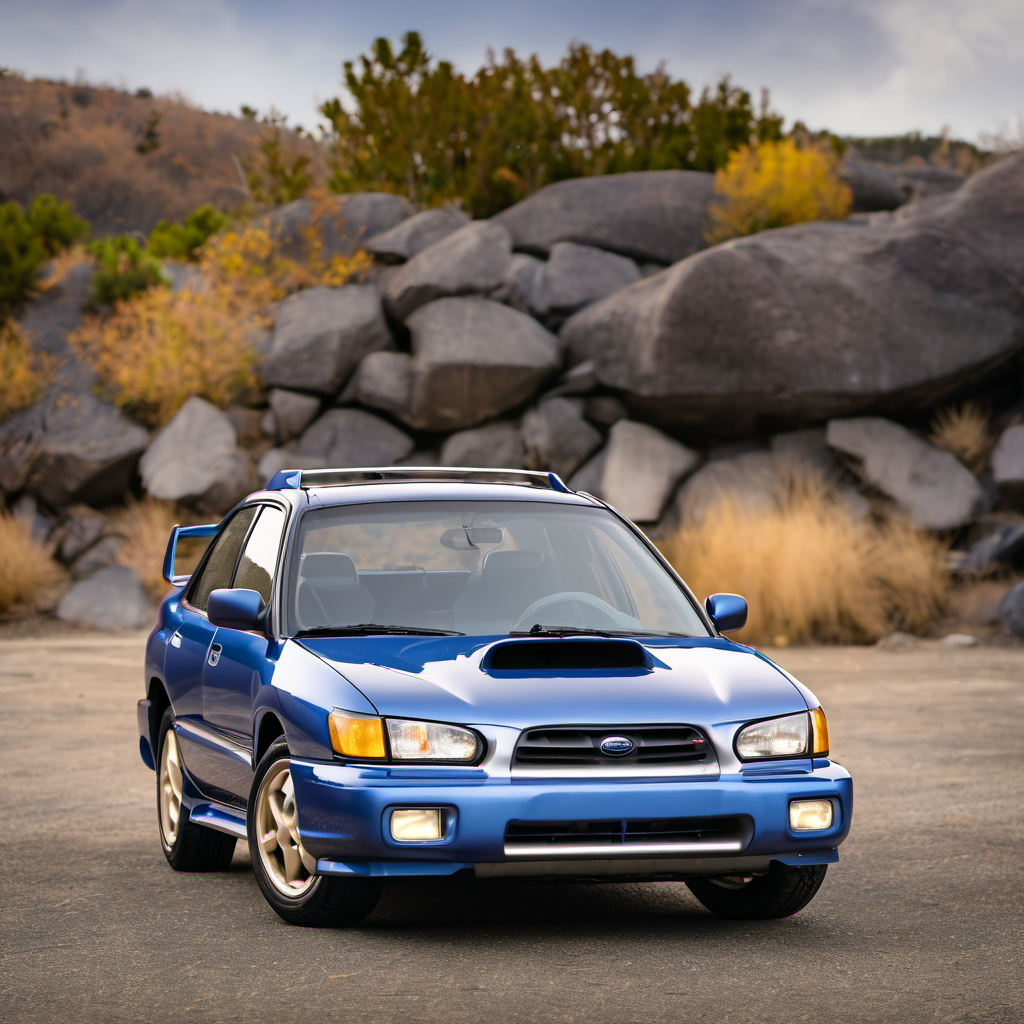
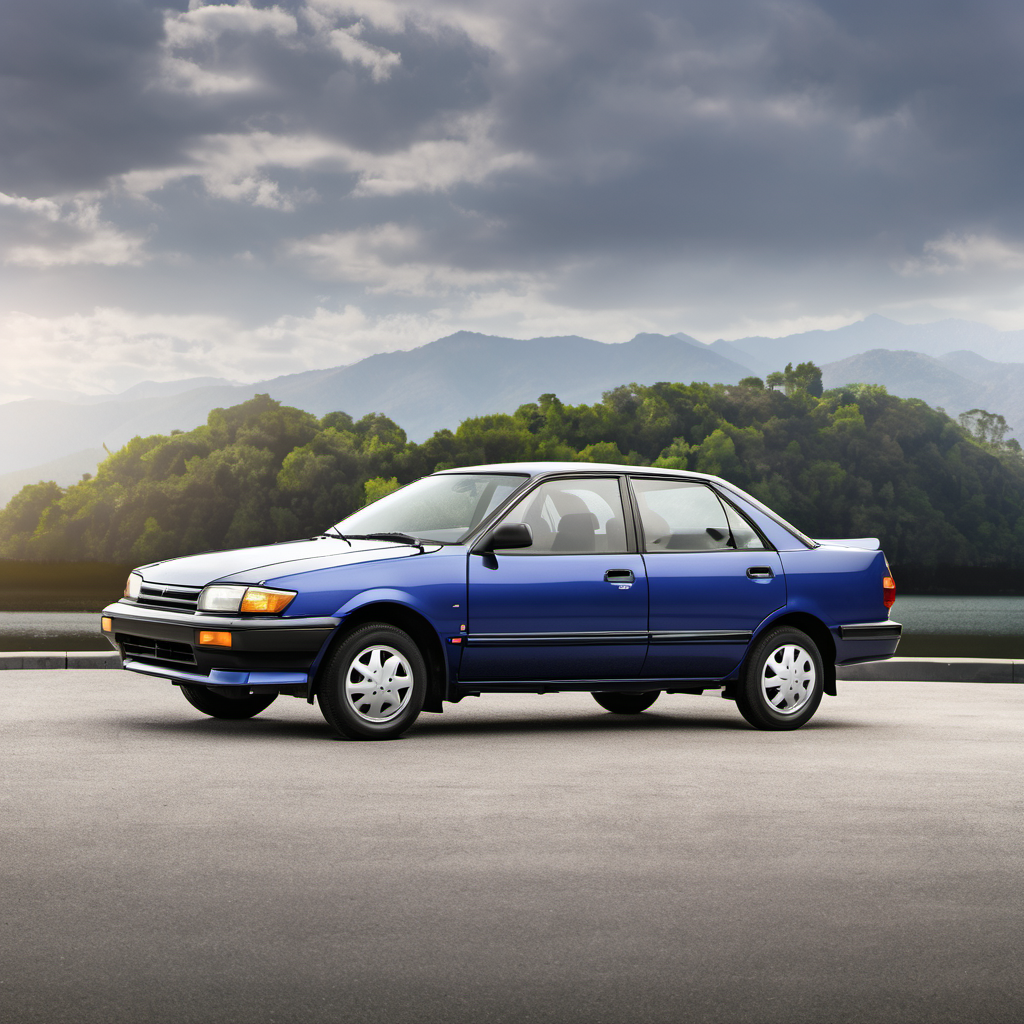
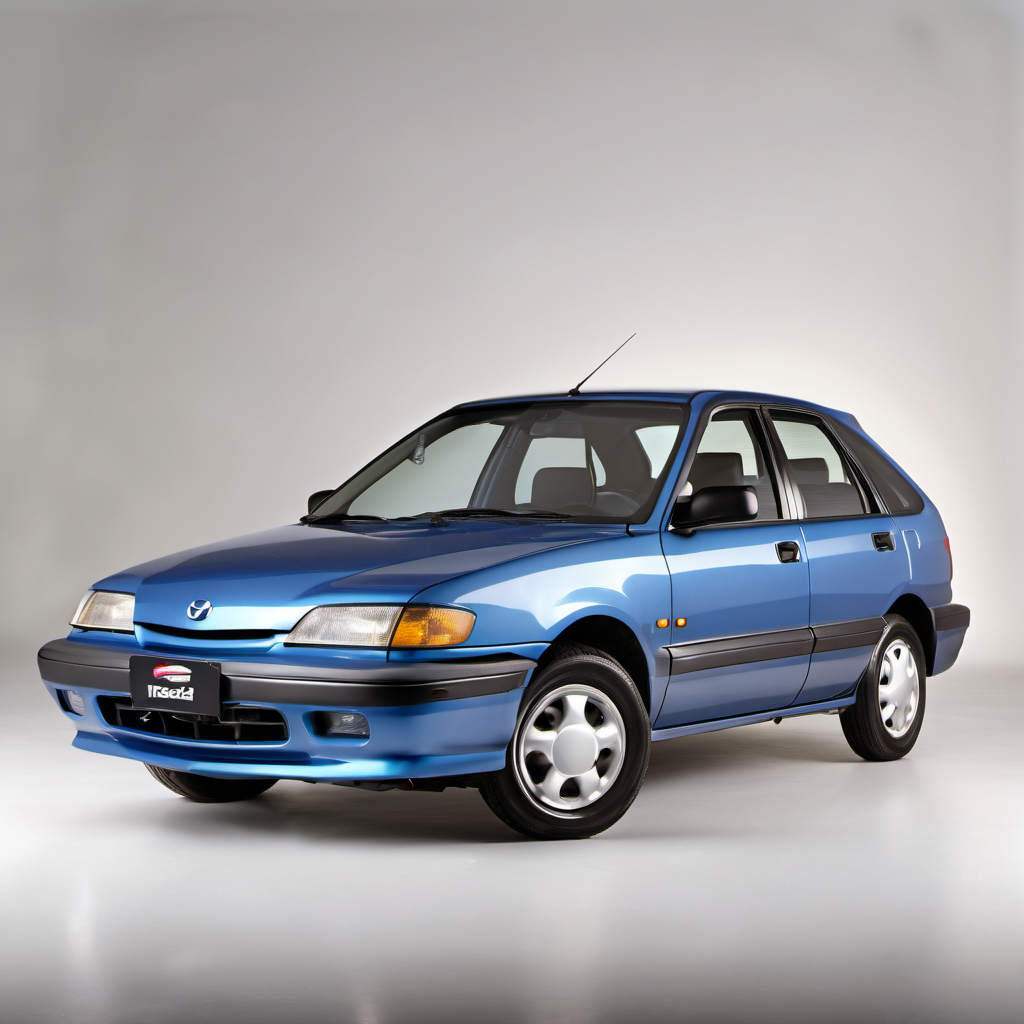
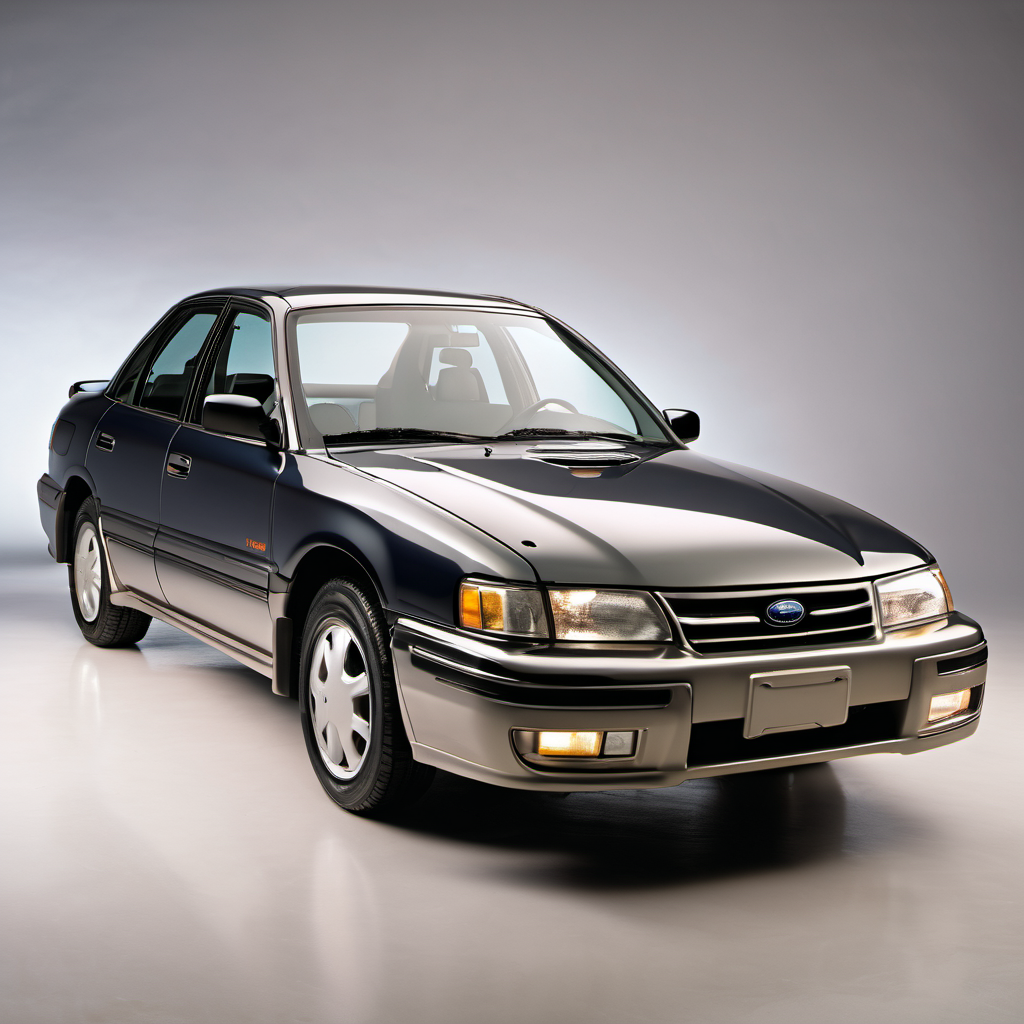
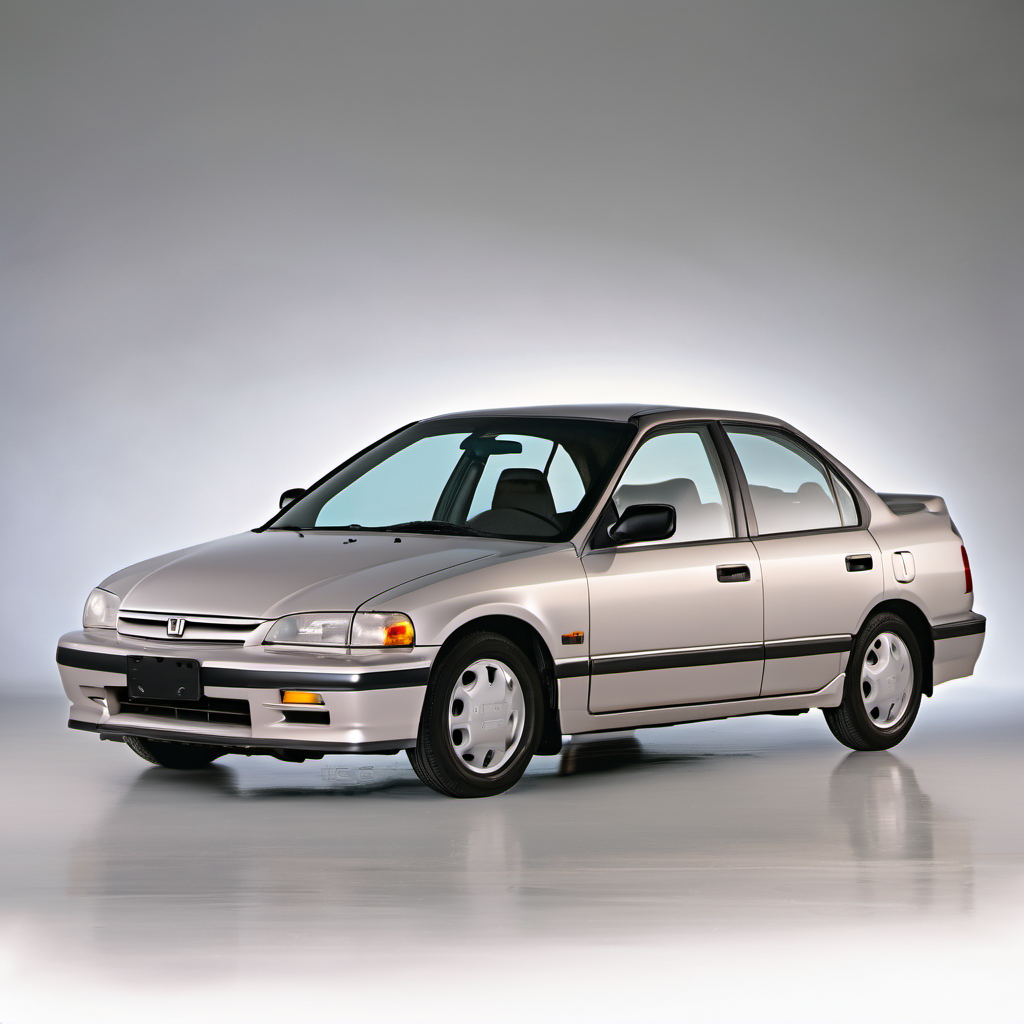
1994 Subaru Impreza Sedan

1994 Subaru

ImprezaSedan

1.8L H4 (EJ18) · Sedan

The 1994 Subaru Impreza is the first generation of what would become one of Subaru's most enduring nameplates. Launched for the 1993 model year, it was designed as a smaller, more affordable companion to the Legacy, sharing the same boxer engine philosophy and standard all-wheel drive that Subaru was building its reputation on. In sedan form, it's a practical, no-nonsense compact that punches above its weight in foul-weather capability. For 1994, the Impreza came with a 1.8L flat-four engine paired with either a 5-speed manual or 4-speed automatic transmission. All-wheel drive was standard across the lineup — a genuine differentiator in the compact sedan segment at the time. The interior is modest by any measure, but the drivetrain engineering was serious and has proven durable when maintained. At 30 years old, any surviving 1994 Impreza is a used vehicle that demands careful inspection. Rust is the primary enemy — especially on Wisconsin roads — and the age means seals, gaskets, and rubber components are overdue for attention regardless of mileage. That said, a well-cared-for example can still be a capable and economical daily driver.

Reliability
3/5
Verified data
Engine
1.8L H4 (EJ18)
Drivetrain
AWD
Fuel
Gasoline
MPG
23 city / 29 hwy / 25 combined
Seats
5
Doors
4
Body
Sedan
MSRP
$13,700

Overview

AI-curated

The 1994 Subaru Impreza is the first generation of what would become one of Subaru's most enduring nameplates. Launched for the 1993 model year, it was designed as a smaller, more affordable companion to the Legacy, sharing the same boxer engine philosophy and standard all-wheel drive that Subaru was building its reputation on. In sedan form, it's a practical, no-nonsense compact that punches above its weight in foul-weather capability. For 1994, the Impreza came with a 1.8L flat-four engine paired with either a 5-speed manual or 4-speed automatic transmission. All-wheel drive was standard across the lineup — a genuine differentiator in the compact sedan segment at the time. The interior is modest by any measure, but the drivetrain engineering was serious and has proven durable when maintained. At 30 years old, any surviving 1994 Impreza is a used vehicle that demands careful inspection. Rust is the primary enemy — especially on Wisconsin roads — and the age means seals, gaskets, and rubber components are overdue for attention regardless of mileage. That said, a well-cared-for example can still be a capable and economical daily driver.

Known for
  • Standard AWD in an affordable compact package
  • Horizontally-opposed (boxer) flat-four engine with low center of gravity
  • Solid all-weather traction and handling
  • Durable drivetrain when oil changes are kept current
  • Straightforward, mechanic-friendly engine bay by mid-90s standards
Best for
  • Budget-conscious buyers who need AWD capability
  • Wisconsin and upper-Midwest winters
  • DIY mechanics comfortable with older vehicles
  • Low-mileage short commuters who want simplicity
Watch for
  • Severe rust on frame rails, subframes, and rocker panels — a 30-year-old Wisconsin car may be structurally compromised
  • Head gasket leaks (common on EJ-family engines, even the 1.8L)
  • Degraded rubber: coolant hoses, CV boots, timing belt components
  • Automatic transmission fluid neglect leading to slipping or failure
  • Aged wiring harness causing intermittent electrical gremlins

Common issues by mileage

6 known

Head Gasket Seepage

high
Typically appears
80–150k mi
Estimated repair
$900 – $1,800

Timing Belt and Tensioner Wear

high
Typically appears
60–105k mi (every 60k interval)
Estimated repair
$350 – $650

CV Axle Boot Cracking and Joint Wear

high
Typically appears
75k+ mi
Estimated repair
$150 – $400

Coolant Hose Deterioration

high
Typically appears
Any mileage at this age
Estimated repair
$100 – $300

Rust on Rocker Panels, Frame Rails, and Subframe

high
Typically appears
Any mileage on a Midwest vehicle
Estimated repair
$500 – $3,000

Maintenance schedule

  1. 1
    Every 60,000 miles or at time of purchase if history is unknown Timing Belt and Water Pump Replacement

    The EJ18 is an interference engine — a snapped belt causes catastrophic valve and piston damage. On a 30-year-old car, replace it regardless of mileage if you can't verify it was done.

  2. 2
    Every 3,000–5,000 miles with conventional oil Engine Oil and Filter Change

    Clean oil is the single biggest factor in head gasket longevity on EJ-series engines. Use the manufacturer-specified viscosity; do not stretch intervals on a high-mileage engine.

  3. 3
    Every 2 years / 30,000 miles; inspect hoses annually Coolant Flush and Hose Inspection

    30-year-old coolant hoses are a failure risk even if they look intact. Degraded coolant accelerates head gasket and water pump wear.

  4. 4
    Annually or every 15,000 miles CV Boot and Axle Inspection

    AWD puts more load on all four CV joints. Torn boots let in grit quickly and destroy the joint. Catching a torn boot early saves $150–200 over replacing the full axle.

  5. 5
    Every 2 years Brake Fluid Flush

    Moisture absorption in aging brake fluid lowers its boiling point and corrodes calipers from the inside. Wisconsin road salt accelerates this.

  6. 6
    Annually, ideally before winter Underbody Rust Inspection and Treatment

    Frame rail and subframe rust is the most common reason first-gen Imprezas are totaled. Catch surface rust early and treat it; once it's structural, repair costs can exceed the car's value.

  7. 7
    Every 15,000–20,000 miles Air Filter Replacement

    A restricted air filter on the EJ18 hurts the already-modest power output and fuel economy.

  8. 8
    Every 30,000 miles ATF Service (if automatic)

    The 4-speed automatic in these cars is not robust when fluid is neglected. Many failures on older Imprezas trace directly to skipped ATF services.

Always defer to the manufacturer's service manual for warranty-mandated intervals.

Cost of ownership

Annual maintenance
$600 – $1,800
Fuel
At 25 MPG combined and ~12,000 miles/year, expect roughly $1,300–$1,500/year at current Wisconsin fuel prices.
Insurance
Generally low — liability and comprehensive on a 30-year-old economy car typically runs $600–$900/year depending on your record and coverage level.

A well-maintained 1994 Impreza is cheap to fuel and insure, and routine service parts are still affordable. The wildcard is deferred maintenance and rust repair — a single head gasket job or subframe rust repair can easily exceed the vehicle's market value. Budget on the higher end of the maintenance range if the car's service history is incomplete.
Seasonal care

Lake Geneva, WI
Winter
  • Switch to a 0W-30 or 5W-30 full synthetic oil if still running conventional — cold starts below 0°F are brutal on worn rod bearings with thick oil.
  • Test the battery before November. A 30-year-old charging system may not fully recharge a weak battery on short winter trips.
  • Fill the washer fluid reservoir with a rated -20°F or colder solution — Lake Geneva regularly sees sub-zero wind chills.
  • Inspect all four CV boots before winter; cracked boots packed with road salt grit will destroy joints within one season.
  • Flush brake lines and inspect calipers for salt corrosion — sliding pins seize on these cars after years of Wisconsin winters.
  • Keep at least a half tank of fuel to prevent fuel line moisture and avoid running the pump dry in cold starts.
Summer
  • Inspect coolant hoses and clamps — summer heat accelerates cracking on already-aged rubber, and an overheating EJ18 will push a compromised head gasket over the edge.
  • Check tire pressure monthly; pressure rises roughly 1 PSI for every 10°F increase in temperature.
  • Test the A/C system early in the season — R-134a systems on cars this age often have slow leaks and may need a recharge.
  • Inspect the underbody after winter: clean off accumulated salt residue and treat any new surface rust before summer heat bakes it in.

Comparable vehicles

If you're shopping for one

Red flags
  • Any rust that has perforated the floor, frame rails, or subframe — walk away, repair costs will exceed the car's value.
  • Milky oil or coolant, white exhaust smoke, or a sweet coolant smell — signs of a failed or failing head gasket.
  • No timing belt service history and the seller is unwilling to negotiate a credit for the work.
  • Slipping, shuddering, or hard-shifting automatic transmission — rebuilds cost more than this car is worth on the open market.
  • Mismatched paint panels or signs of significant body repair — may indicate a past collision that affected AWD system alignment.
What to inspect
  • Frame rails, subframe mounting points, and rocker panels for rust perforation — bring a flashlight and a screwdriver to probe suspect areas.
  • Coolant reservoir and underside of the oil cap for a milky or mayonnaise-like residue indicating head gasket failure.
  • Timing belt service record — ask for documentation; if unavailable, budget to replace it immediately.
  • All four CV boots for cracking, splits, or grease flung on the inside of the wheel well.
  • Transmission operation: smooth shifts through all gears (manual) or no slipping, shuddering, or delayed engagement (automatic).
  • Full underbody inspection by a trusted independent shop before purchase — this is non-negotiable on a 30-year-old Wisconsin car.
AI profile generated 4 days ago · claude-sonnet-4-6 · v2.