Head Gasket Failure
high- Typically appears
- 80–150k mi
- Estimated repair
- $900 – $1,600
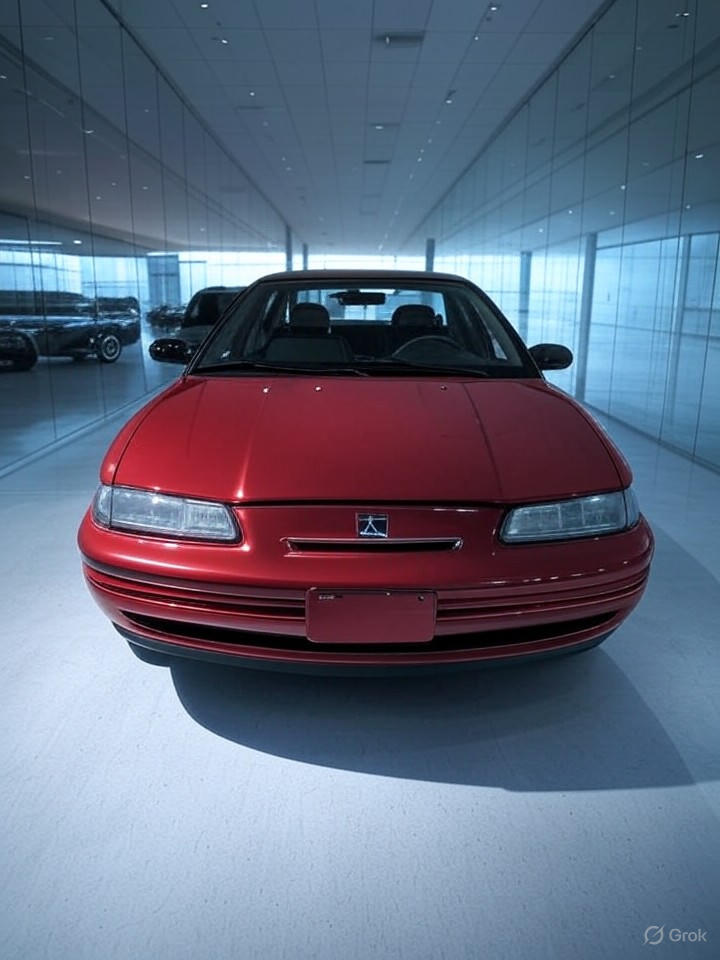
1994 Saturn
1.9L I4 DOHC · Coupe
The 1994 Saturn SC (S-Series Coupe) was GM's bold experiment in building a different kind of American small car. Sold under the Saturn brand with a dedicated Spring Hill, Tennessee plant, the SC came as a sporty 3-door coupe in SC1 (single-cam) and SC2 (dual-cam) trims. The body panels were polymer plastic — they wouldn't dent or rust from door dings, which was a genuine selling point in Wisconsin winters. Under the hood, Saturn used its own family of all-aluminum engines: a 1.9L SOHC four-cylinder in the SC1 and a 1.9L DOHC four in the SC2. Both were rev-happy and reasonably fuel-efficient for the era, though not particularly powerful by today's standards. The 5-speed manual is the enthusiast choice; the 4-speed automatic is smooth but dulls performance noticeably. By 1994, the S-Series had sorted out most of the early teething issues from the 1991 launch. These cars developed a passionate owner community and aged better than many domestic competitors of the era. They're inexpensive to buy and cheap to insure, but parts sourcing is increasingly challenging now that Saturn is gone and the model is 30+ years old.
The 1994 Saturn SC (S-Series Coupe) was GM's bold experiment in building a different kind of American small car. Sold under the Saturn brand with a dedicated Spring Hill, Tennessee plant, the SC came as a sporty 3-door coupe in SC1 (single-cam) and SC2 (dual-cam) trims. The body panels were polymer plastic — they wouldn't dent or rust from door dings, which was a genuine selling point in Wisconsin winters. Under the hood, Saturn used its own family of all-aluminum engines: a 1.9L SOHC four-cylinder in the SC1 and a 1.9L DOHC four in the SC2. Both were rev-happy and reasonably fuel-efficient for the era, though not particularly powerful by today's standards. The 5-speed manual is the enthusiast choice; the 4-speed automatic is smooth but dulls performance noticeably. By 1994, the S-Series had sorted out most of the early teething issues from the 1991 launch. These cars developed a passionate owner community and aged better than many domestic competitors of the era. They're inexpensive to buy and cheap to insure, but parts sourcing is increasingly challenging now that Saturn is gone and the model is 30+ years old.
The aluminum engine is highly sensitive to cooling system neglect. Old coolant becomes acidic and attacks the head gasket and water pump seal. This is the single most important maintenance item on these cars.
Saturn's timing chain is durable but the plastic guides wear over time. A rattling on cold start is an early warning sign. Catching it before the guide fails prevents catastrophic engine damage.
The all-aluminum DOHC engine tolerates oil starvation poorly. Consistent oil changes with the right viscosity help extend valve train and timing chain life significantly.
OEM-style copper plugs and original-spec wires keep the ignition system healthy. Worn plugs stress the coil pack, which is a known weak point.
The serpentine belt drives the water pump and alternator. A snapped belt in a Wisconsin winter leaves you stranded and can cause rapid overheating.
Older fuel systems accumulate debris over decades. A clogged filter causes rough idle and can damage the fuel pump, which is expensive on these cars relative to their value.
Brake fluid absorbs moisture over time, lowering its boiling point. On a 30-year-old car used in Wisconsin winters with heavy braking on wet and icy roads, fresh fluid is important.
The polymer body panels resist rust, but the steel subframe, floor pans, exhaust hangers, and brake lines are fully exposed to Wisconsin road salt. Catching rust early is critical at this vehicle's age.
Always defer to the manufacturer's service manual for warranty-mandated intervals.
Day-to-day costs on a well-maintained SC are genuinely low. Routine upkeep runs $400–$900/year at an independent shop. The danger zone is deferred maintenance — a head gasket job or timing chain job can cost nearly as much as the car is worth at current market values. Buy a good one and stay ahead of the cooling system and you'll spend very little.
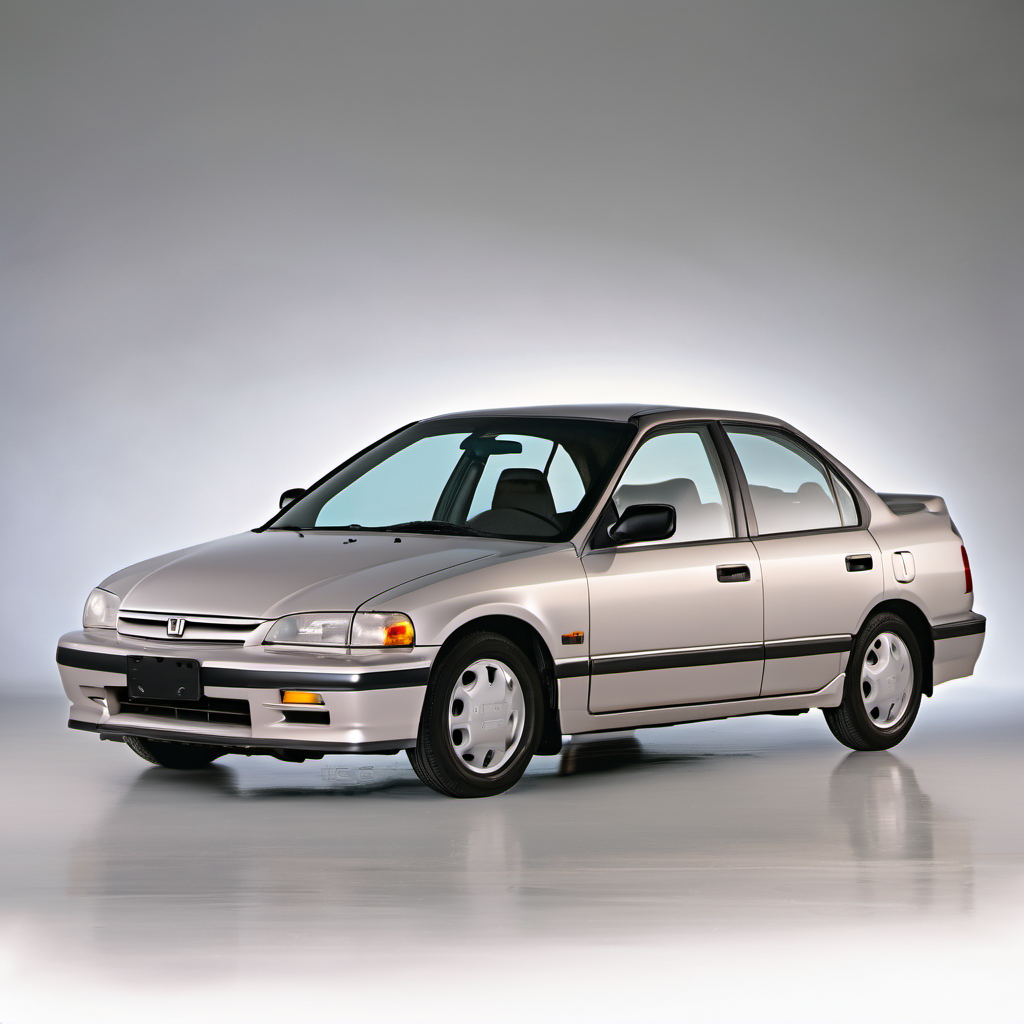
Same FWD compact coupe class, similar fuel economy, but with a stronger parts ecosystem and arguably better long-term reliability. The Civic is a direct competitor and is easier to maintain today.
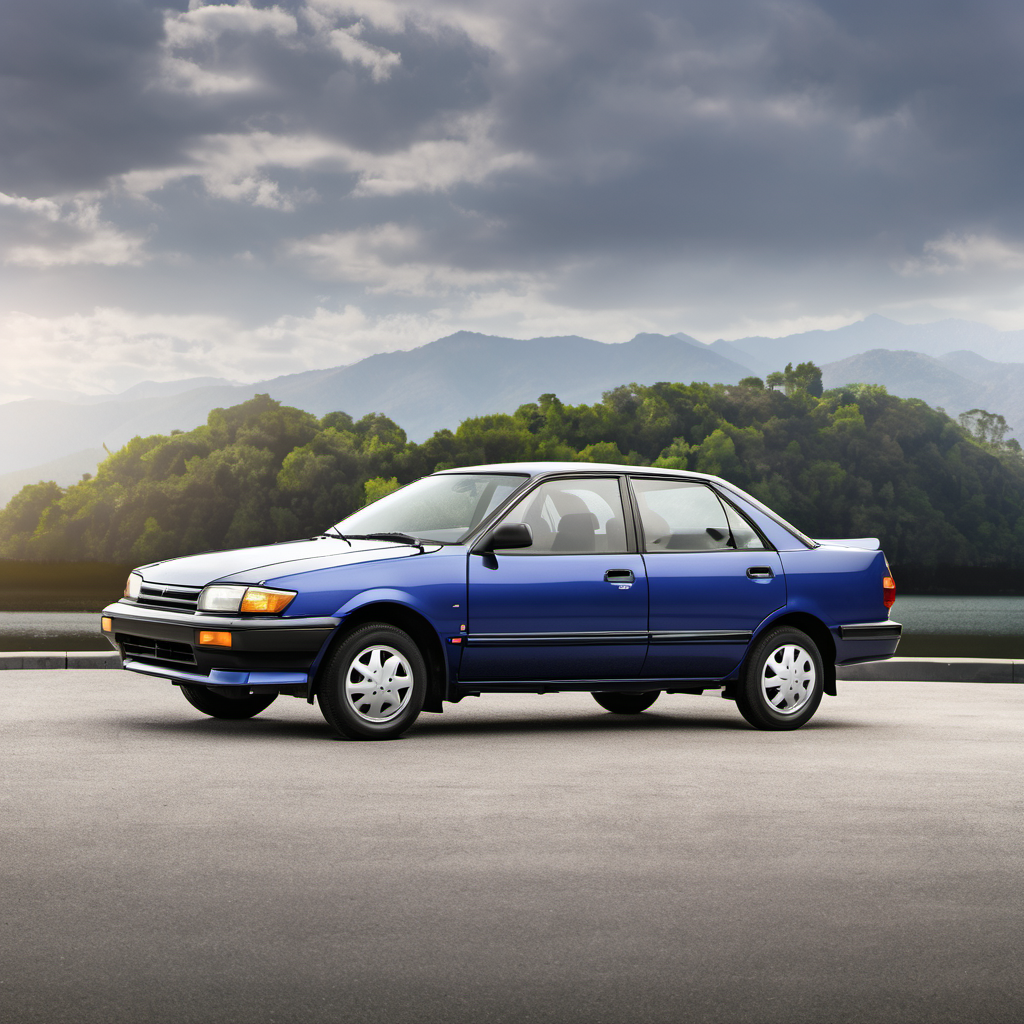
Slightly more conservative but extremely reliable. Similar economy and running costs. Better parts availability 30 years on than the Saturn.
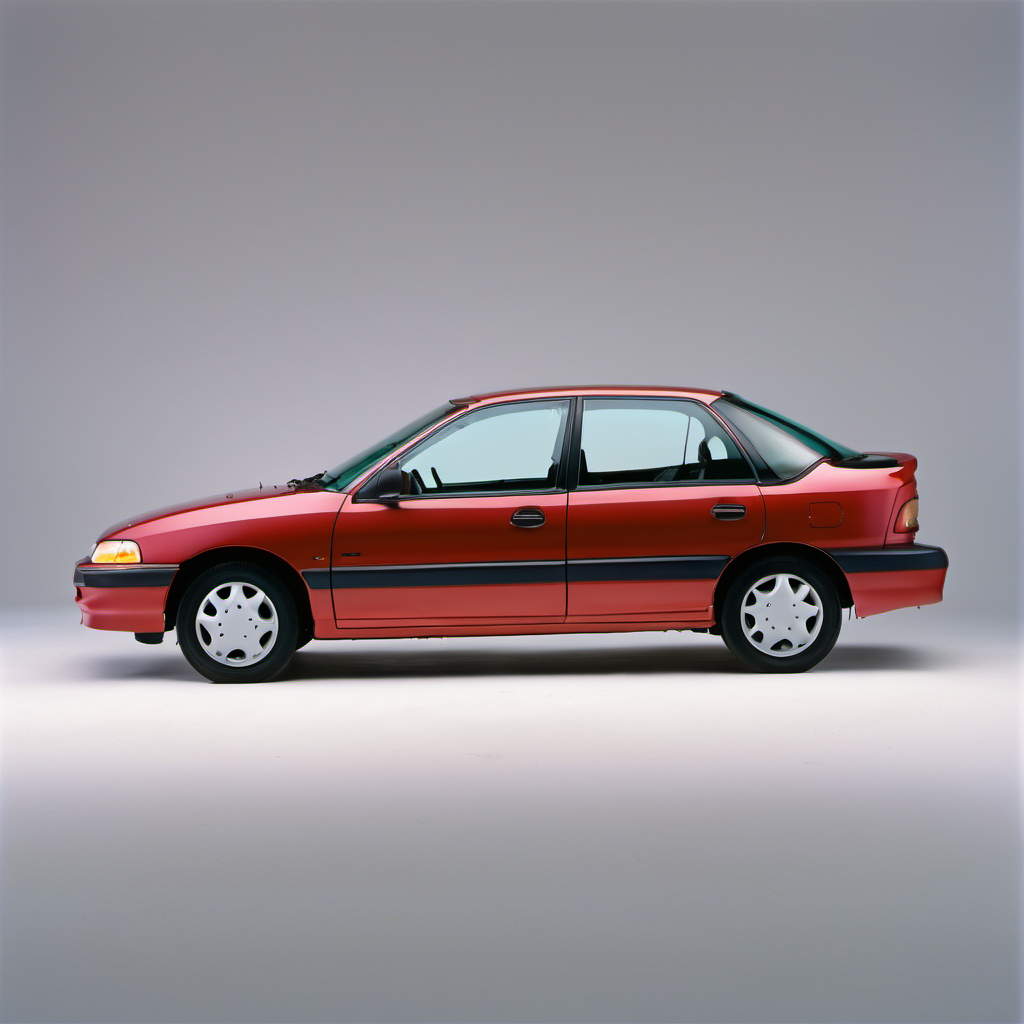
Badge-engineered Corolla sold by GM dealers at the same time as the Saturn. Nearly identical reliability to the Corolla with a similar price point and mission.
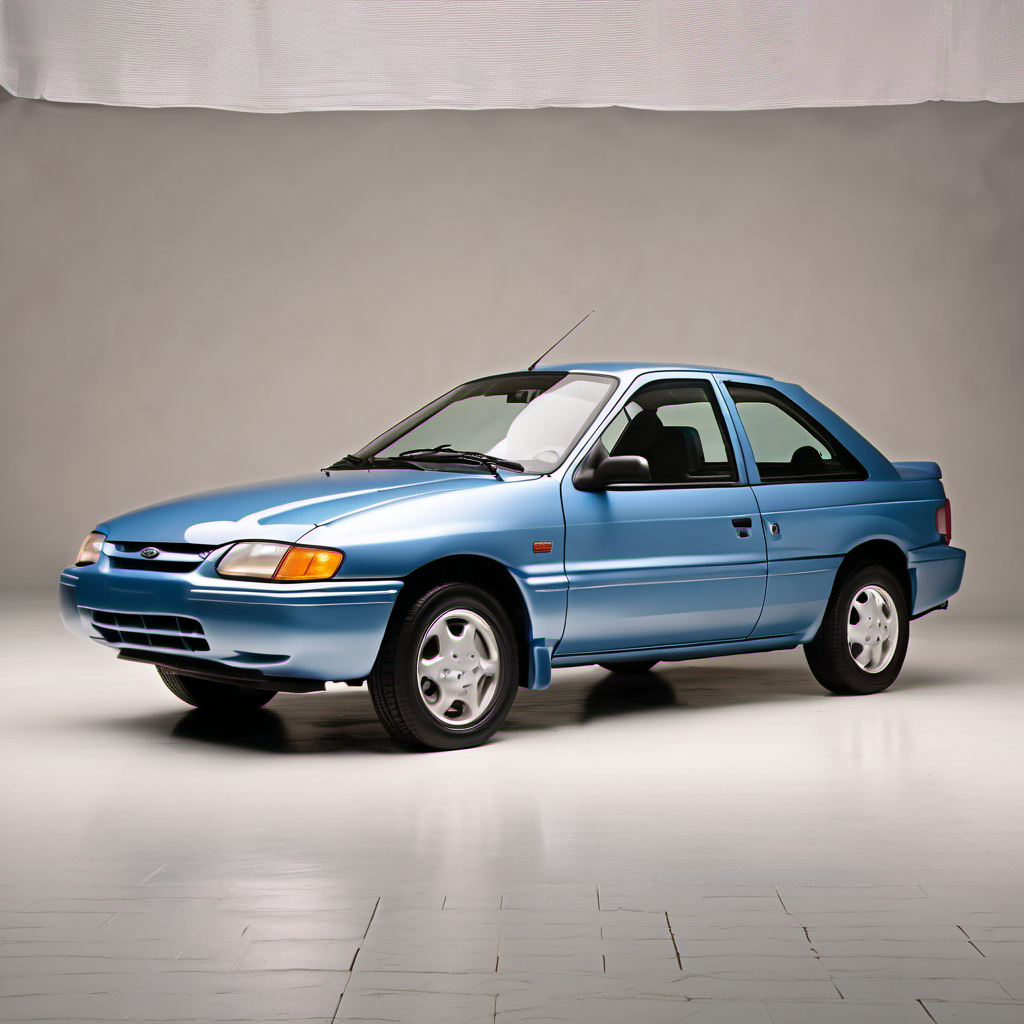
Ford's domestic small coupe rival. Cheaper to buy used, similar economy, but generally considered less refined than the Saturn SC2.