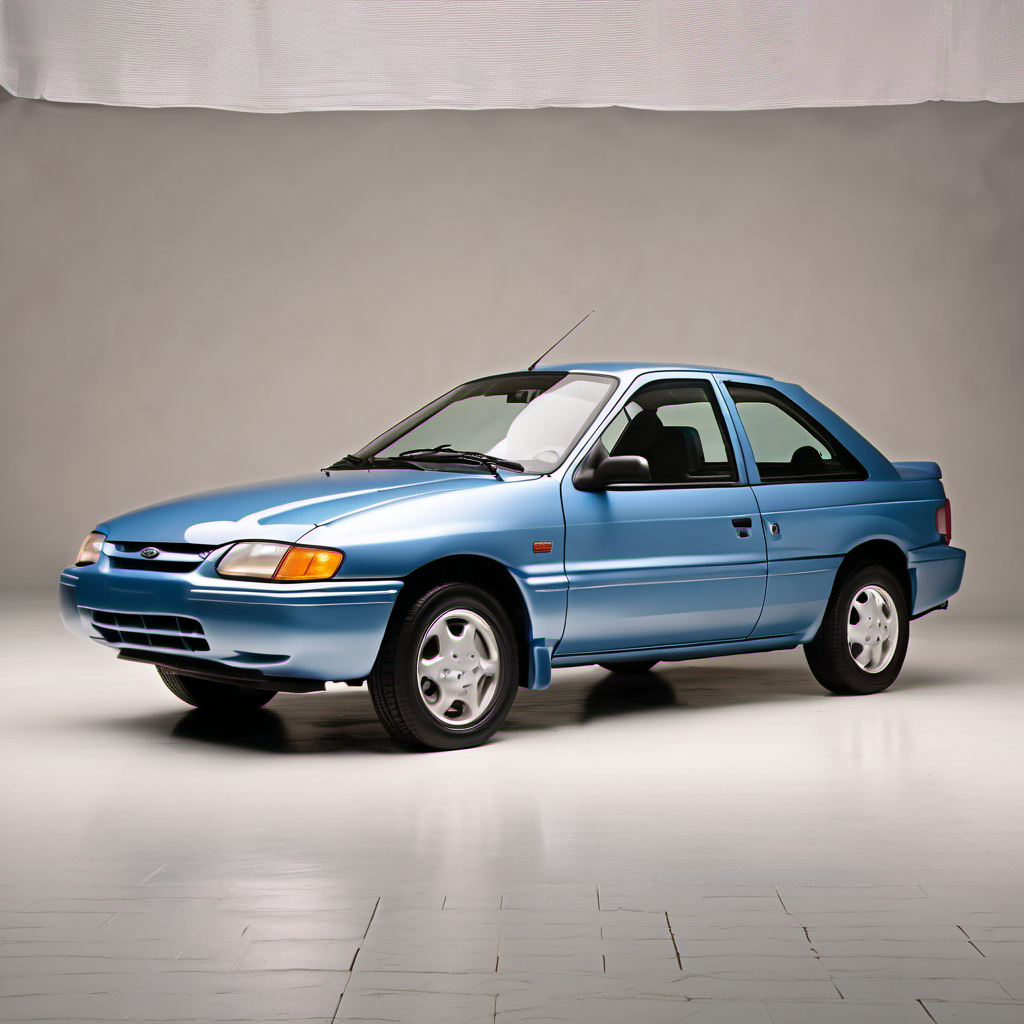
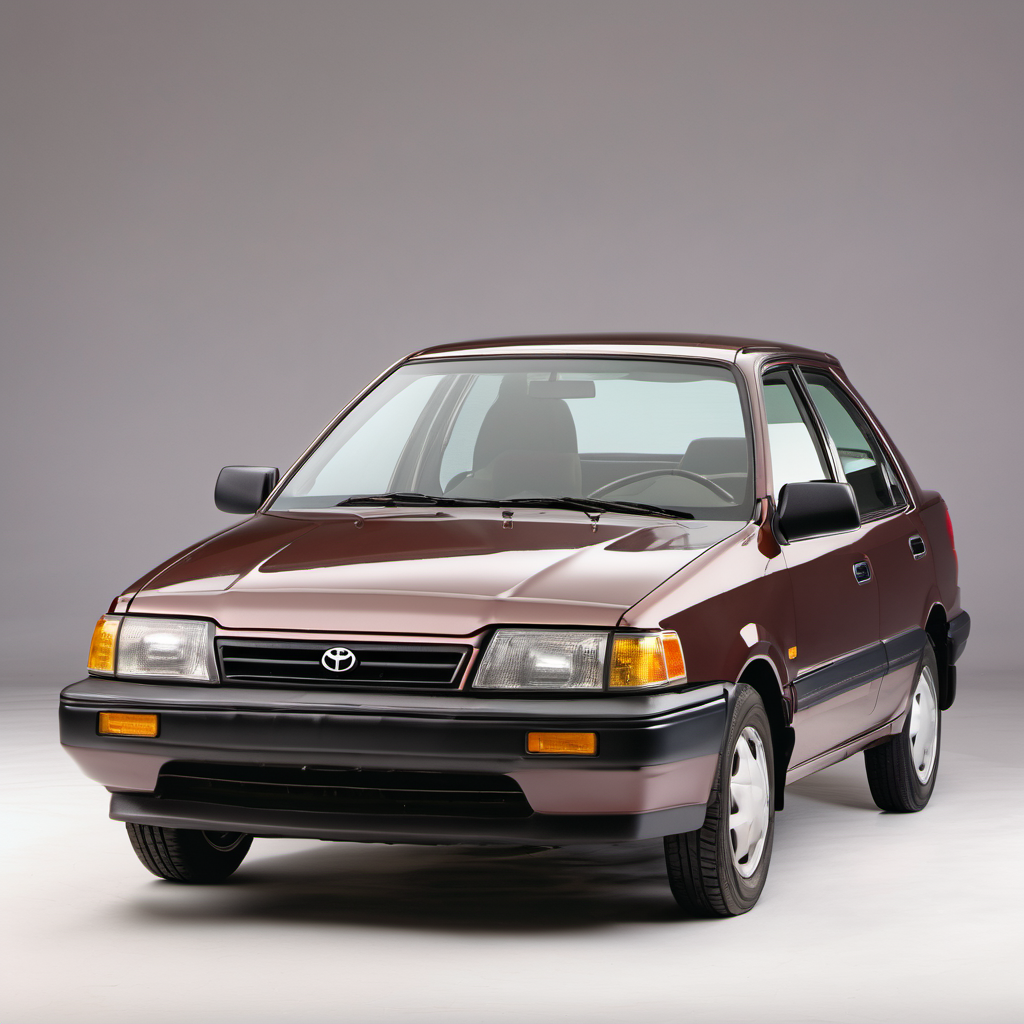
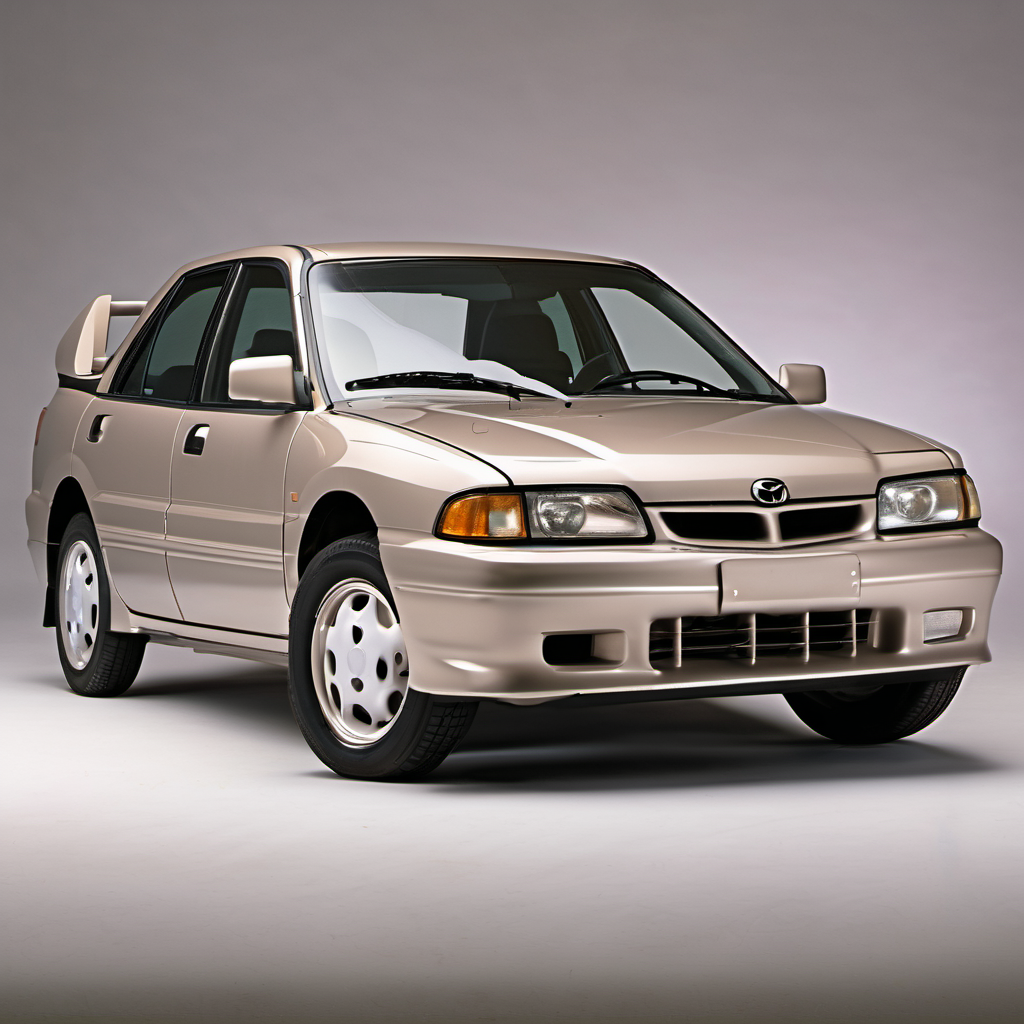
1994 Ford Escort Hatchback

1994 Ford

EscortHatchback

Hatchback

The 1994 Ford Escort Hatchback is a second-generation (1991–1996) Escort, a compact economy car co-developed with Mazda. It replaced the aging European-platform Escort with a platform shared with the Mazda 323/Protegé, bringing improved build quality and better driving dynamics. The 1.8L Mazda-sourced engine is a solid unit that responds well to basic maintenance and is considered more robust than the 1.9L Ford-built four used in the sedan variant. This was a high-volume commuter car built for affordability and efficiency, not performance. Interior materials are sparse, the ride is compliant for city and highway use, and the hatchback body style adds useful cargo versatility for a small car. By 1994 the Escort had found a reliable following among budget-conscious buyers, college students, and first-time car owners. At 30 years old, surviving examples are well past their intended service life. Any Escort you encounter today has likely changed hands multiple times. Rust, deferred maintenance, and worn suspension components are the norm rather than the exception — especially in Wisconsin. Approach any purchase or repair with that context in mind.

Reliability
3/5
Verified data
Specs shown for Escort — the most common configuration. Other trims may vary in engine, drivetrain, or fuel economy. Sign in to see your vehicle's exact specs.
Engine
[object Object]
Drivetrain
FWD
Fuel
Gasoline
MPG
21 city / 27 hwy / 23 combined
Seats
Doors
Body
Compact Cars

Overview

AI-curated

The 1994 Ford Escort Hatchback is a second-generation (1991–1996) Escort, a compact economy car co-developed with Mazda. It replaced the aging European-platform Escort with a platform shared with the Mazda 323/Protegé, bringing improved build quality and better driving dynamics. The 1.8L Mazda-sourced engine is a solid unit that responds well to basic maintenance and is considered more robust than the 1.9L Ford-built four used in the sedan variant. This was a high-volume commuter car built for affordability and efficiency, not performance. Interior materials are sparse, the ride is compliant for city and highway use, and the hatchback body style adds useful cargo versatility for a small car. By 1994 the Escort had found a reliable following among budget-conscious buyers, college students, and first-time car owners. At 30 years old, surviving examples are well past their intended service life. Any Escort you encounter today has likely changed hands multiple times. Rust, deferred maintenance, and worn suspension components are the norm rather than the exception — especially in Wisconsin. Approach any purchase or repair with that context in mind.

Known for
  • Mazda-sourced 1.8L engine — more durable than the Ford 1.9L
  • Good fuel economy for its era
  • Simple, mechanic-friendly layout with low parts costs
  • Practical hatchback cargo flexibility
  • High original production volume — parts still available
Best for
  • Budget-conscious drivers who can do basic maintenance themselves
  • Short urban and suburban commutes
  • Drivers who want a simple, no-frills daily driver
  • Owners comfortable with an older vehicle's limitations
Watch for
  • Extensive rust on rocker panels, floor pans, and subframes — a real concern in Wisconsin
  • Aged rubber: coolant hoses, CV boots, and motor mounts crack at this age regardless of mileage
  • Timing belt neglect — failure destroys the engine with no warning
  • Electrical gremlins from 30-year-old wiring and connectors
  • Clutch and transmission wear on high-mileage manual examples

Common issues by mileage

6 known

Timing belt failure

high
Typically appears
60k+ mi (or 5+ years since last replacement)
Estimated repair
$250 – $450

CV axle and CV boot wear

high
Typically appears
80k–150k mi
Estimated repair
$150 – $350

Coolant system leaks (hoses, thermostat, water pump)

high
Typically appears
Any mileage on a 30-year-old car
Estimated repair
$100 – $400

Rust — rocker panels, floor pans, subframe

high
Typically appears
All mileages in rust-belt regions
Estimated repair
$500 – $3,000

Oxygen sensor degradation causing rough running and poor fuel economy

medium
Typically appears
80k–150k mi
Estimated repair
$80 – $200

Worn struts and aging suspension bushings

high
Typically appears
100k+ mi
Estimated repair
$300 – $700

Maintenance schedule

  1. 1
    Every 60k mi or 5 years, whichever comes first Timing belt and water pump replacement

    The 1.8L is an interference engine — a snapped belt will bend valves and may total the engine. At this vehicle's age, replace it even if mileage is low.

  2. 2
    Every 2 years or 30k mi Coolant flush and hose inspection

    30-year-old coolant hoses harden and crack. Inspect all hoses and the radiator cap at every oil change; a surprise coolant failure in a Wisconsin winter is a serious problem.

  3. 3
    Every 3,000–5,000 mi with conventional oil Oil and filter change

    The Mazda-sourced 1.8L tolerates standard intervals well, but given the vehicle's age, shorter intervals help catch internal wear early through oil condition monitoring.

  4. 4
    Every oil change CV boot inspection

    Torn CV boots let grease escape and grit enter, destroying the joint quickly. Catching a torn boot early is a $50–$80 fix; replacing a failed joint is $200–$350.

  5. 5
    Every 2 years Brake fluid flush

    Brake fluid absorbs moisture over time, lowering its boiling point. On a 30-year-old car, this fluid is almost certainly overdue and may be contaminating calipers and wheel cylinders.

  6. 6
    Every 30k mi Spark plugs and ignition wires

    Aged plug wires crack in cold weather, causing misfires. On a car this old, replace both plugs and wires together.

  7. 7
    Every spring after road salt season Full undercarriage rust inspection

    Wisconsin road salt aggressively attacks frame rails, floor pans, brake lines, and fuel lines. Catch rust before it compromises structural or brake system safety.

  8. 8
    Every fall before winter Battery load test

    Small-displacement engines still need a strong battery for cold starts. A battery that passes a basic voltage test in summer can fail a load test and leave you stranded at -10°F.

Always defer to the manufacturer's service manual for warranty-mandated intervals.

Cost of ownership

Annual maintenance
$400 – $1,200
Fuel
Inexpensive to fuel — at 23 MPG combined and typical Wisconsin driving, expect roughly $1,200–$1,600/year at current gas prices depending on annual mileage.
Insurance
Generally among the cheapest vehicles to insure due to low value and low repair costs. Liability-only coverage is typical on a car this age.

Day-to-day running costs are low. The real financial risk is deferred maintenance catching up all at once — a timing belt job, struts, and CV axles in the same season can run $1,000–$1,500 at an independent shop. Budget for that reality, especially on a car that hasn't had documented service.
Seasonal care

Lake Geneva, WI
Winter
  • Test the battery every fall — cold-cranking amps drop sharply at sub-zero temps and the 1.8L needs a healthy battery to fire reliably.
  • Switch to a winter washer fluid rated to at least -20°F; the reservoir and lines are exposed and will freeze with summer-grade fluid.
  • Inspect the brake lines and fuel lines each fall — salt-induced rust can cause sudden brake line failure with no prior warning.
  • Check the coolant freeze protection; aim for protection to at least -34°F with a 50/50 coolant mix.
  • Use winter or all-season tires — the Escort's FWD helps in snow but all-seasons or dedicated winter tires make a meaningful safety difference on Lake Geneva-area roads.
  • Keep the gas tank at least half full in winter to reduce condensation in the fuel system and add weight over the drive wheels.
Summer
  • Inspect the A/C system for refrigerant leaks — R-134a systems this old commonly develop slow leaks at hose fittings and the compressor shaft seal.
  • Check tire pressure monthly; pressure drops about 1 PSI for every 10°F drop in temperature and rises in summer heat, affecting handling and wear.
  • Inspect the radiator and cooling fan operation before summer; a clogged radiator or lazy fan can cause overheating in stop-and-go traffic.
  • Look for heat-soak-related starting issues — aged fuel injector O-rings and a weak ignition system show up most in hot weather after short trips.

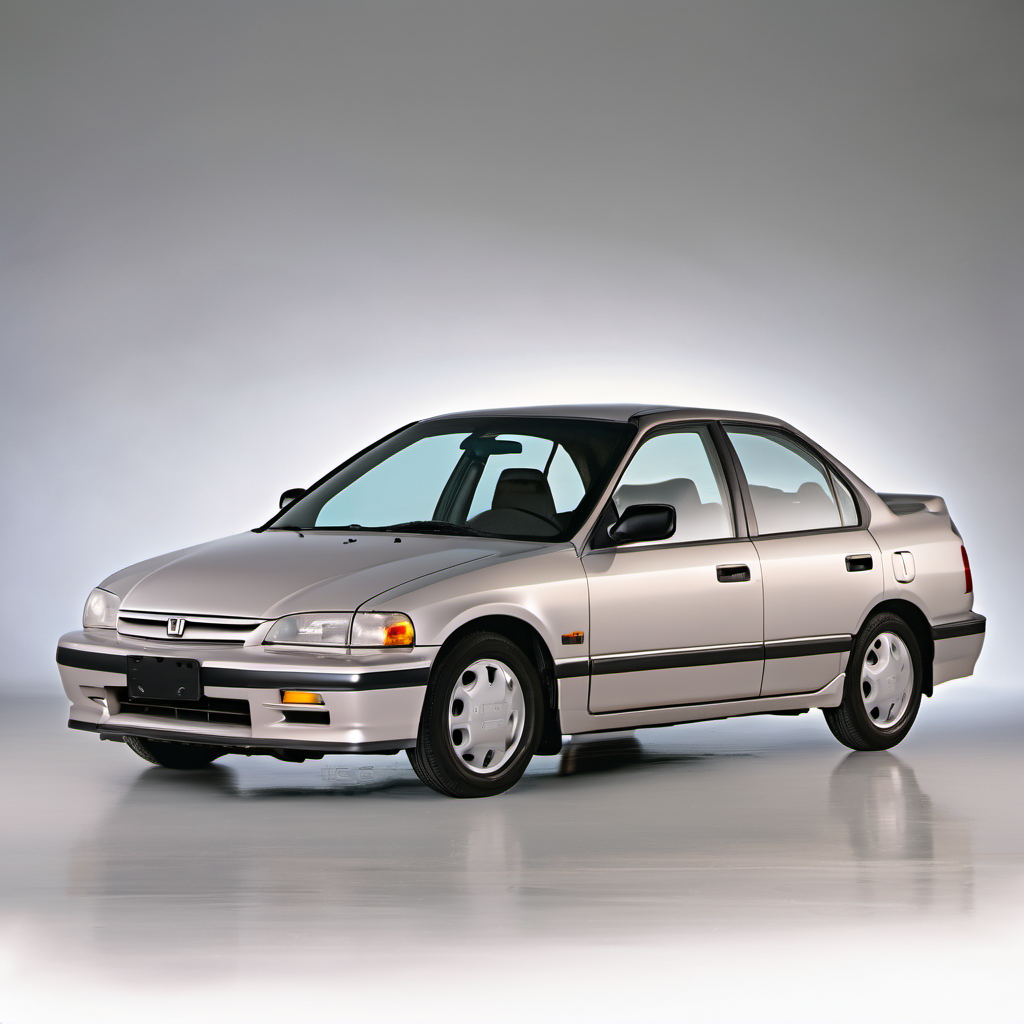
Comparable vehicles

If you're shopping for one

Red flags
  • Any structural rust on subframe or frame rails — walk away.
  • Unknown timing belt history with high mileage — immediate and expensive risk.
  • Oil leaks combined with blue exhaust smoke — signs of significant internal engine wear.
  • Spongy or pulsating brake pedal — worn or corroded brake hardware that may have been ignored for years.
  • Mismatched or non-original body panels that weren't disclosed — suggests accident history.
  • Coolant mixed with oil (milky residue on oil cap) — potential head gasket failure.
What to inspect
  • Floor pans inside the cabin — lift the floor mats and press hard; soft or spongy spots mean rust-through.
  • Rocker panels and rear wheel arches — poke with a screwdriver if you can; bubbling paint hides significant rust.
  • Timing belt condition and replacement history — ask for records; if unknown, budget for immediate replacement.
  • CV boots — look for grease flung around the inner wheel area, indicating a torn boot or failed joint.
  • Coolant color and condition — brown or rusty coolant means the system hasn't been maintained and the water pump and thermostat may be near failure.
  • All four brake lines under the car — any white salt residue or visible corrosion on steel lines warrants close inspection.
  • Operation of all electrical items — windows, heater blower, lights — wiring on 30-year-old cars develops shorts and open circuits.
  • Listen for knocking or ticking at idle that increases with RPM — could indicate low oil pressure or worn cam followers.
AI profile generated 17 days ago · claude-sonnet-4-6 · v2.