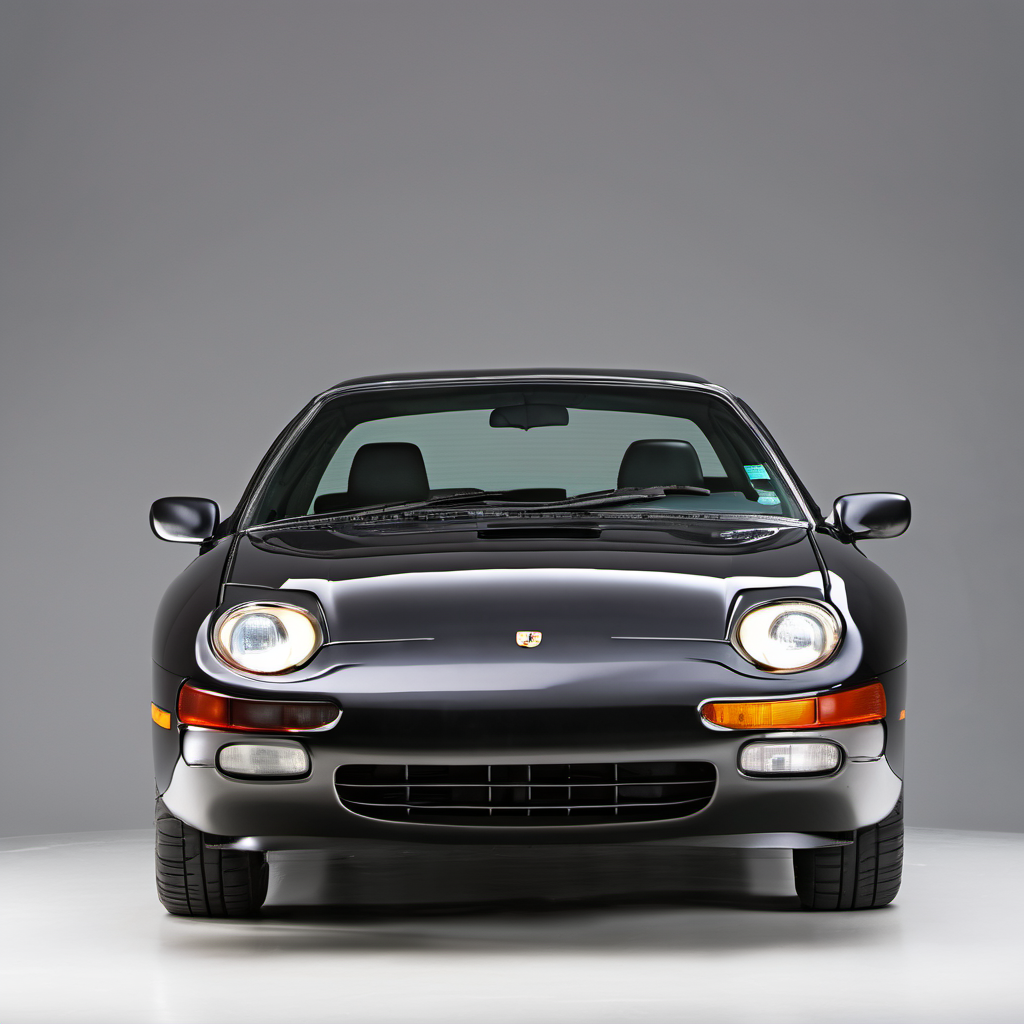
1994 Porsche 928 Hatchback

1994 Porsche

928Hatchback

Hatchback

The 1994 Porsche 928 GTS is the final and most refined iteration of Porsche's grand touring V8 flagship — a car that was produced from 1978 through 1995. The GTS variant brought a bored-out 5.4L V8, wider rear bodywork borrowed from the 928 S4 Cabriolet prototype, and a subtly more aggressive presence. It was always meant to be the 911's big brother: a long-distance highway cruiser that could also embarrass sports cars at a stoplight. The 928 was ahead of its time in many ways — aluminum front suspension, a torque-tube drivetrain with rear transaxle for near-perfect weight balance, and a sophisticated all-aluminum V8 with dual overhead cams. By 1994 the GTS was one of the most complete grand tourers in the world, but it was being sold into a market that had moved on. Porsche discontinued it after the 1995 model year. Owning a 928 GTS today means owning a piece of engineering history — but also committing to a demanding maintenance relationship. Parts are expensive and increasingly hard to source. Qualified independent shops with Porsche experience are essential. This is not a casual second-car purchase; it rewards dedicated ownership.

Reliability
3/5
Verified data
Specs shown for 928 GTS — the most common configuration. Other trims may vary in engine, drivetrain, or fuel economy. Sign in to see your vehicle's exact specs.
Engine
[object Object]
Drivetrain
RWD
Fuel
Premium gasoline
MPG
14 city / 17 hwy / 15 combined
Seats
Doors
Body
Minicompact Cars

Overview

AI-curated

The 1994 Porsche 928 GTS is the final and most refined iteration of Porsche's grand touring V8 flagship — a car that was produced from 1978 through 1995. The GTS variant brought a bored-out 5.4L V8, wider rear bodywork borrowed from the 928 S4 Cabriolet prototype, and a subtly more aggressive presence. It was always meant to be the 911's big brother: a long-distance highway cruiser that could also embarrass sports cars at a stoplight. The 928 was ahead of its time in many ways — aluminum front suspension, a torque-tube drivetrain with rear transaxle for near-perfect weight balance, and a sophisticated all-aluminum V8 with dual overhead cams. By 1994 the GTS was one of the most complete grand tourers in the world, but it was being sold into a market that had moved on. Porsche discontinued it after the 1995 model year. Owning a 928 GTS today means owning a piece of engineering history — but also committing to a demanding maintenance relationship. Parts are expensive and increasingly hard to source. Qualified independent shops with Porsche experience are essential. This is not a casual second-car purchase; it rewards dedicated ownership.

Known for
  • Near 50/50 weight balance via rear transaxle layout
  • Smooth, torquey 5.4L all-aluminum DOHC V8
  • Luxury grand touring comfort at high sustained speeds
  • Sophisticated aluminum front suspension geometry
  • Final and most powerful production 928 variant
Best for
  • Enthusiast collectors who want a usable, driveable classic
  • Long highway trips where the torque-tube smoothness shines
  • Someone with a dedicated Porsche-specialist mechanic relationship
  • Driver who appreciates 1990s German engineering complexity
Watch for
  • Extremely high parts costs and limited supplier availability for a 30-year-old car
  • The torque tube and rear transaxle are expensive to service if neglected
  • Cooling system failures can cascade quickly into engine damage on a hot V8
  • Deferred maintenance is common on used examples — budget for a full refresh
  • Electrical gremlins from aged wiring, connectors, and the LH-Jetronic system

Common issues by mileage

6 known

Timing belt and tensioner failure

high
Typically appears
Any mileage — interval-based, not mileage-based
Estimated repair
$1,200 – $2,500

Cooling system failure (hoses, water pump, thermostat)

high
Typically appears
60k+ mi or any example over 10 years old
Estimated repair
$800 – $2,000

Torque tube center bearing wear and rear transaxle leaks

medium
Typically appears
80k–150k mi
Estimated repair
$1,500 – $4,000

LH-Jetronic fuel injection and oxygen sensor circuit faults

medium
Typically appears
Any mileage on aged examples
Estimated repair
$300 – $1,200

Rear suspension toe link and trailing arm bushing deterioration

medium
Typically appears
70k–130k mi
Estimated repair
$600 – $1,800

Aged wiring harness corrosion and connector failure

high
Typically appears
All 30-year-old examples
Estimated repair
$400 – $3,000

Maintenance schedule

  1. 1
    Every 4 years or 45,000 miles, whichever comes first — do not skip Timing belt, tensioner, and idler replacement

    The 928 V8 is an interference engine. A snapped timing belt destroys the engine. On a 30-year-old car, age matters more than mileage — replace on time even if the car sits.

  2. 2
    Every 4 years; inspect hoses and clamps annually Full cooling system inspection and preventive refresh

    Original rubber hoses are 30 years old. Coolant passages in the aluminum block are vulnerable. Overheating this engine is catastrophic and expensive. Replace all hoses, water pump, and thermostat together.

  3. 3
    Every 30,000 miles Torque tube fluid and rear transaxle gear oil change

    The torque tube runs the length of the car; its bearings and the transaxle rely on clean lubrication. Neglect here leads to expensive driveline surgery.

  4. 4
    Every 5,000 miles or once a year if driven less Engine oil and filter change with full-synthetic oil

    The aluminum DOHC V8 has tight tolerances. Use manufacturer-specified viscosity full synthetic. Annual changes flush acids that build up even in low-mileage use.

  5. 5
    Every 2 years Brake fluid flush

    Hygroscopic brake fluid absorbs moisture over time. On a performance car with large brakes, degraded fluid raises the risk of vapor lock under hard braking.

  6. 6
    Annually Inspect and lubricate door, hood, and hatch hinges and seals

    Wisconsin road salt and freeze-thaw cycles attack aged rubber seals and unpainted hinge hardware. Dry hinges stress the hatch mechanism.

  7. 7
    Every fall before winter storage or driving season Battery load test and terminal cleaning

    Cold-weather starting demands on a large V8 with aged electronics are significant. A weak battery that passes a voltage test can still fail a load test in sub-zero temps.

  8. 8
    Annually — especially after Wisconsin winters Inspect underbody, frame rails, and exhaust for corrosion

    The 928 has good factory corrosion protection but is 30 years old. Salt intrusion into suspension mounting points and exhaust hangers is a serious structural concern on any example driven in winter.

Always defer to the manufacturer's service manual for warranty-mandated intervals.

Cost of ownership

Annual maintenance
$2,000 – $6,000
Fuel
Premium (91+ octane) required. At 15 MPG combined and typical Wisconsin driving, budget $2,500–$3,500/year for a primary driver, less for occasional use.
Insurance
Collector/agreed-value policies from specialty insurers are typically $800–$1,800/year for low-mileage weekend use. Standard policies can run $1,500–$2,500+ depending on driving history and coverage level.

The 928 GTS is a low-volume exotic with parts priced accordingly. Routine service — oil, filters, fluids — is affordable. Major interval work (timing belt, cooling system) runs $1,500–$4,500 per event when parts and specialized labor are included. Budget for at least one large-ticket item per year on any example not recently fully refreshed. Deferred maintenance on a used purchase can mean a $5,000–$15,000 catch-up bill. This car rewards owners who stay ahead of the schedule, and punishes those who don't.

Seasonal care

Lake Geneva, WI
Winter
  • Do not use this car as a daily driver on salted Wisconsin roads — underbody corrosion on a 30-year-old unibody is very difficult and expensive to reverse
  • If driven in winter, flush underbody with fresh water immediately after any salt exposure
  • Store with a full tank of fresh premium fuel and a fuel stabilizer if storing longer than 60 days
  • Use a quality trickle charger (battery tender) during storage — the 928's electronics draw parasitic current and a flat battery in extreme cold can damage the battery and cause ECU issues
  • Replace wiper blades with winter-rated blades before first freeze; fill washer reservoir with rated -40°F fluid — Wisconsin temps demand it
  • Check coolant freeze protection to at least -40°F before winter; the aluminum engine block does not forgive freeze damage
Summer
  • Monitor coolant temperature closely in stop-and-go traffic — the 928 was designed for sustained highway speeds, not idling in heat; if the temp gauge climbs, pull over and let it idle with A/C off
  • Check tire pressure monthly — summer heat raises pressures and these tires are performance-rated with specific inflation specs
  • Inspect and service A/C system before summer; the R-134a conversion (from original R-12) should be confirmed on any used example — improper refrigerant causes compressor damage
  • Check that the electric cooling fans cycle on properly — fan relay and switch failures are common on aged examples and can cause overheating at low speeds

Comparable vehicles

1994 Mercedes-Benz
500SL

Same era European V8 grand tourer, similar price point when new, similarly expensive to maintain today — but with broader parts availability and more independent shops familiar with the SL

No catalog match
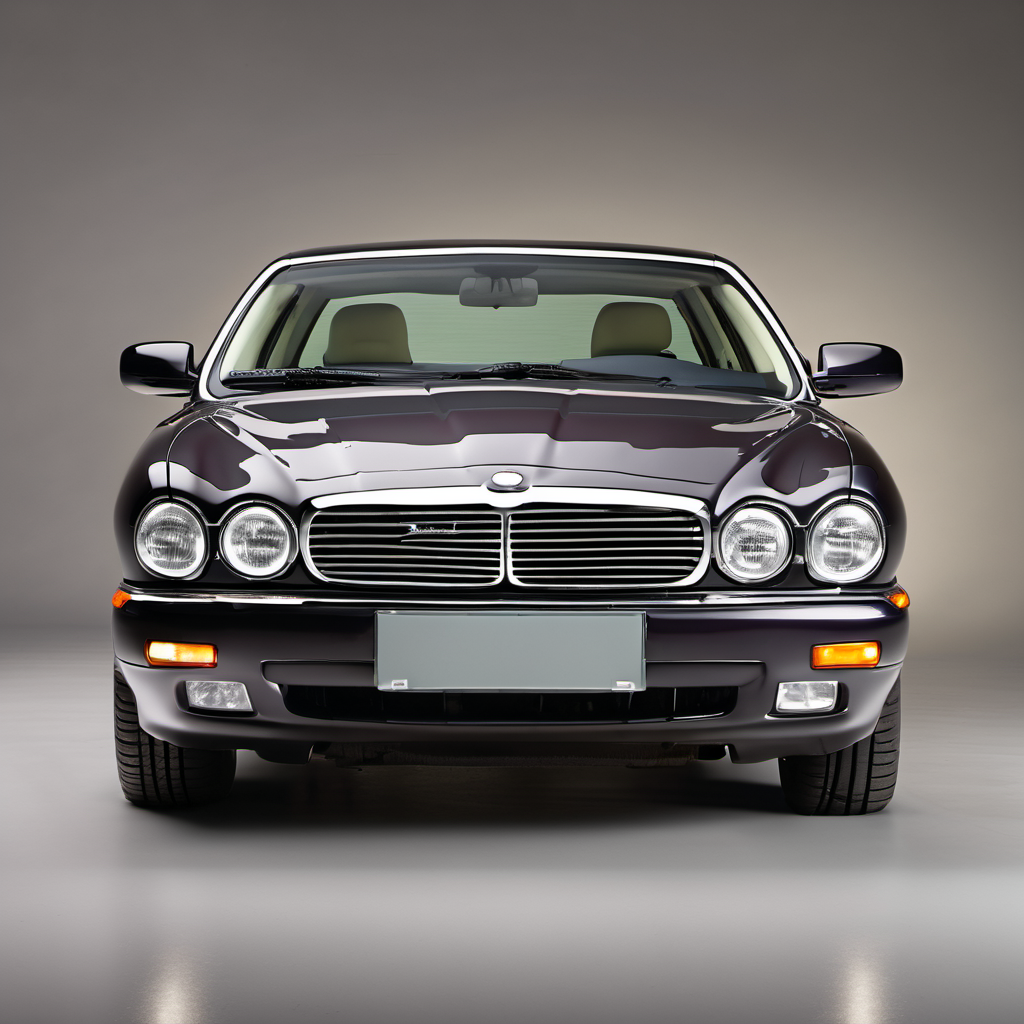
1994 Jaguar XJS
1994 Jaguar
XJS

2+2 grand touring coupe with a V12, similar long-distance comfort mission and exotic ownership experience; arguably even more complex to maintain but cheaper to purchase

1994 Ferrari
456

Contemporary Italian V12 2+2 GT targeting the same buyer; far more exotic and expensive to service, but a direct market competitor in period

No catalog match
1995 Aston Martin
Virage

Hand-built British V8 GT with similar grand touring mission and comparable rarity; ownership experience is equally demanding with even more limited parts support

No catalog match

If you're shopping for one

Red flags
  • No documented timing belt history — walk away or demand a $2,000+ price reduction and immediate service
  • Overheating history of any kind — aluminum engine block and head damage from overheating is often non-obvious and catastrophically expensive
  • Rust perforation anywhere on the unibody — structural repair on this car is not economical
  • A seller who can't name their Porsche-specialist shop — 928s need someone who knows them, and a car without a specialist's history has likely been misserviced
  • Modified or non-original fuel injection components — the LH-Jetronic system is finicky and deviations from stock make diagnosis very difficult
  • Any sign of accident repair or mismatched panel gaps — the 928 body is expensive to repair correctly and structural integrity matters on a 30-year-old platform
What to inspect
  • Pull the timing belt service history — if there's no documentation of a belt change in the last 4 years, budget for one immediately and factor it into the price
  • Check coolant color and smell; brown or oily coolant suggests head gasket or oil cooler contamination — a major repair
  • Inspect all rubber coolant hoses by squeezing them; any that feel hard, cracked, or have surface crazing need immediate replacement
  • Drive it to full operating temperature and watch the coolant temp gauge; it should stabilize in the normal range and hold steady at idle
  • Inspect the underside for rust at the front subframe mounting points, rear trailing arm brackets, and exhaust hangers — these are hard to repair cleanly
  • Check that both electric cooling fans spin up when A/C is activated and when the engine reaches operating temp
  • Test all power windows, mirrors, and seat motors — the 928's electrical components are aged and replacements are scarce
  • Look for oil seepage around the torque tube bellhousing and rear transaxle — small weeps are common, active leaks are a negotiation point
AI profile generated 4 days ago · claude-sonnet-4-6 · v2.