Oxygen sensor failure
high- Typically appears
- Any mileage — age-driven
- Estimated repair
- $120 – $320
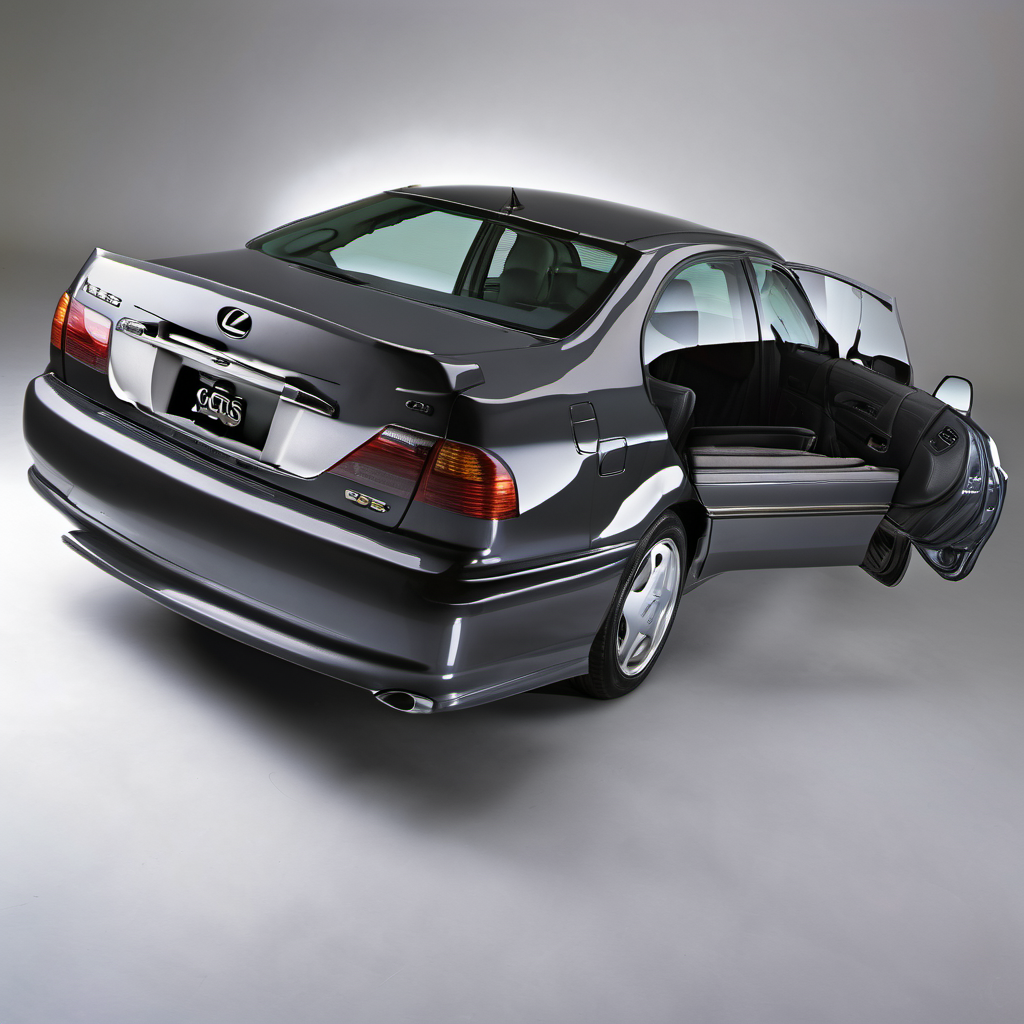
1994 Lexus
Sedan
The 1994 Lexus GS 300 was Toyota's attempt to take on the European sport-luxury sedan — BMW 5 Series, Mercedes E-Class — with Japanese build quality and a smoother ownership experience. It's the first generation of the GS (internally Z30), built on a rear-wheel-drive platform and powered by Toyota's 2JZ-GE inline-six. For its era, it was genuinely refined: the cabin was tight, the ride composed, and the powertrain near-bulletproof when properly maintained. At 30 years old, any surviving GS 300 is either a well-loved survivor or a neglected example that's been coasting on Toyota's mechanical goodwill. Parts availability has thinned for some body and trim pieces, but mechanical and powertrain components remain serviceable through Toyota dealers and the aftermarket. The 2JZ-GE enjoys a strong enthusiast following, which helps keep knowledge and parts accessible. Expect a luxury car's maintenance costs on a 30-year-old platform — rubber seals, suspension bushings, cooling system components, and aging electronics all need attention. If the maintenance history is solid, this car can still be a rewarding daily driver. If the history is murky, budget accordingly.
The 1994 Lexus GS 300 was Toyota's attempt to take on the European sport-luxury sedan — BMW 5 Series, Mercedes E-Class — with Japanese build quality and a smoother ownership experience. It's the first generation of the GS (internally Z30), built on a rear-wheel-drive platform and powered by Toyota's 2JZ-GE inline-six. For its era, it was genuinely refined: the cabin was tight, the ride composed, and the powertrain near-bulletproof when properly maintained. At 30 years old, any surviving GS 300 is either a well-loved survivor or a neglected example that's been coasting on Toyota's mechanical goodwill. Parts availability has thinned for some body and trim pieces, but mechanical and powertrain components remain serviceable through Toyota dealers and the aftermarket. The 2JZ-GE enjoys a strong enthusiast following, which helps keep knowledge and parts accessible. Expect a luxury car's maintenance costs on a 30-year-old platform — rubber seals, suspension bushings, cooling system components, and aging electronics all need attention. If the maintenance history is solid, this car can still be a rewarding daily driver. If the history is murky, budget accordingly.
The 2JZ-GE rewards clean oil above all else. At this vehicle age, shorten the interval and inspect for coolant contamination or sludge at each change.
30-year-old coolant hoses and a cast thermostat housing are failure candidates. A cooling system failure on this engine will ruin an otherwise excellent motor.
The 2JZ-GE is picky about plug quality. Wrong heat range or worn plugs cause misfires and accelerate catalytic converter wear.
The 2JZ-GE is an interference engine. A snapped belt means engine damage. On a 30-year-old car, replace it regardless of mileage if history is unknown.
Glycol-based fluid absorbs moisture over time, lowering the boiling point and accelerating internal corrosion in calipers and the ABS modulator.
Rubber fuel and vacuum lines on a 30-year-old vehicle are brittle. A cracked fuel line near the engine is a fire hazard.
RWD rear differential and the 4-speed automatic both suffer from neglected fluid. Dark, burnt fluid means a more urgent change and possible rebuild down the road.
Brake lines, fuel lines, and frame seams on a Wisconsin car are prime rust targets. Catching early surface rust before it reaches brake lines is essential.
Always defer to the manufacturer's service manual for warranty-mandated intervals.
This is a 30-year-old luxury car, so budget beyond routine oil changes. A car in good shape runs $900–$1,500/year in maintenance. An example with deferred work — cooling system, timing belt, suspension, brakes — can easily hit $2,500 or more in the first year of ownership. The engine itself is unlikely to be the expensive problem; it's everything around it.
Direct competitor in the sport-luxury RWD sedan segment; similarly aged, similar price point, inline-six engine. BMW demands more maintenance cost but offers sharper driving dynamics.
No catalog matchEuropean luxury RWD sedan from the same era and price class. The W124 E320 is also highly regarded for longevity, though parts and service cost more than the Lexus.
No catalog match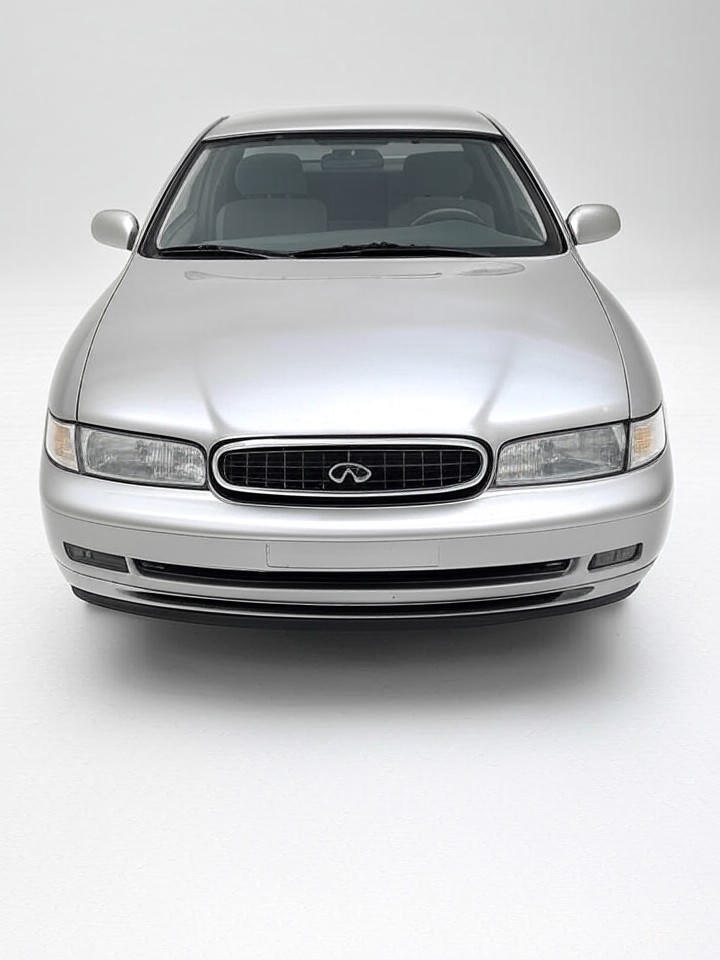
Nissan's flagship RWD luxury sedan — same Japanese luxury-sport mission, V8 power, similar age. Less parts/community support than the GS 300 but comparable refinement.
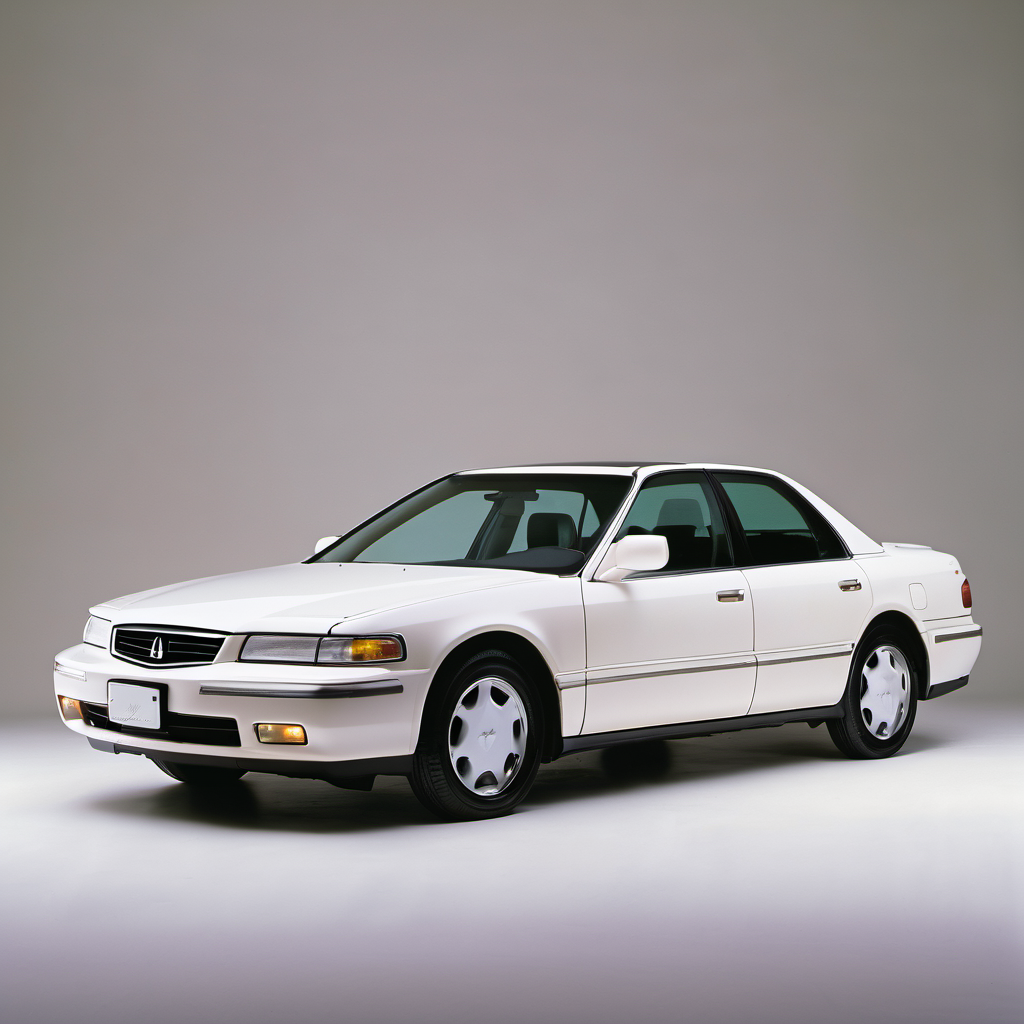
Japanese luxury sedan alternative; slightly smaller displacement V6, FWD instead of RWD, but similar ownership profile and era. Generally easier and cheaper to maintain.