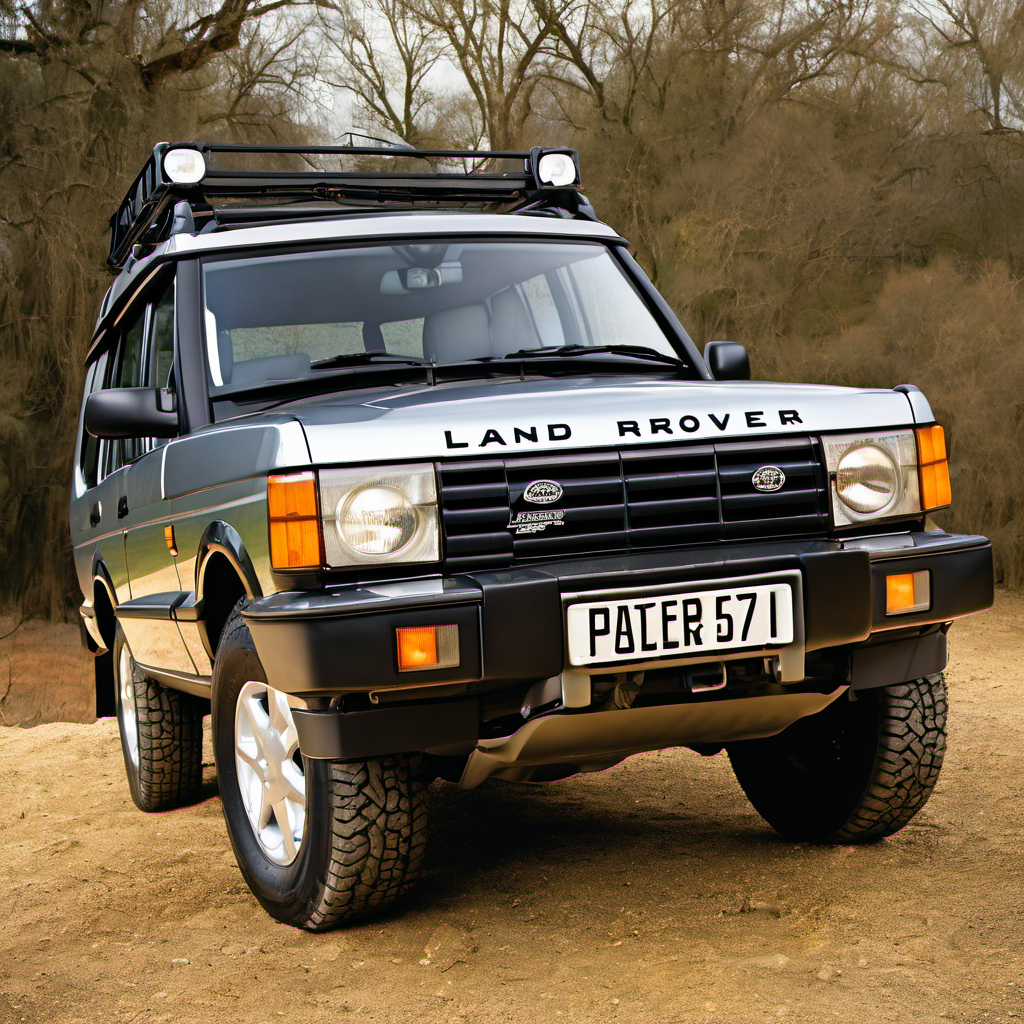
1994 Land Rover Discovery SUV

1994 Land Rover

DiscoverySUV

SUV

The 1994 Land Rover Discovery is a first-generation (Series I) body-on-frame SUV built on the same platform as the Range Rover Classic. It was Land Rover's answer to a more affordable, family-oriented off-roader, slotting below the Range Rover in the lineup while sharing much of its DNA. In North America, the '94 Disco came exclusively with the 3.9L Rover V8 and a permanent four-wheel-drive system with a two-speed transfer case — genuine off-road credentials that few competitors of the era could match. On-road, the Discovery is tall, narrow by modern standards, and distinctly trucky in feel. Refinement is modest. What it offers instead is outstanding approach and departure angles, real low-range capability, and a distinctive stepped roofline that frees up rear headroom. It seats five adults reasonably well and has an optional rear-facing third-row jump seat. Owning a 30-year-old British SUV in the Midwest is a labor of love. Parts availability has improved through specialty suppliers, but electrical gremlins, cooling system failures, and rust are constant companions. Budget accordingly and find a mechanic who actually knows these trucks before you buy.

Reliability
2/5
Verified data
Specs shown for Discovery — the most common configuration. Other trims may vary in engine, drivetrain, or fuel economy. Sign in to see your vehicle's exact specs.
Engine
[object Object]
Drivetrain
AWD
Fuel
Premium gasoline
MPG
11 city / 15 hwy / 13 combined
Seats
Doors
Body
Special Purpose Vehicles

Overview

AI-curated

The 1994 Land Rover Discovery is a first-generation (Series I) body-on-frame SUV built on the same platform as the Range Rover Classic. It was Land Rover's answer to a more affordable, family-oriented off-roader, slotting below the Range Rover in the lineup while sharing much of its DNA. In North America, the '94 Disco came exclusively with the 3.9L Rover V8 and a permanent four-wheel-drive system with a two-speed transfer case — genuine off-road credentials that few competitors of the era could match. On-road, the Discovery is tall, narrow by modern standards, and distinctly trucky in feel. Refinement is modest. What it offers instead is outstanding approach and departure angles, real low-range capability, and a distinctive stepped roofline that frees up rear headroom. It seats five adults reasonably well and has an optional rear-facing third-row jump seat. Owning a 30-year-old British SUV in the Midwest is a labor of love. Parts availability has improved through specialty suppliers, but electrical gremlins, cooling system failures, and rust are constant companions. Budget accordingly and find a mechanic who actually knows these trucks before you buy.

Known for
  • Exceptional off-road capability with permanent 4WD and locking center differential
  • Rover 3.9L V8 — torquey but fragile when overheated or poorly maintained
  • Distinctive stepped roofline and upright, boxy British character
  • Notoriously complex and temperamental Lucas Electronics ('Prince of Darkness')
  • Strong enthusiast community with good aftermarket parts support
Best for
  • Off-road enthusiasts who enjoy wrenching on their rigs
  • Weekend trail and overlanding use
  • Buyers who want a classic, characterful SUV and can handle higher maintenance costs
  • Collectors or Land Rover devotees
Watch for
  • Head gasket failure — the single biggest killer of the 3.9L V8
  • Severe rust on frame, outriggers, and floor sections on Midwest/salt-road examples
  • Lucas electrical system failures: erratic gauges, failing relays, short circuits
  • Leaking transfer case and differential seals
  • Cooling system neglect leading to catastrophic engine damage

Common issues by mileage

6 known

Head Gasket Failure (3.9L V8)

high
Typically appears
60–120k mi
Estimated repair
$1,800 – $3,500

Cooling System Failure (radiator, hoses, thermostat, overflow tank)

high
Typically appears
50–100k mi
Estimated repair
$400 – $1,200

Lucas Electrical Gremlins (relays, grounds, instrument cluster)

high
Typically appears
Any mileage
Estimated repair
$150 – $800

Transfer Case and Differential Seal Leaks

high
Typically appears
60–150k mi
Estimated repair
$300 – $900

Frame and Body Rust (outriggers, floor sections, rocker panels)

high
Typically appears
Any mileage — accelerated on salt-road vehicles
Estimated repair
$500 – $4,000

Oxygen Sensor / Fuel Trim Issues

medium
Typically appears
80–150k mi
Estimated repair
$150 – $450

Maintenance schedule

  1. 1
    Every 2 years or 30k mi — no exceptions Cooling system flush and full inspection (hoses, thermostat, pressure test)

    The 3.9L V8 is extremely sensitive to overheating. A single overheat event can crack or warp the aluminum heads and blow head gaskets. Old coolant accelerates corrosion in the aluminum block passages.

  2. 2
    Every 3,000–5,000 mi Engine oil and filter change with correct viscosity oil

    The Rover V8 has tight tolerances and older seals that respond poorly to extended oil change intervals. Fresh oil is the cheapest insurance on this engine.

  3. 3
    Every 15k mi or annually Inspect and re-grease all chassis grease points (steering, driveshafts, suspension)

    Body-on-frame construction means lots of greaseable joints. Neglect leads to accelerated wear in the steering and front axle components that are expensive to replace.

  4. 4
    Every 30k mi or annually Check and top off transfer case and differential fluids

    Seals on the transfer case and differentials are known to weep. Running low on gear oil causes rapid internal wear. Catching a seal leak early saves a costly rebuild.

  5. 5
    Annually or whenever electrical oddities appear Inspect all electrical grounds and clean battery terminals

    The Lucas electrical system is ground-sensitive. Corroded or loose grounds cause a cascade of seemingly unrelated electrical faults. This is a 15-minute job that prevents hours of diagnosis.

  6. 6
    Annually — before and after Wisconsin winter Inspect frame outriggers, floor sections, and body mounts for rust

    Road salt accelerates rust on these trucks dramatically. Structural rust on outriggers and frame sections can make a vehicle unsafe and cost more to repair than the truck is worth.

  7. 7
    Every 30k mi Replace spark plugs, distributor cap, and rotor

    The 3.9L V8 uses a conventional distributor ignition. Worn ignition components cause misfires, poor fuel economy, and hard starts in cold Wisconsin winters.

  8. 8
    Every 50k mi or at first sign of cracking Inspect and replace serpentine/accessory belts and tensioner

    A snapped belt in sub-zero temperatures strands you immediately and can cause rapid overheating. Cold weather makes old rubber belts crack and fail without warning.

Always defer to the manufacturer's service manual for warranty-mandated intervals.

Cost of ownership

Annual maintenance
$1,200 – $3,500
Fuel
At 13 MPG combined and Wisconsin driving patterns, expect $2,800–$3,800/year in fuel at current prices. Premium fuel is specified.
Insurance
Typically modest — collector/classic vehicle policies are available and often cheaper than standard policies for low-mileage use.

This is a high-cost vehicle to own and operate. Fuel economy is poor, maintenance costs for a 30-year-old British SUV are well above average, and parts often need to come from specialty suppliers. A single major repair (head gasket, transfer case, rust remediation) can easily exceed the vehicle's market value. Budget a contingency fund of $2,000–$5,000 annually for unplanned repairs if using it regularly. It is best owned by someone who has mechanical aptitude or a trusted specialist shop relationship.
Seasonal care

Lake Geneva, WI
Winter
  • Flush and pressure-test the cooling system before freeze season — a slow coolant leak that's merely annoying in summer becomes a stranding event at -10°F
  • Test the battery and replace if it's older than 3 years; the Rover V8 is a hard cold-crank load and a weak battery will leave you stranded
  • Switch to a full-synthetic engine oil rated for sub-zero starts (e.g., 5W-30) to improve cold cranking and protect on startup
  • Inspect the undercarriage and frame outriggers before winter; apply rust inhibitor to bare metal — Lake Geneva road salt will accelerate any existing rust rapidly
  • Use a freeze-rated washer fluid rated to at least -20°F; the tall windshield catches significant road spray and stock reservoirs are small
  • Carry a recovery kit (tow strap, shovel, traction boards) — the 4WD system is genuine and capable, but getting truly stuck in a Wisconsin snowstorm is still possible
Summer
  • Inspect coolant hoses and clamps carefully before summer heat — rubber hoses on a 30-year-old truck get brittle and summer heat is the other prime trigger for overheating events
  • Check A/C system refrigerant and operation; the original R-12 system should have been converted to R-134a — verify this was done correctly if unknown
  • Monitor tire pressure weekly in summer heat; the tall, narrow tires on the Discovery are sensitive to pressure changes and improper inflation affects handling significantly
  • Check the power steering fluid and inspect the steering rack for seepage — heat soak accelerates seal degradation on older power steering systems
  • Inspect door and window seals; aged rubber lets in heat, noise, and eventually water — reseal or replace before water damage reaches the famously rust-prone floor sections

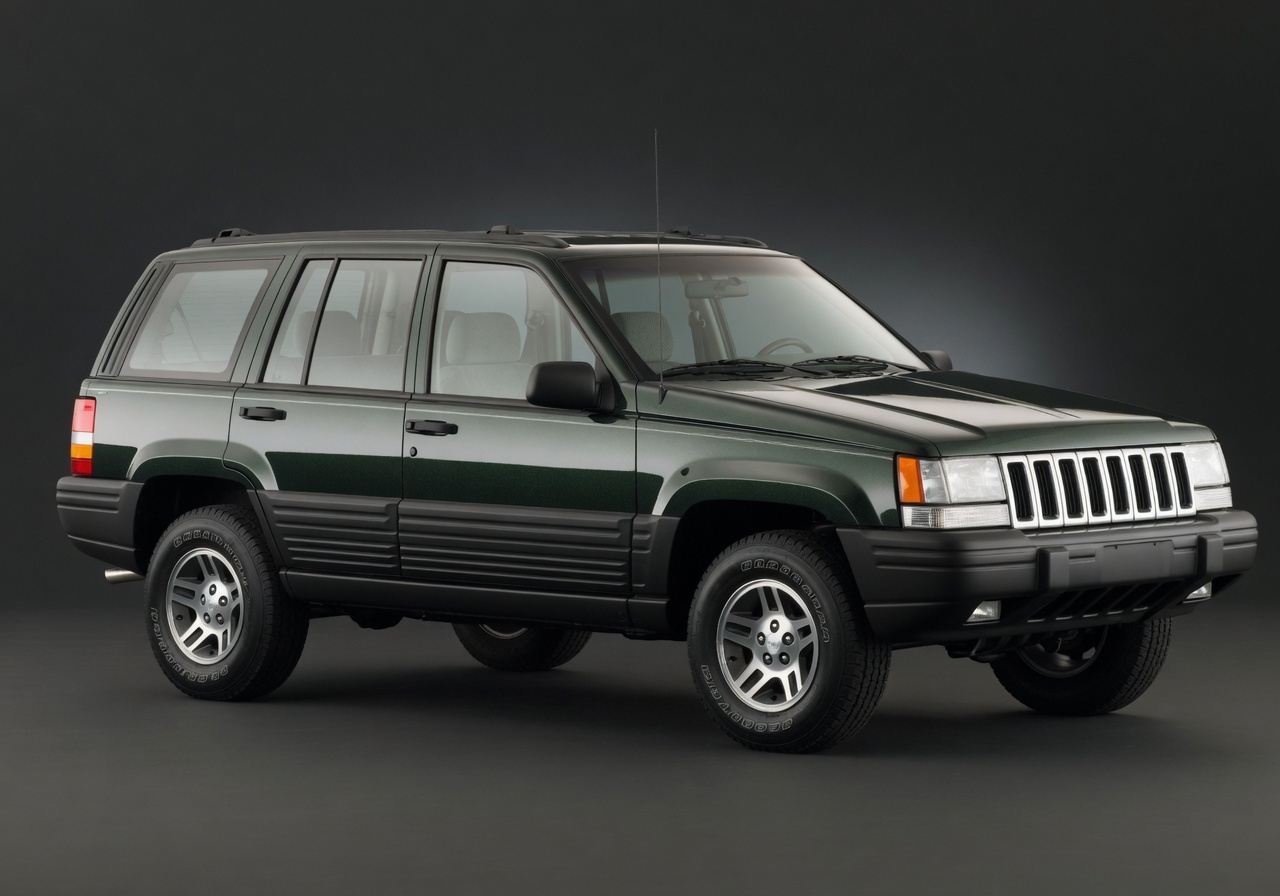
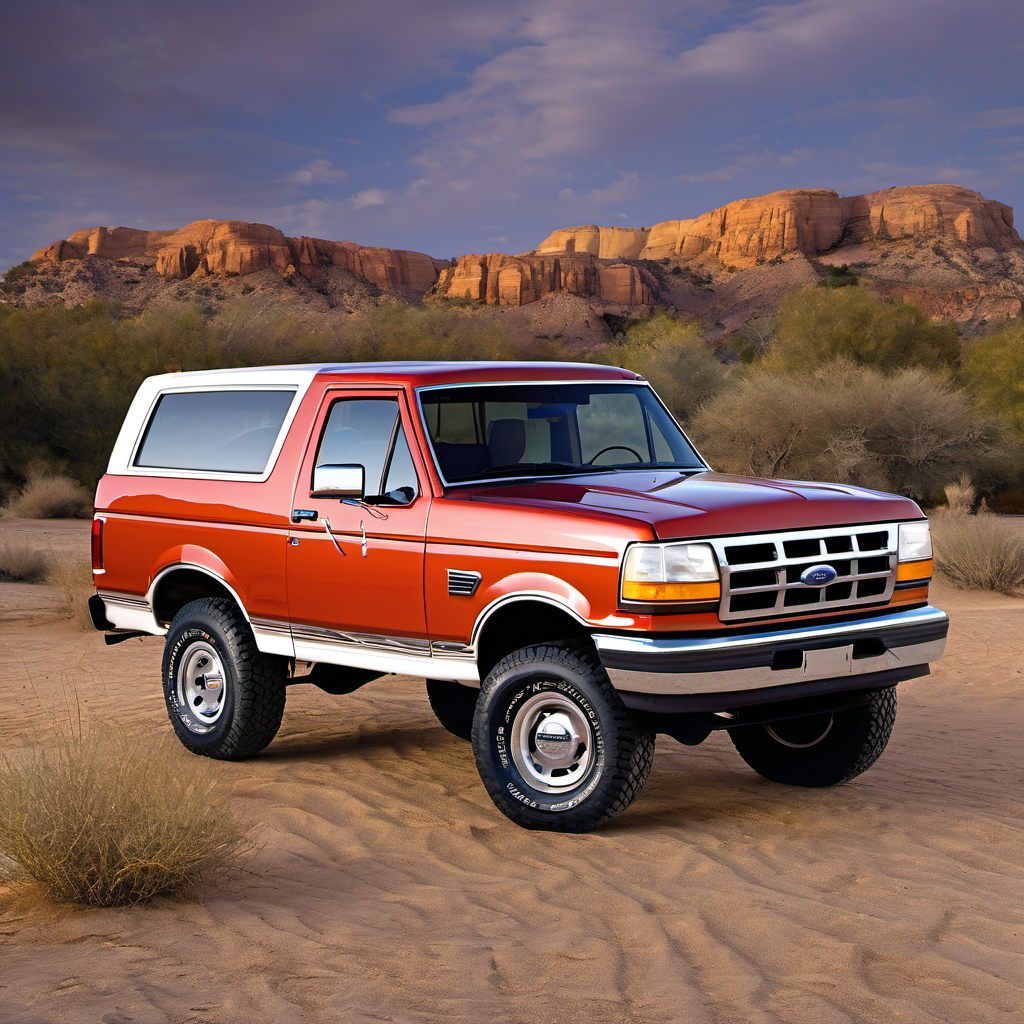
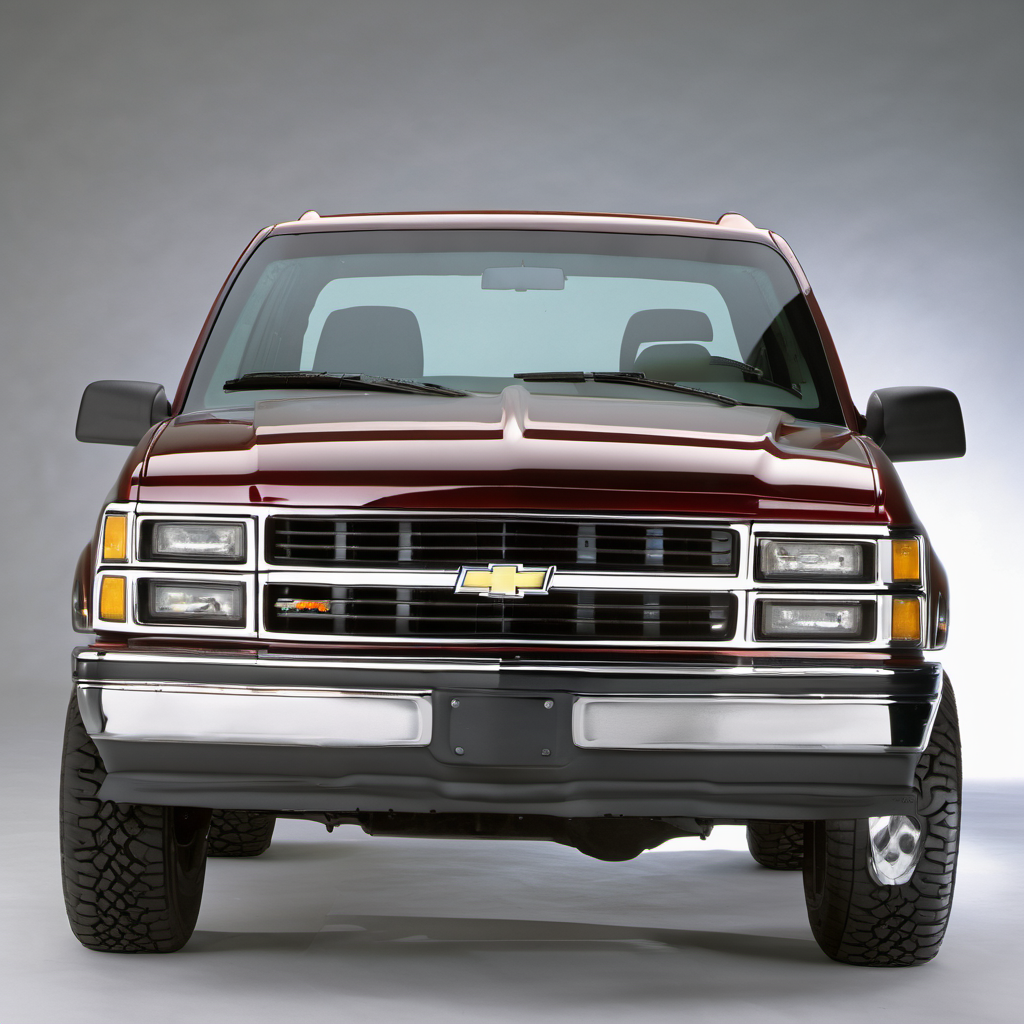
Comparable vehicles

If you're shopping for one

Red flags
  • No service records — on a 30-year-old British SUV, unknown history is a serious risk
  • Any sign of overheating in the history (replaced overflow tank, patched hoses, new thermostat with no explanation)
  • Heavy rust on frame outriggers or floor — repair costs can exceed vehicle value
  • Milky oil or sweet-smelling exhaust — head gasket failure in progress
  • Multiple electrical components not working — indicates deeper wiring or ground issues
  • Evidence of amateur repairs or mismatched wiring — DIY electrical work on a Lucas system often creates more problems than it solves
  • Seller cannot demonstrate functioning low-range 4WD — a core selling point of the Disco; if it doesn't work, walk away
What to inspect
  • Pull the dipstick and look for milky, foamy oil — a classic sign of head gasket failure mixing coolant into the oil on the 3.9L V8
  • Remove the radiator cap (cold engine only) and look for oily residue or bubbles — another head gasket indicator
  • Get under the truck and inspect every frame outrigger, floor section, and body mount for rust; poke with a screwdriver — soft or flaking metal is a structural red flag
  • Run the engine to full operating temperature and watch the temperature gauge closely — any creep toward the hot end indicates a cooling system problem
  • Check all four differentials and the transfer case for oil seepage on the underside
  • Test every electrical component: windows, locks, gauges, lights, wipers — gremlins are easier to find before purchase than after
  • Verify the 4WD system engages and disengages properly in all modes, including low range and center diff lock
  • Check the service history specifically for any cooling system work, head gasket repair, or evidence of overheating (warped overflow tank, cracked hoses, white exhaust residue)
AI profile generated 4 days ago · claude-sonnet-4-6 · v2.