Head Gasket Failure (4.0L Rover V8)
high- Typically appears
- 60–150k mi
- Estimated repair
- $1,800 – $3,500
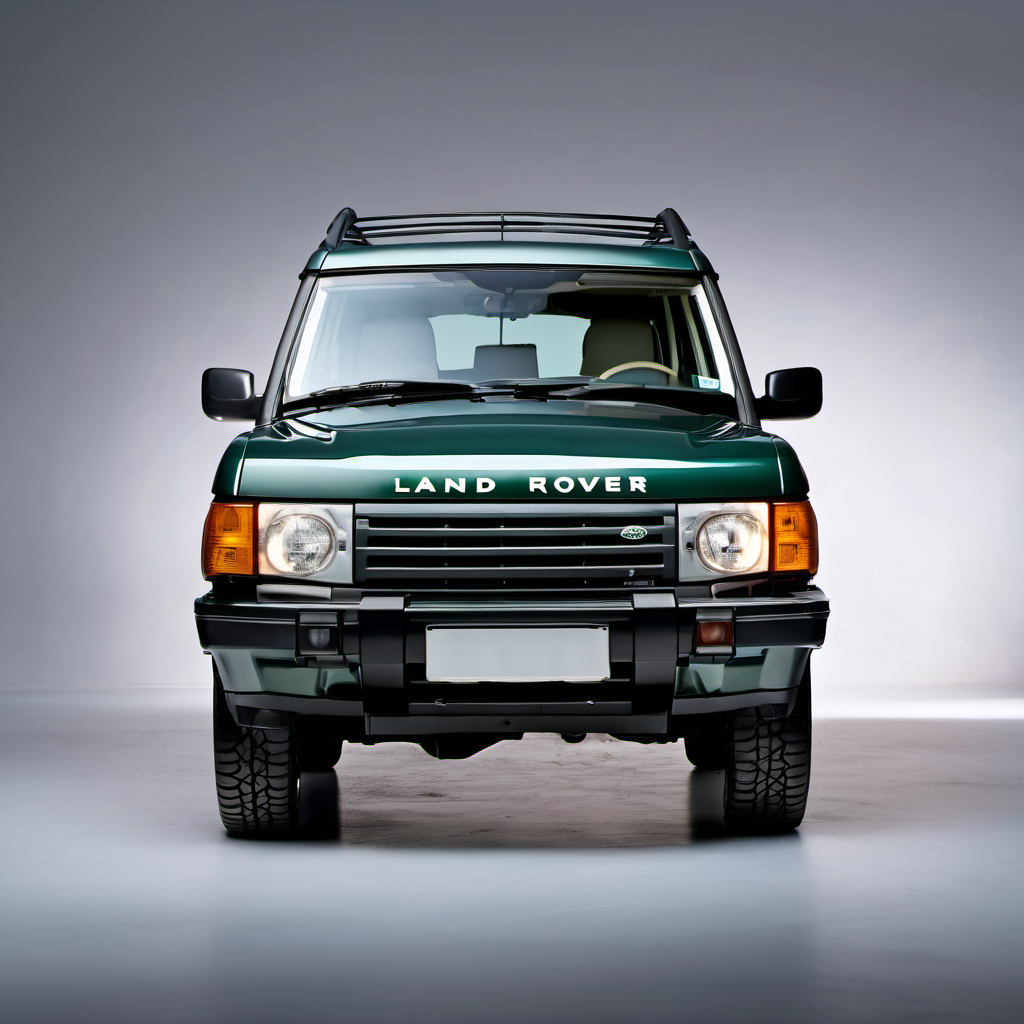
1996 Land Rover
SUV
The 1996 Land Rover Discovery is a mid-size body-on-frame SUV built on Land Rover's long-running LT77/R380 platform and powered by a 4.0L Rover V8 — a descendant of the old Buick/Oldsmobile 215 aluminum block. First-generation Discoverys (1994–1999) were sold in the U.S. as a more affordable alternative to the Range Rover while sharing much of the same drivetrain DNA. They brought genuine off-road capability to the family SUV segment at a time when most American competitors were still truck-based fare with modest 4x4 systems. On the road, the Discovery offers a commanding driving position, a unique stepped roofline that creates surprisingly good headroom for a third row, and a compliant ride on pavement — it's clearly more Range Rover-influenced than strictly utilitarian. Off-road, the permanent four-wheel-drive system with a two-speed transfer case, long-travel suspension, and good approach/departure angles make it genuinely capable. However, that same character translates to thirsty fuel economy and a parts-heavy architecture that demands consistent, attentive maintenance. Owning a nearly 30-year-old British SUV in Lake Geneva, Wisconsin is a commitment. Rust, electrical gremlins, cooling system failures, and aged rubber seals are the realities of a high-mileage example. Enthusiast support and specialist parts availability keep these vehicles on the road, but budget accordingly — deferred maintenance on a Discovery compounds quickly.
The 1996 Land Rover Discovery is a mid-size body-on-frame SUV built on Land Rover's long-running LT77/R380 platform and powered by a 4.0L Rover V8 — a descendant of the old Buick/Oldsmobile 215 aluminum block. First-generation Discoverys (1994–1999) were sold in the U.S. as a more affordable alternative to the Range Rover while sharing much of the same drivetrain DNA. They brought genuine off-road capability to the family SUV segment at a time when most American competitors were still truck-based fare with modest 4x4 systems. On the road, the Discovery offers a commanding driving position, a unique stepped roofline that creates surprisingly good headroom for a third row, and a compliant ride on pavement — it's clearly more Range Rover-influenced than strictly utilitarian. Off-road, the permanent four-wheel-drive system with a two-speed transfer case, long-travel suspension, and good approach/departure angles make it genuinely capable. However, that same character translates to thirsty fuel economy and a parts-heavy architecture that demands consistent, attentive maintenance. Owning a nearly 30-year-old British SUV in Lake Geneva, Wisconsin is a commitment. Rust, electrical gremlins, cooling system failures, and aged rubber seals are the realities of a high-mileage example. Enthusiast support and specialist parts availability keep these vehicles on the road, but budget accordingly — deferred maintenance on a Discovery compounds quickly.
The Rover V8 head gaskets are acutely sensitive to cooling system neglect. Old coolant, weak pressure caps, or a failing thermostat can push the engine into overheating territory fast. Inspect the overflow tank, radiator, all hoses, and the cap every time.
The aluminum Rover V8 benefits from more frequent oil changes than modern engines. Oil breakdown accelerates head gasket issues. Do not stretch intervals on this engine.
Pre-emptive head gasket replacement or at minimum inspection is strongly advised on any Discovery with unknown history over 80k miles. Catching it before failure saves the engine.
These units run in the same fluid for long periods and leaks are common. Fresh gear oil extends life and lets you spot seal failures early.
Road salt accelerates rubber degradation. Cracked CV boots and differential seals lead to bearing and seal failures. Annual inspection is cheap; ignoring it is not.
Brake fluid is hygroscopic; old fluid on a heavy SUV with a demanding braking load raises boiling risk. Wisconsin winters mean heavy brake use on slippery surfaces.
The Discovery's electrical system is already prone to gremlins; a weak battery amplifies every quirk. Cold-cranking a 4.0L V8 at -10°F demands a strong battery and clean connections.
The Rover V8 uses a timing chain rather than a belt, but tensioners wear and valve cover gaskets leak oil onto hot exhaust components — both a fire risk and a mess that masks other leaks.
Always defer to the manufacturer's service manual for warranty-mandated intervals.
The Discovery is not a cheap vehicle to own. Annual maintenance on a well-kept example in the $1,200–$2,000 range is realistic; a neglected one or one hitting a major repair (head gaskets, suspension overhaul, rust remediation) can run $3,500 or more in a single year. Fuel costs are high for a daily driver. The sweet spot is an owner who stays ahead of maintenance — deferred service on this vehicle is exponentially more expensive than preventive care.
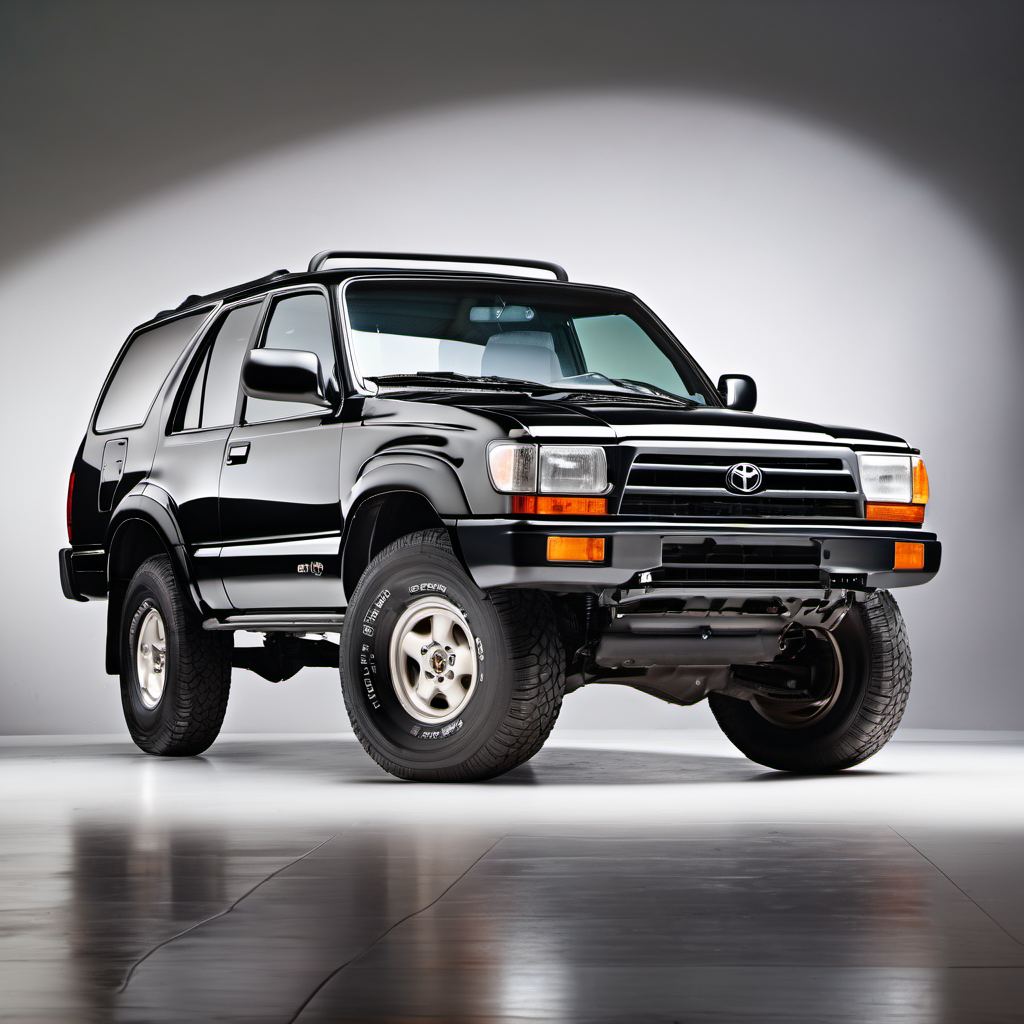
Same era, same segment, body-on-frame SUV with genuine off-road chops — but dramatically more reliable with far lower maintenance costs. The 3.4L V6 4Runner of this generation regularly reaches 250k+ miles.
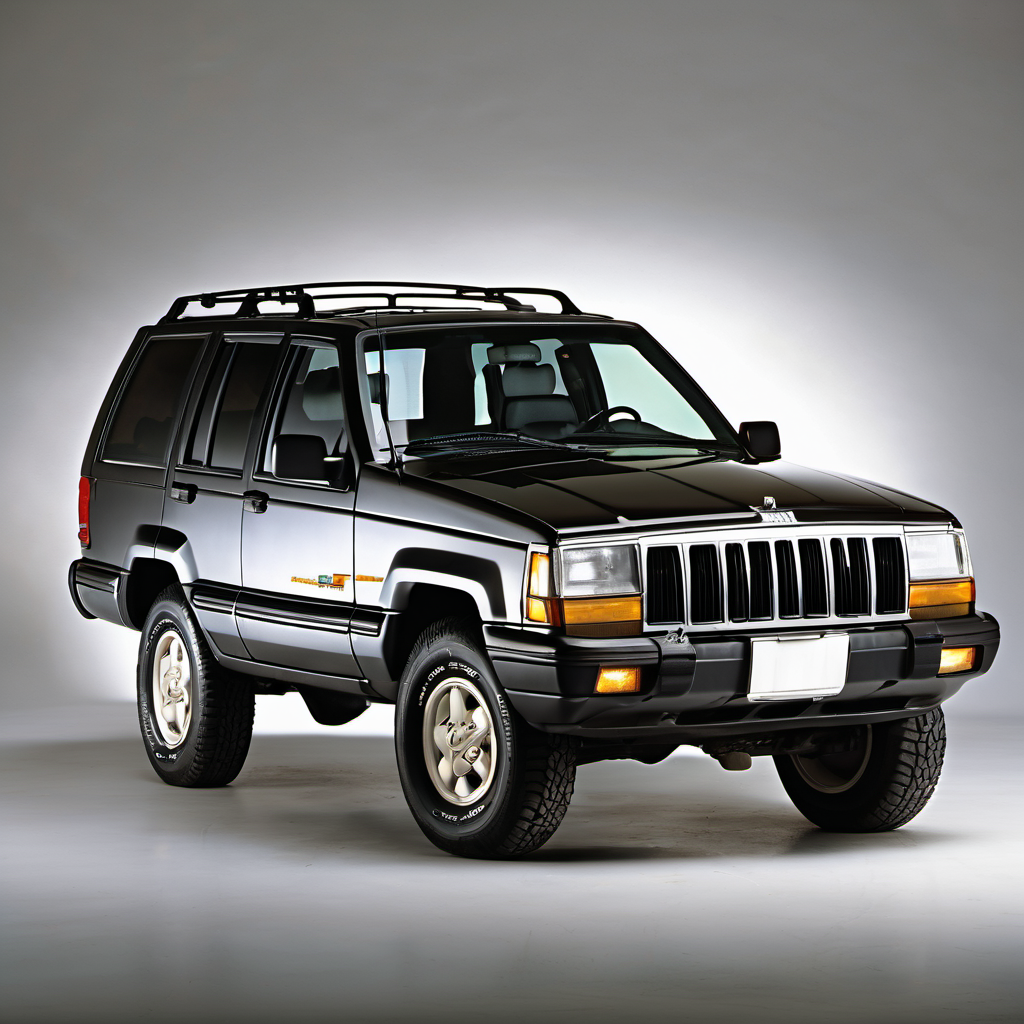
Comparable price, similar off-road mission, and available V8. Parts are far cheaper and more widely available. The ZJ Grand Cherokee is a direct competitor and easier to maintain in the Midwest.

More common, cheaper to repair, and broadly similar in family-hauling utility. Lacks the Discovery's off-road depth but far lower cost of ownership and easier parts sourcing at any shop.
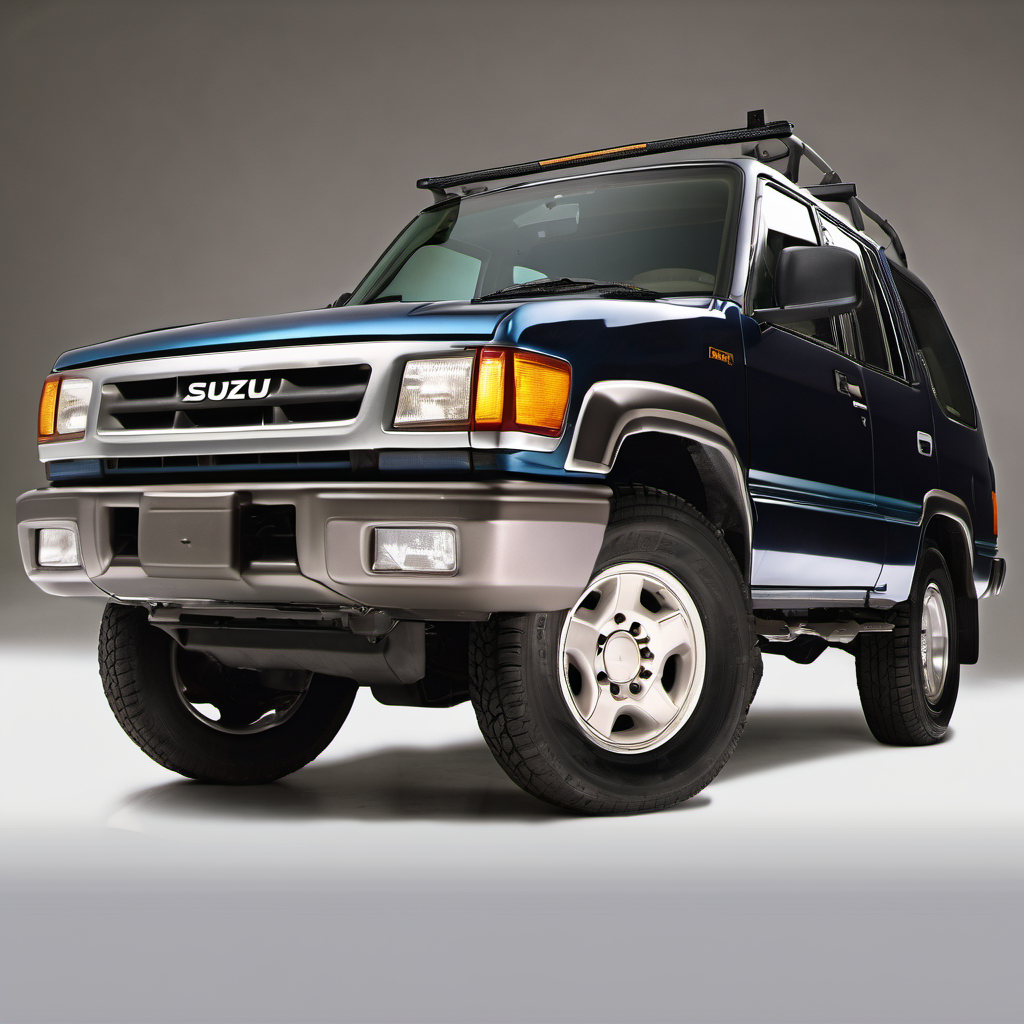
Underrated contemporary with a solid 3.2L V6, genuine 4WD, and similar upright SUV packaging. Much better reliability reputation and significantly lower maintenance costs than the Discovery.