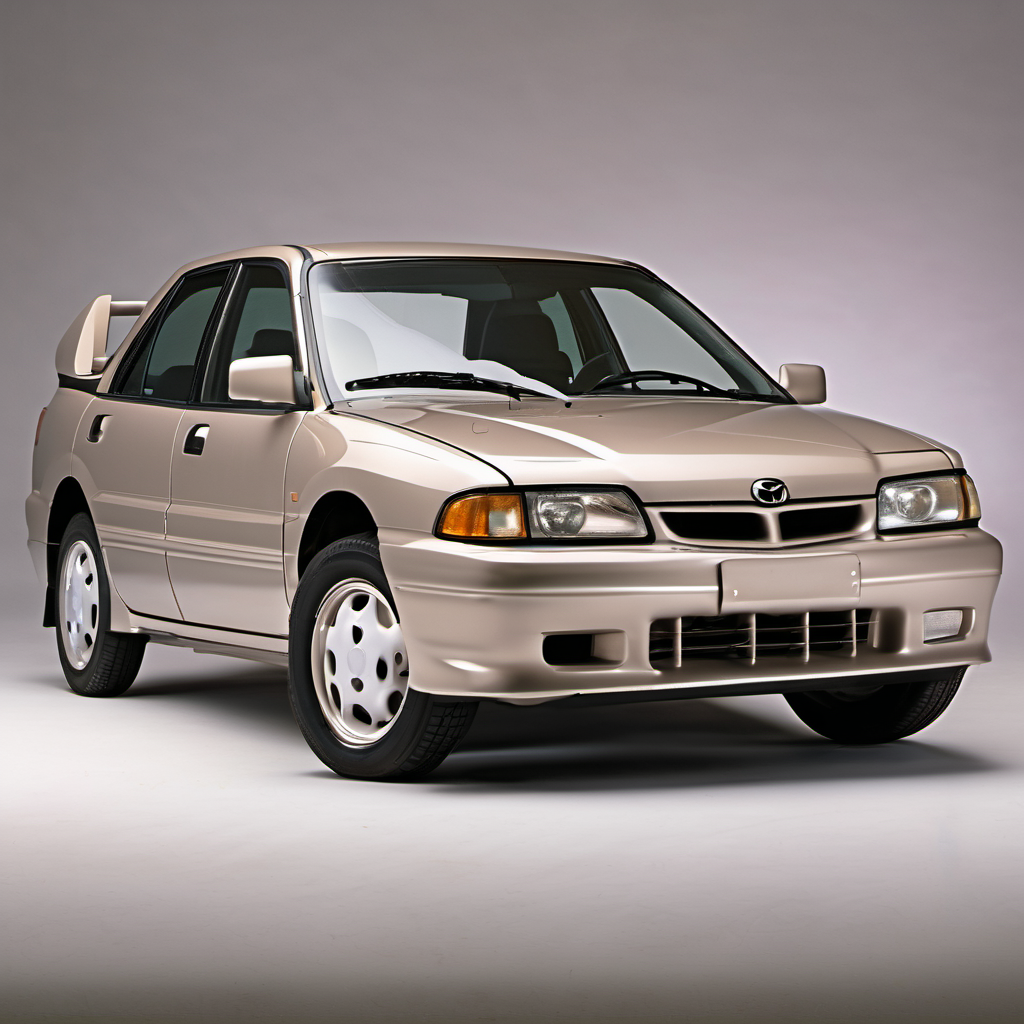
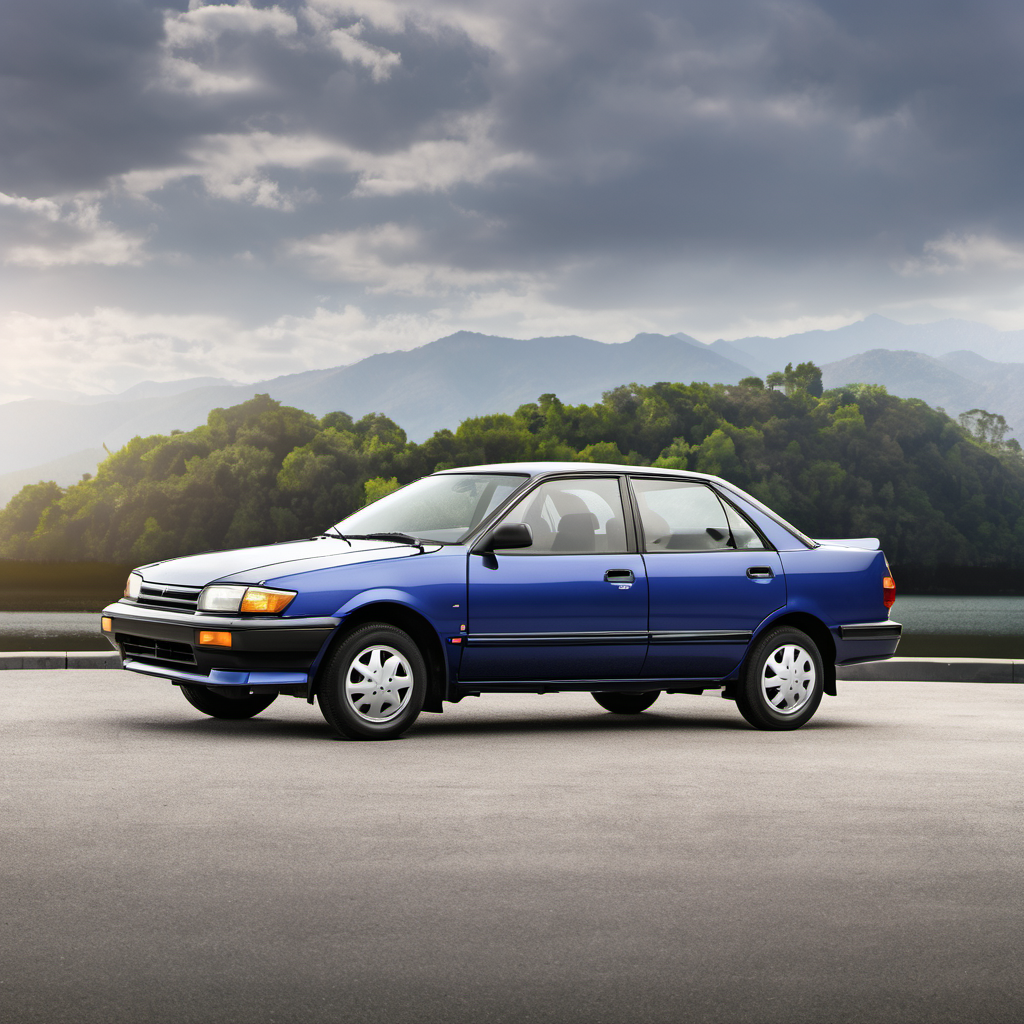
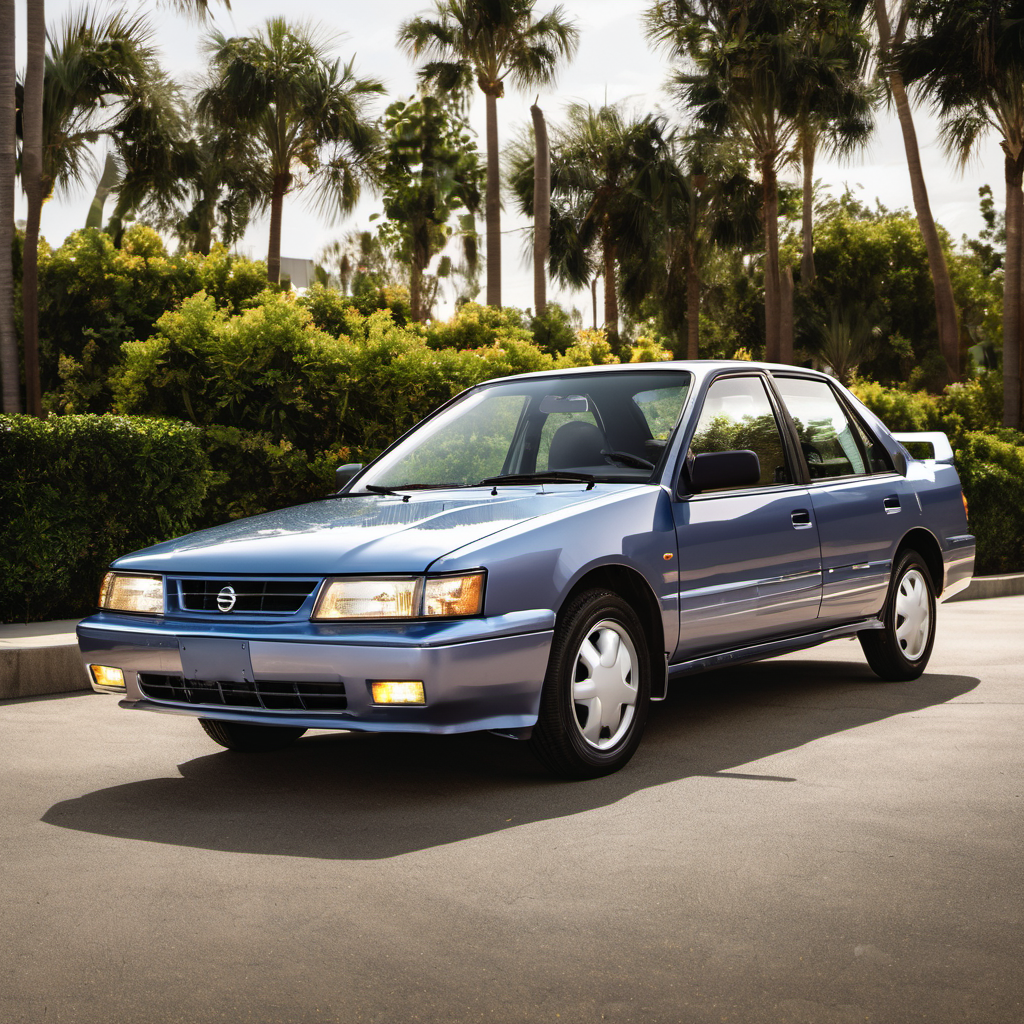
1994 MAZDA Protege Sedan

1994 MAZDA

ProtegeSedan

Sedan

The 1994 Mazda Protege is a compact front-wheel-drive sedan that earned a strong reputation for durability and low cost of ownership during its era. Powered by a 1.8L SOHC four-cylinder, it strikes a practical balance between fuel economy and adequate everyday performance. It was never flashy, but owners who kept up with basic maintenance routinely saw these cars run well past 150,000 miles. By 1994 standards, the Protege offered a comfortable, well-sorted ride with light, responsive steering — qualities that made it a favorite among commuters and budget-conscious buyers alike. The interior is simple and functional, with most mechanical systems easy to access and inexpensive to repair. At 30 years old, any surviving 1994 Protege is firmly in classic/collector territory for daily-driver enthusiasts. Finding one in solid condition takes patience, as rust and deferred maintenance are the primary enemies of longevity on cars this age — especially in the upper Midwest.

Reliability
4/5
Verified data
Specs shown for Protege — the most common configuration. Other trims may vary in engine, drivetrain, or fuel economy. Sign in to see your vehicle's exact specs.
Engine
[object Object]
Drivetrain
FWD
Fuel
Gasoline
MPG
21 city / 29 hwy / 24 combined
Seats
Doors
Body
Compact Cars

Overview

AI-curated

The 1994 Mazda Protege is a compact front-wheel-drive sedan that earned a strong reputation for durability and low cost of ownership during its era. Powered by a 1.8L SOHC four-cylinder, it strikes a practical balance between fuel economy and adequate everyday performance. It was never flashy, but owners who kept up with basic maintenance routinely saw these cars run well past 150,000 miles. By 1994 standards, the Protege offered a comfortable, well-sorted ride with light, responsive steering — qualities that made it a favorite among commuters and budget-conscious buyers alike. The interior is simple and functional, with most mechanical systems easy to access and inexpensive to repair. At 30 years old, any surviving 1994 Protege is firmly in classic/collector territory for daily-driver enthusiasts. Finding one in solid condition takes patience, as rust and deferred maintenance are the primary enemies of longevity on cars this age — especially in the upper Midwest.

Known for
  • Reliable 1.8L SOHC four-cylinder engine
  • Light, nimble handling for a compact sedan
  • Low cost to maintain and repair
  • Good fuel economy for its era
  • Simple mechanicals that age gracefully with proper care
Best for
  • Budget-conscious commuters who can wrench or find a trusted shop
  • Enthusiasts looking for an affordable, characterful daily driver
  • Buyers who prioritize low operating costs over modern features
  • Someone wanting a simple, easily sourced compact
Watch for
  • Severe rust on rocker panels, floor pans, and wheel arches — a death sentence in Wisconsin
  • Neglected timing belt (interference engine — engine damage if it snaps)
  • Worn or leaking CV axle boots causing joint failure
  • Age-hardened rubber: hoses, belts, bushings, and seals all suspect at 30 years
  • Availability of some OEM parts becoming limited

Common issues by mileage

6 known

Timing belt failure

high
Typically appears
60–105k mi (and every interval thereafter)
Estimated repair
$250 – $450

CV axle boot cracking / joint failure

high
Typically appears
80–150k mi
Estimated repair
$150 – $350

Coolant hose and radiator deterioration

high
Typically appears
Any — age-related on a 30-year-old vehicle
Estimated repair
$100 – $400

Rust — rocker panels, floor pans, wheel arches

high
Typically appears
Any — climate and age dependent
Estimated repair
$500 – $3,000

Worn suspension bushings and struts

high
Typically appears
100k+ mi / age-related
Estimated repair
$300 – $900

Maintenance schedule

  1. 1
    Every 60,000 miles or 5 years — whichever comes first Timing belt and tensioner replacement

    This is an interference engine. A snapped belt will bend valves and cause serious engine damage. On a 30-year-old car, replace it regardless of mileage if history is unknown.

  2. 2
    Every 3,000–5,000 miles with conventional oil Engine oil and filter change

    The 1.8L SOHC runs clean with regular changes. At this age, conventional oil is preferred over full synthetic in engines with higher wear; watch for leaks at valve cover and rear main seal.

  3. 3
    Every 2 years Coolant flush and hose inspection

    30-year-old coolant hoses are hard and brittle. A blown hose in a Wisconsin winter is a tow call. Replace hoses proactively if they haven't been changed recently.

  4. 4
    Every oil change CV axle boot inspection

    Cracked boots let grease escape and allow dirt in, destroying the joint. Catching a torn boot early means a cheap boot kit fix; ignoring it means a full axle replacement.

  5. 5
    Every 2 years Brake fluid flush

    Brake fluid absorbs moisture over time, lowering its boiling point and accelerating internal corrosion. Especially important in a Midwest car exposed to road salt and temperature swings.

  6. 6
    Inspect annually; replace as needed Inspect and replace brake lines

    Wisconsin salt exposure corrodes steel brake lines from the outside in. A brake line failure is catastrophic. Have the undercarriage inspected carefully each spring.

  7. 7
    Every 15,000–20,000 miles Air filter replacement

    A clean air filter protects the 1.8L and supports fuel economy. Easy DIY job and inexpensive.

  8. 8
    Every fall, before winter Battery load test

    A 30-year-old car likely has a modern replacement battery, but cold-cranking amps drop sharply below 0°F. Test every fall and replace any battery showing weakness before Lake Geneva winters set in.

Always defer to the manufacturer's service manual for warranty-mandated intervals.

Cost of ownership

Annual maintenance
$600 – $1,800
Fuel
At 24 MPG combined and ~12,000 miles/year, expect roughly $1,400–$1,700/year at current Midwest gas prices. Light around-town use will favor the 21 MPG city figure.
Insurance
Liability-only coverage is common on a vehicle this age and value; expect $400–$800/year depending on your driving record. Agreed-value coverage is worth considering if the car is in collector condition.

On a well-maintained example, annual costs are modest. The big wildcard is deferred maintenance and rust remediation — a clean car with documented service history keeps you in the lower end of that range, while a neglected one can surprise you with large one-time bills. Parts are generally affordable and some are still available through Mazda and aftermarket suppliers, though availability is tightening on some items.
Seasonal care

Lake Geneva, WI
Winter
  • Test battery cold-cranking amps every fall — sub-zero Lake Geneva temps are brutal on marginal batteries
  • Switch to a winter-rated washer fluid rated to at least -20°F; the Protege's reservoir is small, so top it off frequently
  • Inspect wiper blades before first snow; consider winter-specific blades to handle wet Wisconsin snow
  • Rinse the undercarriage at a coin wash every 1–2 weeks during salting season — rust is already the #1 threat on these cars
  • Check tire tread and consider a dedicated winter tire set; the FWD helps, but the Protege's light front end needs good rubber to brake well on ice
  • Verify coolant freeze protection is good to at least -34°F with a tester — old coolant loses its freeze point
Summer
  • Inspect all coolant hoses and the radiator cap before summer heat — aged rubber fails under pressure at high temps
  • Check A/C refrigerant charge and cabin blower function; the R-12 system on a 1994 model may have been converted to R-134a — confirm which refrigerant is in the system before any service
  • Check tire pressure monthly; pressure rises with summer heat and an already-aging sidewall needs to stay in spec
  • Inspect the rubber CV boots after winter — salt and freeze-thaw cycles crack boots that look marginal
  • Park in shade when possible; 30-year-old interior plastics and seals degrade quickly under direct UV

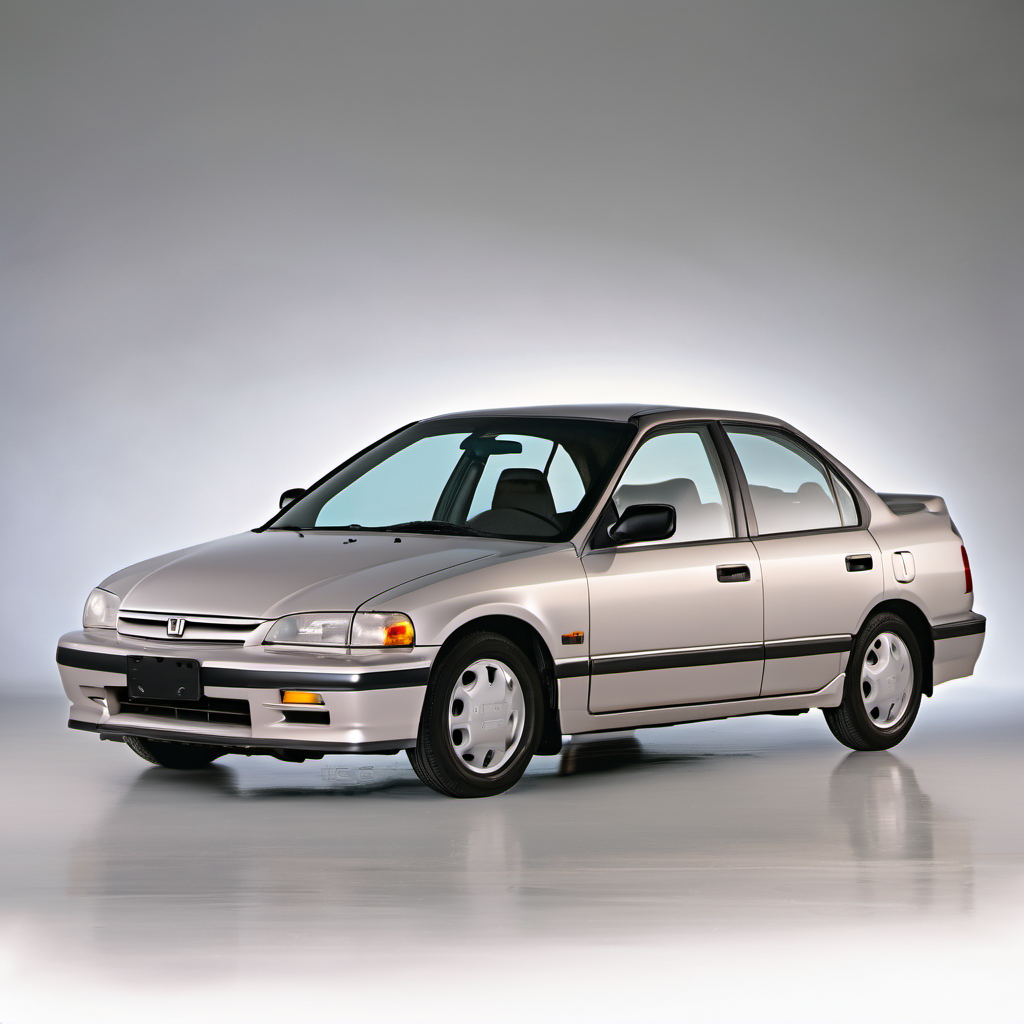
Comparable vehicles

If you're shopping for one

Red flags
  • Any visible rust through the floor, rocker panels, or subframe — walk away
  • No timing belt service records and the seller can't confirm when it was last done
  • Coolant that's brown, oily, or has visible debris — points to head gasket or long-neglected cooling system
  • Excessive blue or white smoke at startup — burning oil or coolant
  • Clunking or clicking from the front end under load — likely failed CV joints, which can also indicate how the car was maintained overall
  • Mismatched paint panels or signs of significant collision repair on a 30-year-old car with unknown repair quality
What to inspect
  • Full undercarriage rust inspection — rocker panels, floor pans, subframe, and brake lines are critical; poke with a screwdriver, not just a visual
  • Timing belt service history — ask for receipts; if unknown, budget for immediate replacement before driving it
  • CV axle boots — look for grease splatter on the inside of the wheel wells indicating a torn boot
  • All coolant hoses for cracking, soft spots, or swelling, especially near the clamps
  • Compression test to verify engine health before purchase
  • A/C system refrigerant type (R-12 vs R-134a conversion) and whether it holds a charge
  • Brake line condition — rust pitting on steel lines is a no-go
AI profile generated 13 days ago · claude-sonnet-4-6 · v2.