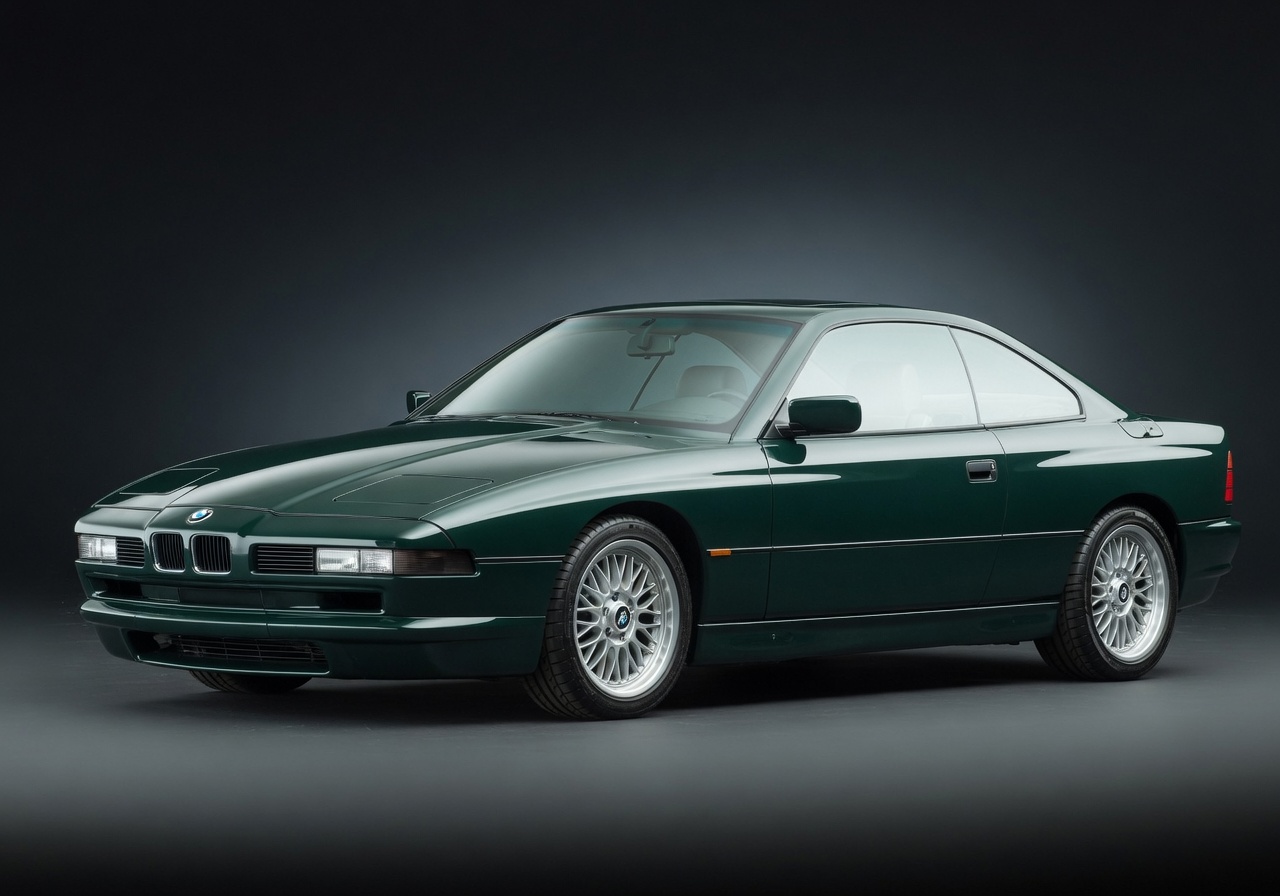
1994 BMW 8 Series Coupe

1994 BMW

8 SeriesCoupe

Coupe

The 1994 BMW 850CSi is the pinnacle of BMW's grand touring coupe lineup — a low-slung, 2+2 flagship built on the E31 platform that ran from 1989 to 1999. The 850CSi specifically packs a 5.0L M70 V12 under its long hood, hand-assembled by BMW M and tuned to 372 hp. It was never cheap to buy and is even less cheap to own, but few cars of its era blend effortless highway mile-eating with sheer mechanical drama the way the 850CSi does. Production numbers were tiny — fewer than 1,500 850CSi units were built globally — making parts scarcity a real and ongoing concern. The car is now squarely in collector territory, which means values have stabilized or risen on well-kept examples, but also means you should approach any purchase with eyes wide open about the maintenance cost of a 30-year-old German V12. For a daily driver or even a weekend car in a Wisconsin winter, the 8 Series is a poor choice. As a garage queen, summer-only grand tourer, or carefully tended collector piece, it rewards patience and deep pockets with one of the most distinctive driving experiences of the 1990s.

Reliability
2/5
Verified data
Specs shown for 850ci — the most common configuration. Other trims may vary in engine, drivetrain, or fuel economy. Sign in to see your vehicle's exact specs.
Engine
[object Object]
Drivetrain
RWD
Fuel
Gasoline
MPG
11 city / 17 hwy / 13 combined
Seats
Doors
Body
Subcompact Cars

Overview

AI-curated

The 1994 BMW 850CSi is the pinnacle of BMW's grand touring coupe lineup — a low-slung, 2+2 flagship built on the E31 platform that ran from 1989 to 1999. The 850CSi specifically packs a 5.0L M70 V12 under its long hood, hand-assembled by BMW M and tuned to 372 hp. It was never cheap to buy and is even less cheap to own, but few cars of its era blend effortless highway mile-eating with sheer mechanical drama the way the 850CSi does. Production numbers were tiny — fewer than 1,500 850CSi units were built globally — making parts scarcity a real and ongoing concern. The car is now squarely in collector territory, which means values have stabilized or risen on well-kept examples, but also means you should approach any purchase with eyes wide open about the maintenance cost of a 30-year-old German V12. For a daily driver or even a weekend car in a Wisconsin winter, the 8 Series is a poor choice. As a garage queen, summer-only grand tourer, or carefully tended collector piece, it rewards patience and deep pockets with one of the most distinctive driving experiences of the 1990s.

Known for
  • Hand-built BMW M 5.0L V12 producing 372 hp
  • Sweeping, aerodynamic E31 coupe body with flush door handles
  • Sophisticated multilink rear suspension and fly-by-wire throttle — advanced for 1994
  • Extremely low production numbers and strong collector status
  • Notoriously complex electronics and high parts cost
Best for
  • Collectors and enthusiasts with a dedicated maintenance budget
  • Summer-only grand touring on open highways
  • Owners who already have BMW specialist shop access
  • Garage kept, low-annual-mileage use
Watch for
  • V12 cooling system failures — overheating can be catastrophic and expensive
  • Aged wiring harnesses and brittle plastic connectors throughout the car
  • Hydraulic soft-close door and window regulator system failures
  • Parts availability: many components are NLA (no longer available) from BMW
  • 30-year-old rubber: coolant hoses, fuel lines, and suspension bushings all suspect

Common issues by mileage

6 known

Cooling system failure (hoses, expansion tank, water pump)

high
Typically appears
Any mileage on a 30-year-old car
Estimated repair
$800 – $2,500

Wiring harness degradation and connector failures

high
Typically appears
Any — age-driven, not mileage-driven
Estimated repair
$500 – $4,000

Hydraulic system failure (door soft-close, window regulators, convertible top if applicable)

high
Typically appears
Any — seals dry out with age
Estimated repair
$400 – $2,000

Camshaft position and valve timing faults (V12 VANOS-adjacent oil control)

medium
Typically appears
80k+ mi or after extended oil change intervals
Estimated repair
$600 – $2,500

Oxygen sensor and fuel mixture issues (six O2 sensors on the V12)

medium
Typically appears
60k+ mi
Estimated repair
$300 – $900

ABS/traction control module and wheel speed sensor faults

medium
Typically appears
Any — age and corrosion driven
Estimated repair
$300 – $1,200

Maintenance schedule

  1. 1
    Every 3 years or at purchase regardless of history Full cooling system service (flush, hoses, expansion tank, thermostat, water pump inspection)

    The V12's cooling system is its Achilles heel. Original rubber hoses are 30+ years old. An overheating event on this engine can warp heads on both banks simultaneously — a five-figure repair. Do not skip this.

  2. 2
    Every 5,000 miles or annually, whichever comes first Engine oil and filter change — use the correct viscosity full-synthetic

    The M70 V12 has tight oil passages. Extended intervals accelerate sludge buildup and can starve the cam timing system, leading to timing-related faults.

  3. 3
    Every 30,000 miles Spark plug replacement (12 plugs total)

    Twelve plugs means the labor is significant. Use OEM or OEM-equivalent plugs — cheap plugs can cause misfires that are hard to isolate on a V12.

  4. 4
    Every 30,000 miles Fuel filter replacement

    30-year-old fuel systems benefit from fresh filters. A clogged filter stresses the fuel pump, which is expensive to replace on this car.

  5. 5
    Every 4 years or at purchase Inspect and replace vacuum lines and intake boot

    Aged rubber vacuum lines crack and cause erratic idle, poor fuel economy, and hard starts. On the V12 there are many of them.

  6. 6
    Every 2 years Brake fluid flush

    BMW specifies this interval. Moisture-laden brake fluid lowers boiling point and can corrode ABS components — especially relevant on an aging chassis.

  7. 7
    Every 2 years or 20,000 miles Inspect suspension bushings, ball joints, and tie rod ends

    Original rubber bushings on a 30-year-old car are likely cracked or collapsed. Worn suspension degrades the precise handling these cars are known for and accelerates tire wear.

  8. 8
    Annually before winter storage or before spring return to service Battery service — check terminals, test load capacity

    The 8 Series has substantial parasitic draw from its electronics. A marginal battery causes widespread electrical gremlins. Use an AGM battery of specified capacity and use a maintainer during storage.

Always defer to the manufacturer's service manual for warranty-mandated intervals.

Cost of ownership

Annual maintenance
$1,500 – $6,000
Fuel
At 13 MPG combined and premium fuel required, expect $2,500–$4,000/year at typical Wisconsin pump prices for 5,000–8,000 annual miles.
Insurance
Collector/agreed-value policy is strongly recommended. Expect $800–$2,000/year depending on declared value, storage, and mileage restrictions. Standard auto insurance often undervalues these cars.

The 850CSi is an expensive car to keep on the road. Annual maintenance on a well-sorted example with normal use runs $1,500–$3,000; if you're catching up on deferred work or replacing major components (cooling system, wiring, hydraulics), $4,000–$6,000 in a single year is realistic. Parts sourcing is the hidden cost — many items require specialty suppliers or European import. Budget for a BMW-specialist independent shop, not a general mechanic. Fuel and insurance add another $3,500–$6,000/year. Total cost of ownership easily exceeds $5,000–$10,000/year even in low-mileage, well-maintained scenarios.

Seasonal care

Lake Geneva, WI
Winter
  • Do NOT drive this car on Wisconsin salt-covered roads. Road salt will aggressively attack the underbody, brake lines, and suspension components on a 30-year-old car. Store it for winter.
  • Before storage, fill the fuel tank and add a fuel stabilizer to prevent ethanol-blend fuel degradation over 4–5 months.
  • Connect a quality battery maintainer (trickle charger) throughout storage — the 8 Series electronics draw enough current to kill a battery in weeks.
  • Store on a smooth, dry surface; if possible, place the car on jack stands or tire savers to prevent flat-spotting on the low-profile tires.
  • Check coolant freeze protection before any cold-weather running — ensure protection to at least -34°F for Wisconsin winters.
  • Cover the exhaust tips and air intake opening with breathable covers to prevent mice from nesting — a common and costly problem in stored vehicles.
Summer
  • Check tire pressure monthly — low-profile performance tires lose pressure faster and are sensitive to temperature swings; check when cold before driving.
  • Inspect the A/C system before summer; the refrigerant is R-134a on 1994 models, but seals and hoses are 30 years old and prone to leaks.
  • Monitor coolant temperature gauge closely — any creep toward the upper range is an early warning of cooling system trouble. Do not push through a warming engine.
  • After a cold start, allow a brief warm-up before loading the V12 — oil pressure needs to stabilize across all 12 cylinders.
  • Inspect wiper blades and top off washer fluid with a summer-formula concentrate — UV and heat degrade rubber blades quickly on a stored car.

Comparable vehicles

1994 Mercedes-Benz
SL600

Also a V12-powered German grand tourer from the same era. Similarly complex, similarly expensive to maintain, but convertible versus fixed coupe. Comparable prestige and collector appeal.

No catalog match
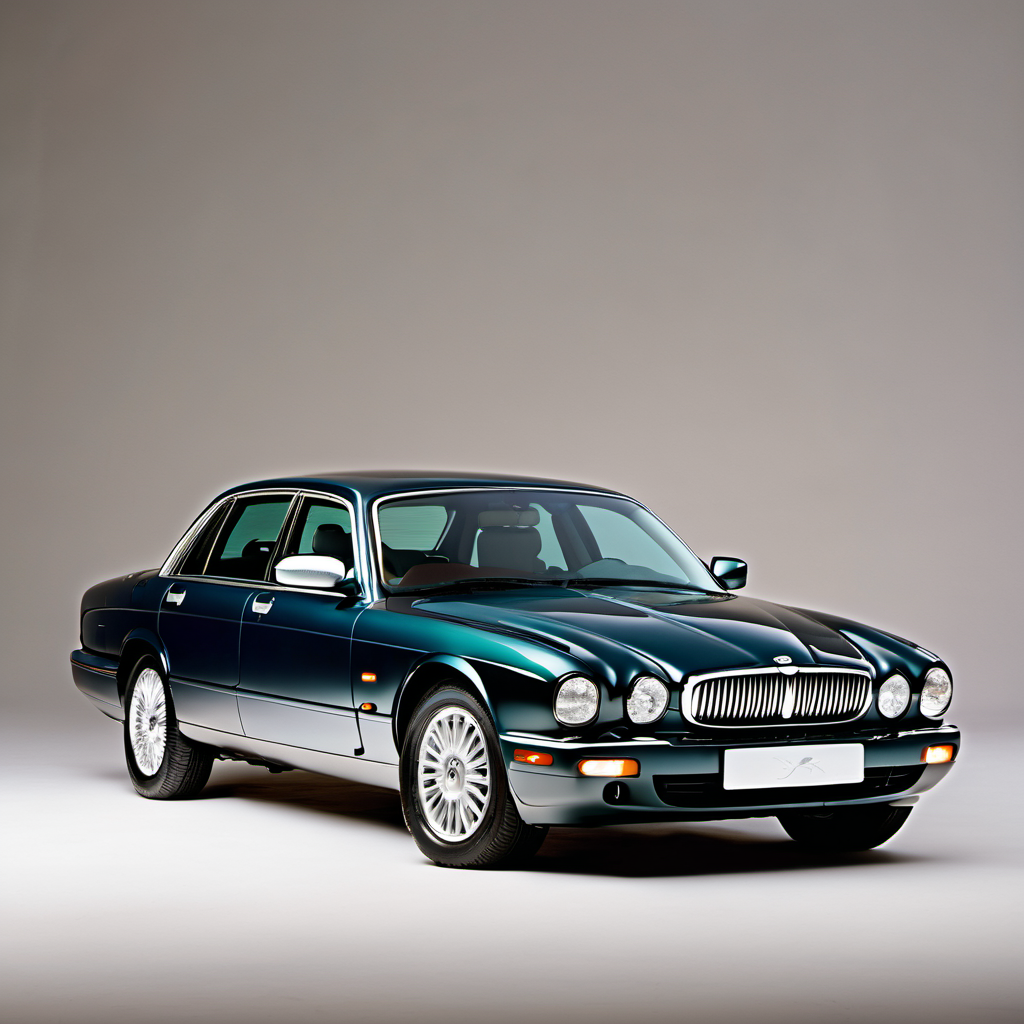
1995 Jaguar XJS
1995 Jaguar
XJS

V12-engined British grand tourer in the same price and collector tier. More parts availability in some areas, but equally age-challenged electricals. A softer, less sporty alternative.

1994 Ferrari
456 GT

Italian V12 grand touring coupe from the same period. Higher performance ceiling and more exotic, but parts and service costs are substantially higher. Comparable 2+2 mission.

No catalog match
1994 Aston Martin
Virage

Hand-built British V8 grand tourer in the same rarified collector segment. Similar ownership profile — low mileage, specialist-only service, high parts cost. Even lower production numbers.

No catalog match
AI profile generated 4 days ago · claude-sonnet-4-6 · v2.