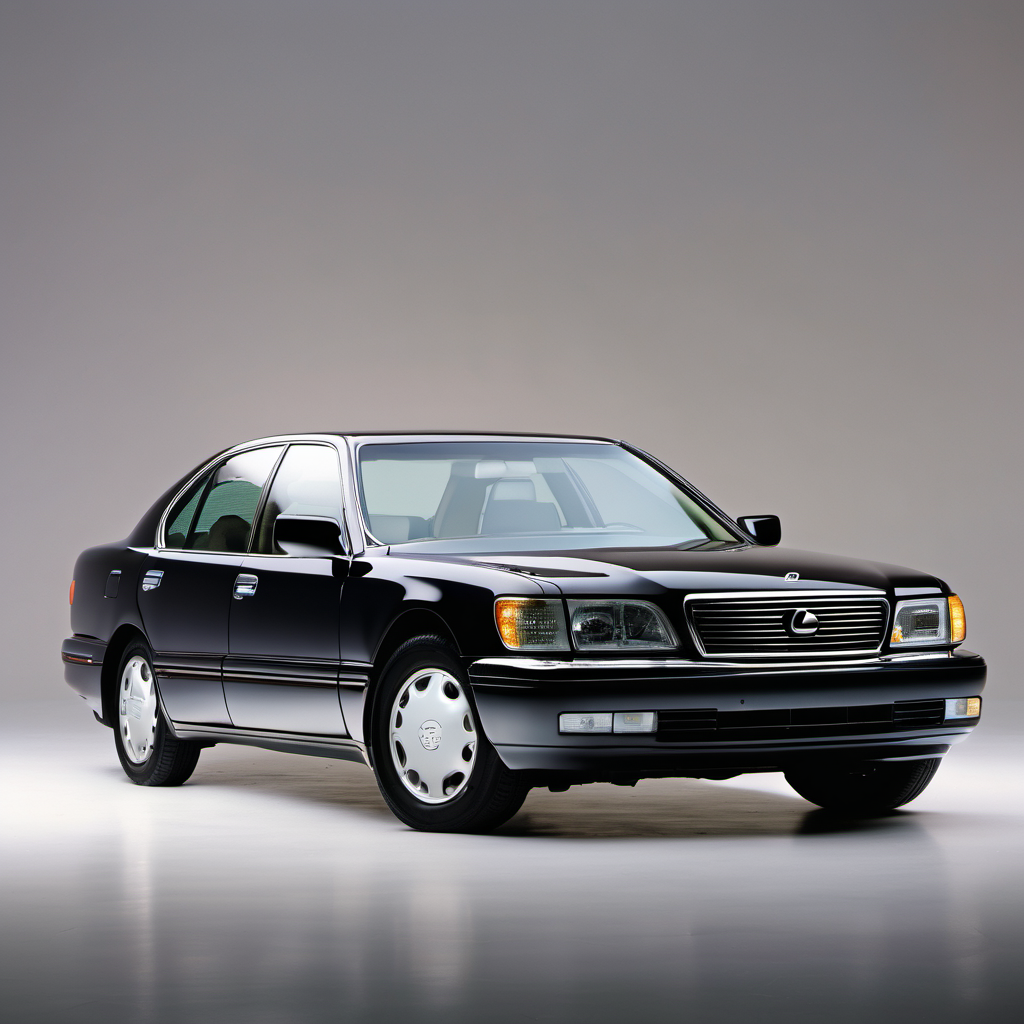
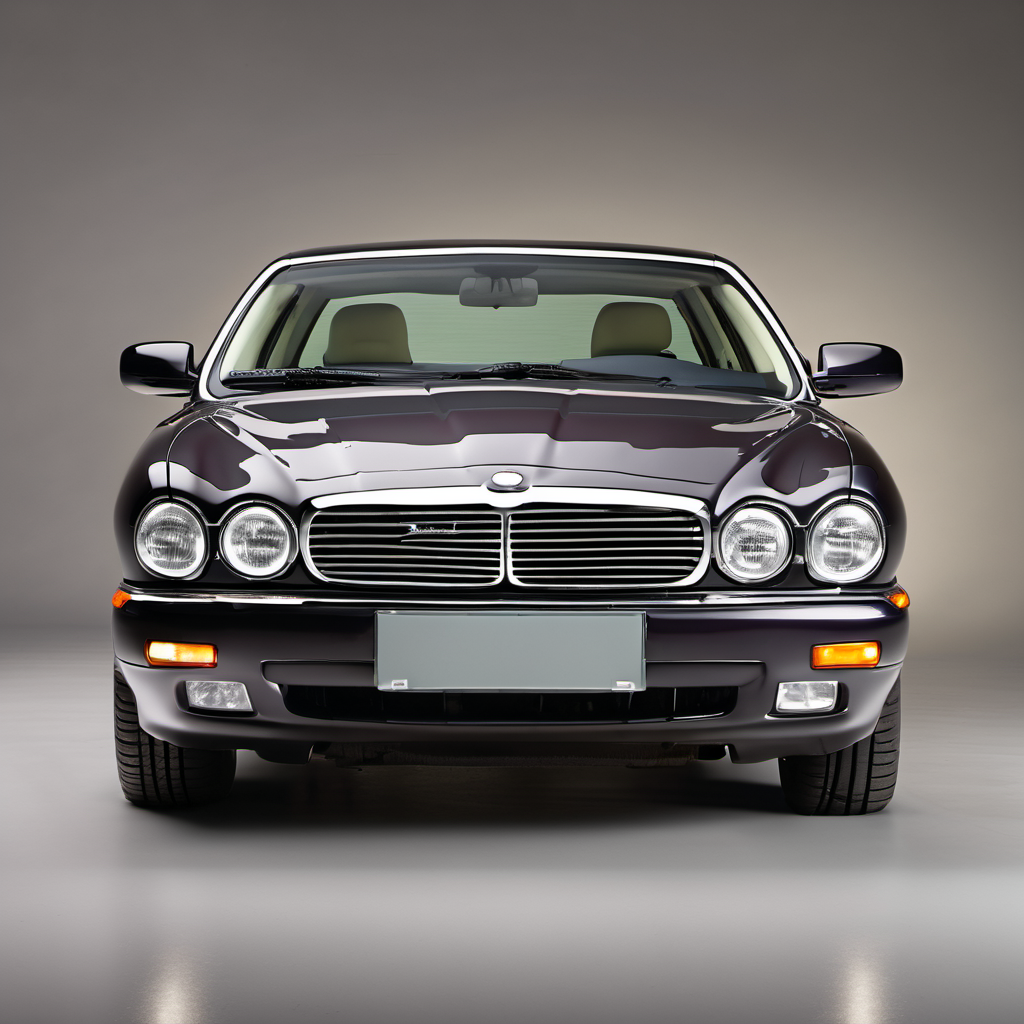
1994 BMW 7 Series Sedan

1994 BMW

7 SeriesSedan

Sedan

The 1994 BMW 7 Series (E32 generation, final model year before the E38 arrived) is a full-size luxury sedan that represented BMW's flagship at the time. Powered by a 4.0L V8 (the 740i/740iL), it delivered a refined, sport-biased driving experience that set it apart from the softer Mercedes S-Class of the era. The E32 was the last 7 Series built on the older platform and shares much of its architecture with the late-80s generation, meaning many mechanical systems are now 30+ years old. At this age, the 740i is firmly a collector or enthusiast purchase. Running examples are relatively affordable to buy, but maintenance costs can be steep — parts are sourced from specialty suppliers, and labor on the M60 V8 (with its nikasil cylinder liner issue) can escalate quickly. Budget accordingly before buying. For a shop in the upper Midwest, be aware that Wisconsin winters are brutal on aging E32s. Undercarriage corrosion, dried rubber seals, and deteriorated wiring insulation are common on survivors. This is a rewarding car for someone who enjoys the hobby side of ownership, but it is not a low-maintenance daily driver.

Reliability
2/5
Verified data
Specs shown for 740i — the most common configuration. Other trims may vary in engine, drivetrain, or fuel economy. Sign in to see your vehicle's exact specs.
Engine
[object Object]
Drivetrain
RWD
Fuel
Premium gasoline
MPG
15 city / 21 hwy / 17 combined
Seats
Doors
Body
Midsize Cars

Overview

AI-curated

The 1994 BMW 7 Series (E32 generation, final model year before the E38 arrived) is a full-size luxury sedan that represented BMW's flagship at the time. Powered by a 4.0L V8 (the 740i/740iL), it delivered a refined, sport-biased driving experience that set it apart from the softer Mercedes S-Class of the era. The E32 was the last 7 Series built on the older platform and shares much of its architecture with the late-80s generation, meaning many mechanical systems are now 30+ years old. At this age, the 740i is firmly a collector or enthusiast purchase. Running examples are relatively affordable to buy, but maintenance costs can be steep — parts are sourced from specialty suppliers, and labor on the M60 V8 (with its nikasil cylinder liner issue) can escalate quickly. Budget accordingly before buying. For a shop in the upper Midwest, be aware that Wisconsin winters are brutal on aging E32s. Undercarriage corrosion, dried rubber seals, and deteriorated wiring insulation are common on survivors. This is a rewarding car for someone who enjoys the hobby side of ownership, but it is not a low-maintenance daily driver.

Known for
  • Sporting, driver-focused feel rare in full-size luxury sedans of the era
  • Silky M60 V8 engine when in good health
  • Sophisticated (for 1994) electronics and active suspension options
  • Elegant, understated E32 styling that ages well
Best for
  • Enthusiasts who enjoy hands-on upkeep or have a trusted independent BMW specialist
  • Weekend or occasional drivers who won't stress over running costs
  • Collectors seeking a late-model E32 in good original condition
Watch for
  • Nikasil cylinder liner failure on M60 V8 engines (pre-1996 production) — a critical and expensive issue
  • Aged wiring harnesses prone to cracking insulation and intermittent faults
  • Costly proprietary electronics (ABS, self-leveling suspension, climate control modules)
  • Deferred maintenance from previous owners who underestimated running costs
  • Undercarriage and floor corrosion on Midwest/salt-belt cars

Common issues by mileage

6 known

Nikasil Cylinder Liner Wear (M60 V8)

high
Typically appears
60–120k mi
Estimated repair
$4,000 – $12,000

Cooling System Failures (radiator, water pump, expansion tank, hoses)

high
Typically appears
Any mileage on unreplaced components
Estimated repair
$600 – $2,200

Wiring Harness Insulation Deterioration / Electrical Gremlins

high
Typically appears
All mileages on 30-year-old examples
Estimated repair
$300 – $3,500

Self-Leveling / Hydraulic Suspension Component Failure

medium
Typically appears
80k+ mi
Estimated repair
$800 – $3,000

Automatic Transmission Valve Body / Shift Issues (ZF 4HP24)

medium
Typically appears
100k+ mi
Estimated repair
$500 – $2,500

HVAC / Climate Control Module Failure

medium
Typically appears
All mileages
Estimated repair
$300 – $1,200

Maintenance schedule

  1. 1
    Every 5,000 miles or annually, whichever comes first Engine oil and filter change — use BMW-spec full synthetic 5W-30 or 5W-40

    The M60 V8 is sensitive to oil quality and level. Extended drain intervals common on newer BMWs are not appropriate for this age of engine. Check level every fill-up.

  2. 2
    Every 3 years or when purchasing a used example Cooling system full flush and component inspection (hoses, clamps, expansion tank, radiator, water pump)

    Plastic expansion tanks and hoses become brittle with age. A cooling system failure on this engine can cause severe damage quickly. Budget for a full preventive refresh on any example with unknown history.

  3. 3
    At purchase, and every 30k miles if nikasil status is uncertain Compression and leak-down test on M60 V8

    The only reliable way to confirm the nikasil liner issue hasn't progressed. Low compression on any cylinder is a serious red flag.

  4. 4
    Every 2 years Brake fluid flush

    BMW specifies this interval. Aged brake fluid absorbs moisture and raises ABS/brake system fault risk — important on a car with 30-year-old brake hardware.

  5. 5
    Annually before winter Inspect and lubricate door seals, sunroof seals, and trunk seal

    Aged rubber seals dry out and crack, allowing water and road salt intrusion. Water ingress is a leading cause of wiring harness and floor corrosion on Wisconsin E32s.

  6. 6
    Every 50,000 miles Transmission fluid change (ZF automatic)

    BMW did not publish a change interval for this transmission, but the fluid degrades. Fresh fluid is cheap insurance against valve body wear.

  7. 7
    Every 60,000 miles or 5 years Inspect and replace serpentine belt, tensioner, and idler pulleys

    Belt failure on this engine leaves you stranded and risks accessory damage. On a 30-year-old car, age matters as much as mileage.

  8. 8
    Test every fall; replace every 4–5 years Battery test and replacement as needed — use AGM or OEM-equivalent lead-acid rated for cold cranking amps

    Cold Wisconsin winters demand a strong battery. This car's electronics draw significant standby current, accelerating battery drain on a weak cell.

Always defer to the manufacturer's service manual for warranty-mandated intervals.

Cost of ownership

Annual maintenance
$1,500 – $5,000
Fuel
Premium unleaded required. At 17 MPG combined and ~15,000 miles/year, expect 880+ gallons annually — roughly $2,900–$3,500/year at current Midwest premium prices.
Insurance
Typically moderate for a 30-year-old vehicle with collector or limited-use classification; standard daily-driver policies run higher. Confirm agreed-value coverage if the car is a well-preserved example.

The purchase price of a used E32 is low — often $3,000–$10,000 — but that is where the savings end. Annual maintenance on a well-run example costs $1,500–$3,000 in a good year. A bad year involving cooling system work, transmission service, or wiring repairs can push $5,000+ at an independent shop. Premium fuel is required. Anyone buying this car as a 'cheap luxury' will be disappointed; treat it as an enthusiast vehicle with a realistic repair fund.
Seasonal care

Lake Geneva, WI
Winter
  • Switch to a full synthetic 5W-30 or 0W-40 before temperatures drop below freezing — cold starts are hard on the M60 with thicker oil.
  • Test the battery in October; this car's electronics will drain a marginal battery fast in cold weather, and sub-zero starts demand strong cold-cranking amps.
  • Fill the washer reservoir with -25°F or colder rated fluid — Lake Geneva winters regularly hit single digits and the reservoir lines can freeze with weaker mix.
  • Thoroughly rinse the undercarriage after every significant salt event; the aging floor pan and subframe areas on E32s are prone to accelerated rust in salt-belt climates.
  • Inspect door and trunk seals before winter and treat with rubber conditioner — cracked seals allow road salt brine into the cabin and into the wiring harness.
  • Consider storing or minimizing use during peak salting months if the car is a preserved example; salt damage to a 30-year-old unibody is very difficult and expensive to reverse.
Summer
  • Monitor coolant temperature closely — the aging cooling system on E32s is prone to heat-soak issues in stop-and-go traffic; keep a close eye on the temperature gauge.
  • Check tire pressure monthly; heat causes pressure to rise roughly 1 PSI per 10°F, and the wide performance tires on this car are sensitive to overinflation.
  • Inspect the A/C system for refrigerant leaks and compressor function each spring — R-134a conversions on this vintage car should be verified as properly done.
  • Park in shade when possible; the aged interior plastics and leather on a 30-year-old 7 Series crack and fade quickly under direct UV exposure.

Comparable vehicles

If you're shopping for one

Red flags
  • Blue or grey smoke from the exhaust at idle or under load — strong indicator of nikasil liner failure or valve seal wear.
  • Any check engine light left unexplained by the seller, particularly on a car this age.
  • Signs of fresh undercoating or paint on the undercarriage — potential rust concealment.
  • Deferred maintenance history or 'ran when parked' stories — the cost to recommission a neglected E32 is substantial.
  • Overheating history or evidence of a head gasket repair — cooling system failures on the M60 often cascade.
What to inspect
  • Perform a compression and leak-down test on all 8 cylinders before purchase — nikasil liner wear is the single most important thing to confirm on the M60 V8.
  • Request full service history; look specifically for cooling system replacement records (water pump, radiator, expansion tank, hoses).
  • Inspect the entire undercarriage for rust, especially floor pan seams, subframe mounting points, and brake lines — salt-belt cars are high risk.
  • Check all electronics: windows, sunroof, climate control, ABS warning lights, instrument cluster. Each failed module can cost $300–$1,200+.
  • Look for wiring harness condition under the hood and in the engine bay — cracked or melted insulation is a serious concern on any 30-year-old BMW.
  • Test the automatic transmission through all gear ranges; look for slipping, harsh shifts, or delayed engagement.
AI profile generated 4 days ago · claude-sonnet-4-6 · v2.