Cooling system failure (water pump, thermostat, plastic coolant hoses/fittings)
high- Typically appears
- 60–150k mi
- Estimated repair
- $400 – $1,200
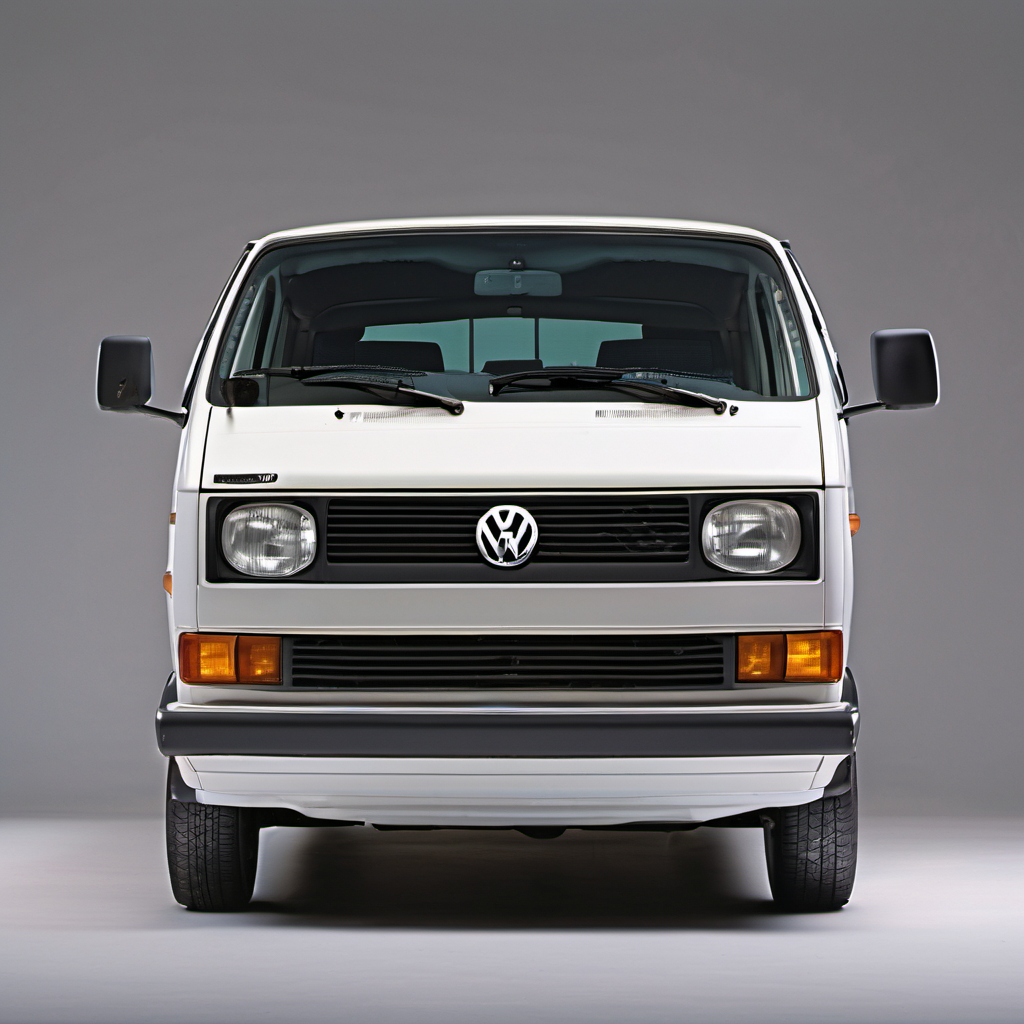
1993 Volkswagen
Van/Minivan
The 1993 Volkswagen Eurovan is a front-wheel-drive, European-style passenger van that replaced the iconic VW Vanagon in the North American market. Built in Hanover, Germany, it brought a more modern, cab-forward design with better highway manners and a proper floor-mounted engine instead of the Vanagon's rear air-cooled unit. The first-generation Eurovan (T4 platform, 1993–1995 in the US) came powered by a 2.5L inline 5-cylinder gasoline engine paired with an automatic transmission. These vans were sold in fairly limited numbers in the US and were not a mainstream success, which means parts availability today requires some patience and a VW-specialist shop. The Eurovan attracted buyers who wanted European practicality and driving dynamics in a van package, and many have been converted to campers — the Westfalia pop-top version especially. That cult following keeps prices relatively firm even on high-mileage examples. For a 30-year-old European van, the Eurovan demands more upkeep than a comparable domestic minivan of the same era. Cooling system failures, automatic transmission fragility, and expensive German-specific parts are the recurring ownership themes. Treat it as a hobby vehicle with routine preventive maintenance, and it rewards you with a genuinely useful, characterful hauler.
The 1993 Volkswagen Eurovan is a front-wheel-drive, European-style passenger van that replaced the iconic VW Vanagon in the North American market. Built in Hanover, Germany, it brought a more modern, cab-forward design with better highway manners and a proper floor-mounted engine instead of the Vanagon's rear air-cooled unit. The first-generation Eurovan (T4 platform, 1993–1995 in the US) came powered by a 2.5L inline 5-cylinder gasoline engine paired with an automatic transmission. These vans were sold in fairly limited numbers in the US and were not a mainstream success, which means parts availability today requires some patience and a VW-specialist shop. The Eurovan attracted buyers who wanted European practicality and driving dynamics in a van package, and many have been converted to campers — the Westfalia pop-top version especially. That cult following keeps prices relatively firm even on high-mileage examples. For a 30-year-old European van, the Eurovan demands more upkeep than a comparable domestic minivan of the same era. Cooling system failures, automatic transmission fragility, and expensive German-specific parts are the recurring ownership themes. Treat it as a hobby vehicle with routine preventive maintenance, and it rewards you with a genuinely useful, characterful hauler.
Plastic coolant fittings and hoses become brittle with age. A single failure can overheat the engine within minutes and warp or crack the cylinder head — the most expensive repair on this van.
The 01M is sensitive to degraded fluid. VW's original 'lifetime fill' recommendation is not realistic on a 30-year-old van. Fresh fluid extends the life of an already marginal unit significantly.
The inline-5 runs smoothly when the ignition system is fresh. Worn plugs or cracked wires cause misfires that are harder to diagnose on this non-standard engine.
This is an interference engine. A snapped timing belt means bent valves and a very expensive head repair. Do not skip or defer this service.
Moisture absorption in aging brake lines and the master cylinder accelerates corrosion. Wisconsin road salt compounds the risk.
Salt and road grime pack into the sliding door track and cause the latch to bind or fail. A seized sliding door is a common annoyance on these vans.
Rubber vacuum lines harden and crack with age, causing subtle but frustrating driveability issues. Full replacement is cheap insurance on a 30-year-old vehicle.
Cold cranking on a borderline battery in a Wisconsin winter will leave you stranded. The inline-5 draws significant current on cold starts. A fresh or tested battery is cheap peace of mind.
Always defer to the manufacturer's service manual for warranty-mandated intervals.
The Eurovan is not cheap to own. Parts are European-sourced, labor rates at VW specialists are higher than domestic-vehicle shops, and the cooling and transmission systems demand proactive attention. Budget on the higher end of the maintenance range for the first year of ownership on any unverified example. A well-documented van that has had the big-ticket items addressed can settle into $800–$1,200/year for routine upkeep.

Same era, similar passenger capacity, but far more common with vastly better parts availability and dealer/independent shop support. Less character, far more practical for daily use.
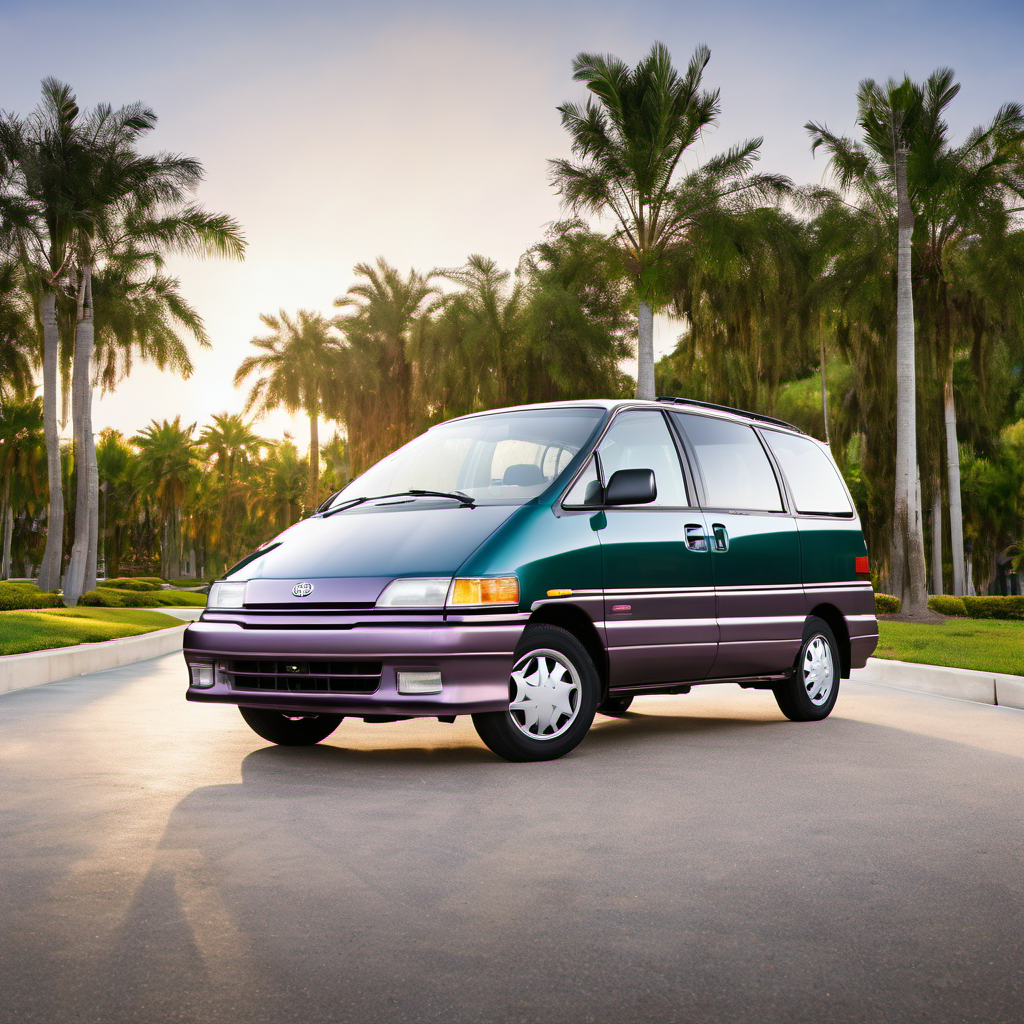
Quirky, cab-forward Japanese minivan from the same era with a similar cult following. More reliable reputation than the Eurovan with better parts access, though also getting scarce.
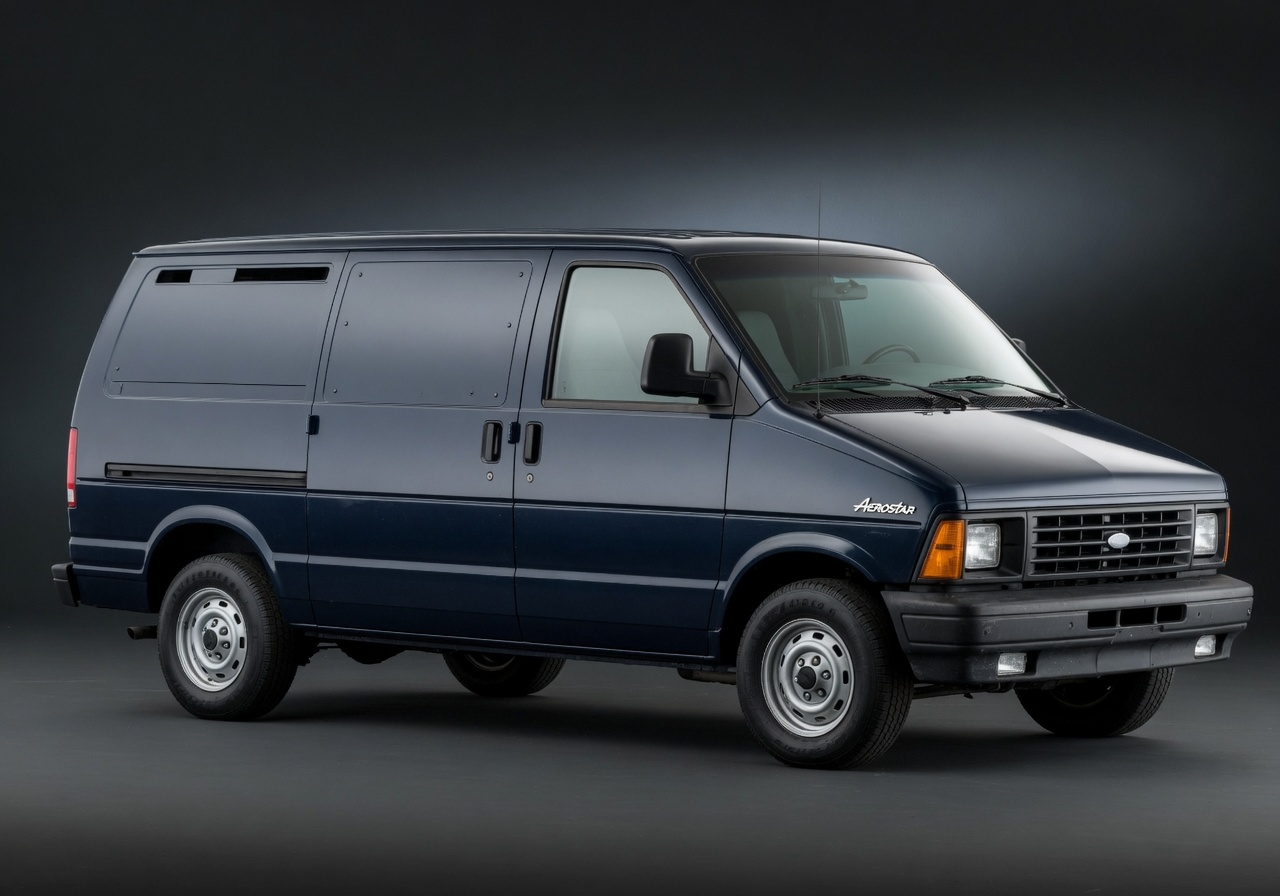
Budget-friendly domestic van alternative with RWD/AWD options. Less refined than the Eurovan but far cheaper to repair and source parts for in the upper Midwest.

The practical benchmark of the era — high production numbers mean cheap parts everywhere. No character, but reliable and easy to service at any shop in Wisconsin.