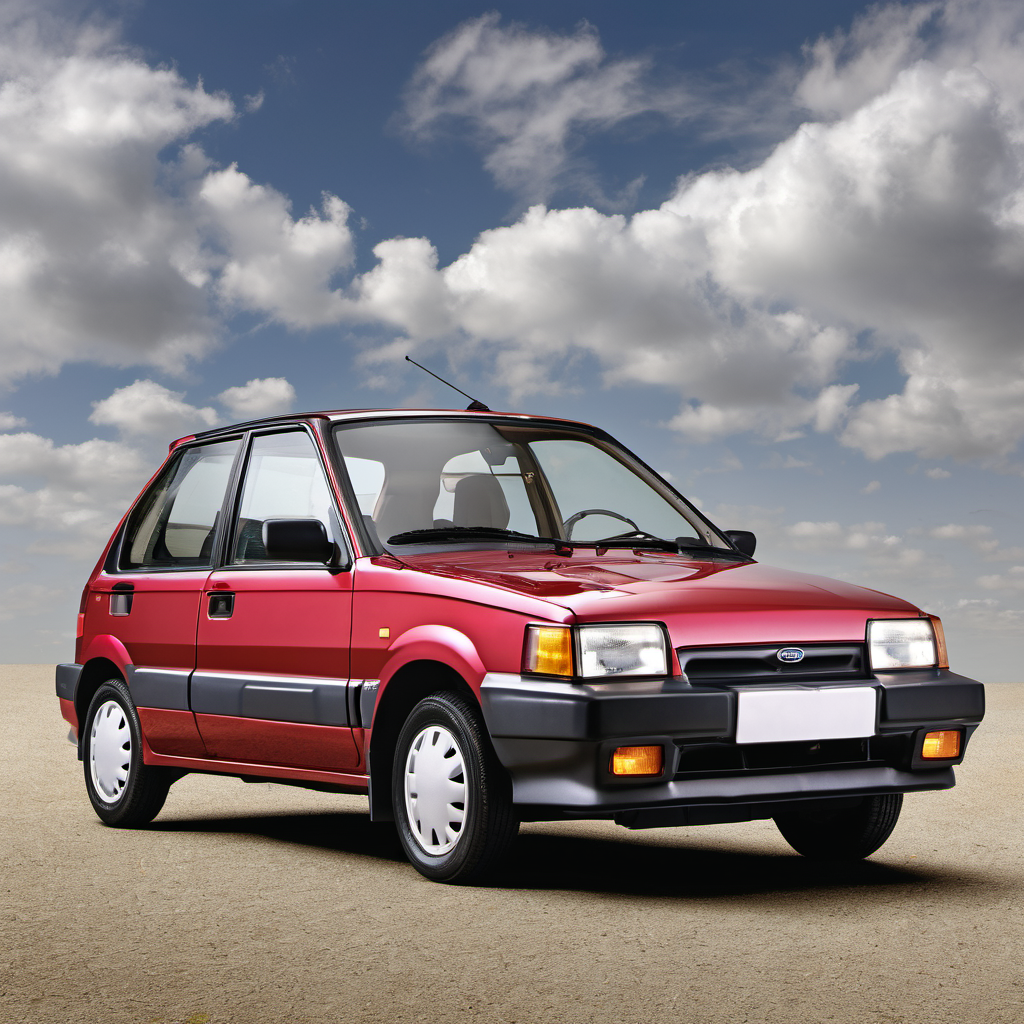
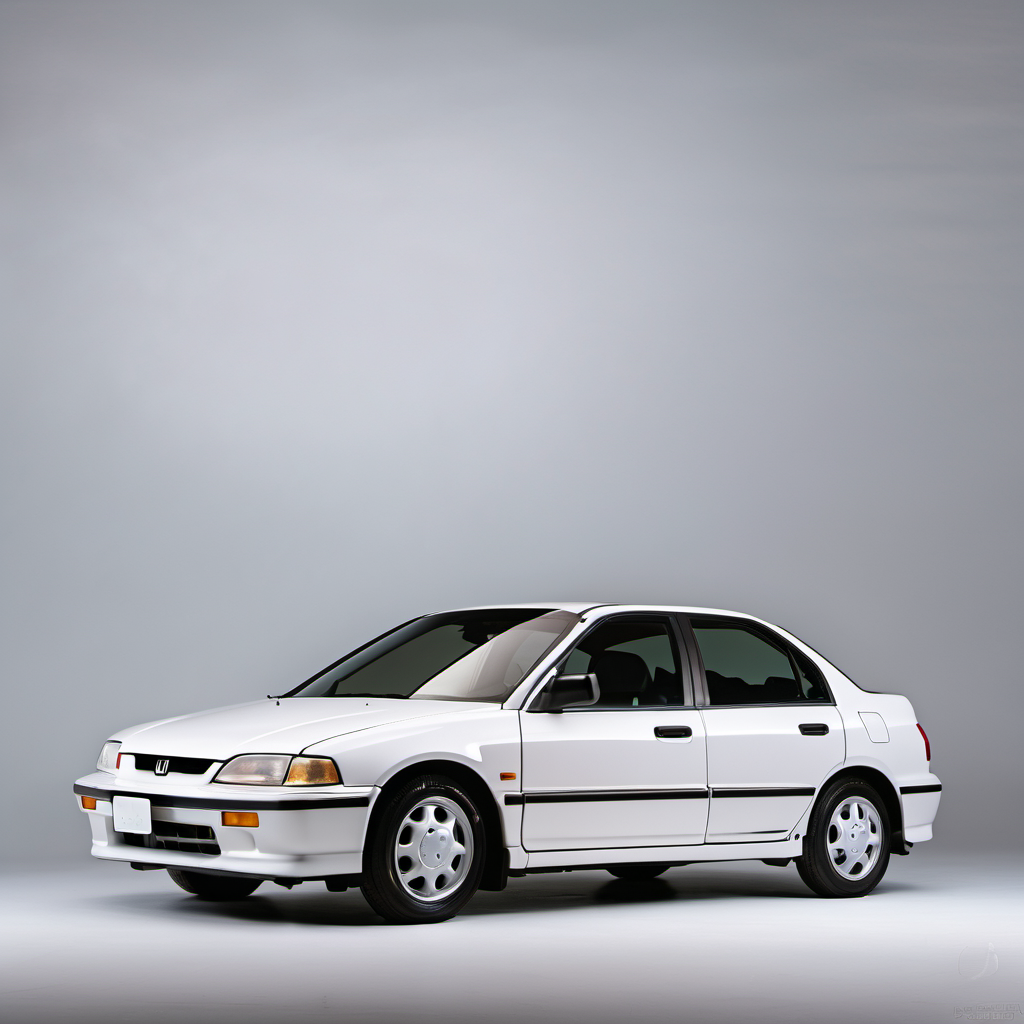
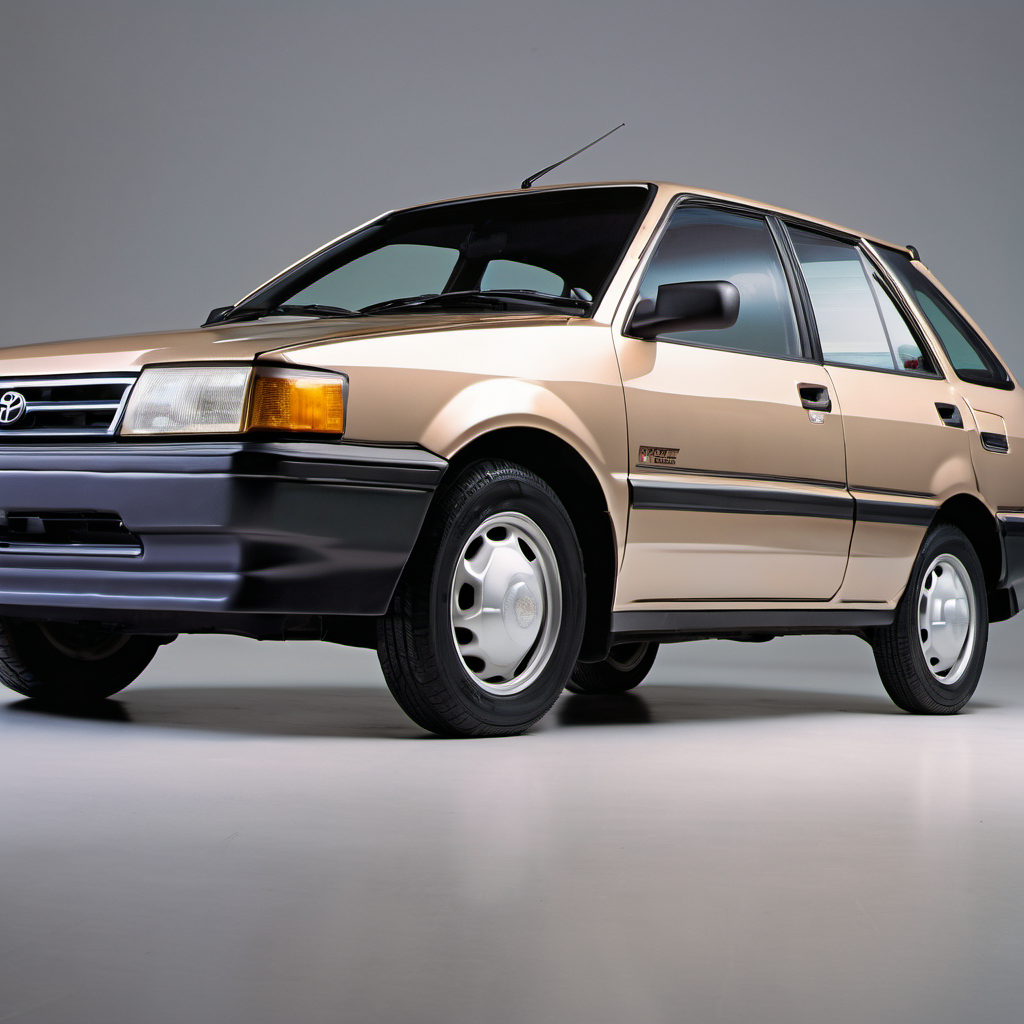
1993 Subaru Justy Hatchback

1993 Subaru

JustyHatchback

Hatchback

The 1993 Subaru Justy is a subcompact three-door hatchback that represented Subaru's entry-level offering in North America during the late 1980s and early 1990s. Powered by a tiny 1.2-liter three-cylinder engine, it was engineered for maximum fuel efficiency and urban maneuverability — not performance. It was one of the few vehicles in its class to offer optional all-wheel drive (ECVT-equipped AWD versions), though the 1993 FWD carbureted model is the more common survivor. The Justy was built during an era before OBD-II diagnostics, which means modern scan tools have very limited usefulness on this vehicle. Most diagnosis is done the old-fashioned way — visual inspection, vacuum gauges, and a carburetor rebuild kit. Electrical simplicity is a double-edged sword: fewer things to go wrong electronically, but age-related failures (dried rubber, cracked vacuum lines, corroded grounds) are the norm on any surviving example. At 30 years old, every Justy still on the road is a vintage vehicle. Parts availability has thinned considerably. Expect to source from specialty salvage yards or Japanese-market suppliers. This is a car for a patient, mechanically curious owner — not a daily driver that needs to just work.

Reliability
3/5
Verified data
Specs shown for Justy — the most common configuration. Other trims may vary in engine, drivetrain, or fuel economy. Sign in to see your vehicle's exact specs.
Engine
[object Object]
Drivetrain
FWD
Fuel
Gasoline
MPG
28 city / 32 hwy / 30 combined
Seats
Doors
Body
Subcompact Cars

Overview

AI-curated

The 1993 Subaru Justy is a subcompact three-door hatchback that represented Subaru's entry-level offering in North America during the late 1980s and early 1990s. Powered by a tiny 1.2-liter three-cylinder engine, it was engineered for maximum fuel efficiency and urban maneuverability — not performance. It was one of the few vehicles in its class to offer optional all-wheel drive (ECVT-equipped AWD versions), though the 1993 FWD carbureted model is the more common survivor. The Justy was built during an era before OBD-II diagnostics, which means modern scan tools have very limited usefulness on this vehicle. Most diagnosis is done the old-fashioned way — visual inspection, vacuum gauges, and a carburetor rebuild kit. Electrical simplicity is a double-edged sword: fewer things to go wrong electronically, but age-related failures (dried rubber, cracked vacuum lines, corroded grounds) are the norm on any surviving example. At 30 years old, every Justy still on the road is a vintage vehicle. Parts availability has thinned considerably. Expect to source from specialty salvage yards or Japanese-market suppliers. This is a car for a patient, mechanically curious owner — not a daily driver that needs to just work.

Known for
  • Exceptional fuel economy for its era
  • Very lightweight and nimble in city driving
  • Simple, mechanically accessible drivetrain
  • Optional ECVT AWD system (not on this FWD example)
  • One of the smallest vehicles Subaru ever sold in the US
Best for
  • Vintage/collector enthusiasts who enjoy older Subarus
  • Low-mileage city or weekend drivers
  • Budget-conscious owners comfortable with DIY maintenance
  • Drivers who need minimal fuel costs
Watch for
  • Severe parts scarcity — many components are no longer manufactured new
  • Age-related rust, especially underbody and wheel arches on Wisconsin cars
  • Carburetor issues from ethanol-blended fuel degrading older rubber components
  • 30+ year-old rubber: hoses, belts, bushings, and seals are all suspect
  • Limited crash protection by modern standards — no airbags, minimal crumple zones

Common issues by mileage

6 known

Carburetor degradation from ethanol-blended fuel

high
Typically appears
All mileages — age-driven
Estimated repair
$150 – $450

Cracked or hardened vacuum hoses causing rough idle and lean stumble

high
Typically appears
All mileages — age-driven
Estimated repair
$50 – $200

Timing belt failure or slippage

high
Typically appears
60k+ mi or 7+ years since last replacement
Estimated repair
$150 – $350

Underbody and wheel arch rust perforation

high
Typically appears
All mileages — age and salt exposure driven
Estimated repair
$300 – $2,000

Worn or seized brake hardware (drums and calipers)

medium
Typically appears
All mileages — age-driven
Estimated repair
$200 – $600

Worn CV axle boots and joints

medium
Typically appears
80k+ mi
Estimated repair
$150 – $400

Maintenance schedule

  1. 1
    Every 2–3 years or if idle/fuel delivery issues arise Carburetor cleaning and rebuild

    Modern E10 gasoline degrades carburetor rubber components and leaves varnish deposits. On a 30-year-old carb, this is maintenance, not repair.

  2. 2
    Every 60k miles or 5 years, whichever comes first Timing belt replacement

    The 1.2L three-cylinder is an interference engine. A snapped belt means bent valves. At this vehicle's age, replace regardless of mileage if history is unknown.

  3. 3
    Inspect annually; replace any cracked or hardened hoses Full vacuum hose inspection and replacement

    30-year-old rubber deteriorates whether or not the car is driven. Cracked vacuum hoses cause lean conditions, rough idle, and hard starts.

  4. 4
    Every 2 years Engine coolant flush and hose inspection

    Old coolant loses its corrosion inhibitors and can silently attack the aluminum head. Inspect all coolant hoses for softness or cracking at the same time.

  5. 5
    Every 3,000–4,000 miles or annually Engine oil and filter change

    The small 1.2L engine has tight tolerances. Older engines with any seal seepage benefit from more frequent changes to keep sludge at bay.

  6. 6
    Every 2 years Brake fluid flush

    Brake fluid absorbs moisture over time, lowering its boiling point. On a car this age, the fluid has almost certainly never been changed unless documented.

  7. 7
    Annually, before winter Underbody rust inspection and treatment

    Wisconsin road salt is extremely aggressive on a vehicle with no modern rust-proofing. Catching surface rust early prevents structural perforation.

  8. 8
    Every fall before Wisconsin winter Battery load test

    A small-displacement engine in sub-zero temps demands a fully healthy battery. Cold cranking on a weak battery is the #1 no-start cause in winter.

Always defer to the manufacturer's service manual for warranty-mandated intervals.

Cost of ownership

Annual maintenance
$400 – $1,200
Fuel
Excellent — 30 MPG combined on regular unleaded keeps fuel costs very low even with today's gas prices. Expect roughly $900–$1,100/year at 12,000 miles.
Insurance
Very low — as an older, low-value economy car, liability-only coverage is typical and inexpensive. Expect $400–$700/year depending on driving record.

The Justy is cheap to insure and cheap to fuel. The wildcard is parts: when something breaks, you may spend more time and money sourcing the part than actually fixing it. A rust-free, well-maintained example has low routine costs, but budget for unexpected parts procurement delays and potential specialty sourcing fees. This is not a car to buy on a tight timeline.
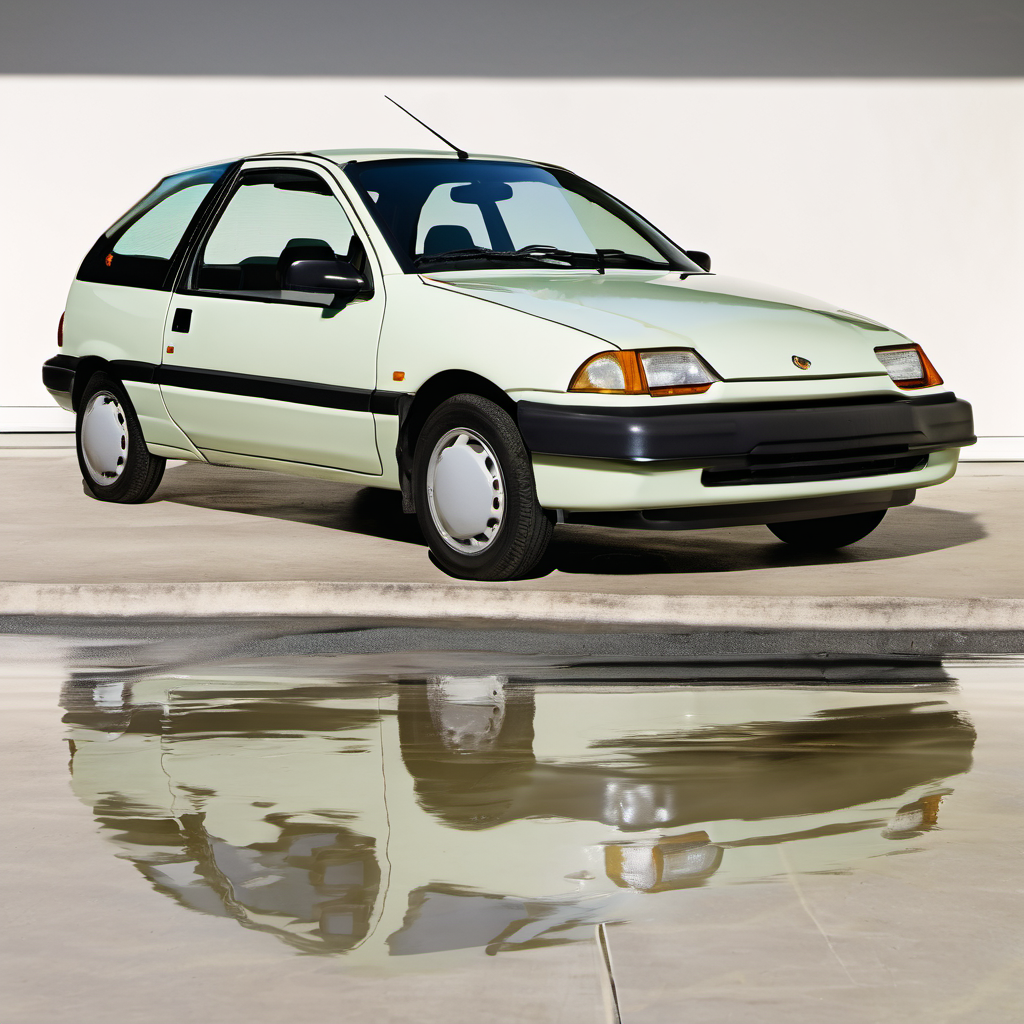
Seasonal care

Lake Geneva, WI
Winter
  • Load-test the battery every October — cold cranking a 1.2L carbureted engine at -10°F demands a fully charged, healthy battery with strong CCA.
  • Switch to a lighter-viscosity oil (e.g., 5W-30) for cold-weather starting if the engine is currently running a heavier weight.
  • Flush and replace coolant with a fresh 50/50 mix rated to at least -34°F; inspect all hoses before freeze season.
  • Use a winter-grade washer fluid rated for sub-zero temps — standard fluid will freeze in the reservoir and lines.
  • Inspect and lubricate door seals and locks; rubber seals on a 30-year-old car can freeze shut or tear when forced open.
  • Rinse the underbody thoroughly after every heavy salt event — this car has no modern rust protection and Wisconsin salt will accelerate any existing corrosion quickly.
Summer
  • Check tire pressure monthly — small tires on a lightweight car are sensitive to pressure changes from summer heat; use the door placard spec.
  • Inspect the cooling system thoroughly before summer heat arrives; a borderline thermostat or weak water pump will cause overheating on a hot day in traffic.
  • Check A/C function early in the season if equipped — R-12 refrigerant (used on 1993 models) requires a certified technician and a conversion or compatible refrigerant.
  • Inspect the air filter and carburetor choke operation; heat soak can cause vapor lock-like symptoms on a hot carbureted engine after short stops.

Comparable vehicles

If you're shopping for one

Red flags
  • Any structural rust on frame rails or floor pans — repair cost can exceed the car's value many times over.
  • Oil leaks combined with blue smoke — rings or valve seals on a 1.2L engine are not worth rebuilding relative to the car's value.
  • Unknown timing belt history — walk away or price in immediate replacement; a snapped belt destroys the engine.
  • Missing or unavailable parts already on the car (non-factory carb, cobbled vacuum routing, missing trim) — signals a history of jury-rigged repairs.
  • R-12 A/C system that 'just needs a recharge' — this is a conversion job, not a simple recharge, and adds cost.
  • Any seller who cannot provide at least some maintenance history — on a 30-year-old car, undocumented maintenance is almost always deferred maintenance.
What to inspect
  • Full underbody inspection — lift the car and look at every frame rail, rocker panel, floor pan, and wheel arch. Rust is the #1 deal-breaker on a Wisconsin-area Justy.
  • Carburetor condition — look for fuel staining, cracks in the body, and confirm smooth idle without choke hunting. A rough idle almost always means carburetor work.
  • Timing belt — ask for documented replacement history. If unknown, budget for immediate replacement before driving it.
  • All rubber: coolant hoses, vacuum lines, CV boots, brake hoses. Squeeze them; if any are hard, brittle, or cracked, they need immediate replacement.
  • Brake system — push the pedal firmly and hold it; any slow sink indicates a master cylinder problem. Check for seized rear drum hardware.
  • Compression test — a quick 3-cylinder compression test reveals whether the engine is still healthy or has worn rings/valves from neglect.
AI profile generated 4 days ago · claude-sonnet-4-6 · v2.