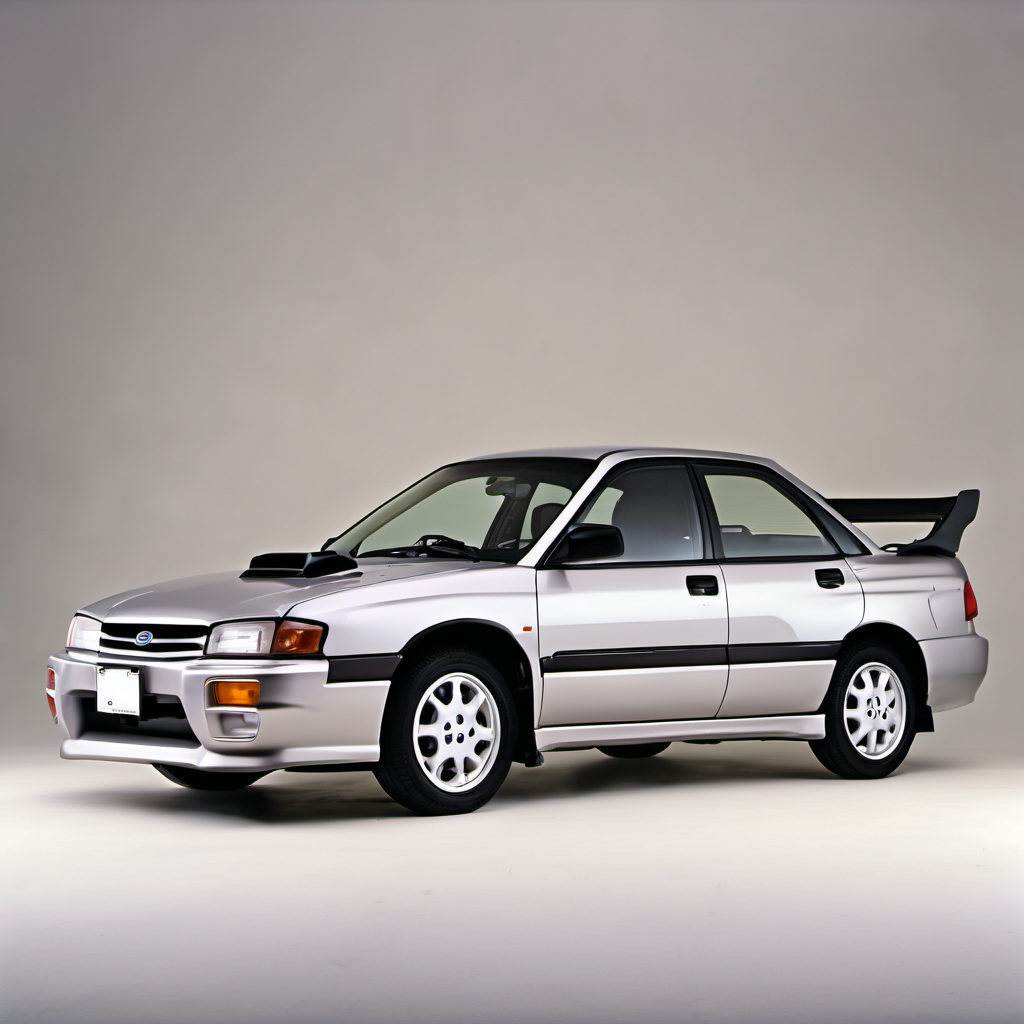
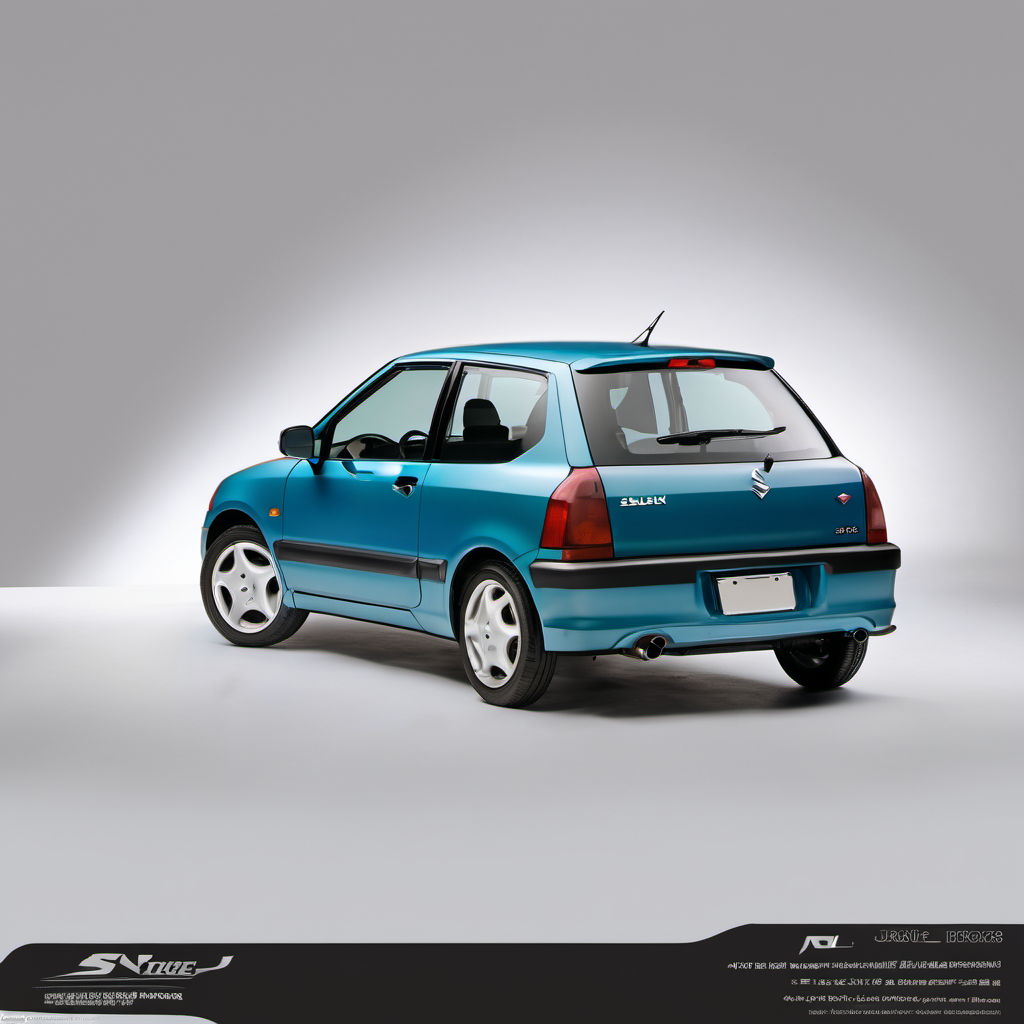
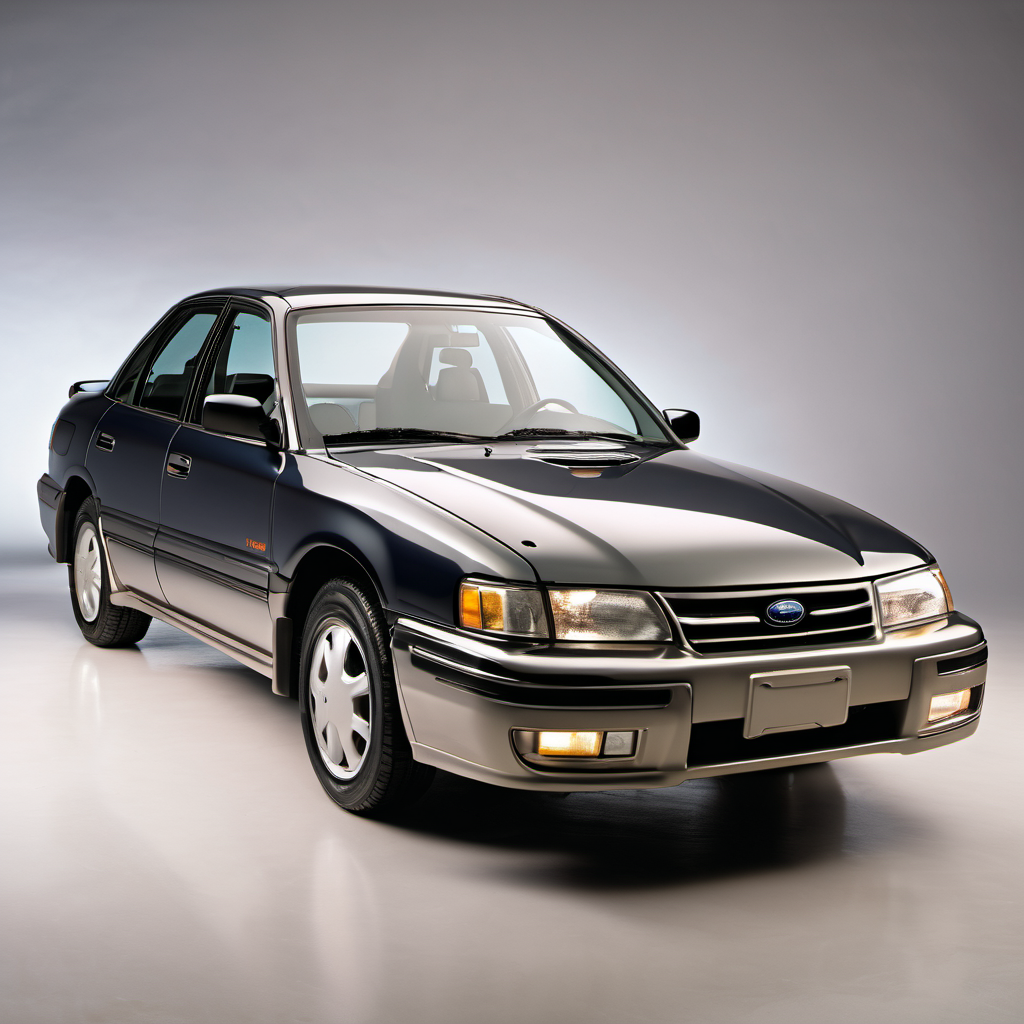
1993 Subaru Impreza Wagon

1993 Subaru

ImprezaWagon

1.8L H4 (EJ18) · Wagon

The 1993 Subaru Impreza Wagon was the very first model year of the Impreza nameplate, entering the U.S. market as a compact, practical wagon with standard all-wheel drive at an accessible price point. It replaced the aging Leone/Loyale lineup and brought a more modern platform, better ride quality, and improved fuel economy to Subaru's lineup. This is a first-generation (GF chassis) example — mechanically simple, easy to work on, and built around Subaru's proven flat-four (EJ) engine family with full-time AWD. As a 30-year-old vehicle, any surviving example is well into classic daily-driver territory. Parts availability is reasonable for the mechanicals but body panels and trim pieces are increasingly hard to source. Rust is the single biggest threat to these cars, especially in Wisconsin where road salt exposure over three decades can be devastating to rockers, floor pans, and subframe mounting points. For buyers and current owners alike, the key to longevity on this generation is staying ahead of cooling system maintenance, keeping up with valve clearances, and being ruthless about rust inspection and treatment. When well maintained, these engines are known to run reliably past 200,000 miles.

Reliability
3/5
Verified data
Engine
1.8L H4 (EJ18)
Drivetrain
AWD
Fuel
Gasoline
MPG
23 city / 29 hwy / 25 combined
Seats
5
Doors
4
Body
Wagon
MSRP
$13,700

Overview

AI-curated

The 1993 Subaru Impreza Wagon was the very first model year of the Impreza nameplate, entering the U.S. market as a compact, practical wagon with standard all-wheel drive at an accessible price point. It replaced the aging Leone/Loyale lineup and brought a more modern platform, better ride quality, and improved fuel economy to Subaru's lineup. This is a first-generation (GF chassis) example — mechanically simple, easy to work on, and built around Subaru's proven flat-four (EJ) engine family with full-time AWD. As a 30-year-old vehicle, any surviving example is well into classic daily-driver territory. Parts availability is reasonable for the mechanicals but body panels and trim pieces are increasingly hard to source. Rust is the single biggest threat to these cars, especially in Wisconsin where road salt exposure over three decades can be devastating to rockers, floor pans, and subframe mounting points. For buyers and current owners alike, the key to longevity on this generation is staying ahead of cooling system maintenance, keeping up with valve clearances, and being ruthless about rust inspection and treatment. When well maintained, these engines are known to run reliably past 200,000 miles.

Known for
  • Standard full-time AWD on all trims — a rarity at this price in 1993
  • Subaru's horizontally opposed (boxer) EJ-series flat-four engine
  • First-generation Impreza — simpler electronics and mechanicals than later models
  • Practical wagon body with good all-weather versatility
  • Strong following among budget-conscious AWD enthusiasts
Best for
  • Wisconsin winters and all-season utility driving
  • Budget AWD wagon seekers comfortable with DIY or independent-shop maintenance
  • Subaru enthusiasts who want a simple, pre-AVCS first-gen platform
  • Light off-road and unpaved road use
Watch for
  • Severe rust on rockers, floor pans, rear wheel arches, and subframe — the #1 killer of these cars
  • Head gasket failure, common across the EJ-series engines of this era
  • Aging rubber: coolant hoses, vacuum lines, CV axle boots, and suspension bushings are all 30+ years old
  • Coolant system neglect leading to overheating and warped heads
  • Extremely limited availability of body, interior, and trim parts

Common issues by mileage

6 known

Rust — Rocker Panels, Floor Pans, Rear Wheel Arches

high
Typically appears
Any mileage on Midwest/salt-belt cars
Estimated repair
$500 – $4,000

CV Axle Boot Cracking / Joint Failure

high
Typically appears
60k mi and beyond
Estimated repair
$150 – $450

Cooling Hose and Thermostat Failure (Age-Related)

high
Typically appears
All mileages on unrestored examples
Estimated repair
$150 – $400

Oxygen Sensor Failure / Aging Emissions Components

medium
Typically appears
80k+ mi
Estimated repair
$100 – $300

Transmission / AWD Transfer Clutch Wear

medium
Typically appears
100k+ mi
Estimated repair
$400 – $1,500

Maintenance schedule

  1. 1
    Every 3,000–4,000 miles or 6 months on a 30-year-old engine Engine oil and filter change

    Older EJ engines benefit from more frequent oil changes; extended intervals increase sludge risk and accelerate wear on aging seals.

  2. 2
    Every 3 years / 45k miles — or immediately if history is unknown Full cooling system service (flush, new hoses, thermostat, radiator cap)

    Head gasket failure on EJ engines is almost always preceded by cooling system neglect. Hoses on a 30-year-old car can collapse internally without visible cracking.

  3. 3
    Every 30k miles Valve clearance inspection and adjustment

    The EJ18 has mechanical (non-hydraulic) valve adjusters. Tight valves cause burnt valves and compression loss; this is a common neglected item on high-mileage examples.

  4. 4
    Every 60k miles or 5 years, whichever comes first Timing belt and water pump replacement

    The EJ18 is an interference engine. A broken timing belt causes catastrophic valve and piston damage with no warning. At 30 years old, belt replacement is overdue on any unknown-history car.

  5. 5
    Every oil change / 5k miles CV axle boots inspection

    Torn boots allow grease to escape and water/grit to enter the joint. Catching a torn boot early saves a full axle replacement.

  6. 6
    Every 2 years Brake fluid flush

    Brake fluid absorbs moisture over time, lowering boiling point and corroding ABS and caliper internals. Critical on a car that may have sat or had infrequent service.

  7. 7
    Every fall before winter season Undercarriage rust inspection and treatment

    Wisconsin road salt accelerates rust on floor pans, subframe mounting points, and brake lines. Annual inspection and protective coating extends structural life significantly.

  8. 8
    Every 30k miles Spark plugs and ignition wires

    Worn plugs and cracked ignition wires cause misfires, poor fuel economy, and hard cold starts — all especially noticeable at Wisconsin winter temperatures.

Always defer to the manufacturer's service manual for warranty-mandated intervals.

Cost of ownership

Annual maintenance
$600 – $1,800
Fuel
At ~25 MPG combined and ~12,000 miles/year, expect roughly $1,400–$1,600/year at current Midwest fuel prices. The 1.8L is economical but fuel economy degrades on a poorly tuned or neglected engine.
Insurance
Typically very low — expect $600–$1,000/year for full coverage on a vehicle of this age and value, depending on driver profile.

Day-to-day costs are low when the car is in good shape. The risk is deferred maintenance catching up: a head gasket job, timing belt, or rust repair can easily run $1,000–$4,000+ and can exceed the car's market value. Budget for preventive work up front rather than waiting for failures. A rust-free, well-maintained example is one of the most affordable AWD wagons you can operate.
Seasonal care

Lake Geneva, WI
Winter
  • Test and replace the battery if it's more than 3–4 years old — sub-zero temps will kill a marginal battery without warning, and the charging system on a 30-year-old car should be verified healthy.
  • Switch to a full synthetic 0W-30 or 5W-30 engine oil if not already used — critical for cold-start protection and oil flow to the AWD components at temperatures below 0°F.
  • Inspect all coolant hoses and confirm antifreeze protection to at least -34°F; a freeze event in an aging cooling system can crack the block or heater core.
  • Use winter-rated washer fluid rated to -20°F or colder — the stock reservoir and lines are unheated and standard fluid will freeze in the jets.
  • Inspect brake lines and fuel lines on the undercarriage before winter for rust-through — these are safety-critical and salt exposure accelerates pinhole failures.
  • Apply an undercoating or rust inhibitor to the undercarriage each fall, paying special attention to rocker seams, floor pan edges, and subframe mounting points.
Summer
  • Check tire pressure after any significant temperature swing — every 10°F rise adds roughly 1 PSI, and these small tires can run over-inflated and wear unevenly in summer heat.
  • Inspect the A/C system — refrigerant leaks are common on 30-year-old systems. Have the system pressure-tested and recharged if cooling is weak; a failed A/C compressor can also seize and damage the serpentine belt.
  • Monitor the temperature gauge closely in stop-and-go summer traffic — a marginally failing thermostat or water pump that survived winter may push the engine toward overheating when ambient temps are high.
  • Inspect rubber coolant hoses for heat-related softening or swelling after hot drives; hot-soak cycles stress aged rubber more than cold weather.

Comparable vehicles

If you're shopping for one

Red flags
  • Any soft or perforated spots in the floor pan, rocker panels, or rear wheel arches — structural rust makes the car unsafe and uneconomical to repair.
  • Overheating during the test drive or a history of overheating events — even a single overheat can warp heads on the EJ18.
  • White exhaust smoke that doesn't clear after warm-up — active head gasket failure.
  • No maintenance records at all on a 30-year-old car — you have no way to know if timing belt, coolant, or valve clearances have ever been addressed.
  • Visible oil mixed into the coolant reservoir — head gasket or worse.
  • Binding or clunking during slow tight turns on dry pavement — indicates AWD drivetrain damage, potentially expensive to diagnose and repair on a car of this value.
What to inspect
  • Crawl under the car and probe the rocker panels, floor pan edges, and subframe mounting points with a screwdriver — rust perforation here is a deal-breaker on a 30-year-old Wisconsin car.
  • Pull the oil filler cap while the engine is idling and check for white smoke or a mayonnaise-like emulsion inside, which indicates a head gasket already compromised.
  • Check the coolant overflow tank for oil contamination (brown or sludgy fluid) — another head gasket indicator on EJ engines.
  • Ask for documentation of timing belt and water pump replacement — if unknown, budget $400–$600 for this job immediately after purchase.
  • Inspect all four CV axle boots for cracking or grease splatter on the inner fenders.
  • Look for oil seepage from the front and rear main seals and camshaft seals — common on high-mileage EJ18s.
  • Check that all four wheels spin consistently during a test drive in a safe open area — AWD viscous coupling failures cause binding in turns on dry pavement.
AI profile generated 4 days ago · claude-sonnet-4-6 · v2.