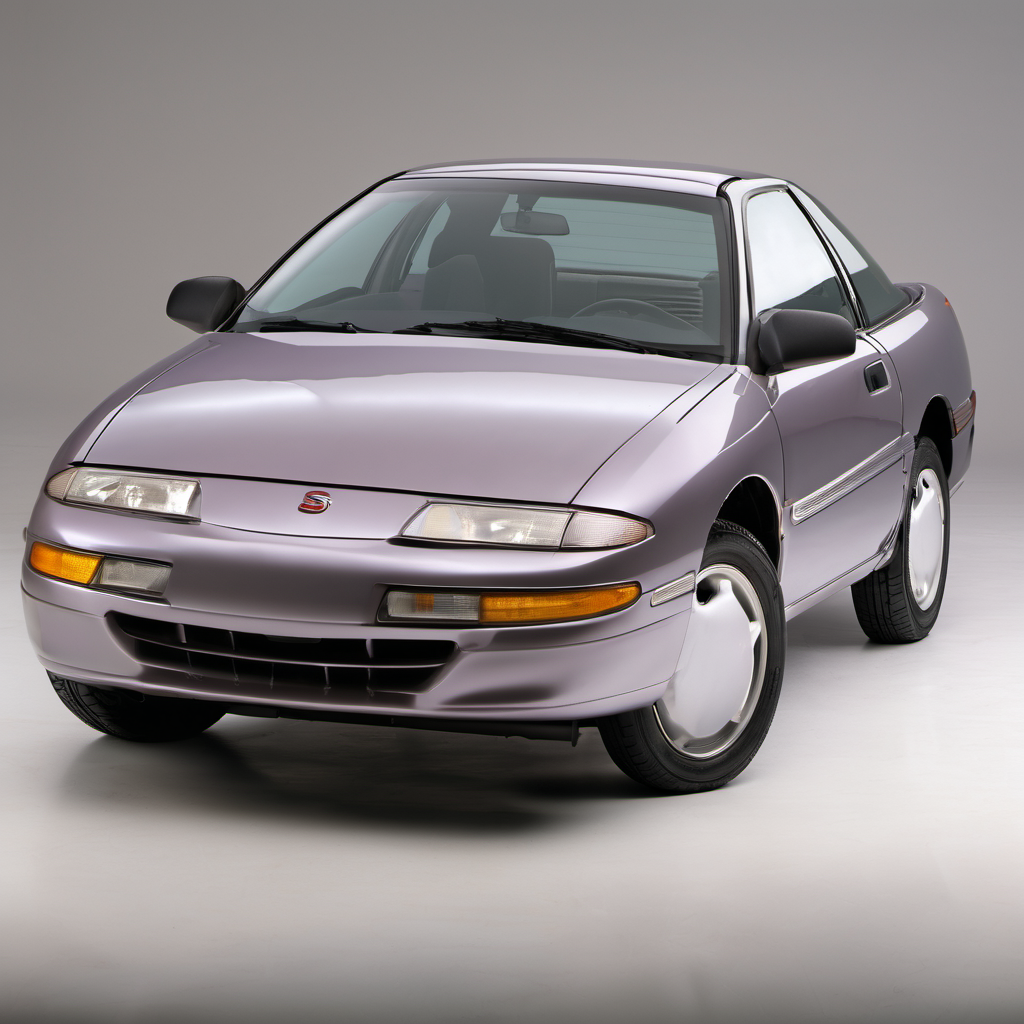
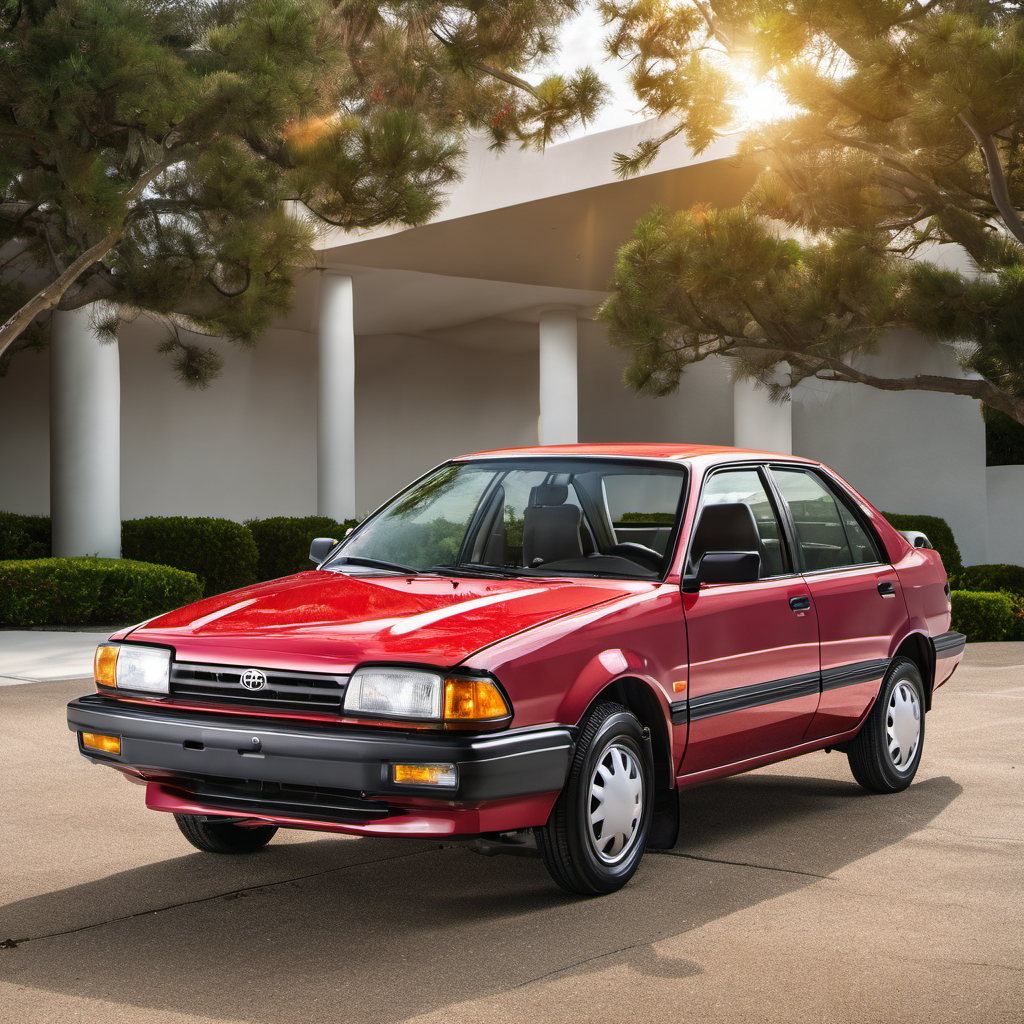
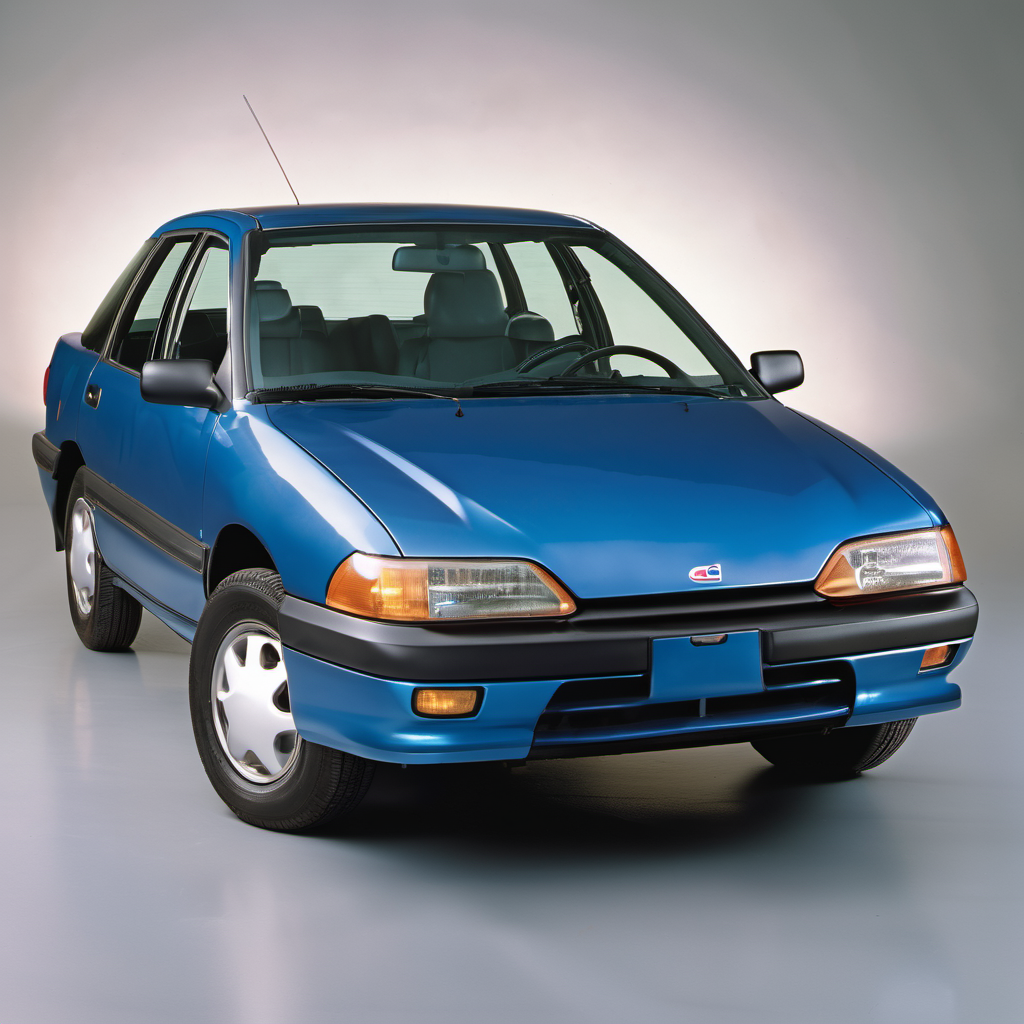
1993 Saturn S-Series Coupe

1993 Saturn

S-SeriesCoupe

1.9L DOHC I4 · Coupe

The 1993 Saturn SC (S-Series Coupe) was one of GM's boldest experiments of the era — a domestically built, polymer-body-panel compact coupe designed to take on Japanese imports at their own game. Built in Spring Hill, Tennessee, the SC came in SC1 and SC2 trims, with the SC2 adding a DOHC engine and sportier equipment. Saturn marketed heavily on the no-haggle dealer experience and dent-resistant plastic body panels, which genuinely resonated with buyers tired of traditional car shopping. Under the hood, the S-Series used a family of 1.9L four-cylinder engines — either the SOHC 85 hp unit in the SC1 or the DOHC 124 hp unit in the SC2. These were Saturn-specific engines, not shared with the rest of GM, which means parts are now increasingly scarce as the brand has been defunct since 2010. The platform was also used in the SL sedan and SW wagon. For a 30-year-old economy coupe, a well-kept SC can still be a reliable daily driver, but deferred maintenance and the reality of parts availability are now the dominant concerns. These cars are not worth expensive repairs — budget accordingly.

Reliability
3/5
Verified data
Engine
1.9L DOHC I4
Drivetrain
FWD
Fuel
Gasoline
MPG
25 city / 36 hwy / 29 combined
Seats
5
Doors
3
Body
Coupe
MSRP
$11,195

Overview

AI-curated

The 1993 Saturn SC (S-Series Coupe) was one of GM's boldest experiments of the era — a domestically built, polymer-body-panel compact coupe designed to take on Japanese imports at their own game. Built in Spring Hill, Tennessee, the SC came in SC1 and SC2 trims, with the SC2 adding a DOHC engine and sportier equipment. Saturn marketed heavily on the no-haggle dealer experience and dent-resistant plastic body panels, which genuinely resonated with buyers tired of traditional car shopping. Under the hood, the S-Series used a family of 1.9L four-cylinder engines — either the SOHC 85 hp unit in the SC1 or the DOHC 124 hp unit in the SC2. These were Saturn-specific engines, not shared with the rest of GM, which means parts are now increasingly scarce as the brand has been defunct since 2010. The platform was also used in the SL sedan and SW wagon. For a 30-year-old economy coupe, a well-kept SC can still be a reliable daily driver, but deferred maintenance and the reality of parts availability are now the dominant concerns. These cars are not worth expensive repairs — budget accordingly.

Known for
  • Dent-resistant polymer body panels that don't rust
  • Loyal Saturn owner community and no-haggle buying experience
  • Lightweight, fuel-efficient 1.9L four-cylinder engines
  • Surprisingly fun-to-drive SC2 DOHC variant
  • Spring Hill, TN American manufacturing story
Best for
  • Budget-conscious drivers who can do basic maintenance themselves
  • Collectors or enthusiasts with Saturn brand loyalty
  • Short urban commutes where reliability demands are modest
  • Owners who already know the car's history
Watch for
  • Parts availability is declining sharply — Saturn has been discontinued since 2010
  • Coolant leaks and head gasket issues on high-mileage examples
  • Timing chain wear on both SOHC and DOHC engines
  • Electrical gremlins common at this age
  • Any example with unknown maintenance history — walk away

Common issues by mileage

6 known

Coolant leak / head gasket failure

high
Typically appears
80–150k mi
Estimated repair
$600 – $1,400

Timing chain stretch and tensioner wear

high
Typically appears
90–140k mi
Estimated repair
$400 – $900

Ignition module failure (no-start, stalling)

high
Typically appears
60–120k mi
Estimated repair
$150 – $350

Oxygen sensor failure (upstream/downstream)

medium
Typically appears
70–120k mi
Estimated repair
$100 – $250

Power window regulator failure

medium
Typically appears
80k+ mi
Estimated repair
$100 – $250

Crankshaft position sensor failure (stalling, hard start)

medium
Typically appears
75–130k mi
Estimated repair
$100 – $220

Maintenance schedule

  1. 1
    Every 3,000–4,000 miles — use conventional 5W-30 Engine oil and filter change

    These old engines have tight tolerances and show wear quickly with degraded oil. Extended intervals are not appropriate on a 30-year-old engine.

  2. 2
    Every 2 years or 30,000 miles Coolant flush and system inspection

    The 1.9L is prone to coolant leaks at the water pump, intake manifold gasket, and head gasket. Fresh coolant helps prevent internal corrosion that accelerates these failures.

  3. 3
    At 90,000 miles and every 30,000 miles after Timing chain and tensioner inspection

    Saturn 1.9L timing chains are known to stretch. A rattling noise on cold start is an early warning sign. Do not ignore it — chain failure can cause serious engine damage.

  4. 4
    Every 30,000 miles Spark plugs and ignition wires

    Worn plugs and cracked wires stress the ignition module, which is already a common failure point on these cars.

  5. 5
    Every 50,000 miles or at first sign of cracking Serpentine belt and tensioner inspection

    Belt failure leaves you stranded and can damage the water pump. Tensioner pulleys seize on aging vehicles.

  6. 6
    Every 2–3 years Brake fluid flush

    Brake fluid absorbs moisture over time. On a car this age, fresh fluid and a full brake inspection are essential for safe stopping, especially in Wisconsin winters.

  7. 7
    Every fall before winter Battery load test

    Cold Lake Geneva winters are brutal on aging batteries. A battery that starts the car fine in October can leave you stranded in January.

  8. 8
    Every spring after winter Undercarriage and brake line rust inspection

    The body panels don't rust, but the steel subframe, brake lines, and fuel lines absolutely do. Wisconsin road salt is the main threat to keeping this car roadworthy.

Always defer to the manufacturer's service manual for warranty-mandated intervals.

Cost of ownership

Annual maintenance
$600 – $1,800
Fuel
Inexpensive to fuel — roughly $1,200–$1,600/year at average Wisconsin driving distances and current gas prices, thanks to the 29 MPG combined rating.
Insurance
Very low — expect $600–$900/year for full coverage on a car with this market value, even less for liability only.

On paper this is a cheap car to own, but at 30+ years old it can surprise you with repair bills that exceed the vehicle's value. A good year of uneventful ownership runs $600–$900 in routine maintenance. A bad year with a head gasket or timing chain job can easily hit $1,500–$1,800. Set a hard budget for repairs — if a single job approaches the car's market value (typically $1,000–$3,000 for a clean example), weigh carefully before proceeding.
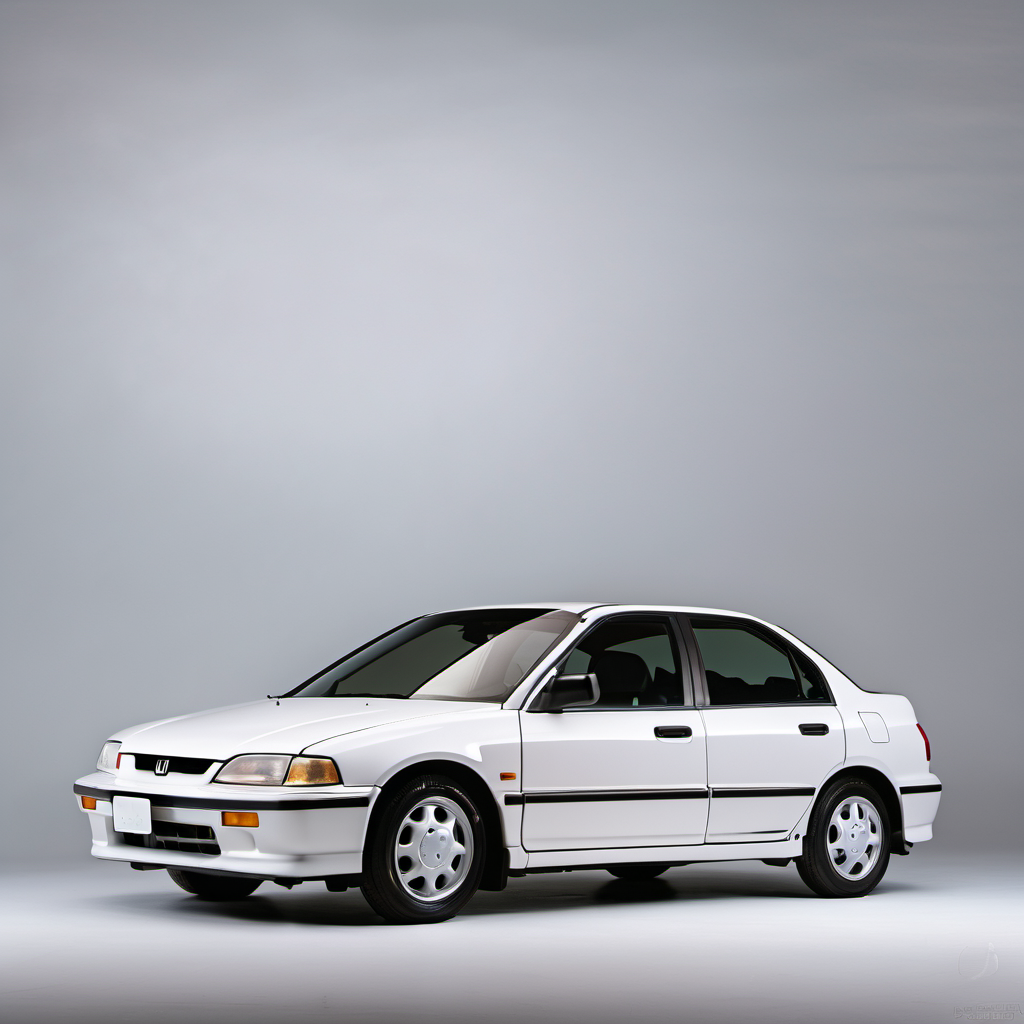
Seasonal care

Lake Geneva, WI
Winter
  • Load-test the battery every October — the 1.9L's electrical system is marginal on a fresh battery, let alone an aging one in sub-zero temps.
  • Switch to a full-synthetic 5W-30 if you haven't already — it flows much better on cold Wisconsin mornings.
  • Inspect brake lines and fuel lines for rust and pinhole leaks every fall — road salt is the real enemy underneath this car.
  • Use a quality winter washer fluid rated to -20°F or colder. The stock reservoir and lines are not heated and will freeze with summer fluid.
  • Keep the fuel tank above half in deep winter to reduce condensation in the fuel system.
  • Swap to dedicated winter tires — this is a light FWD coupe that will struggle in deep snow on all-seasons.
Summer
  • Monitor coolant level closely — heat soak accelerates leaks from the water pump and intake gaskets.
  • Check tire pressure monthly; pressure drops roughly 1 PSI for every 10°F of temperature swing.
  • Inspect the A/C system — the refrigerant charge and compressor clutch should be verified before summer heat arrives. These systems have not been serviced on most survivors.
  • Check the radiator and cooling fan operation — a stuck-closed thermostat or weak fan will overheat this engine quickly in summer traffic.

Comparable vehicles

If you're shopping for one

Red flags
  • Any sign of overheating history — warped head, white exhaust smoke, milky oil — walk away, the repair cost likely exceeds the car's value.
  • Timing chain rattle on cold start — expensive fix that is rarely worth it on a car in this price range unless you're doing the work yourself.
  • Rusted-through brake or fuel lines — a safety issue and a sign the undercarriage has been neglected.
  • No maintenance records whatsoever on a 30-year-old car.
  • Cracked or brittle rubber throughout the engine bay — indicates the car sat for extended periods, which causes cascading failures.
What to inspect
  • Pull the oil cap and check for milky, frothy residue — a classic sign of coolant mixing with oil from a failing head gasket.
  • Start cold and listen for timing chain rattle in the first 10–15 seconds — this is the most important mechanical test on these engines.
  • Inspect the undercarriage closely for rusted brake lines, fuel lines, and subframe — the body panels look fine but the steel underneath takes Wisconsin salt hard.
  • Check all four windows, door locks, and the A/C — electrical parts and HVAC components are increasingly difficult to source.
  • Verify the coolant reservoir and radiator for signs of leaks, staining, or low level.
  • Ask for any maintenance records — a car with documented oil changes and coolant flushes is worth significantly more than one with unknown history.
AI profile generated 11 days ago · claude-sonnet-4-6 · v2.