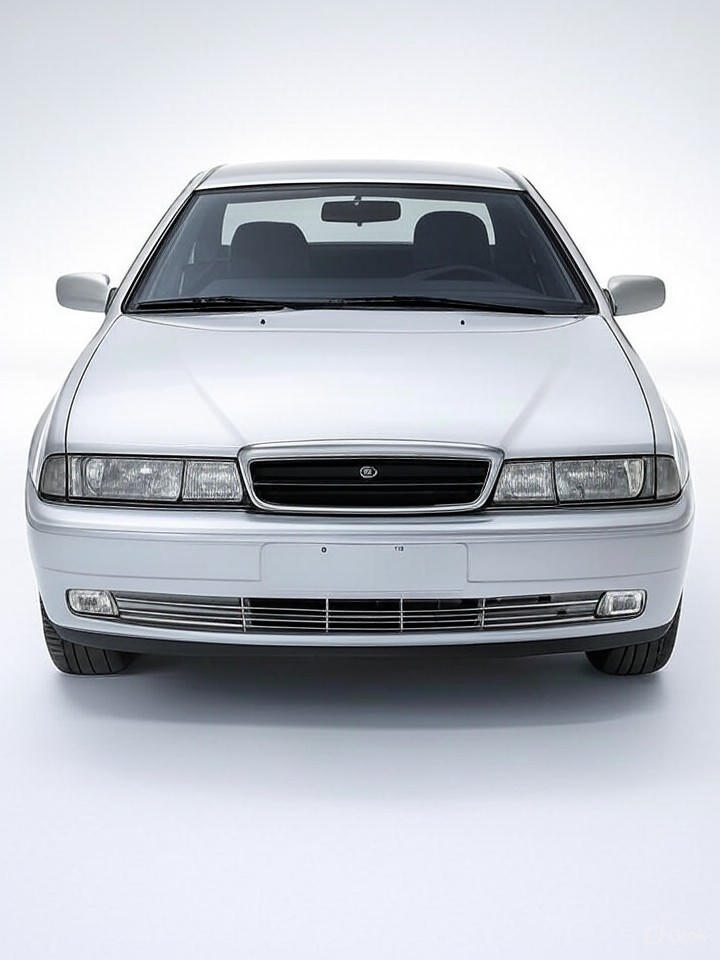
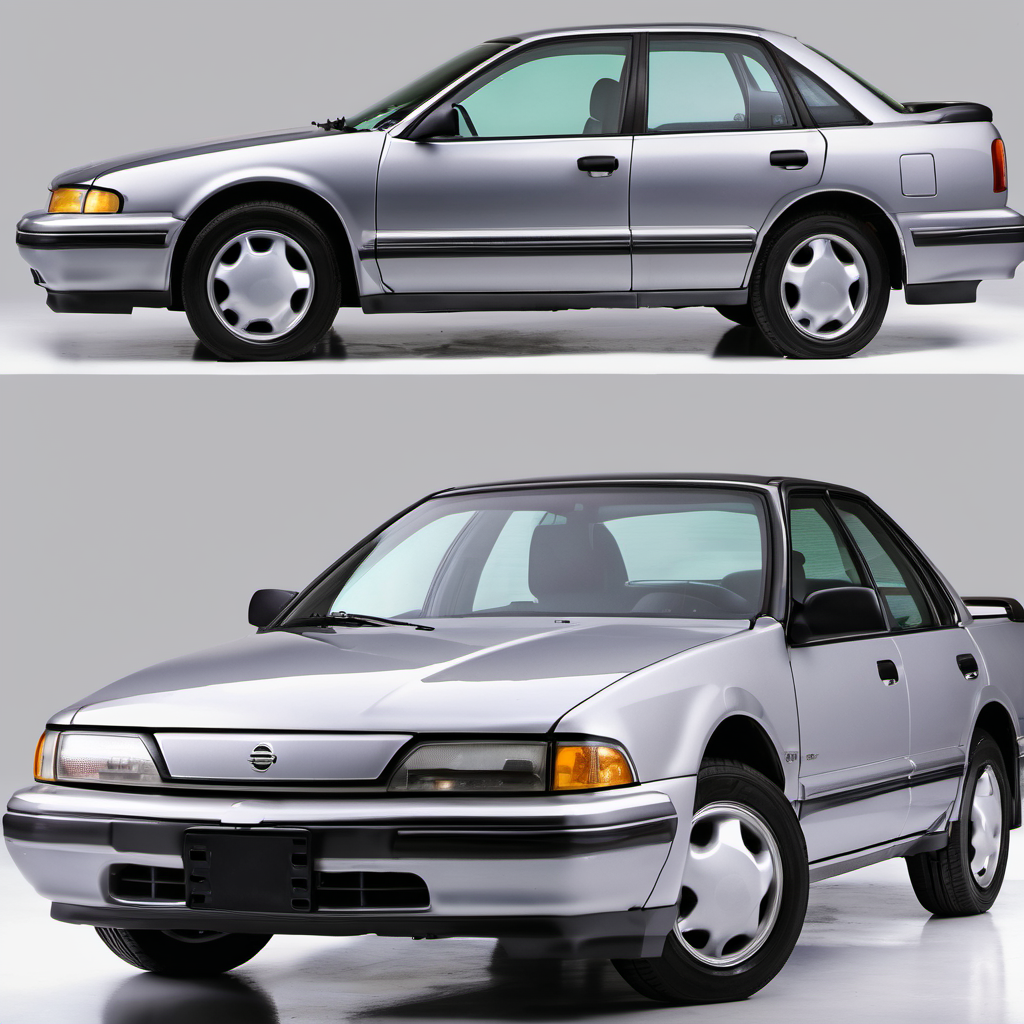
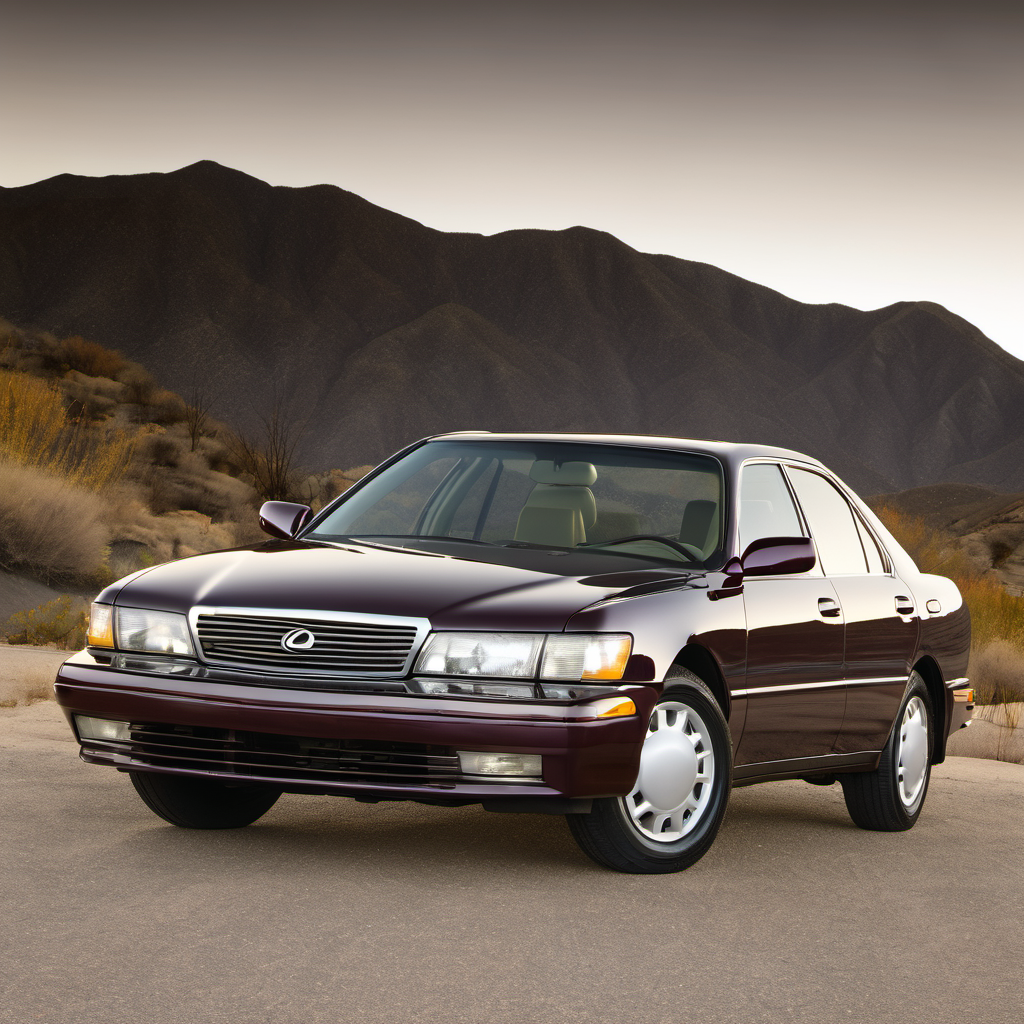
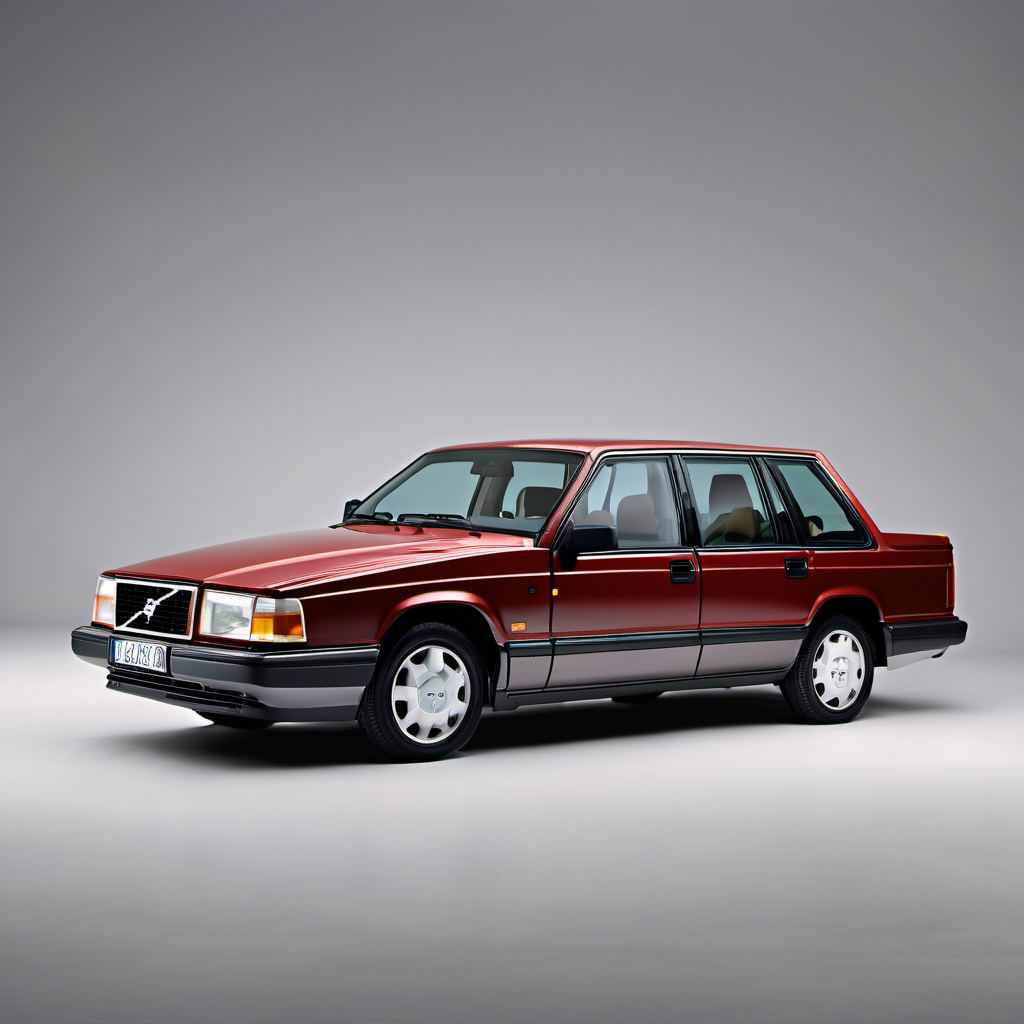
1993 MAZDA 929 Sedan

1993 MAZDA

929Sedan

Sedan

The 1993 Mazda 929 is the final-generation flagship sedan Mazda produced from 1992 through 1995. It was built on a rear-wheel-drive platform and powered by a 3.0L V6 paired with a 4-speed automatic, positioning it squarely against the lower rungs of European luxury sedans at a significantly lower price point. The 929 was a genuine driver's car for its era — responsive, well-balanced, and relatively light. Mazda loaded it with features that were genuinely premium for 1993: leather, ABS, traction control, power everything, and a sophisticated multi-link rear suspension. It never sold in large numbers, which is both its charm and its practical problem today. In 2025, this is a 30+ year old low-volume luxury car. Parts availability is the single biggest ownership concern. Mechanically, survivors tend to be in decent shape simply because owners who kept them cared for them — but finding a qualified shop and sourcing rubber, sensors, and trim pieces requires patience.

Reliability
3/5
Verified data
Specs shown for 929 — the most common configuration. Other trims may vary in engine, drivetrain, or fuel economy. Sign in to see your vehicle's exact specs.
Engine
[object Object]
Drivetrain
RWD
Fuel
Premium gasoline
MPG
17 city / 22 hwy / 19 combined
Seats
Doors
Body
Midsize Cars

Overview

AI-curated

The 1993 Mazda 929 is the final-generation flagship sedan Mazda produced from 1992 through 1995. It was built on a rear-wheel-drive platform and powered by a 3.0L V6 paired with a 4-speed automatic, positioning it squarely against the lower rungs of European luxury sedans at a significantly lower price point. The 929 was a genuine driver's car for its era — responsive, well-balanced, and relatively light. Mazda loaded it with features that were genuinely premium for 1993: leather, ABS, traction control, power everything, and a sophisticated multi-link rear suspension. It never sold in large numbers, which is both its charm and its practical problem today. In 2025, this is a 30+ year old low-volume luxury car. Parts availability is the single biggest ownership concern. Mechanically, survivors tend to be in decent shape simply because owners who kept them cared for them — but finding a qualified shop and sourcing rubber, sensors, and trim pieces requires patience.

Known for
  • Smooth, refined 3.0L V6 with strong mid-range torque
  • Rear-wheel-drive platform with well-tuned multi-link suspension
  • Premium-for-the-price luxury features in its day
  • Low production numbers — rare on the road today
Best for
  • Vintage Japanese sedan enthusiasts
  • Collectors who do their own research and sourcing
  • Drivers who want an unusual, engaging RWD sedan on a modest budget
Watch for
  • Parts scarcity — many trim, rubber, and sensor pieces are no longer stocked
  • Age-related electrical gremlins in a 30-year-old luxury car
  • Rust from Wisconsin road salt, especially rocker panels and rear wheel arches
  • High cost of repairs relative to vehicle market value

Common issues by mileage

6 known

Oxygen sensor failure / degraded sensor heaters

high
Typically appears
80k+ mi or any age 20+ years
Estimated repair
$150 – $400

Cooling system deterioration (hoses, thermostat, water pump seals)

high
Typically appears
Any — age-driven on a 30-year-old vehicle
Estimated repair
$300 – $900

Age-related vacuum and intake leaks (cracked hoses, intake boot)

high
Typically appears
Any — rubber degradation after 20+ years
Estimated repair
$100 – $500

Distributor wear / ignition system degradation

medium
Typically appears
100k+ mi
Estimated repair
$200 – $600

Power window regulators and door lock actuator failure

medium
Typically appears
Any — age/cycle driven
Estimated repair
$150 – $500

Suspension bushing and ball joint wear (multi-link rear especially)

medium
Typically appears
100k+ mi
Estimated repair
$400 – $1,200

Maintenance schedule

  1. 1
    Every 5,000 miles or 6 months Engine oil and filter change — use a quality 5W-30 conventional or synthetic

    The 3.0L V6 relies on clean oil for valve train longevity. This engine is 30 years old; don't stretch intervals.

  2. 2
    Every 2 years regardless of mileage Full cooling system service — flush, new thermostat, inspect all hoses and clamps

    Rubber coolant hoses on a car this age can look fine externally and be internally collapsed. Overheating is the fastest way to destroy this engine.

  3. 3
    At purchase, then every 3–4 years Inspect and replace all vacuum lines

    30-year-old rubber cracks and hardens. Vacuum leaks cause rough idle, poor fuel economy, and hard starts — especially in cold Wisconsin weather.

  4. 4
    Every 30,000 miles Spark plugs and distributor cap/rotor

    The 929 uses a conventional distributor system. Worn caps and rotors cause misfires and hard cold starts.

  5. 5
    Every 30,000 miles Transmission fluid change (drain and fill, not flush)

    The 4-speed automatic is durable but old fluid breaks down and the clutch packs are not replaceable cheaply. Fresh fluid is cheap insurance.

  6. 6
    Every 2 years Brake fluid flush

    ABS-equipped vehicles trap old hygroscopic fluid in the ABS modulator. Moisture-laden fluid lowers boiling point and corrodes internal components.

  7. 7
    Every fall Inspect and lubricate door, hood, and trunk hinges and weatherstripping

    Weatherstripping on a 30-year-old car dries out and cracks, allowing water and cold air intrusion. Silicone-based treatment extends life significantly.

  8. 8
    Every spring after Wisconsin winter Undercarriage and rocker panel inspection for rust

    Road salt is the primary long-term killer for this car. Catch surface rust early — structural rust on a low-value vehicle often makes repair uneconomical.

Always defer to the manufacturer's service manual for warranty-mandated intervals.

Cost of ownership

Annual maintenance
$600 – $2,000
Fuel
Premium fuel recommended; at 19 MPG combined expect roughly $2,000–$2,600/year at current fuel prices for average annual mileage
Insurance
Typically low — this is an older low-value vehicle; agreed-value classic car policies may be worth exploring if the car is in excellent condition

On a good year with no surprises, routine maintenance runs $600–$900. Factor in that parts often must be sourced online or from salvage yards, which adds time and sometimes premium pricing. A single major job — cooling system overhaul, suspension refresh, or electrical repair — can push annual costs to $1,500–$2,000. The car's market value is modest, so always weigh repair cost against value before authorizing big jobs.

Seasonal care

Lake Geneva, WI
Winter
  • Switch to a 5W-30 full synthetic oil before temperatures drop below 10°F — cold-start protection is critical for this aging V6
  • Test the battery and replace if over 4 years old or showing weak cranking — cold kills marginal batteries fast and this car's charging system is not forgiving
  • Fill the washer fluid reservoir with a rated -20°F or lower concentrate; the 929's hood insulation traps heat but the reservoir and lines are exposed
  • Install dedicated winter tires if driving regularly — the RWD platform handles well but RWD on all-seasons in Wisconsin snow is genuinely dangerous
  • Flush the cooling system and verify freeze protection to at least -34°F before the season
  • After every salt exposure, rinse the undercarriage at a touchless car wash — rockers and subframe mounting points are rust-prone on this body style
Summer
  • Inspect the A/C system for refrigerant charge and compressor clutch engagement — the R-134a system (retrofitted from original R-12 on most surviving examples) needs a leak check if cooling is marginal
  • Check tire pressure monthly; heat causes pressure to rise and the 929's handling balance is sensitive to pressure variation front-to-rear
  • Inspect serpentine/accessory belts for cracking — heat accelerates belt degradation on this age of vehicle
  • Monitor coolant temperature gauge closely; a 30-year-old cooling system is more vulnerable to heat soak in stop-and-go traffic

Comparable vehicles

If you're shopping for one

Red flags
  • Any active rust perforation on rockers or floorpan — structural rust makes this car uneconomical to save
  • Overheating history or evidence of head gasket repair — a V6 that has been overheated is a gamble
  • Missing, broken, or non-functional interior trim — reproduction parts do not exist; salvage is the only source
  • No service records whatsoever — on a 30-year-old luxury car, unknown history is a meaningful risk
  • Strong coolant smell inside the cabin, which can indicate a leaking heater core — a labor-intensive fix on this platform
What to inspect
  • Rocker panels, rear wheel arches, and floor pans for rust — Wisconsin and northern cars are high risk
  • All coolant hoses for softness, cracking, or bulging — a fresh coolant flush with documentation is a strong positive
  • Undercarriage for evidence of prior accident repair or frame corrosion
  • Functionality of all power features: windows, locks, mirrors, sunroof — replacements are hard to find
  • A/C operation and clutch engagement — R-12 to R-134a retrofit quality varies widely
  • Engine idle quality cold and warm — rough idle often points to vacuum leaks or failing oxygen sensors on this engine
AI profile generated 18 days ago · claude-sonnet-4-6 · v2.